
Reviewed · BERLIN TOURS
Berlin Battlefield Tour – Operation Berlin 1945
Berlin’s final battle is easiest to understand on foot, one bridge and street at a time. This 150-minute tour follows the Soviet advance from the area around Hauptbahnhof toward the Reichstag, then finishes at Weidendammer Brücke, where the story turns from assault to desperate escape. You hear about strategy, street fighting, heroism, fear, and the bitter human cost of the last days of the war in Europe.
I like the small-group format and the use of maps and then-and-now photographs, which help you connect today’s Berlin with the ruined city of 1945. I also like the clear route: Moltke Bridge, Königsplatz, the Reichstag, and Weidendammer Brücke give the tour a strong military storyline. The main drawback is value: at $57 per person, it costs more than many general Berlin walking tours, and one guide meeting had a problem when the promised colored umbrella was left behind.
In This Review
- Key points before you book
- Why the last battle works best as a walking tour
- Meeting at Hauptbahnhof and finding the battlefield
- The opening viewpoint and the road to Moltke Bridge
- Königsplatz and the assault toward the Reichstag
- The Reichstag and the Soviet flag story
- Weidendammer Brücke and the German breakout
- What the guide adds to the experience
- Is $57 a fair price?
- Walking comfort, weather, and accessibility
- Who should book Operation Berlin 1945?
- Should you book this battlefield tour?
- FAQ
- How long is the Berlin Battlefield Tour?
- Where does the tour begin?
- Where does the tour finish?
- What language is the tour conducted in?
- Is the tour wheelchair accessible?
- What should I bring?
- Can I cancel for a full refund?
Key points before you book
- The tour follows the final approach to the Reichstag, rather than offering a broad survey of every Berlin wartime site.
- Moltke Bridge and Weidendammer Brücke frame the story with two strategically important crossings.
- Maps and then-and-now photographs make troop movements and changed city views easier to follow.
- Jochen received especially strong praise for turning the battle into a clear, compelling story.
- You walk for 150 minutes in all weather, so comfortable shoes, water, and rain protection matter.
- The $57 price buys specialist focus, but may feel high if you want only a quick introduction to wartime Berlin.
Why the last battle works best as a walking tour
The Battle of Berlin can feel confusing when you read about it from a distance. Names, fronts, commanders, bridges, and changing objectives pile up quickly. On foot, the story has a physical order. You begin near the central station, move toward the government district, and finish beside the Spree at a bridge linked with the war’s final chaos.
That route gives you a better sense of distance and direction than a classroom-style talk. You can see how a bridge controls movement, why open spaces matter to an attacking force, and how the Reichstag became the Soviets’ main symbolic and military target.
The tour also promises the sound and tension of battle through stories about the MG42, artillery, street fighting, and close combat. This is not a light sightseeing walk. The subject includes desperation, sacrifice, and carnage, so I would choose it only if you are ready for a serious account of the war’s closing days.
The focus is narrow in a useful way. You are not asked to absorb the entire history of Nazi Berlin, the Holocaust, or the Cold War in one sitting. Instead, you follow the final assault and the decisions made by Soviet and German commanders as the city collapsed around them.
Other Berlin days worth putting on the list:
- Berlin: Reichstag, Dome and Government District Guided Tour
★ 4.7 · 18,288 reviews - Berlin: 1-Hour City Tour by Boat with Guaranteed Seating
★ 4.3 · 16,993 reviews - Berlin: Boat Tour Along the River Spree
★ 4.4 · 11,252 reviews
Meeting at Hauptbahnhof and finding the battlefield
The meeting point is in front of the MEININGER Hotel Berlin Hauptbahnhof at Ella-Trebe-Straße 9. The hotel is on the south side of Berlin Central Station, so give yourself time to get out of the station and orient yourself. Arriving 10 minutes early is sensible.
The guide is meant to hold a blue umbrella outside the hotel. One recorded meeting problem involved a guide forgetting the promised colored umbrella, leaving two people searching until they contacted the tour number. The tour itself continued and was described as informative, but this is a useful practical warning: arrive early, keep the booking contact available, and do not assume the visual marker will always be there.
The route ends at Weidendammer Brücke, not back at the starting point. That is convenient if you plan to continue sightseeing in central Berlin, but you should factor in the walk or public transport needed afterward.
The opening viewpoint and the road to Moltke Bridge
The first part includes a viewpoint and a guided walk lasting about 20 minutes. This opening gives your guide room to set the scene before the group reaches the main battle positions.
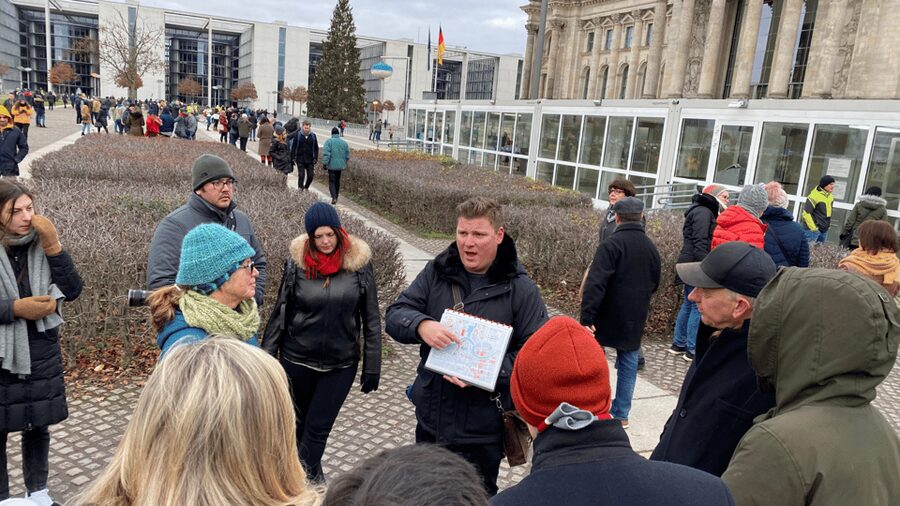
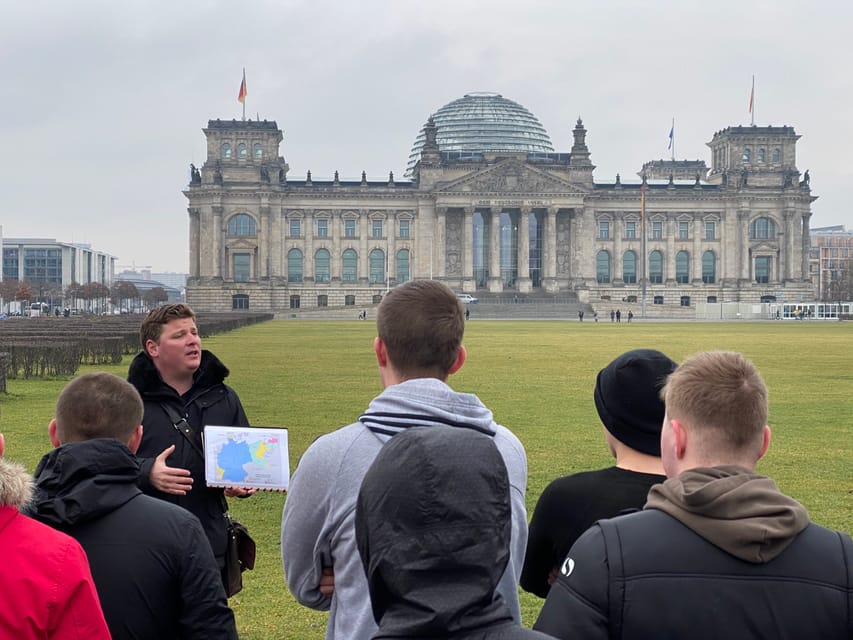
A good battlefield explanation needs more than dates. You need to know who was moving, what each side wanted, and why a particular road or crossing mattered. The guide’s job here is to establish that basic military map in your head. The provided maps and then-and-now photographs are especially useful at this stage because they can show how much the modern city differs from the wartime setting.
You will then spend about 20 minutes reaching and discussing Moltkebrücke, or Moltke Bridge. This crossing was strategically important because bridges decide how troops, armor, supplies, and retreating forces move through a city. A bridge can also become a trap, with attackers trying to seize it before defenders destroy or block it.
I like this stop because it turns military strategy into something you can see. Rather than hearing only that the Soviets advanced through Berlin, you begin to understand the problem in practical terms: control the crossing, protect the approach, and keep the attack moving under fire.
The exact amount of surviving wartime fabric is not specified, so do not expect a preserved battlefield. The value comes from location, explanation, and the guide’s ability to connect the present view with the action of 1945.
Königsplatz and the assault toward the Reichstag
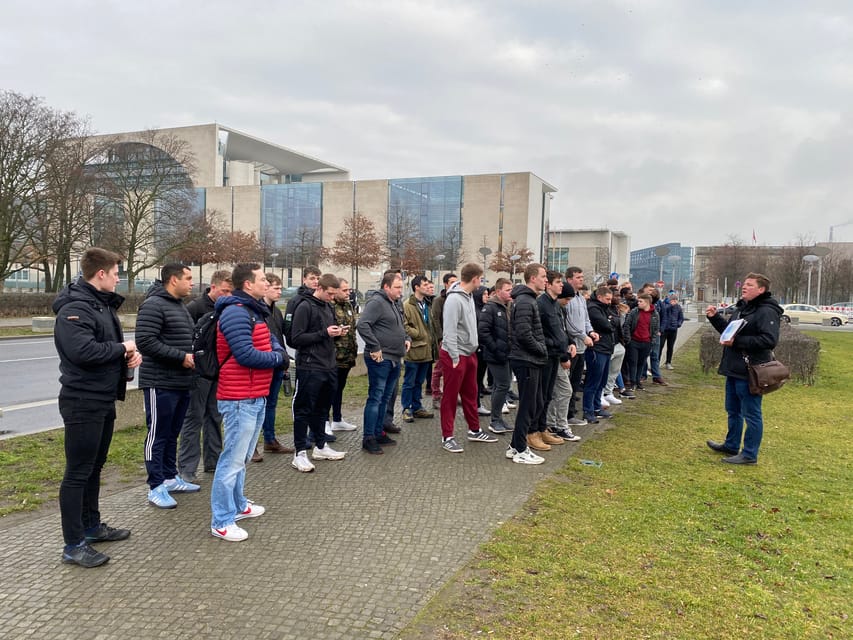
The route continues to Königsplatz, now known as Platz der Republik, for another guided visit and walk of roughly 20 minutes. This is where the battle story becomes more intense. The tour presents the assault and the hard street fighting that brought Soviet forces closer to their main objective.
This section should appeal to you if you like military history at ground level. The guide explains how commanders made choices under pressure, how soldiers faced fortified positions and heavy fire, and how progress through a city could be measured in very small gains.
The subject is not only military technique. The tour also looks at bravery, fear, hope, and desperation among the people caught inside the fighting. That human angle matters. A map can show an advance, but it cannot by itself explain what that advance meant for soldiers and civilians in a city already near ruin.
The battlefield has changed, of course. Modern Berlin gives you functioning streets, open public spaces, and government buildings rather than a city under bombardment. That contrast is part of the experience, but it also means you need to listen carefully. The story will not simply announce itself from the pavement.
Same city, a completely different kind of day:
- Discover Berlin Half-Day Walking Tour
★ 5.0 · 9,624 reviews - Berlin: Hop-on Hop-off Bus Tour with Live Commentary
★ 4.3 · 8,579 reviews - Berlin: Government District around the Reichstag Guided Tour
★ 4.7 · 8,447 reviews - Berlin: Reichstag, Plenary Chamber, Cupola & Government Tour
★ 4.6 · 8,422 reviews
The Reichstag and the Soviet flag story
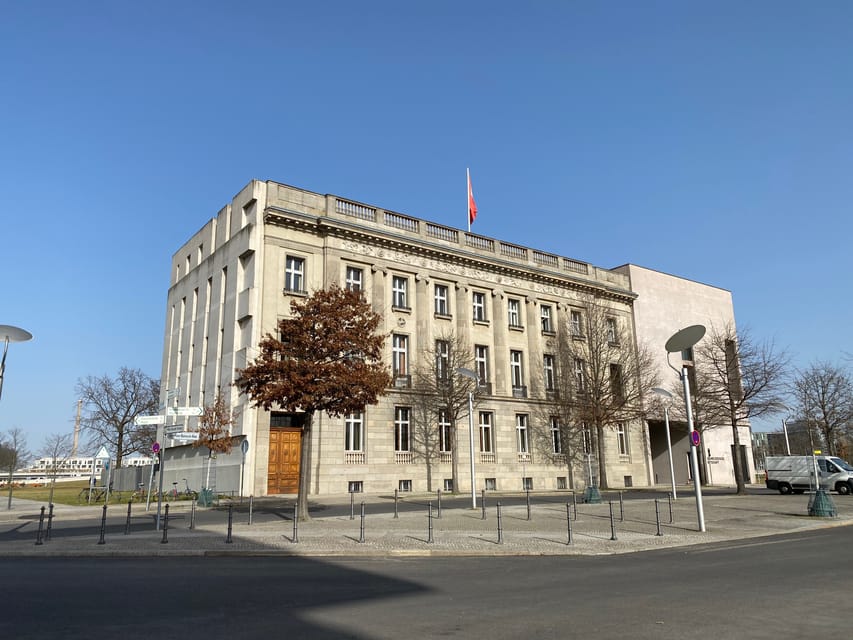
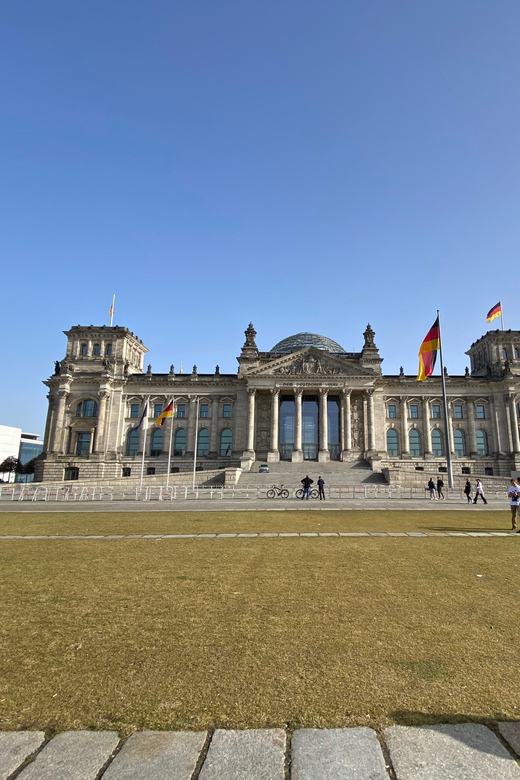
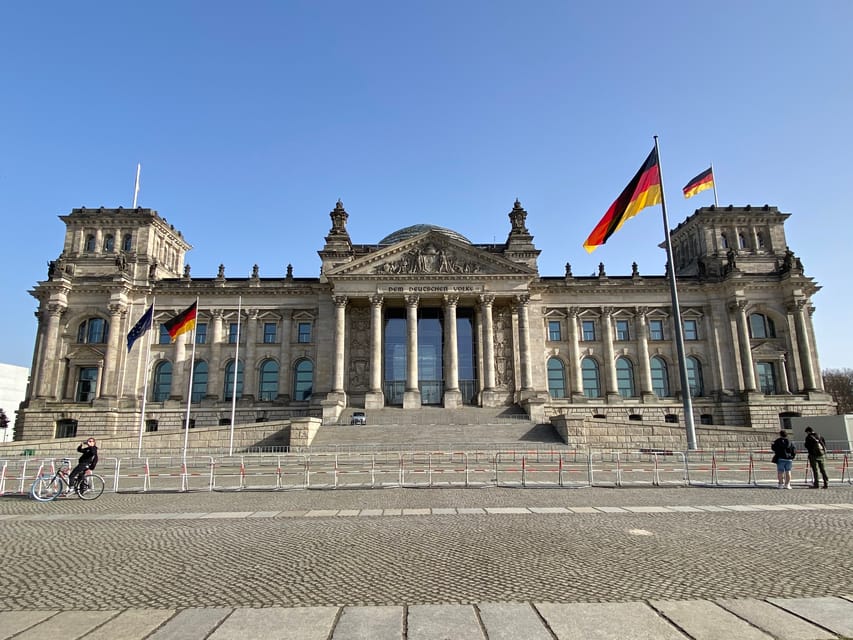
The Reichstag receives about 30 minutes, making it the longest scheduled stop. That extra time is justified. The building was the primary Soviet objective in the final assault, both for its location and for its powerful political symbolism.
The guide relives the tense moments leading up to the attack. You learn about the pressure on Soviet commanders, German resistance, and the difficult street battles around the building. This is the part of the tour most likely to satisfy anyone booking specifically for the Reichstag battlefield.
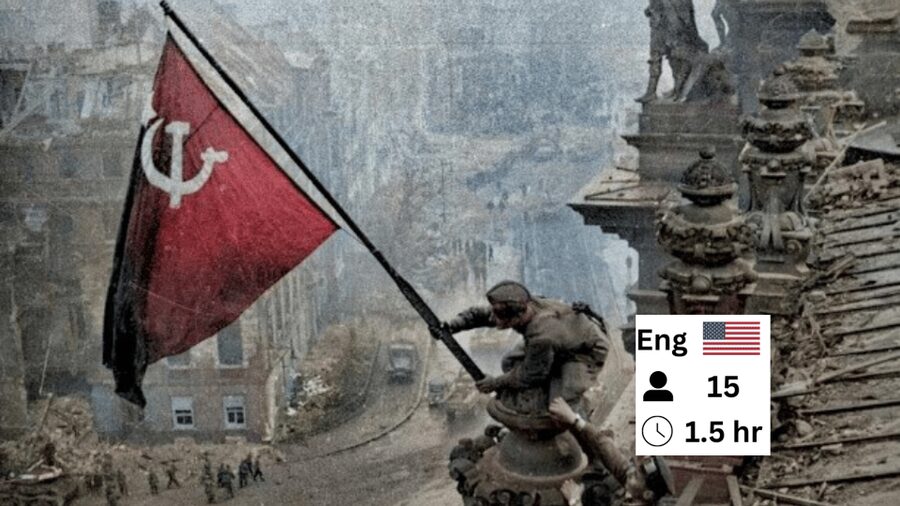
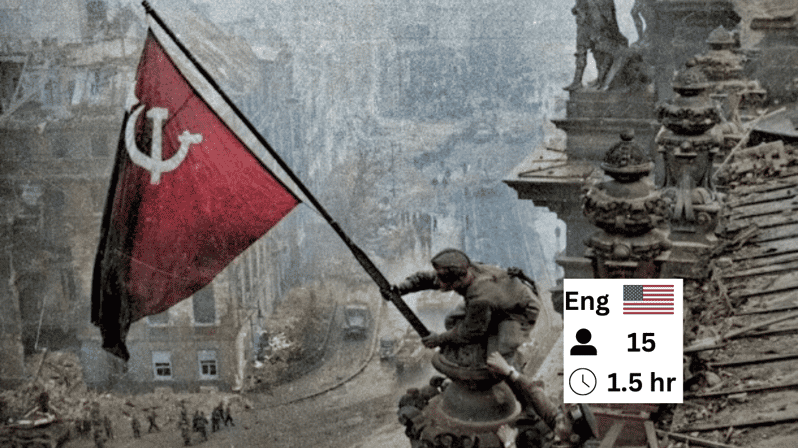
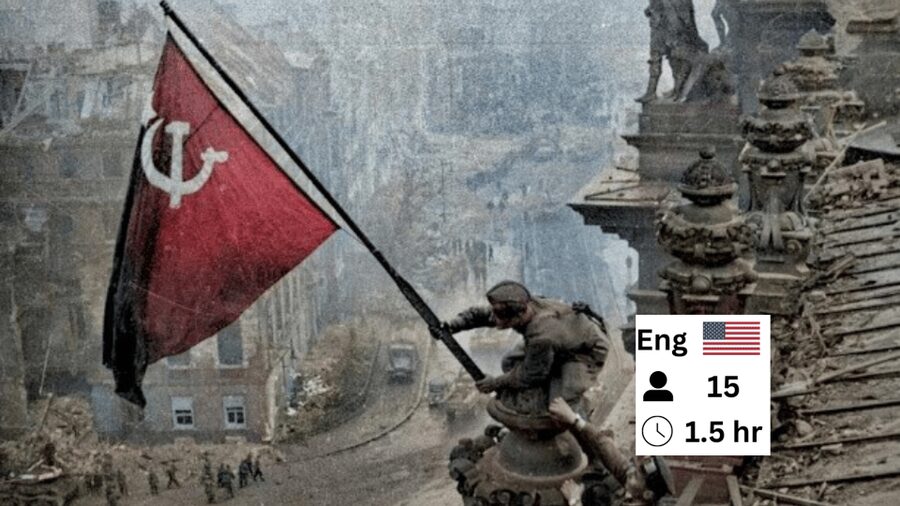
One advertised subject is the truth behind the Soviet flag raising, including details that official Russian accounts have not always presented clearly. That promise should interest history readers, but it also calls for a careful ear. Battlefield symbols often become political stories, and the timing, participants, and meaning of a flag raising can be disputed or simplified after the event.
The tour’s value here depends heavily on the guide’s presentation. Jochen was singled out for his command of the subject and his ability to bring the events to life. You may not have Jochen, since guides can vary, but the experience is designed around an expert English-speaking guide rather than a simple route between landmarks.
Do not expect entry into the Reichstag itself. The scheduled activity is a guided visit and a pass by the building, with the focus on the battlefield events outside and around it. If you want the glass dome or an interior visit, that requires a separate plan.
Weidendammer Brücke and the German breakout
The final major stop is Weidendammer Brücke, reached after about 30 minutes at or around the Reichstag and another 20-minute guided visit. The tour ends here, which gives the route a strong closing point rather than returning you to the station.
This bridge is tied to stories of desperation, hope, and carnage during the German breakout. By this point, the battle is no longer simply about capturing a target. It is about the remaining German forces trying to escape a city surrounded and destroyed by combat.
That change in subject gives the tour emotional shape. You begin with movement toward an objective and finish with people trying to get out. The bridge becomes more than a crossing. It represents the narrowing choices available to commanders and ordinary soldiers as the war ended.
The stop should also help you understand why the final days were so chaotic. Orders, military aims, survival, and political symbolism collided in a very small area. You will hear how decisions made by Soviet and German leaders affected people fighting and fleeing at street level.
Because this is a walking tour, the final bridge is not treated as an isolated monument. It is the endpoint of a route that has shown how the battle moved through central Berlin. That continuity is one of the tour’s best features.
What the guide adds to the experience
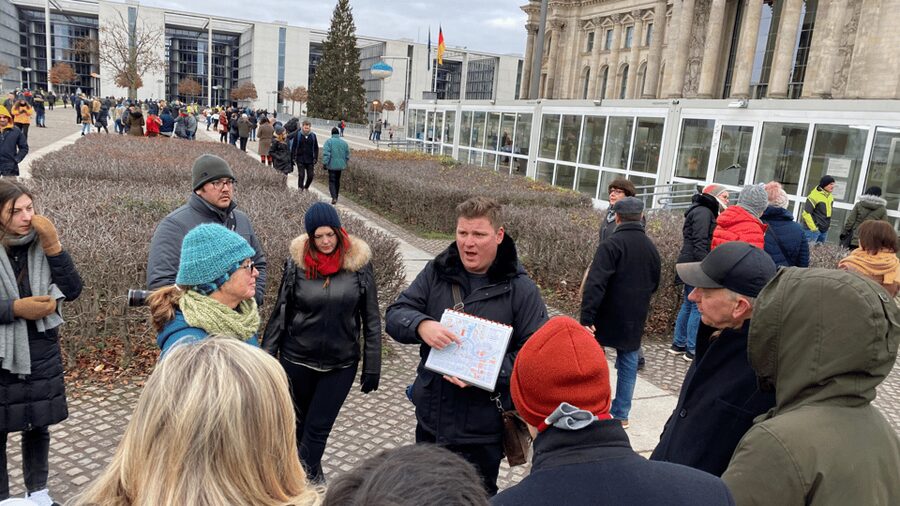
The guide makes or breaks a specialist battlefield tour. Here, the advertised approach is detailed and story-driven, with attention to military strategy, commanders, weapons, and individual acts of courage.
Jochen received especially strong praise for his subject knowledge and storytelling. One person who took the tour described his explanation as bringing the whole event to life and said they would seek out his other tours. Another described the guide as very informative and said the route covered many important historical landmarks.
Those comments point to the tour’s strongest quality: it is not just a walk past famous buildings. The guide supplies the connections. Why was Moltke Bridge important? Why did the Reichstag matter so much? How did the battle shift from planned assault to desperate breakout? Those are the questions that turn a sightseeing route into a battlefield lesson.
Still, guide quality can vary. One guide was reported to have a good knowledge base despite the meeting problem. I would book this expecting a serious specialist tour, but I would not assume every departure will feel exactly like Jochen’s.
Is $57 a fair price?
At $57 per person, this is a premium walking tour for Berlin. A shorter general city walk may cost less, so the price makes sense only if you want a focused World War II experience with a specialist guide.
You are paying for 150 minutes, a small group, an English-speaking guide, maps, then-and-now photographs, and a route built around specific battle positions. The small-group format matters because military history needs room for questions. It is easier to ask about a commander, a bridge, or the flag raising when you are not lost in a large crowd.
The price may feel high if you already know the Battle of Berlin well, prefer to explore independently, or mainly want to see the Reichstag from outside. One person rated the tour highly for content but still considered nearly 50 euros expensive compared with other Berlin tours.
I see the value most clearly for a first-time battlefield visitor who wants structure. You can spend hours reading about the assault, but without a route and clear maps, the geography remains abstract. This tour gives you a fixed sequence and a guide to explain why each stop matters.
Walking comfort, weather, and accessibility
The tour takes place rain or shine. Wear comfortable shoes, bring water and snacks, and pack a raincoat or umbrella. The provider says umbrellas are available throughout the year in case of rain, but I would still bring your own because umbrellas can be easy to miss at a meeting point and weather can change quickly.
The 150-minute duration is manageable for many people, but it is still a substantial walking experience. You should be comfortable standing and walking between several central Berlin locations. The route is listed as wheelchair accessible, which is important, though you may want to confirm current conditions if you have specific mobility needs.
There is no transport between the stops. That is part of the point, since the geography carries the story, but it also means this is not a sit-down history lecture with occasional photo stops.
Who should book Operation Berlin 1945?
I would recommend this tour to:
- People with a serious interest in World War II and military history
- Visitors who want to understand the Reichstag assault in its wider setting
- Anyone who learns best through maps, walking, and physical locations
- Travelers who prefer a small group and an English-speaking specialist
- Repeat visitors to Berlin looking for a focused historical route
I would be more cautious if you want a general introduction to Berlin, dislike emotionally heavy subjects, or have limited walking time. The tour is also less suitable if your only aim is to enter the Reichstag, since the experience focuses on the battlefield outside rather than an interior visit.
Free cancellation up to 24 hours before the start and the reserve now, pay later option make the booking less rigid. Those policies help if your Berlin schedule is still changing, but they do not remove the need to choose a day when you can handle a long outdoor walk.
Should you book this battlefield tour?
Book it if you want the final battle explained as a sequence of real places rather than a list of dates. The route from Hauptbahnhof to Moltke Bridge, Königsplatz, the Reichstag, and Weidendammer Brücke gives you a clear military arc, while the maps and photographs help bridge the gap between modern Berlin and the destroyed city of 1945.
The strongest reason to go is the guide-led interpretation, especially if you are assigned someone with the same command of the subject as Jochen. The main reason to hesitate is the price, along with the fact that one meeting suffered from a missing umbrella and poor communication.
For a specialist World War II tour, the cost is defensible. For a casual sightseeing outing, it is probably too much. Bring good shoes, arrive early, and choose this walk when you want history that is direct, difficult, and tied closely to the ground beneath you.
FAQ
How long is the Berlin Battlefield Tour?
The tour lasts 150 minutes, or two and a half hours.
Where does the tour begin?
It begins outside the MEININGER Hotel Berlin Hauptbahnhof at Ella-Trebe-Straße 9, 10557 Berlin. The hotel is on the south side of Berlin Central Station.
Where does the tour finish?
The tour finishes at Weidendammer Brücke.
What language is the tour conducted in?
The live tour guide speaks English.
Is the tour wheelchair accessible?
Yes, the activity is listed as wheelchair accessible.
What should I bring?
Bring comfortable shoes, water, snacks, and an umbrella or raincoat. The tour runs in all weather.
Can I cancel for a full refund?
Yes. You can cancel up to 24 hours before the activity for a full refund.
Just added around Berlin
- Love and War in Berlin: Self-Guided Story Puzzle Walk★ 5.0 · 7 reviews
- Rickshaw Tours Berlin – Groups of up to 16 people with several rickshaws★ 4.0 · 97 reviews
- Walking on the Wall: 3-Hour Tour in Berlin★ 4.5 · 34 reviews
- eSIM for Germany and 34 European Countries★ 4.5 · 16 reviews
- Warnemuende Shore Excursion: Berlin Private Sightseeing Tour from Rostock★ 5.0 · 4 reviews
- Your ticket to The Wall Museum Berlin★ 3.0 · 60 reviews
- Warnemuende Shore Excursion: Private Berlin Tour★ 4.5 · 27 reviews
- Berlin’s Gay, Lesbian, and Queer Scene Small-Group Walking Tour★ 4.5 · 66 reviews
Berlin Tours, compared.

Reichstag, Dome and Government District Guided Tour
Read our review →
1-Hour City Tour by Boat with Guaranteed Seating
Read our review →


Reichstag, Plenary Chamber, Cupola & Government Tour
Read our review →

