
Reviewed · BERLIN TOURS
Berlin: Battle for Seelow Heights WW2 tour -Clash of Titans
The Battle of Seelow Heights was one of the final and fiercest clashes before Berlin fell, yet it receives far less attention than the city’s famous wartime sights. This eight-hour small-group tour takes you beyond central Berlin to the actual ground where Soviet forces fought their way through German defenses.
I like the combination of the Seelow Heights museum and outdoor battlefield stops. I also like the way guides Matt and Matthew use maps, supporting material, and tactical explanation to make the fighting easier to follow. The main drawback is the long day in the countryside, with walking on uneven ground and no meal included.
In This Review
- Key points to know before you book
- Why Seelow Heights matters
- Leaving Berlin for the battlefield
- Starting at the Seelow Heights War Museum
- Seeing the German trench positions
- Reitwein and the smaller battle sites
- Dolgelin and the remains of tank obstacles
- Jahnsfelde and the wider view
- How the guide shapes the experience
- Comfort, weather, and what to pack
- Is $152 a fair price?
- Who should book this tour?
- Should you book the Seelow Heights tour?
- FAQ
- Where does the Battle for Seelow Heights tour begin?
- How early should I arrive?
- How long does the tour last?
- How far is Seelow from Berlin?
- What language is the tour conducted in?
- How many people are in the group?
- Is food included?
- Is the tour suitable for people with mobility impairments?
Key points to know before you book
- The battle took place just outside Berlin: Seelow is about 1.5 hours from the city, making this a serious battlefield excursion rather than a quick museum visit.
- You visit real German defensive positions: Trenches and tank obstacles help you understand the practical problem faced by the attacking Soviet army.
- The museum gives the day a useful starting point: Maps and artefacts establish the story before you walk across the battle area.
- The group is limited to eight people: That gives you more time to ask questions and follow the explanation.
- Tactics are central to the tour: Expect discussion of infantry, artillery, armour, aircraft, and defensive operations.
- Pack food and rain gear: The tour runs in all weather, and snacks are not included.
Why Seelow Heights matters
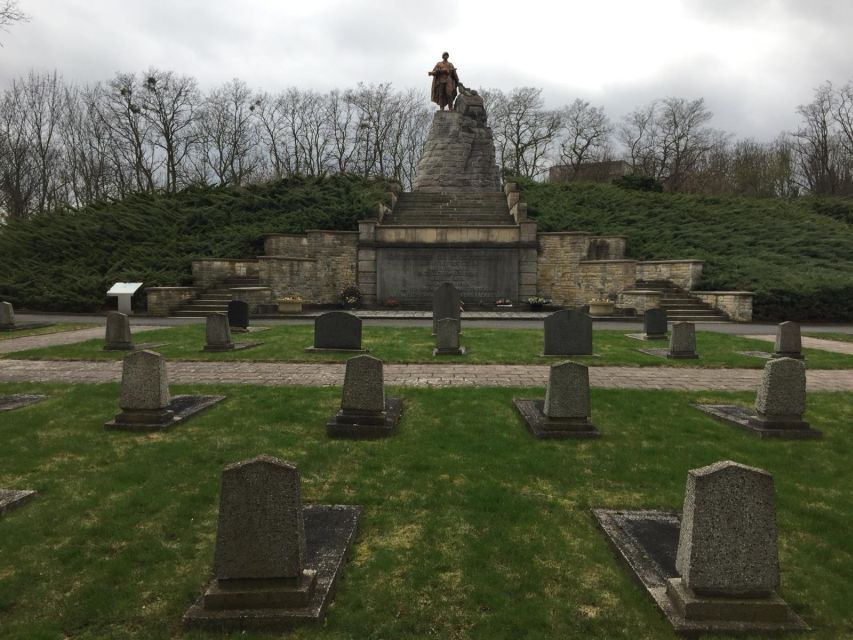
Seelow Heights sits east of Berlin, in the direction from which the Soviet advance approached the German capital in April 1945. The town may look quiet now, but the terrain became the setting for a huge and costly battle during the final stage of World War II.
The scale was enormous. Around 768,000 Soviet troops, supported by more than 22,000 tanks, artillery pieces, and aircraft, faced about 150,000 German defenders. Those numbers can feel abstract when you read them in a book. Standing on the ground, looking across the open terrain, gives them more meaning.
The battle was not simply a direct rush toward Berlin. German forces had prepared defensive positions, trenches, anti-tank obstacles, and firing areas. Soviet infantry and armoured units had to work through these defenses under fierce resistance.
That is the real value of this excursion. You are not only hearing who won and when. You are learning why the ground mattered, how defensive lines worked, and how infantry and tanks depended on one another. The guide explains the battle as a series of problems faced by commanders and ordinary soldiers.
Other Berlin days worth putting on the list:
- Berlin: Reichstag, Dome and Government District Guided Tour
★ 4.7 · 18,288 reviews - Berlin: 1-Hour City Tour by Boat with Guaranteed Seating
★ 4.3 · 16,993 reviews - Berlin: Boat Tour Along the River Spree
★ 4.4 · 11,252 reviews
Leaving Berlin for the battlefield
The day begins at the main vehicle entrance of the Park Inn by Radisson Berlin Alexanderplatz Hotel, opposite the Burger King entrance. Look for the guide holding a Battle for Seelow Heights Tour sign, and arrive 15 minutes early.
The drive to Seelow takes about 1.5 hours. That is a substantial part of the day, but it is also useful preparation time. The tour is far enough from Berlin that you can leave behind the city’s main memorials and see a different part of the region.
Transport is provided in an air-conditioned and heated vehicle with Wi-Fi. A small bottle of water is included, and the vehicle has received perfect transport scores. The small group limit, eight people, matters here. A battlefield tour works better when you can hear the guide clearly and ask questions without competing with a large crowd.
The ride is not a train journey or a self-guided outing. You are dependent on the vehicle and the day’s schedule. That makes the tour less flexible than visiting a Berlin museum on your own, but it also removes the difficulty of reaching several rural locations without a car.
Starting at the Seelow Heights War Museum
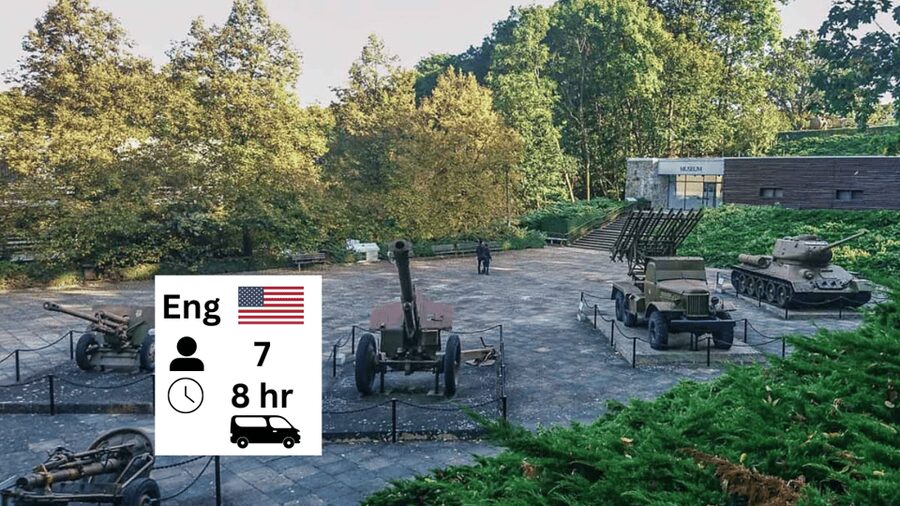
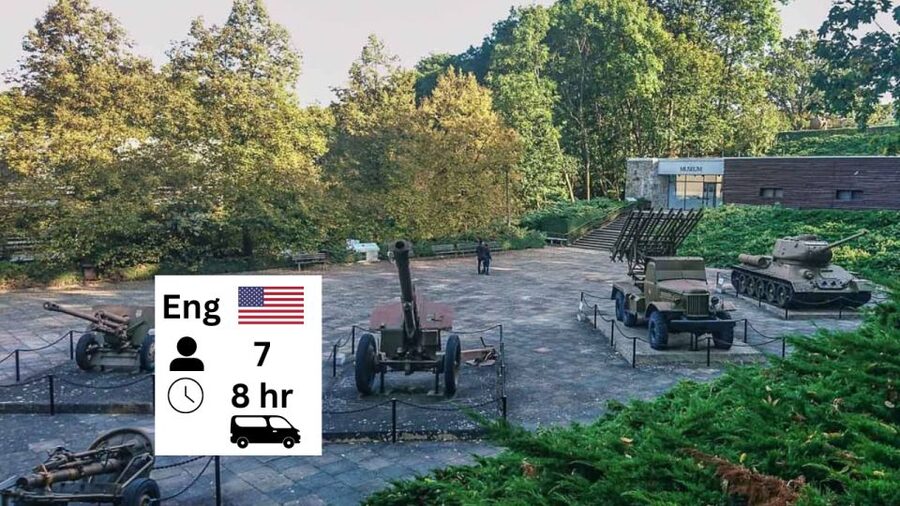
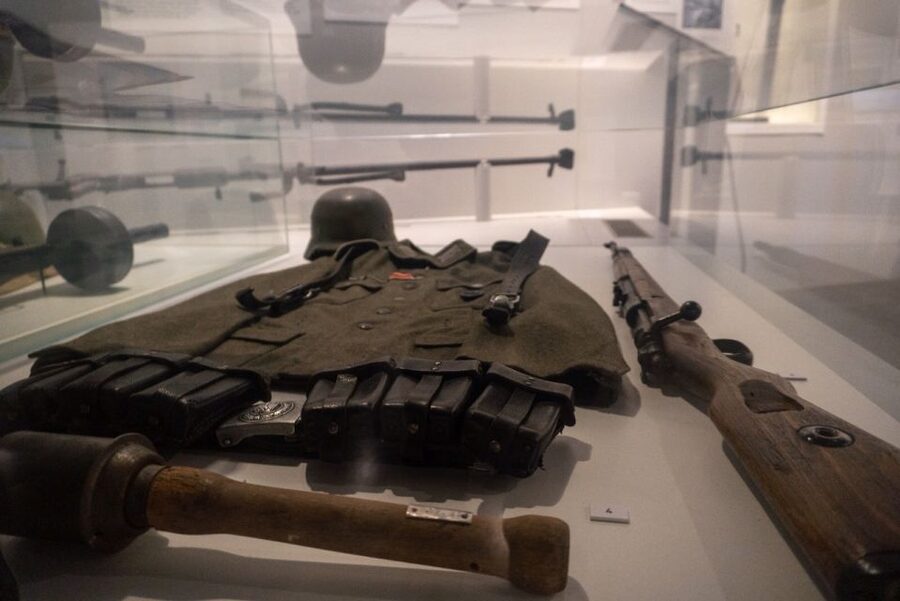
The first major stop is the Gedenkstätte and Museum Seelower Höhen. You have about 1.5 hours here, including a guided visit, free time, walking, and views of the surrounding area.
The museum is small, but that is not a weakness in this setting. It gives you a focused introduction to the battle, with artefacts and maps that help explain the positions of the Soviet and German forces. You can use this stop to build a basic timeline before heading outside.
I would pay close attention to the maps. Battlefield geography can be hard to follow if you only hear place names in the van. Seeing the defensive lines and the direction of attack first makes the later stops much easier to understand.
The museum staff are described as friendly and strongly committed to the subject. The guide adds another layer by bringing supporting materials of his own. Matt, also referred to as Matthew, is especially effective at adjusting his explanation to the group. You can ask about the Seelow battle itself, or broaden the conversation to other parts of World War II.
You also have free time at this stop, which gives you a chance to look at the displays without being rushed. Do not expect a large national museum with hours of galleries. Think of it as a compact field museum that prepares you for the outdoor portion.
Seeing the German trench positions
The tour then moves to actual German trench positions. This is one of the strongest parts of the day because it changes the battle from a map exercise into something physical.
A trench shows how defenders used the ground. It also helps you think about the experience of the attacking infantry, who had to advance through exposed areas while facing prepared positions. You can see why a seemingly short distance might become a major obstacle under fire.
The guide discusses infantry tactics and defensive operations at these stops. That practical focus adds value for anyone who already knows the basic wartime chronology but wants to understand how the fighting worked.
The terrain may not be easy for everyone. The experience is not suitable for people with mobility impairments, and comfortable shoes are essential. Even when the walking distance is manageable, outdoor ground can be uneven or muddy, especially in poor weather.
Same city, a completely different kind of day:
- Discover Berlin Half-Day Walking Tour
★ 5.0 · 9,624 reviews - Berlin: Hop-on Hop-off Bus Tour with Live Commentary
★ 4.3 · 8,579 reviews - Berlin: Government District around the Reichstag Guided Tour
★ 4.7 · 8,447 reviews - Berlin: Reichstag, Plenary Chamber, Cupola & Government Tour
★ 4.6 · 8,422 reviews
Reitwein and the smaller battle sites
Reitwein is scheduled for about 20 minutes. This is a short guided stop with walking and sightseeing, so expect a concise explanation rather than a long visit.
Short stops can be useful on a battlefield tour because they help you connect several locations without spending the whole day in one place. Reitwein forms part of the wider story, showing that the battle was spread across multiple positions rather than confined to a single monument.
You should also understand that rural battlefield sites do not always provide the same visual drama as a famous city memorial. Their importance comes from the guide’s explanation and from linking the terrain to the maps you saw earlier.
Dolgelin and the remains of tank obstacles
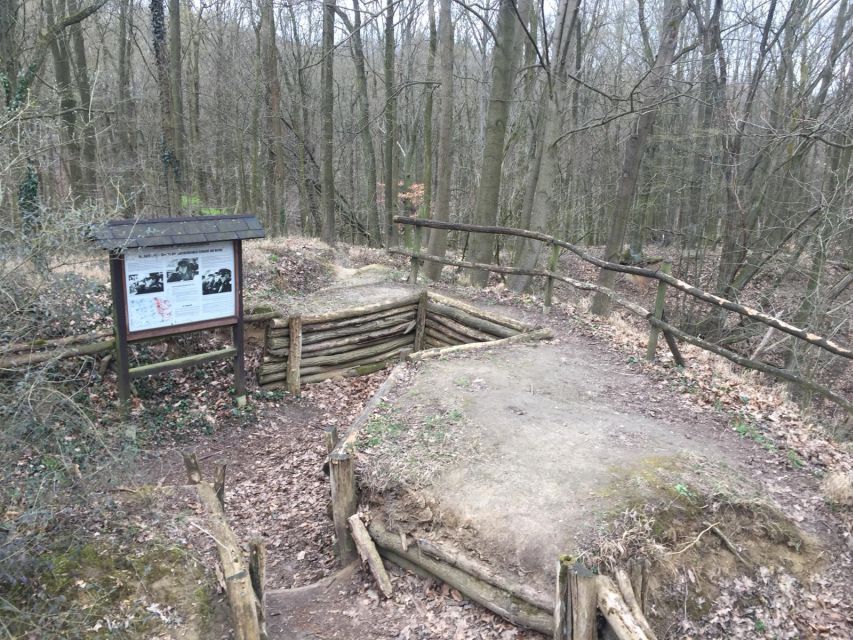
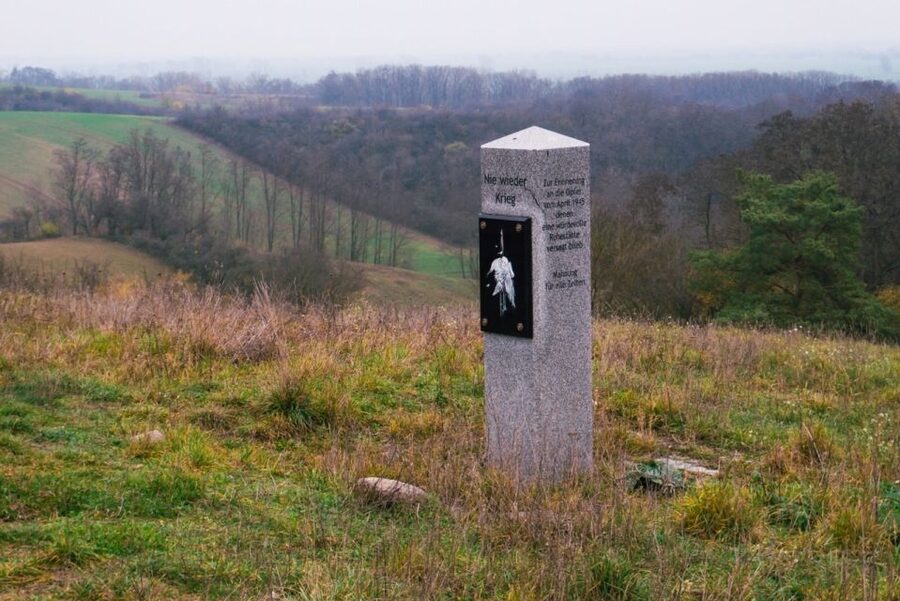
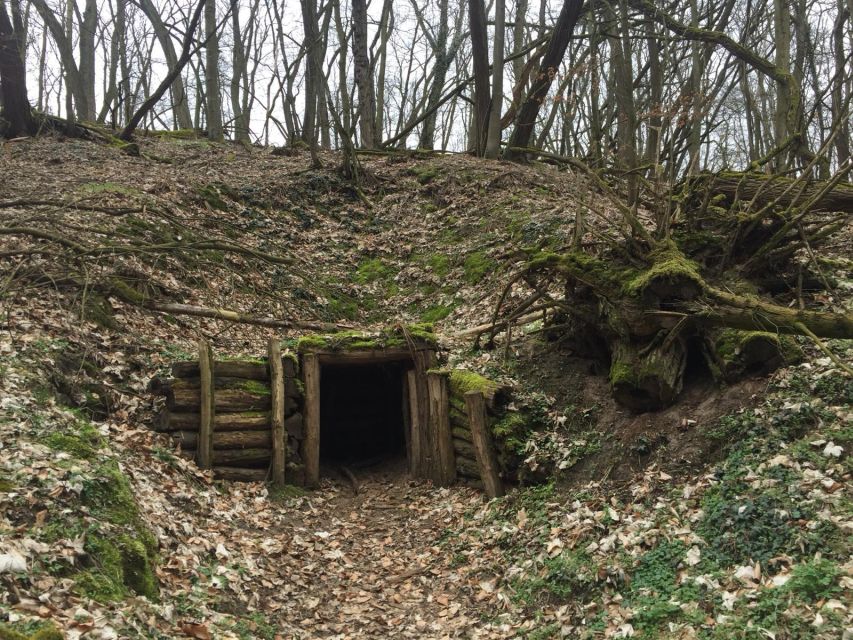
The next stop is Dolgelin, with about 45 minutes for a guided visit and walking. This is where the physical remains of tank obstacles help explain the defensive plan.
Anti-tank obstacles were designed to slow or redirect armoured vehicles, forcing them into areas where artillery or infantry could attack. Seeing remnants in person gives you a clearer sense of how defensive positions were built in layers.
The guide connects these remains to combined-arms warfare, including the relationship between tanks, infantry, artillery, and aircraft. That is an important part of the tour. The battle cannot be understood by looking only at tanks or only at soldiers in trenches. Each force affected the others.
For me, this is the sort of detail that justifies choosing a specialist battlefield outing instead of a general Berlin history tour. You are encouraged to think about movement, supply, visibility, and defensive depth. The result is more analytical than a standard sightseeing trip, but it remains accessible if your military knowledge is limited.
Jahnsfelde and the wider view
Jahnsfelde receives about one hour, making it the longest outdoor stop after the museum. You walk, listen to a guided explanation, and take in broad views of the battlefield area.
This is where the scale of the fighting becomes easier to picture. From a wider viewpoint, you can think about how large formations moved across open ground, where defenders could position themselves, and why terrain shaped the choices of both sides.
The views are not a decorative extra. They are part of the lesson. A map shows lines and arrows, but a real viewpoint helps you understand distance and visibility. You can begin to picture how commanders planned an offensive and how soldiers experienced that plan at ground level.
The stop also helps tie together the earlier locations. The museum, trenches, tank obstacles, and rural roads are not isolated sights. They form parts of one battle area, and the guide’s job is to connect them into a clear sequence.
How the guide shapes the experience
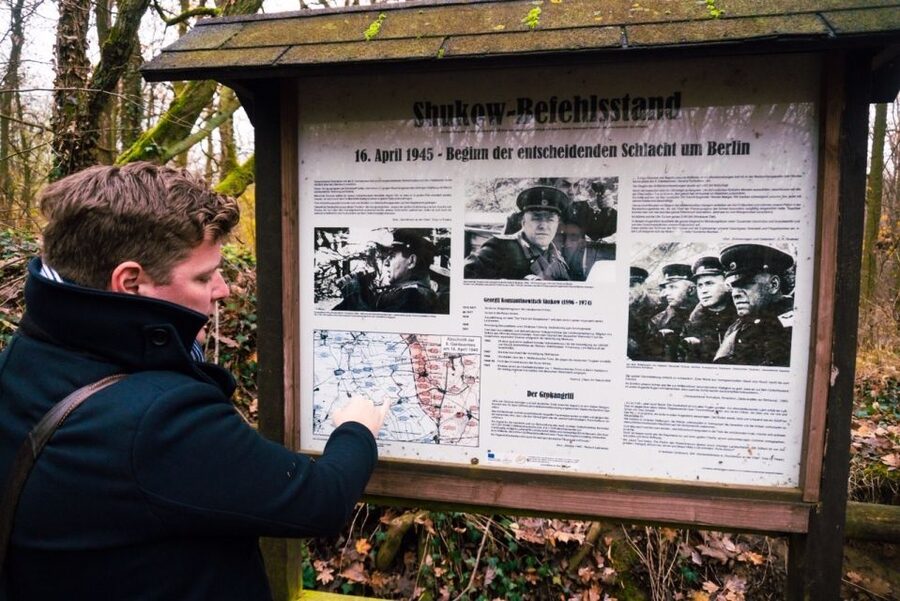
The guide is the main reason this tour suits both serious World War II enthusiasts and people with only a general interest. Matt or Matthew is described as engaging, precise, and willing to answer questions. His explanation covers the Seelow battle but can also extend into less familiar parts of World War II and the later history of the region.
That flexibility matters in a group of eight. One person may want to discuss armoured tactics, while another may need the basic political and military context. The guide has room to respond rather than delivering a fixed speech to a busload of people.
The teaching style is also practical. You learn about infantry tactics, combined arms, offensive planning, defensive operations, and smaller actions within the larger battle. This helps you understand how a major battle breaks into local struggles over roads, ridges, trenches, and fortified positions.
The tour also includes some East German communist history, according to the information provided by the guide’s past guests. That adds useful context because the site was later viewed and presented through a very different political system. The trip is therefore not limited to April 1945. It also touches on how wartime memory changed after the fighting ended.
Comfort, weather, and what to pack
The vehicle is air-conditioned and heated, which is useful because the tour runs throughout the year. The drive is long enough that comfortable transport makes a real difference.
A small bottle of water is included, but food is not. Bring snacks or a packed lunch. There is no promise of a restaurant stop, so do not rely on finding a convenient meal during the schedule.
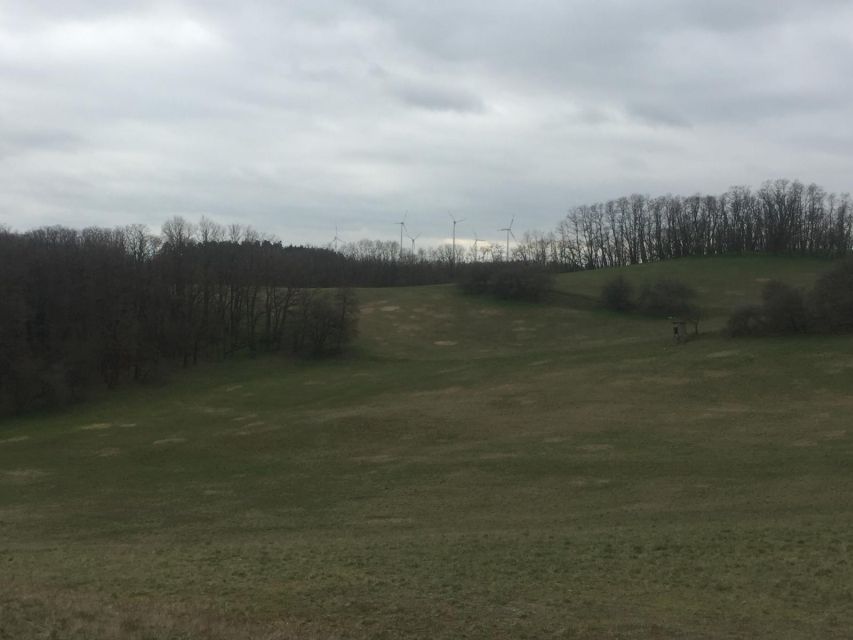
Wear comfortable shoes. You will walk at the museum, trenches, tank obstacles, and rural sites. Bring an umbrella or raincoat, too. The tour operates rain or shine, and rain ponchos are supplied if needed, but personal rain gear is still sensible.
The open terrain can feel exposed in bad weather. If the forecast is wet or cold, dress for several hours outdoors rather than for a normal city tour. This is a practical field visit, not a stop-and-go sightseeing route with indoor shelter at every location.
Is $152 a fair price?
At $152 per person, this is not the cheapest way to spend a day near Berlin. It is also not simply a transfer to Seelow. The price includes a full day of transport, an English-speaking specialist guide, a small group capped at eight, museum admission, vehicle Wi-Fi, and water.
The value depends on your alternative. If you have a rental car, strong map skills, and enough background to interpret the sites alone, you could spend less. But reaching several rural locations, understanding their connection, and finding the museum without local guidance would take planning.
The small group is a major part of the value. A battlefield site can be frustrating when the guide is too far away to hear or when questions are discouraged by a tight schedule. Here, the format allows more personal discussion.
I would consider the price fair for someone who treats this as a specialist history day. It is less suitable if you want a casual half-day outing or a broad introduction to Berlin’s wartime past.
Who should book this tour?
You should book it if you have already seen Berlin’s main World War II sights and want a more focused experience. It is also a good choice for military history fans, families with older children who enjoy serious history, and anyone curious about how a major battle looked away from monuments and museums.
You do not need to be an expert. The guide can explain the basics and then answer more detailed questions. Still, you should enjoy listening, walking, and examining terrain. The day is built around learning rather than entertainment.
I would not choose it if you have limited mobility, dislike spending 1.5 hours each way in a vehicle, or want a relaxed day with regular food and indoor breaks. The subject is also grim. The guide presents the human cost of the fighting, not just troop numbers and equipment.
Should you book the Seelow Heights tour?
Book this tour if you want to understand the final Eastern Front battles through real places, clear maps, and tactical explanation. The museum, trenches, tank obstacles, and wide battlefield views create a useful progression from overview to close-up detail.
The strongest feature is the guide’s ability to connect military facts with the ground beneath your feet. Matt or Matthew brings enough detail for a dedicated World War II enthusiast while keeping the discussion open to people who are new to the subject.
Bring snacks, wear sturdy shoes, and accept that the weather may be poor. If you do, this is a worthwhile use of a Berlin day, especially after you have covered the city’s better-known wartime sites.
FAQ
Where does the Battle for Seelow Heights tour begin?
The meeting point is at the main vehicle entrance of the Park Inn by Radisson Berlin Alexanderplatz Hotel, opposite the Burger King entrance. The guide will hold a Battle for Seelow Heights Tour sign.
How early should I arrive?
You should arrive 15 minutes before the activity begins.
How long does the tour last?
The tour lasts eight hours, including travel between Berlin and the Seelow Heights area.
How far is Seelow from Berlin?
The drive from Berlin to Seelow takes approximately 1.5 hours.
What language is the tour conducted in?
The live tour guide speaks English.
How many people are in the group?
The tour is limited to eight participants.
Is food included?
No. Food and snacks are not included, so you should bring your own snacks.
Is the tour suitable for people with mobility impairments?
No. The tour is not suitable for people with mobility impairments because it includes walking at outdoor battlefield locations.
Just added around Berlin
- Love and War in Berlin: Self-Guided Story Puzzle Walk★ 5.0 · 7 reviews
- Rickshaw Tours Berlin – Groups of up to 16 people with several rickshaws★ 4.0 · 97 reviews
- Walking on the Wall: 3-Hour Tour in Berlin★ 4.5 · 34 reviews
- eSIM for Germany and 34 European Countries★ 4.5 · 16 reviews
- Warnemuende Shore Excursion: Berlin Private Sightseeing Tour from Rostock★ 5.0 · 4 reviews
- Your ticket to The Wall Museum Berlin★ 3.0 · 60 reviews
- Warnemuende Shore Excursion: Private Berlin Tour★ 4.5 · 27 reviews
- Berlin’s Gay, Lesbian, and Queer Scene Small-Group Walking Tour★ 4.5 · 66 reviews
Berlin Tours, compared.

Reichstag, Dome and Government District Guided Tour
Read our review →
1-Hour City Tour by Boat with Guaranteed Seating
Read our review →


Reichstag, Plenary Chamber, Cupola & Government Tour
Read our review →

