
Reviewed · SEGWAY TOURS
Berlin: 2-Hour Premium Segway Tour
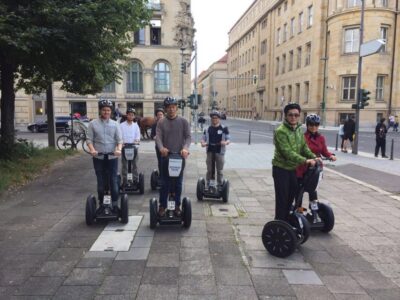
Berlin reveals itself quickly from a Segway. In two hours, you cover the Brandenburg Gate, Museum Island, Gendarmenmarkt, Checkpoint Charlie, and Potsdamer Platz without wearing out your shoes. The short training session helps first-time riders get comfortable before the group moves into the city.
I like the small groups of up to 10 and the way the route mixes famous sights with open spaces such as Tiergarten. I also like the guide-led format: guides including Nachi, Morgan, Faid, and Julio Cesar Rodriguez Franco have been praised for clear explanations, a steady pace, and time for photos.
The tradeoff is simple: this is an overview, not a close study of Berlin’s museums or Cold War sites. You’ll pass many places and stop for context, but you won’t go inside the museums, and the Segway requires balance and attention around city streets.
In This Review
- Key points at a glance
- Why a Segway works well for Berlin
- Getting started at Claire-Waldoff-Straße 6
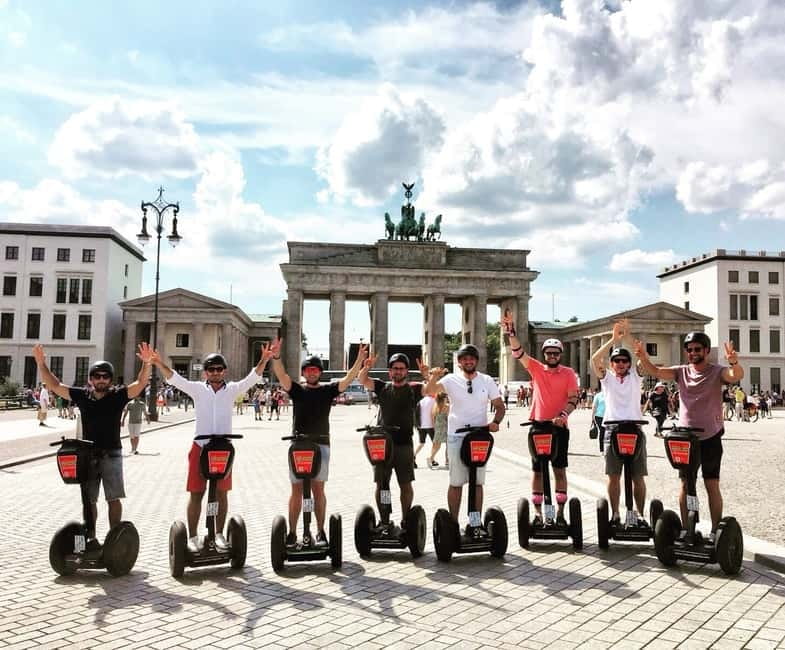
- Brandenburg Gate, Berlin’s essential first stop
- Museum Island from the outside
- Gendarmenmarkt and Berlin’s grand architecture
- The government district and Berlin’s modern face
- A green pause through Tiergarten
- Berlin Palace and the city’s imperial past
- Checkpoint Charlie and the Cold War story
- Potsdamer Platz and the final change of pace
- What the $78 price gets you
- Who will enjoy this Berlin Segway tour
- My booking advice
- FAQ
- How long is the Berlin Premium Segway Tour?
- Where does the tour begin?
- Where does the tour end?
- What landmarks does the tour visit?
- Is Segway training included?
- How large is the group?
- Which languages are available?
- What should I bring?
- Can I cancel for a refund?
Key points at a glance

- A quick orientation to central Berlin: Visit major sights in a compact two-hour route.
- Training comes first: You receive Segway instructions and time to practice before setting off.
- Small group format: No more than 10 people makes it easier to hear the guide and keep the group together.
- A strong mix of old and new Berlin: See historic monuments, government buildings, modern Potsdamer Platz, and green Tiergarten.
- Useful guide commentary: Guides such as Nachi, Morgan, Faid, and Julio Cesar Rodriguez Franco have been singled out for friendly explanations and good pacing.
- Good for first-time city orientation: The tour helps you decide which areas deserve a longer visit later.
Why a Segway works well for Berlin
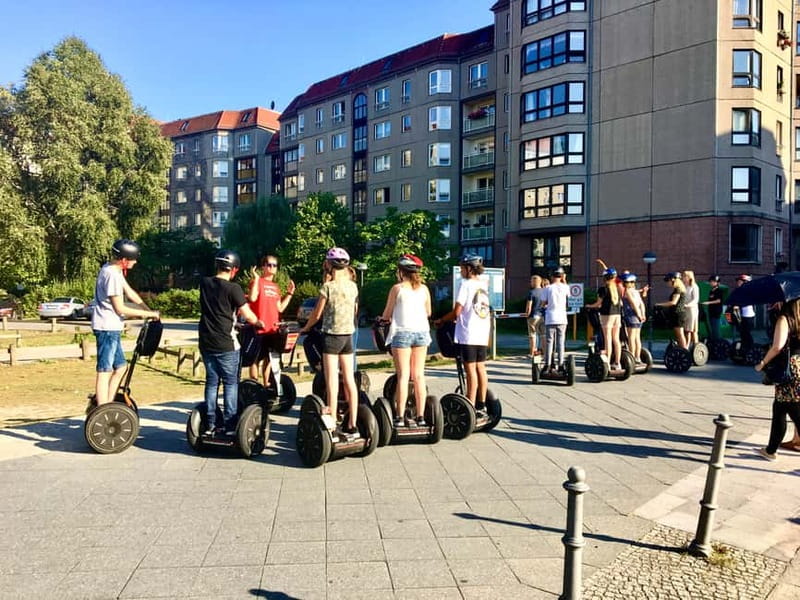
Berlin is spread out. The Brandenburg Gate, Museum Island, Checkpoint Charlie, and Potsdamer Platz are all central, but they are not next door to one another. A Segway gives you more reach than a walking tour while keeping you close enough to see the streets, façades, and public spaces around each stop.
The vehicle also changes the feel of the outing. You are not sitting behind glass on a bus, and you are not rushing from one address to the next by taxi. You glide between stops with the city around you, then pause while the guide fills in the setting.
That said, a Segway is not a sightseeing shortcut with no learning curve. You control the machine by shifting your weight, so you need to pay attention during the practice session and while riding. The orientation is a real part of the tour, not wasted time.
The experience includes the modern Segway, helmet, liability insurance, and instruction. Food and drinks are not included, so plan to eat before or after the tour rather than expect a snack break during the two hours.
More Segway Tours in Berlin
- Berlin 2-Hour Segway Tour
★ 4.6 · 238 reviews - 2-Hour Segway Discovery Tour Berlin
★ 5.0 · 154 reviews - Berlin Small Group Segway Adventure: Explore in 2 Hours!
★ 4.5 · 140 reviews
Getting started at Claire-Waldoff-Straße 6
The tour begins at the office on Claire-Waldoff-Straße 6, 10117 Berlin, and returns there at the end. You should bring a passport or ID card, as requested for the activity.
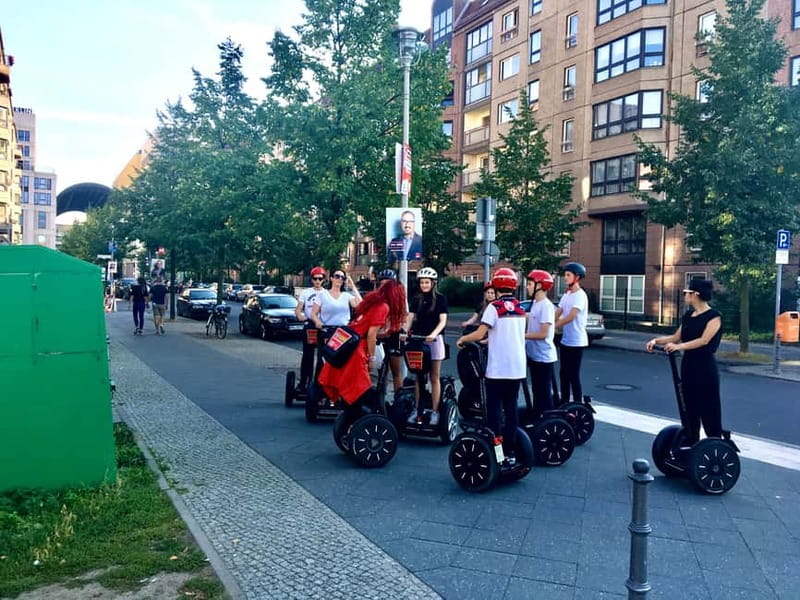
The first step is a briefing on how to ride and control the Segway. You get time to become familiar with the machine before heading out. This matters, especially if you have never used one. The early practice gives you a chance to find your balance and understand how to start, stop, and turn under supervision.
The small group limit helps here. With no more than 10 participants, the guide can keep an eye on the group during the initial practice and answer questions without turning the session into a crowded equipment line.
The guides speak German and English. Several named guides have received especially strong praise for the human side of the tour. Nachi has been described as a good teacher who explains the Segway clearly. Morgan has been praised for checking that everyone kept up, while Faid was noted for answering questions well and speaking English clearly. Julio Cesar Rodriguez Franco has been praised for his energy, friendliness, and wide-ranging explanations.
Your actual guide may differ, of course, but these comments point to what matters most on a moving city tour: clear instruction, a manageable pace, and attention to the slowest rider.
Brandenburg Gate, Berlin’s essential first stop
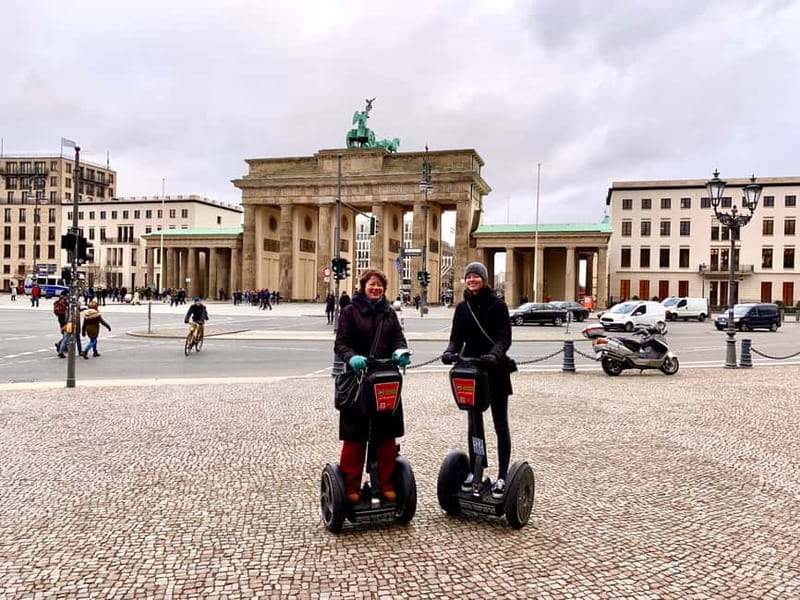
The Brandenburg Gate is the natural opening landmark. This neoclassical monument is one of Berlin’s best-known symbols, and it gives the guide a useful place to explain the city’s changing political story.
You should expect time to stop, look, and take photographs. The gate is not merely a quick backdrop before moving on. Its appearance has been tied to major moments in German history, and the guide provides anecdotes about its role during those changes.
The value here is orientation. If Berlin is new to you, the Brandenburg Gate helps place the surrounding central district in your mind. It is also a good early photo stop, before you have settled fully into the rhythm of riding.
Do not expect a long historical lecture. A two-hour tour has to keep moving, and the information is designed to give you a useful framework rather than cover every chapter of the city’s past.
Museum Island from the outside
Next comes Museum Island, the UNESCO World Heritage site in the Spree River area. The tour passes the impressive museum façades and explains the cultural role of the five museums located there.
This is a useful distinction to keep in mind: you see the museum buildings from the route, but museum admission is not part of the experience. If you want time with the collections, you will need to return separately.
I like this stop because the exteriors tell part of the story. Even without entering, you get a sense of the scale and purpose of the island’s institutions. The guide can point out the different buildings and explain why this concentrated group of museums matters to Berlin.
The drawback is time. Museum Island rewards a slow visit, while the Segway tour offers a quick introduction. Treat this pass as a preview and note which museum you want to explore later.
Same city, a completely different kind of day:
- Berlin: Reichstag, Dome and Government District Guided Tour
★ 4.7 · 18,288 reviews - Berlin: 1-Hour City Tour by Boat with Guaranteed Seating
★ 4.3 · 16,993 reviews - Berlin: Boat Tour Along the River Spree
★ 4.4 · 11,252 reviews - Discover Berlin Half-Day Walking Tour
★ 5.0 · 9,624 reviews
Gendarmenmarkt and Berlin’s grand architecture
Gendarmenmarkt brings a different mood. The square is framed by the German Cathedral, the French Cathedral, and the Concert House, creating one of the tour’s strongest architectural stops.
This is a place to pause for photographs and take in the proportions of the square. The buildings form a neat contrast to Berlin’s more scattered urban character, and the guide explains the setting while you look around.
For me, the appeal is variety. The route does not simply string together famous monuments. It also gives you a handsome public square where the pleasure comes from architecture, space, and the chance to watch Berlin life unfold around the buildings.
Again, the visit is external. You will not have time to explore each building inside during this tour. If grand interiors or concerts are high on your list, use the stop to mark Gendarmenmarkt for a later visit.
The government district and Berlin’s modern face
The route continues through the government district, where modern architecture sits beside older buildings. This contrast is one of Berlin’s defining visual traits, and it gives the guide a chance to explain how the city has been reshaped.
The modern structures can feel quite different from the neoclassical Brandenburg Gate or the historic façades on Museum Island. Seeing them in one continuous ride helps you understand that Berlin is not a city with one fixed architectural identity.
You also get a moving view of public spaces and government buildings rather than a single monument in isolation. The guide’s commentary is especially useful here because the buildings may not explain themselves to a first-time visitor.
The group’s pace matters in this section. A good guide needs to let the group see enough without allowing the route to drag. The feedback about Morgan checking that everyone was keeping up is exactly the sort of practical care you want on a ride through a busy city area.
A green pause through Tiergarten
Tiergarten gives the tour a welcome change of pace. This large central park brings trees, gardens, and quieter paths into a route otherwise filled with monuments, squares, and major streets.
You can enjoy the breeze and greenery while still moving through central Berlin. It is a reminder that the city is not only walls and memorials. The park offers breathing room and a more relaxed stretch of riding.
This section may be one of the easiest for beginners because it feels less visually crowded than the major landmark areas. Still, you remain responsible for controlling the Segway and following the guide’s instructions.
Tiergarten is also a good example of why the tour works better than a strict monument checklist. You get the city’s public parks as well as its symbolic buildings, and the change in surroundings keeps the two-hour ride from feeling repetitive.
Berlin Palace and the city’s imperial past
The route passes the restored Berlin Palace, bringing imperial Berlin into the picture. The building adds another layer to the city’s story, especially after the modern government district and open spaces of Tiergarten.
You should think of this as another external sight and commentary stop, not a palace tour. The guide helps connect the building to Berlin’s older civic and royal identity, while the rest of the route keeps the focus on the city as a whole.
This is where a live guide earns the price of admission. A building can look impressive, but a short explanation gives it meaning and helps you decide if you want to return for a longer look.
Checkpoint Charlie and the Cold War story
Checkpoint Charlie is one of the most important stops for understanding divided Berlin. It was a border crossing between East and West Berlin during the Cold War, and the guide explains its significance and effect on daily life in the city.
The stop is especially valuable if you are visiting Berlin for the first time. The name is familiar, but the physical place makes the division easier to picture. You can pause, reflect, and take photographs before continuing.
The tour format also keeps the visit focused. You get historical context and a look at the site, but not a long museum treatment. If Cold War history is your main reason for visiting Berlin, you will want additional time elsewhere after the tour.
Still, placing Checkpoint Charlie in the same route as the Brandenburg Gate, Berlin Palace, and Potsdamer Platz gives you a useful timeline. You move from imperial history to division and then into the rebuilt city.
Potsdamer Platz and the final change of pace
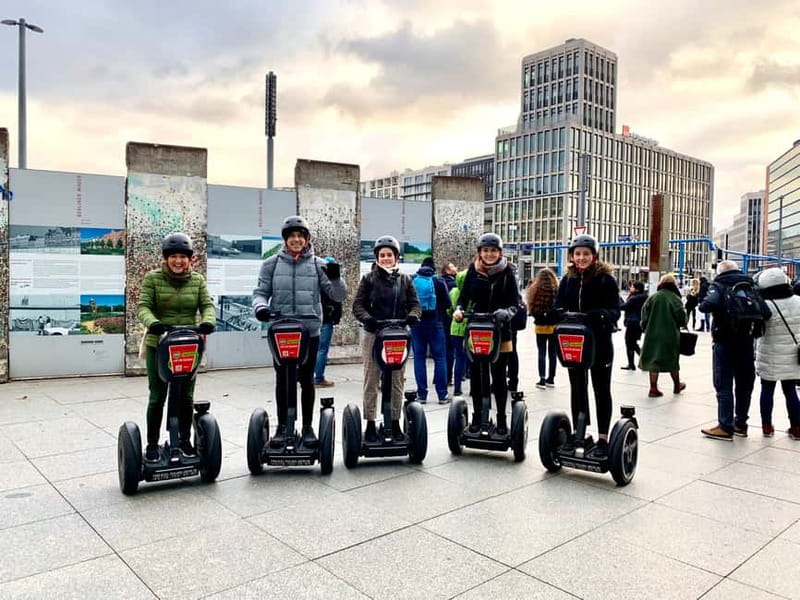
The final major stop is Potsdamer Platz, a busy square filled with shops, restaurants, and striking modern buildings. It presents a very different Berlin from the quiet paths of Tiergarten or the formal architecture of Gendarmenmarkt.
Potsdamer Platz is a strong ending because it shows the city looking forward. The area’s modern design and commercial energy contrast with the older monuments visited earlier, making the whole route feel like a quick tour through several versions of Berlin.
There is time for photographs, but this is not a shopping or dining stop. Food and drinks are not included, and the activity ends back at the Claire-Waldoff-Straße office. If you want to linger at the square, plan to return on your own after the Segway ride.
What the $78 price gets you
At $78 per person, this is not the cheapest way to see Berlin. Its value depends on how much you want to cover and how much you value guided context.
You are paying for two hours of equipment use, a helmet, training, liability insurance, and a professional local guide. You also save the effort of planning a route between several central sights. For a first day in Berlin, that can be useful: you see the major areas and learn where you may want to return.
The small group size strengthens the value. A limit of 10 people is more personal than a large coach tour, and it gives the guide a better chance to answer questions and manage the pace. The named guides praised for clear instruction and friendly conversation also suggest that the quality of the guide can shape the experience significantly.
The price is harder to justify if you want detailed time at one site. Museum Island, Checkpoint Charlie, and Gendarmenmarkt all deserve longer visits than this route allows. You are buying breadth and movement, not entry tickets or extended interpretation.
I would compare it with your schedule. If two hours on a Segway can replace a longer walk and help you get your bearings, $78 may be fair. If you already know Berlin well or prefer slow museum visits, spend the money elsewhere.
Who will enjoy this Berlin Segway tour
This tour suits you best if you want a fast first look at central Berlin and like the idea of moving between sights in an unusual way. It is also a good fit for a short visit, since the route covers many major landmarks in one compact outing.
It works for first-time Segway riders because training and practice come before the city route. The positive comments about how easy the machines felt after the introduction are encouraging, though you still need to be comfortable standing, balancing, and paying attention while riding.
The experience is less suitable if you want a quiet, highly detailed history tour or a full visit to the museums. It is also listed as not suitable for pregnant women.
Bring your passport or ID card. Choose German or English when booking, check the available starting times, and leave room in your schedule for the two-hour activity plus time before or after to eat, since food and drinks are not provided.
Free cancellation is available up to 24 hours in advance for a full refund, and you can reserve now and pay later. Those terms help if your Berlin plans are still shifting.
My booking advice
Book this tour if you want to cover a lot of central Berlin, enjoy a little motion and novelty, and prefer a guide to handle the route and historical background. The combination of a small group, practice time, and stops at the Brandenburg Gate, Museum Island, Gendarmenmarkt, Tiergarten, Checkpoint Charlie, and Potsdamer Platz gives you a useful first pass through the city.
I would skip it if your main goal is entering museums, studying one historical site in detail, or moving at a slow walking pace. For everyone else, especially on a short visit, the Segway format offers a practical way to see how Berlin’s imperial, divided, modern, and green sides fit together.
FAQ
How long is the Berlin Premium Segway Tour?
The tour lasts two hours. Starting times vary, so you need to check availability when booking.
Where does the tour begin?
It begins at the office on Claire-Waldoff-Straße 6, 10117 Berlin.
Where does the tour end?
The activity ends back at the same meeting point on Claire-Waldoff-Straße 6.
What landmarks does the tour visit?
The route includes the Brandenburg Gate, Museum Island, Gendarmenmarkt, the government district, Tiergarten, the restored Berlin Palace, Checkpoint Charlie, and Potsdamer Platz.
Is Segway training included?
Yes. The activity includes training and instructions before the group sets off, along with time to become familiar with the Segway.
How large is the group?
The tour is limited to 10 participants.
Which languages are available?
The live guide operates in German and English.
What should I bring?
Bring a passport or ID card. A helmet and Segway are provided.
Can I cancel for a refund?
Yes. You can cancel up to 24 hours in advance for a full refund. You can also reserve now and pay later.
More 2-Hour Experiences in Berlin
- Berlin: Third Reich and Cold War 2 Hour Walking Tour
★ 4.9 · 6,830 reviews - Berlin’s Best: 2 Hour Walking Tour Third Reich and the Cold War
★ 5.0 · 5,486 reviews - Berlin: 2-Hour Lake Oberhavel Cruise from Tegel
★ 4.4 · 577 reviews - East Berlin and the Berlin Wall 2-Hour Walking Tour
★ 5.0 · 228 reviews
Just added around Berlin
- Love and War in Berlin: Self-Guided Story Puzzle Walk★ 5.0 · 7 reviews
- Rickshaw Tours Berlin – Groups of up to 16 people with several rickshaws★ 4.0 · 97 reviews
- Walking on the Wall: 3-Hour Tour in Berlin★ 4.5 · 34 reviews
- eSIM for Germany and 34 European Countries★ 4.5 · 16 reviews
- Warnemuende Shore Excursion: Berlin Private Sightseeing Tour from Rostock★ 5.0 · 4 reviews
- Your ticket to The Wall Museum Berlin★ 3.0 · 60 reviews
- Warnemuende Shore Excursion: Private Berlin Tour★ 4.5 · 27 reviews
- Berlin’s Gay, Lesbian, and Queer Scene Small-Group Walking Tour★ 4.5 · 66 reviews
Segway Tours, compared.
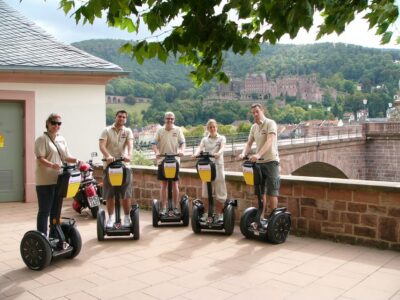
Heidelberg & Neckar Valley: Segway Tour – 360 Degrees
Read our review →
Munich 3-Hour Segway Tour: Nazi Munich & Royal Architecture
Read our review →

Browse the lists this tour appears in