
Reviewed · BERLIN TOURS
Berlin: 2.5-Hour Neighborhood Tour of Neukölln
Neukölln makes a fine antidote to Berlin’s postcard circuit. This 2.5-hour walk links the district’s old village core, working-class housing, grand civic buildings, and multicultural present. I especially like the way it reaches both the polished Town Hall and the less expected former prison, then carries on to Rollberg and the Bohemian village around Richardplatz.
I also like the strong architectural focus and the chance to hear the story from a local guide such as Tobias, whose relaxed approach and personal explanations have made this tour especially enjoyable. The main consideration is pace: you cover many places in 150 minutes, so this is better for seeing and understanding a neighborhood than for entering every building.
In This Review
- Key points to know before you book
- Why Neukölln rewards a dedicated walking tour
- Starting with Neukölln’s civic face
- Rollberg and the realities of working-class housing
- The old public pool and Saalbau Neukölln
- Karl-Marx-Strasse and the arcade
- Richardplatz and the village of Bohemian Rixdorf
- Bethlehem Church and the final historical layer
- What the guide adds to the experience
- Price, duration, and practical value
- Who should book this Neukölln walk
- Should you book the Neukölln neighborhood tour?
- FAQ
- How long is the Neukölln neighborhood tour?
- How much does the tour cost?
- Which languages are available?
- Who may guide the tour?
- What places does the tour visit?
- Are food and drinks included?
- Can I cancel the booking?
Key points to know before you book
- Bohemian Rixdorf gives the tour its oldest roots: Richardplatz and Bethlehem Church reveal a village-like side of Neukölln shaped by Protestant refugees.
- The route covers more than famous façades: You see a former prison, old district court, public pool, Saalbau Neukölln, and the Karl-Marx-Strasse arcade.
- Rollberg adds a social and architectural layer: Learn how the proletarian residence district developed and see the notable housing complex on Innstrasse.
- The tour connects past and present: Neukölln’s change from Rixdorf to a multicultural Berlin district becomes the central story.
- Tobias may be your guide: He leads in German or English and is known for clear background information, an easy manner, and lively communication.
- The price is modest for a private-feeling city walk: At $23 per person, the value is strongest if you want context rather than simply a list of sights.
Why Neukölln rewards a dedicated walking tour
Neukölln is often treated as a modern, multicultural part of Berlin, but that description leaves out much of the story. The district grew from older settlements, religious communities, civic ambition, industrial development, and working-class housing. This walk lets you see those layers close together.
The name itself tells you something. Rixdorf was renamed Neukölln in 1912 with the approval of Wilhelm II. The change was tied to reputation. Rixdorf had become associated with entertainment and frivolity, and officials wanted a more respectable public image for the city south of Berlin.
That reputation was only one chapter. Earlier, religious life shaped the area in a very different way. Protestant refugees from Bohemia, known as Bohemian Exulanten, settled alongside German residents in the 18th century. Around Richardplatz, that older story still feels tangible in the village-like setting and the surviving buildings.
I like this kind of tour because it gives you a way to read the city. You are not just looking at façades. You are asking why a district changed its name, why a village survived inside a large city, and how housing and public buildings reflect the people who lived there.
Other Berlin days worth putting on the list:
- Berlin: Reichstag, Dome and Government District Guided Tour
★ 4.7 · 18,288 reviews - Berlin: 1-Hour City Tour by Boat with Guaranteed Seating
★ 4.3 · 16,993 reviews - Berlin: Boat Tour Along the River Spree
★ 4.4 · 11,252 reviews
Starting with Neukölln’s civic face
The old district court and former prison offer an early reminder that Neukölln was not simply a village absorbed by Berlin. It developed its own institutions and civic identity. These buildings connect the neighborhood to law, administration, and the everyday machinery of a growing city.
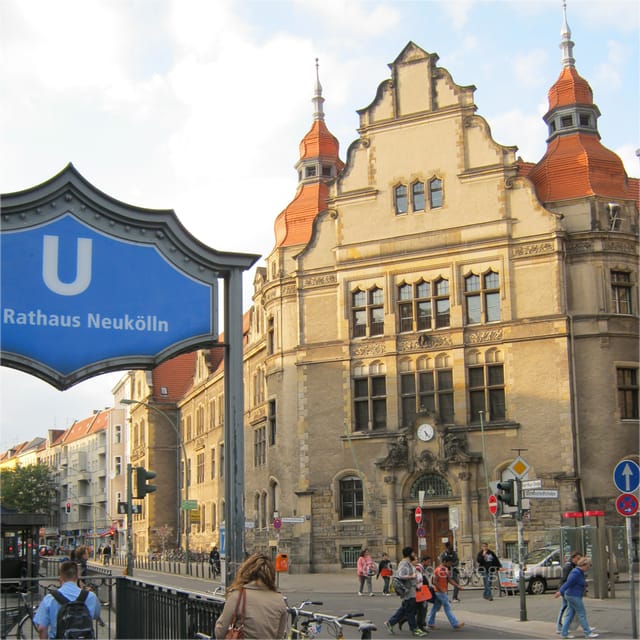
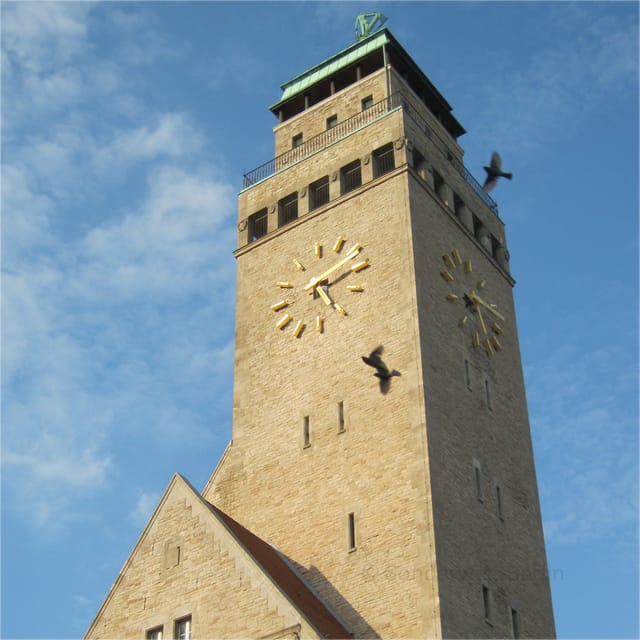
You will also see Neukölln Town Hall, one of the tour’s major architectural highlights. Its size and formal design reflect civic confidence. A town hall is more than a pretty building: it tells you that local government wanted to present the district as important, stable, and worthy of public investment.
A guide can make this part more useful by explaining how the buildings fit into Neukölln’s development rather than treating them as isolated sights. Tobias is noted for bringing in details such as the city coat of arms and the way the city grew. That sort of extra context is valuable because it turns a quick look at stone and ornament into a clearer picture of local identity.
You should expect to view these places from outside unless your specific booking says otherwise. The experience is a walking tour, not a series of interior visits, so bring your attention to the architecture and the stories attached to it.
Rollberg and the realities of working-class housing
The Rollberg area shifts the focus from public power to ordinary housing. Here you learn about the proletarian residence district and see the housing complex on Innstrasse, including its distinctive atrium-style design.
This is one of the most useful parts of the route for anyone interested in Berlin’s social history. Housing tells you how a city dealt with growth, density, income, and community life. The buildings on Innstrasse are not just background scenery. Their layout and architecture show attempts to create a livable residential setting for a large urban population.
The atrium houses are particularly worth slowing down for. Their design gives the housing complex a strong internal character, rather than presenting only a long street-facing block. You might find the contrast striking: the area carries a working-class history, yet its architecture shows careful thought about how residents would use shared space.
The tour also gives you a chance to understand Neukölln without reducing it to stereotypes. A neighborhood shaped by poverty, migration, and urban change can also contain thoughtful design and strong local identity. I appreciate that balance. You get social context without being asked to look at the district through only one lens.
The Rollberg section may be less immediately familiar than central Berlin’s monuments, which is precisely why a guide helps. Without explanation, you could walk past the housing complex and miss the reasons it matters.
The old public pool and Saalbau Neukölln
The façade of the old Neukölln public pool adds another piece to the district’s civic story. Public pools were practical institutions, but their buildings could also express municipal pride. The façade gives you a chance to consider how public services were presented to residents and how architecture shaped daily life.
This is a good example of the tour’s range. You are not being taken only to palaces, churches, and grand squares. You see a place built for ordinary recreation and public use. That makes the route feel closer to the life of the neighborhood.
Saalbau Neukölln brings culture into the picture. As a cultural venue, it helps show how the area supports performance and public life beyond its administrative buildings and residential streets. Depending on the exact route and timing, your guide may explain its role and architectural character from the outside.
The sequence from court to town hall, public pool, and cultural building creates a useful pattern. Neukölln’s identity was built through institutions. Law, government, recreation, and culture all helped shape the district. I find that more revealing than a tour that simply strings together attractive buildings.
Same city, a completely different kind of day:
- Discover Berlin Half-Day Walking Tour
★ 5.0 · 9,624 reviews - Berlin: Hop-on Hop-off Bus Tour with Live Commentary
★ 4.3 · 8,579 reviews - Berlin: Government District around the Reichstag Guided Tour
★ 4.7 · 8,447 reviews - Berlin: Reichstag, Plenary Chamber, Cupola & Government Tour
★ 4.6 · 8,422 reviews
Karl-Marx-Strasse and the arcade
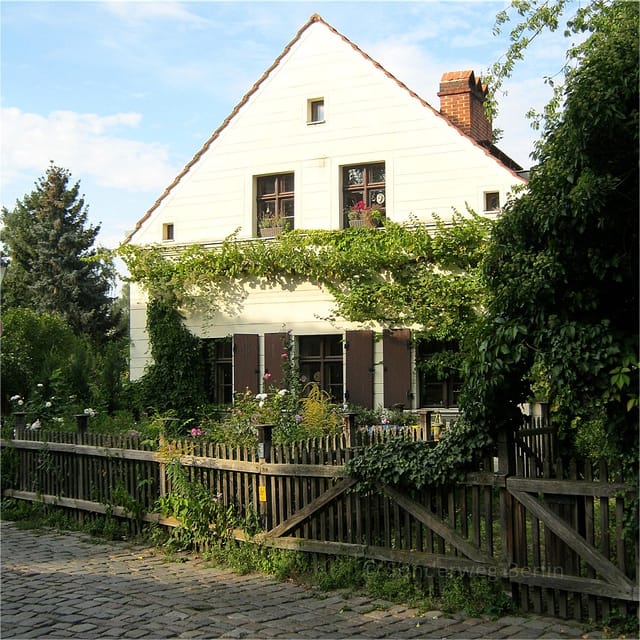
Karl-Marx-Strasse gives the walk a more commercial and urban setting. The arcade here offers an architectural detail that might be easy to miss if you were shopping or simply passing through. Look up and around as you walk. The point is not only the street itself but the way the arcade fits into the district’s commercial life.
This section helps connect the older sites with Neukölln as it functions today. Streets change use, shops change hands, and populations shift, but the built setting often keeps clues from earlier periods. A local guide can point out those connections while you are standing in the middle of an active city street.
You should not expect a quiet museum-like stop here. Karl-Marx-Strasse is part of the living neighborhood, and that is part of its appeal. The tradeoff is that the surroundings may feel less calm than Richardplatz or the older residential areas. If you enjoy seeing a district as people use it now, this is a plus. If you want uninterrupted architectural photography, it may require patience.
The tour’s $23 price makes particular sense here. A guide adds value by directing your eye to details that are easy to overlook, then explaining how the commercial street relates to the larger story of Neukölln.
Richardplatz and the village of Bohemian Rixdorf
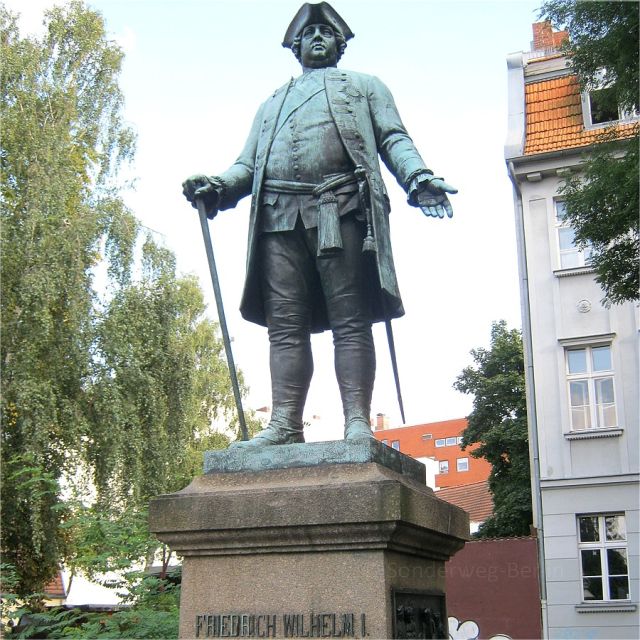
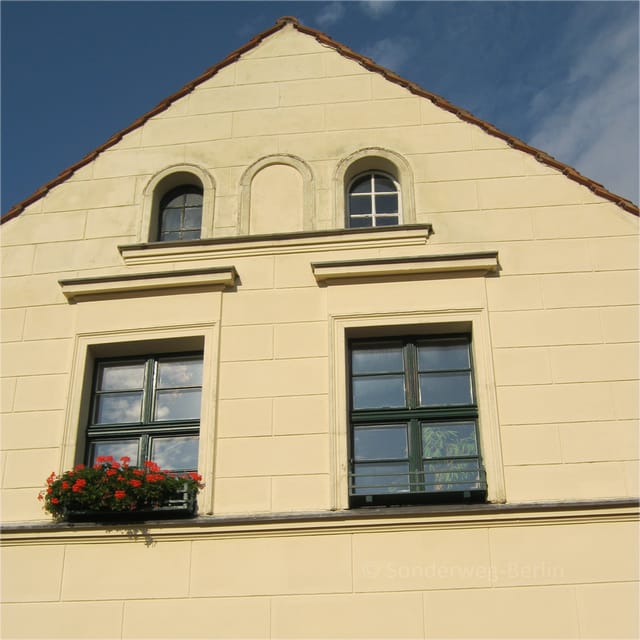
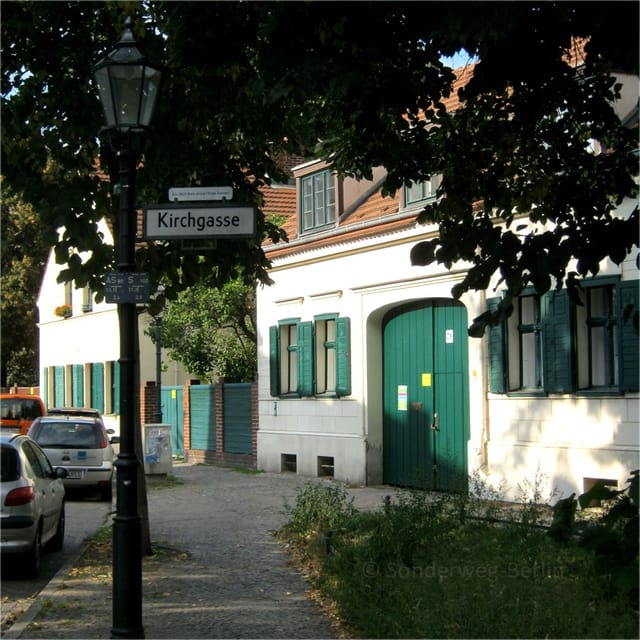
Richardplatz is the emotional center of the walk. Here, modern Neukölln gives way to a setting with a village-like feel. The square and surrounding streets preserve the memory of Rixdorf and its Bohemian settlers, even though the neighborhood is now part of a large and changing city.
The story of the Bohemian Exulanten gives this stop real weight. These Protestant refugees settled here alongside the German population in the 18th century. Their religious faith and puritan values shaped everyday life, creating a community with a very different character from the later image of Rixdorf as a place of entertainment.
That contrast is one of the tour’s best ideas. A name can carry a reputation, and a reputation can hide earlier realities. By walking through Richardplatz, you see how a district can hold several identities at once: rural settlement, religious refuge, working-class suburb, entertainment center, and multicultural urban neighborhood.
The setting is also a welcome change after the larger civic and commercial buildings. I like having a quieter, more intimate place near the end of a city walk. It gives you time to connect the earlier explanations with a physical place that still feels distinct.
Bethlehem Church and the final historical layer
Bethlehem Church on Richardplatz brings the Bohemian story into focus. Its connection to the refugee community makes it more than another church façade. It represents the religious roots that helped shape this part of Neukölln before the district became known for other reasons.
You may not spend a long time inside. The information provided for the tour does not promise an interior visit, so think of the church primarily as a significant stop and a chance to understand the community that formed around it.
This is where the tour’s movement from the Middle Ages to the present becomes clearest. You begin with old civic and local structures, pass through working-class housing and public institutions, and end with the religious settlement that helps explain why Rixdorf existed in the first place.
The route does not offer a single tidy version of Neukölln. Instead, it shows how different groups and periods remain visible side by side. That is a more honest way to approach Berlin, a city where history often appears in fragments rather than in one perfectly preserved quarter.
What the guide adds to the experience
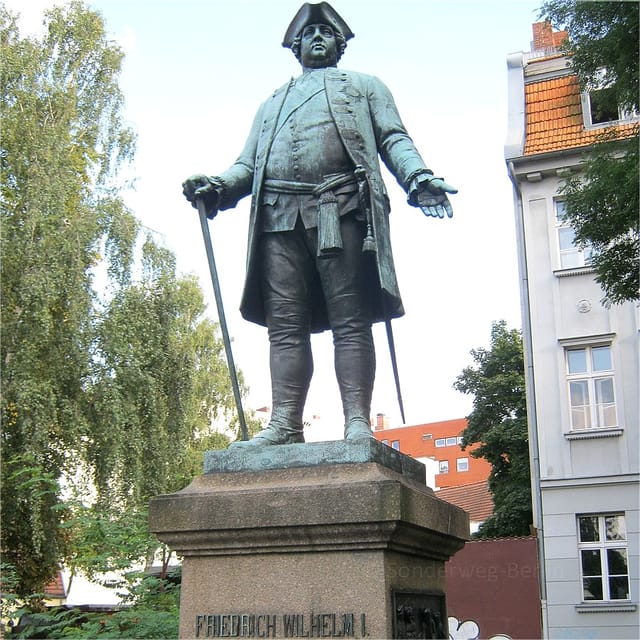
The guide matters here because many of the stops need explanation. A former prison, housing complex, public pool, or commercial arcade may not tell its own story at a glance. You need someone to supply the connections.
Tobias is one guide associated with this experience. His tours are offered in German and English, and his style is described as personal, relaxed, and communicative. He has also led very small groups, including a booking with only two participants. That can make the walk feel more like a conversation than a standard city tour, though group size can vary.
You can expect historical background, urban development, and details such as the city coat of arms to enter the discussion. Tobias also brings an occasional wink to the subject, which helps keep a history-heavy route from becoming a lecture.
Do not book this expecting a scripted parade of famous attractions. The strength is the guide’s ability to make less obvious places meaningful. Ask questions as you go. The tour seems especially suited to people who like talking about how cities work, not only photographing their best-known buildings.
Price, duration, and practical value
At $23 per person, this is an affordable way to spend 2.5 hours in Berlin. The value is strongest if you want a focused introduction to Neukölln and would otherwise walk past many of these places without knowing their importance.
You are paying for a live guide rather than admissions, meals, or transport. Personal expenses, food, and drinks are not included. Since the route is a walking experience, wear comfortable shoes and consider bringing water, especially if the weather is warm.
The duration is long enough to cover the main story but short enough to fit into a larger Berlin plan. You could schedule it on a day when you want to explore the south of the city, then continue your own time around Neukölln afterward.
The meeting point can vary with the option you choose. If you are arranging a custom outing for your group, a date, time, and meeting place can be requested when booking. Check those details carefully before setting your day around the tour.
The activity is listed as wheelchair accessible. Since the route includes streets, civic buildings, housing areas, and public spaces, it is still sensible to confirm the exact meeting point and route details for your needs.
Free cancellation is available up to 24 hours before the start for a full refund. You can also reserve now and pay later, which helps if your Berlin schedule is still taking shape.
Who should book this Neukölln walk
I would choose this tour if you have already seen central Berlin and want to understand another part of the city. It also works well early in your visit if you want a local framework before exploring Neukölln on your own.
The experience suits:
- First-time visitors who want more than Berlin’s major monuments
- Repeat visitors looking for neighborhood history
- Architecture fans interested in public buildings and housing design
- People curious about migration, religion, and urban development
- Small groups who prefer a conversational guide
- Visitors comfortable spending 2.5 hours walking and looking closely
It may be less suitable if you want a food tour, extensive interior access, or a short list of only famous sights. Food and drinks are not included, and the focus is on explanation and observation.
Should you book the Neukölln neighborhood tour?
Book it if you want to see how Neukölln grew from Bohemian Rixdorf into a large, multicultural Berlin district. The mix of Town Hall architecture, the former prison, Rollberg housing, the old public pool, Karl-Marx-Strasse, and Richardplatz gives you a broad view in a compact time.
I would especially recommend it to repeat visitors and curious first-time visitors who enjoy local stories more than headline sights. At $23, the tour offers solid value, particularly when Tobias is leading a small group and can explain details in a personal way.
Skip it only if your priority is indoor sightseeing or a relaxed, unstructured stroll. This walk covers a lot of ground and depends on the guide to bring the buildings and streets to life. For a clear, affordable introduction to Neukölln’s architecture and past, it is a smart choice.
FAQ
How long is the Neukölln neighborhood tour?
The walking tour lasts 2.5 hours.
How much does the tour cost?
The listed price is $23 per person.
Which languages are available?
The tour is offered in German and English.
Who may guide the tour?
Tobias is one of the guides associated with the experience. The booking includes an expert live guide.
What places does the tour visit?
Stops include the old district court and former prison, Neukölln Town Hall, Rollberg, the housing complex on Innstrasse, the old Neukölln public pool, Saalbau Neukölln, the arcade on Karl-Marx-Strasse, Bohemian Rixdorf, and Bethlehem Church on Richardplatz.
Are food and drinks included?
No. Food, drinks, and personal expenses are not included.
Can I cancel the booking?
Yes. You can cancel up to 24 hours in advance for a full refund. You can also reserve now and pay later.
Just added around Berlin
- Love and War in Berlin: Self-Guided Story Puzzle Walk★ 5.0 · 7 reviews
- Rickshaw Tours Berlin – Groups of up to 16 people with several rickshaws★ 4.0 · 97 reviews
- Walking on the Wall: 3-Hour Tour in Berlin★ 4.5 · 34 reviews
- eSIM for Germany and 34 European Countries★ 4.5 · 16 reviews
- Warnemuende Shore Excursion: Private Berlin Tour★ 4.5 · 27 reviews
- Warnemuende Shore Excursion: Berlin Private Sightseeing Tour from Rostock★ 5.0 · 4 reviews
- Your ticket to The Wall Museum Berlin★ 3.0 · 60 reviews
- Berlin’s Gay, Lesbian, and Queer Scene Small-Group Walking Tour★ 4.5 · 66 reviews
Berlin Tours, compared.

Reichstag, Dome and Government District Guided Tour
Read our review →
1-Hour City Tour by Boat with Guaranteed Seating
Read our review →


Reichstag, Plenary Chamber, Cupola & Government Tour
Read our review →

