
Reviewed · MUSEUM & GALLERY TICKETS
August Horch Museum Entrance Ticket
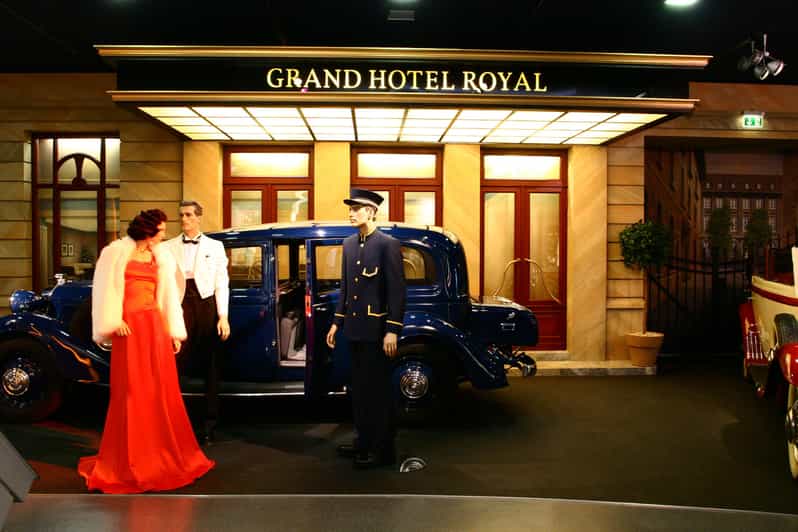
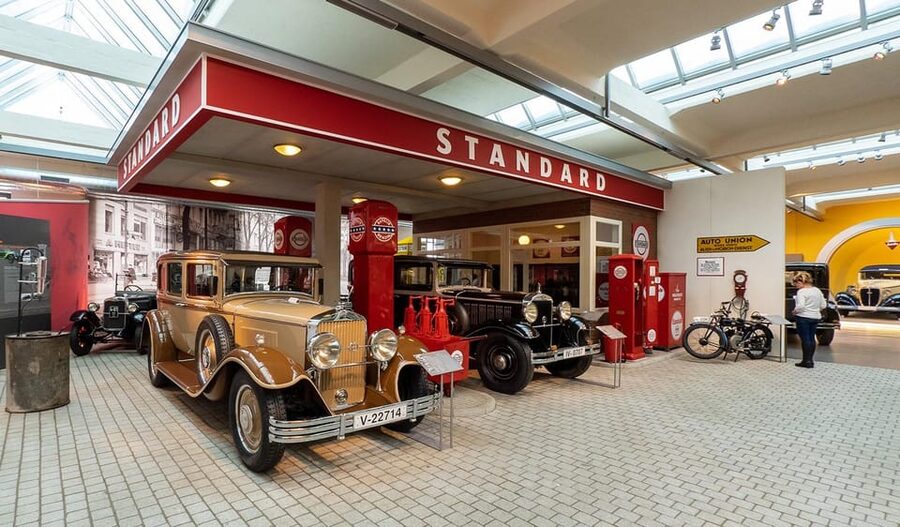
The August Horch Museum takes you to the original Audi factory site, where more than 120 years of car production unfolded under several famous names. You’ll see early Audi and Horch cars, elegant 1920s models, DKW vehicles, the East German Trabant, and cars from the present day.
I like the museum’s wide sweep through German motoring, and I especially like the working-scale story of Trabant production, including its patented Duroplast body material. The main point to consider is that your ticket covers entry only, not a guided tour, so you should be comfortable exploring the exhibits at your own pace.
In This Review
- Key points at a glance
- Entering the birthplace of Audi in Zwickau
- From 1904 Horch and Audi cars to early production
- The polished cars of the 1920s
- DKW, changing factories, and the postwar story
- The Trabant section and the Duroplast production line
- Bringing the story into the Volkswagen era
- How long should you allow?
- What the $17 ticket gives you
- Access, group size, and practical limits
- Who will enjoy this museum most?
- Should you book the August Horch Museum?
- FAQ
- Where is the August Horch Museum located?
- How much does admission cost?
- How long is the ticket valid?
- What does the ticket include?
- Is a guided tour included?
- How many exhibits can I see?
- Is the museum wheelchair accessible?
- Can I cancel my booking?
- Are pets allowed inside?
Key points at a glance
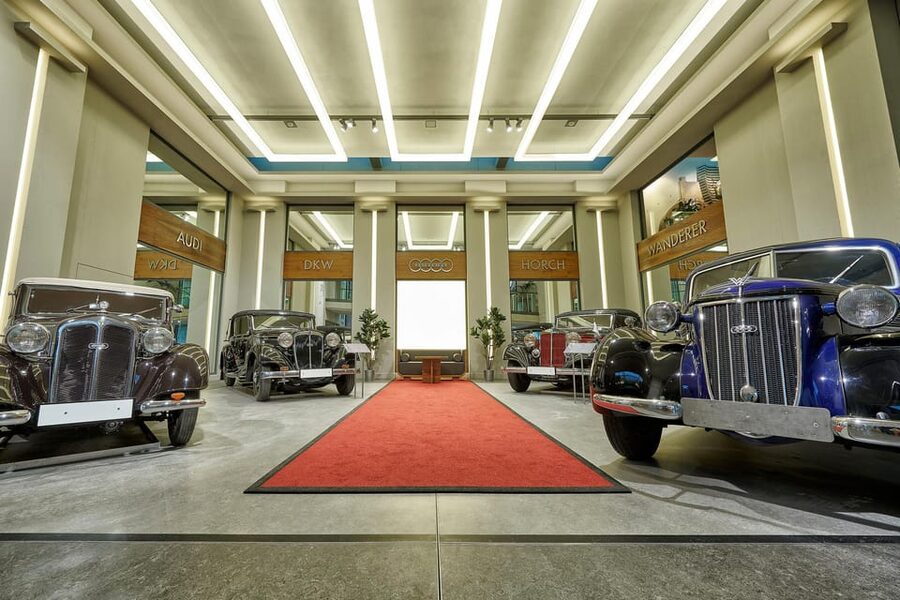
- Original Audi factory grounds: Visit the site where Zwickau’s long car-making story began.
- More than 160 large exhibits: See vehicles and smaller displays covering 1911 to the present.
- Early Audi and Horch models: Start with cars dating from the first years of production.
- A close look at the Trabant: Learn how this much-loved East German car was made.
- Rare Duroplast production line: See the material and process used for the Trabant’s body.
- Wheelchair access in most areas: The exhibition is accessible, except for the August Horch Mansion.
Entering the birthplace of Audi in Zwickau
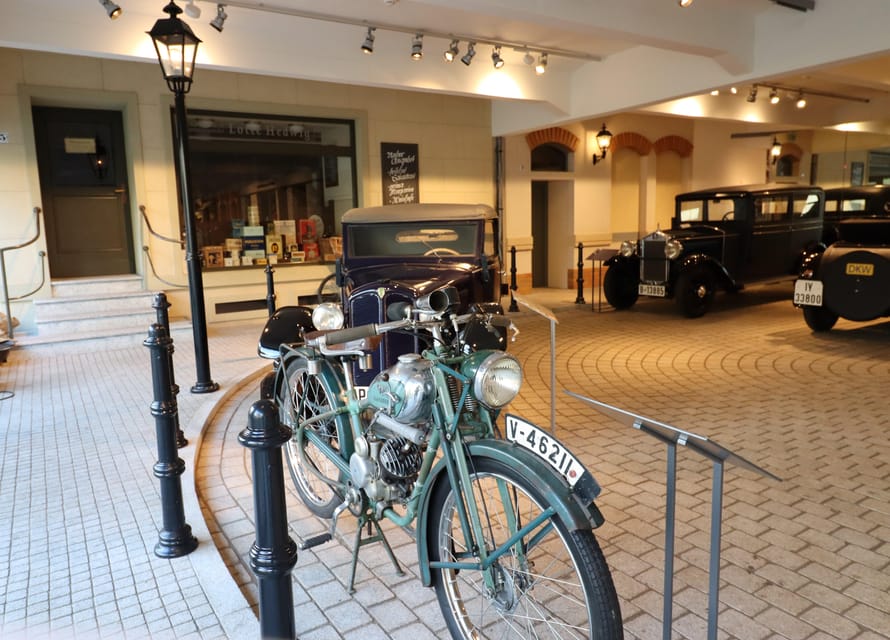
This museum is not simply a room full of old cars. Its setting matters. The August Horch Museum occupies the site of the first Audi factory, giving the visit a direct link to the people and machines that shaped Zwickau’s motor industry.
The city is in Saxony, in eastern Germany, and car production here passed through several major chapters. Horch and Audi belong to the early period. DKW followed. After the Second World War, the factory became closely linked with the Trabant, one of the best-known cars of East Germany. Today, Volkswagen remains present in Zwickau, bringing the story into modern times.
That sequence gives the museum a clear purpose. You are not just comparing body shapes and engines. You are watching industrial history change with politics, technology, fashion, and public need.
The exhibition covers about 6,500 square metres. That is a substantial amount of space, and the museum presents around 160 large exhibits along with many smaller objects. You can expect a visit with real substance rather than a quick stop for a few photographs.
More museum & gallery tickets in Germany:
- Berlin: Jewish Museum Berlin Entrance Ticket
★ 4.5 · 8,393 reviews - Berlin: DDR Museum Tickets
★ 4.3 · 3,443 reviews - Berlin: Natural History Museum Entrance Ticket
★ 4.6 · 3,382 reviews
From 1904 Horch and Audi cars to early production
The display begins with some of the oldest vehicles in the collection. You can see an Audi and a Horch dating from 1904, followed by cars from the early years of production and examples from 1911 onward.
These early cars are valuable because they show how far the motor industry still had to go. You can study the upright shapes, exposed mechanical details, and formal cabins that make early automobiles look so different from modern cars. The museum places those machines within Zwickau’s production story, so the focus is not only on luxury or design.
I would take time here rather than rushing toward the more familiar Trabant. The first section establishes the ambition of the local factories and helps explain why names such as Horch and Audi became important in German motoring.
A self-guided visit also lets you set your own pace. If early engineering interests you, you can linger over the oldest displays. If your main goal is the Trabant or postwar production, you can move along more quickly.
The polished cars of the 1920s
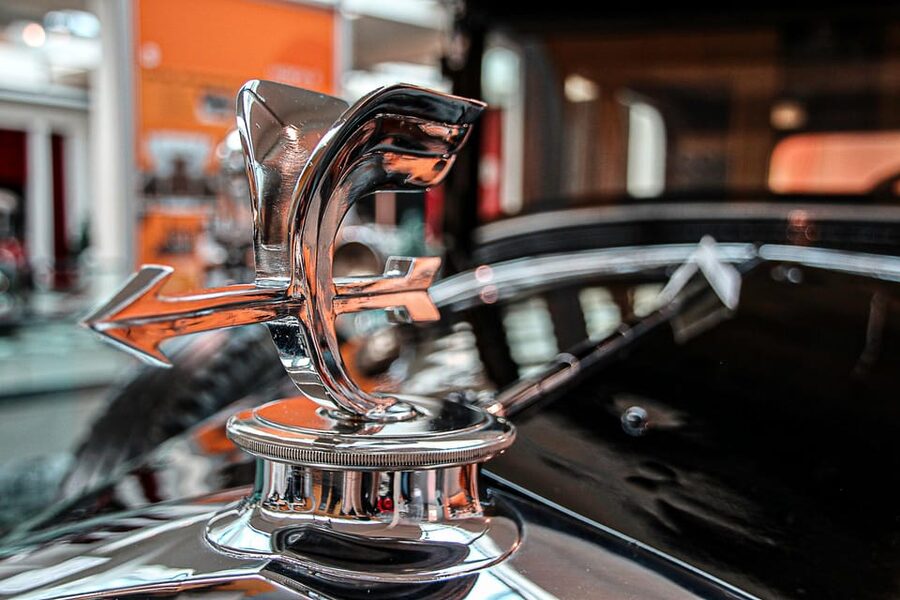
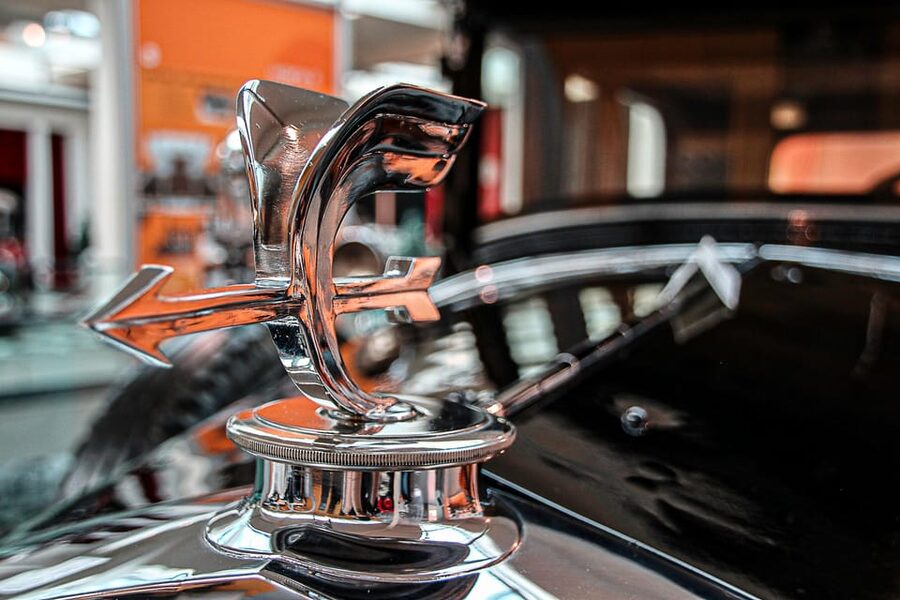
The museum then moves into the 1920s, when car design became more refined and luxury vehicles took on a stronger public image. The cars from this period offer a sharp contrast with the basic, practical shapes associated with the Trabant later in the exhibition.
This part is useful for showing that Zwickau’s factories did not produce only one kind of car. The collection includes luxurious vehicles, giving you a sense of the range of customers and purposes involved in automotive production.
You can also see how styling developed across the decades. The early cars feel upright and mechanical, while the 1920s models bring more polish and presence. Since the exhibition places vehicles in a long sequence, those changes become easy to follow even if you are not a car specialist.
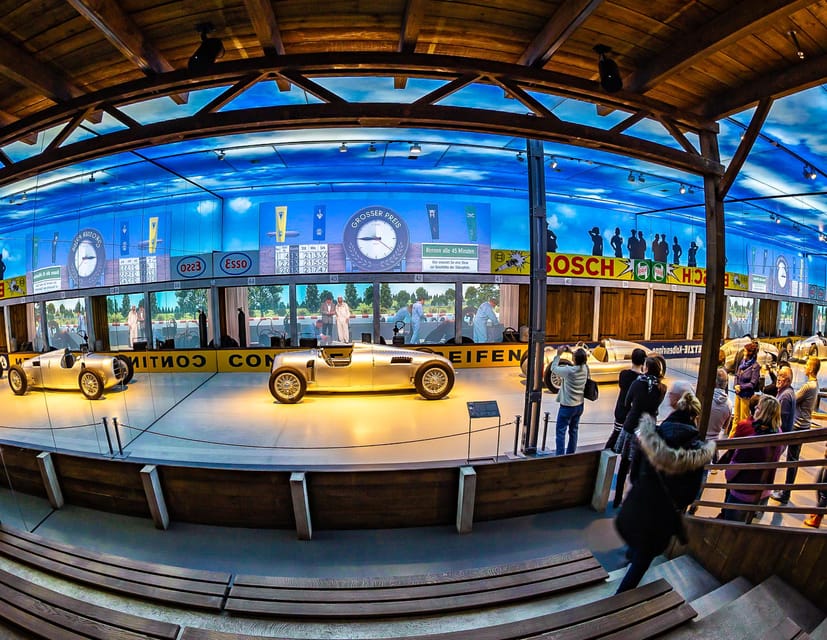
The museum’s films add another layer to the visit. Take time to watch them if you want more context about the cars and the racing story. A short visit may focus on the vehicles, but the films are useful when you want to understand the people, production methods, and events behind them.
DKW, changing factories, and the postwar story
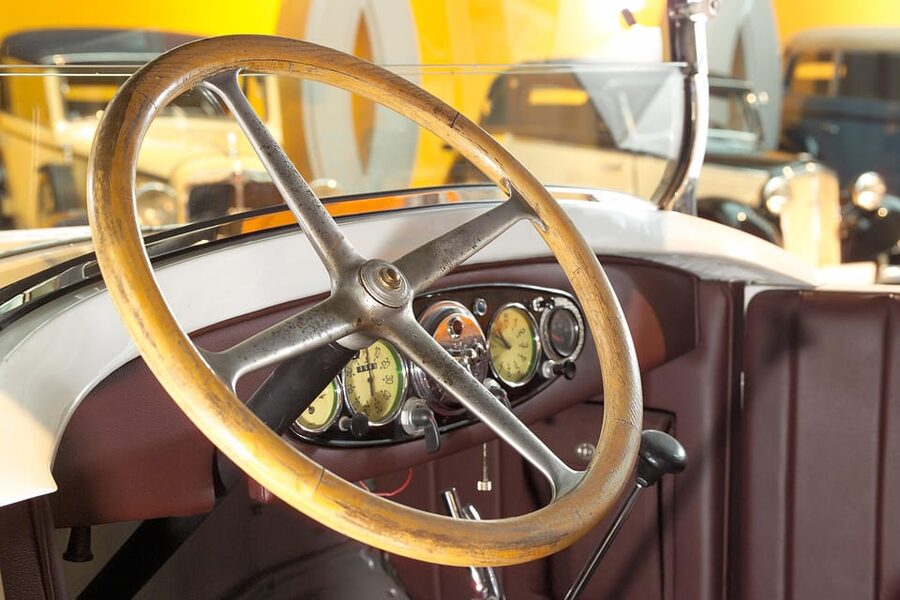
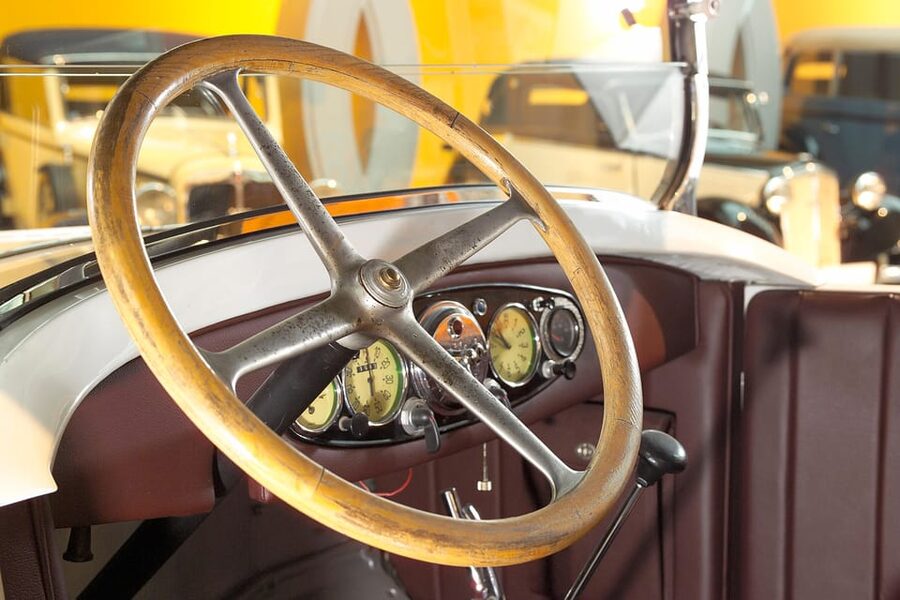
The name DKW forms another important part of Zwickau’s car-making past. The factory buildings later became associated with DKW production, and the museum includes that period in its wider account of the city’s industrial life.
This is one of the reasons I would recommend the museum even if you are not especially interested in luxury cars. The collection follows the factory through different eras instead of presenting an isolated group of famous models.
You can see how the same industrial site served different economic and political systems. The names changed, the products changed, and the needs of the public changed, but the factory remained tied to car production.
That makes the museum particularly useful for understanding eastern Germany’s industrial past. The story is told through machines, vehicles, films, and production displays rather than through a long written lecture. You can take in the main outline without needing specialist knowledge.
A few more Germany trips to weigh up
- Berlin: Neues Museum Entry Ticket
★ 4.6 · 3,261 reviews - Cologne: Chocolate Museum Entrance Ticket
★ 4.4 · 2,790 reviews - Dresden: Church of Our Lady Guided Tour of Gallery
★ 4.7 · 2,421 reviews - Skip-the-Line: Berlin Wall Museum at Checkpoint Charlie
★ 4.1 · 2,041 reviews
The Trabant section and the Duroplast production line
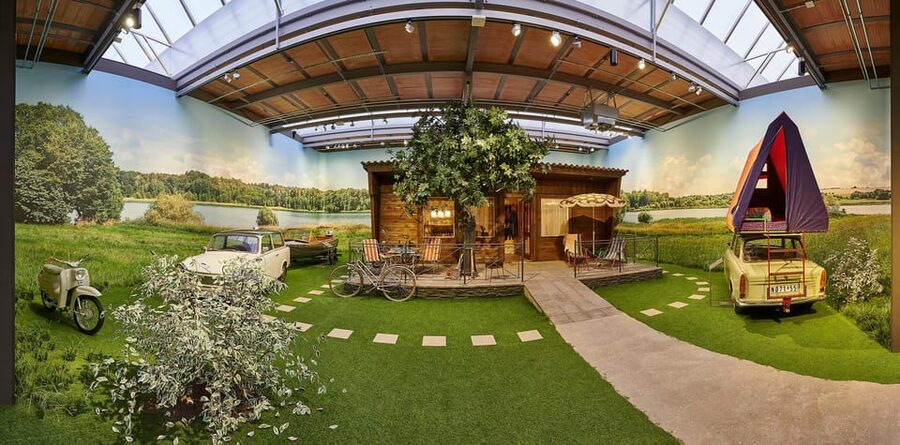
For many people, the Trabant will be the main reason to visit. The museum gives this car more than a brief mention. It explains its place in Zwickau’s production story and shows how the car’s unusual body material was made.
The Trabant used a patented material called Duroplast for its body. Instead of a conventional steel body, the car relied on this molded material, which became one of its defining features. The museum has an exclusive production line for Duroplast, allowing you to see the process behind the Trabant’s distinctive construction.
This is one of the most useful displays in the museum because it connects a familiar car with the factory work behind it. You are not just looking at the finished vehicle. You can also see the production method that made it possible.
The Trabant carries strong associations with East Germany, and the museum gives you a way to understand its practical role and its technical design. It also helps explain why the car remains such an important symbol of Zwickau’s recent past.
If you have limited time, I would still avoid spending the whole visit in the Trabant section. The earlier Horch and Audi cars show where the story began, while the later displays explain how the factory reached this stage.
Bringing the story into the Volkswagen era
The exhibition continues to the present day, when Volkswagen is still active in Zwickau. That final section prevents the museum from becoming a display of vanished brands and outdated technology.
You can follow the change from early cars to modern production and see how the local industry adapted over more than a century. The museum’s value is strongest when you consider the full sequence: early Audi and Horch, luxury cars of the 1920s, DKW, Trabant production, and modern Volkswagen activity.
The final section also puts Zwickau on the map as the third-largest city in Saxony and as a continuing center of automotive production. You leave with a clearer sense that the factory’s story is ongoing, not frozen in the past.
How long should you allow?
The ticket is valid for one day, and the booking information asks you to check availability for starting times. No fixed visit length is given, but the size of the exhibition matters when planning your day.
A quick visit could focus on the oldest cars, the Trabant displays, and the Duroplast production line. If you want to watch the films and read the displays at a relaxed pace, plan for substantially more time. One French-language review describes spending more than two hours without losing interest, which fits the museum’s size and range.
I would treat two hours as a sensible target if you want the full story. You can spend less time if you are pairing the museum with other sights in Zwickau, but the collection is large enough that a rushed visit may leave out the most useful context.
Because the ticket is valid for one day rather than limited to a short entry window, you have some flexibility. Check the available starting times when booking, and keep the printed voucher with you.
What the $17 ticket gives you
At $17 per person, this is not the cheapest museum stop, but the price compares well with the amount on display. You are paying for entry to a 6,500-square-metre exhibition with more than 160 large exhibits, numerous smaller objects, films, and the Duroplast production line.
The value is best for visitors who will stay long enough to follow the whole production story. If you only want to photograph one Trabant, the price may feel less compelling. If you appreciate vehicles, industrial design, or modern German history, the ticket provides several hours of material.
Your admission includes entrance to the August Horch Museum only. Food and drinks are not included, and you must arrange your own transport to and from the museum. A guided museum tour is also not included, so budget and plan accordingly if you prefer an expert-led visit.
The booking allows you to reserve now and pay later, which can help when your plans are still changing. You can also cancel up to 24 hours in advance for a full refund.
Access, group size, and practical limits
The exhibition is wheelchair accessible with one stated exception: the August Horch Mansion is not accessible. If full access is important to you, keep that limitation in mind before booking.
The experience is listed as a small group, limited to 10 participants. Since a guided tour is not included, this does not mean you will receive a personal guide. It is better understood as a small-capacity booking arrangement for museum entry.
You need a printed voucher. That is an easy detail to miss in an age of mobile tickets, so print it before you arrive rather than relying only on a phone screen.
Pets are not allowed, although assistance dogs are permitted. Food, drinks, and transfers are also outside the ticket price.
Who will enjoy this museum most?
I would recommend the August Horch Museum to anyone interested in cars, manufacturing, design, or twentieth-century German history. You do not need to know the difference between every Audi, Horch, and DKW model to enjoy it. The long timeline gives non-specialists a way into the subject.
It is also a strong choice for anyone curious about East Germany. The Trabant display is more meaningful when placed beside the luxurious cars and early factory output that came before it. You get a much fuller picture of the city than you would from a display focused only on one famous vehicle.
Families with older children may find the large vehicles and production equipment easier to enjoy than a conventional history museum. The films may also help younger visitors follow the story, though the experience is still centered on exhibits rather than hands-on activities.
You should think twice if you want a guided experience with a named expert. No guide is included, and no guide names are provided. The museum suits independent visitors who like to read, watch, compare, and move at their own speed.
Should you book the August Horch Museum?
Book it if you want a serious look at Zwickau’s car-making past rather than a quick showroom visit. The strongest reasons are the original Audi factory setting, the span from early Horch and Audi cars to modern Volkswagen production, and the rare Duroplast production line.
At $17, the ticket offers good value if you allow around two hours or more. Bring the printed voucher, arrange your own transport, and remember that food, drinks, and a guided tour are not included.
I would skip it only if your schedule is extremely tight or if you need a fully guided visit. For anyone with a little time in Saxony, especially a car enthusiast or a visitor interested in Germany’s divided past, this museum gives you a clear and memorable look at how one factory and one city changed with the times.
FAQ
Where is the August Horch Museum located?
The museum is in Zwickau, Saxony, Germany, on the site of the first Audi factory.
How much does admission cost?
The listed price is $17 per person.
How long is the ticket valid?
The entrance ticket is valid for one day. Check availability for the available starting times.
What does the ticket include?
It includes entrance to the August Horch Museum.
Is a guided tour included?
No. A guided tour of the museum is not included with the entrance ticket.
How many exhibits can I see?
The museum presents more than 160 large exhibits, along with numerous smaller exhibits, across about 6,500 square metres.
Is the museum wheelchair accessible?
The exhibition is wheelchair accessible except for the August Horch Mansion.
Can I cancel my booking?
Yes. You can cancel up to 24 hours in advance for a full refund.
Are pets allowed inside?
Pets are not allowed. Assistance dogs are permitted.
Just added around Germany
- Aachen old town tour – GERMAN (public)★ 5.0 · 24 reviews
- Aachen Private Walking Tour With A Professional Guide★ 5.0 · 11 reviews
- Cologne Highlights: Exclusive Private Tour★ 5.0 · 5 reviews
- Bremen Private Walking Tour With A Professional Guide★ 5.0 · 7 reviews
- Private Walking Tour through the Fascinating Bremen’s City Center★ 5.0 · 5 reviews
- Explore Cologne’s best Street Art Quarter★ 4.5 · 4 reviews
- Bremen Exploration Private Game and City Tour on your Phone★ 4.5 · 7 reviews
- e-Scavenger hunt Bremen: Explore the city at your own pace★ 4.0 · 24 reviews
Museum & Gallery Tickets, compared.




Skip-the-Line: Berlin Wall Museum at Checkpoint Charlie
Read our review →
Browse the lists this tour appears in