Reviewed · TICKETS
Hamburg: Kunsthalle Entrance Ticket
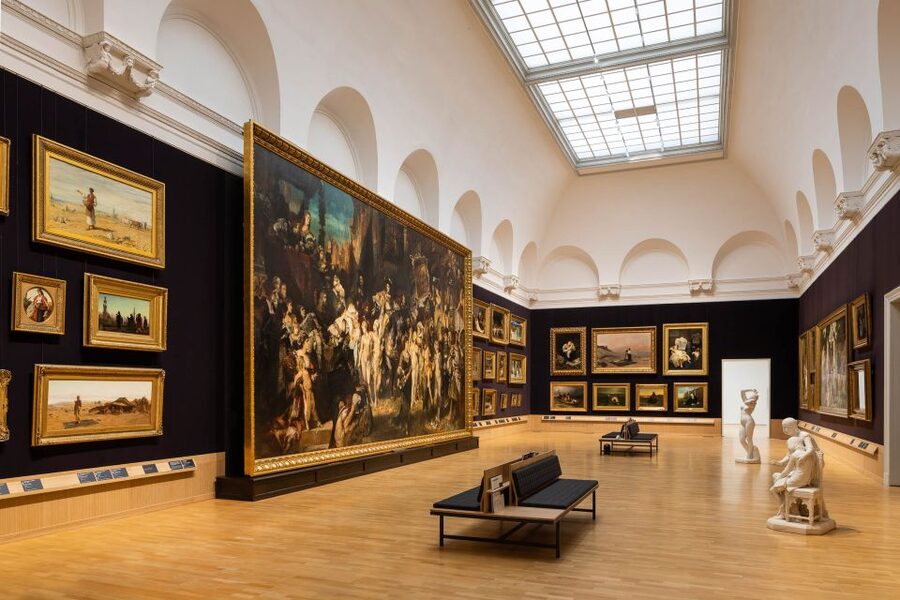
The Hamburger Kunsthalle gives you something rare: eight centuries of European art under one roof. You can begin with medieval altarpieces, meet Rembrandt and Caspar David Friedrich, then finish with Andy Warhol, Gerhard Richter, and contemporary film works. That makes this a strong choice when you want one museum to anchor a day in Hamburg.
I like the clear sweep through art history, and I like that the museum gives you room to follow your own interests rather than forcing you into a timed tour. The main drawback is scale. A full day is available, but the collection can feel demanding if you try to see every room without a plan. The €6 audio guide fee also comes on top of the ticket price, unless you use the free app.
In This Review
- Key points to know before you go
- Why the Hamburger Kunsthalle works so well for a first museum day
- Starting with northern German medieval painting
- Meeting Cranach, Holbein, and the Renaissance
- The Dutch Golden Age and the pleasure of everyday scenes
- Caspar David Friedrich and the power of the 19th century
- Modern art from Brücke to Max Beckmann
- Contemporary art, film, and new ways to look
- Taking a useful route through the collection
- Das Liebermann and The Cube
- Audio guide, app, bags, and access
- Who will get the most from this ticket
- Should you book the Hamburger Kunsthalle ticket?
- FAQ
- How long is the Hamburger Kunsthalle ticket valid?
- What does the entrance ticket include?
- Is the audio guide included in the ticket price?
- Which languages are available for the audio guide?
- Can I use the museum app instead of borrowing an audio guide?
- Does the audio guide cover special exhibitions?
- Is the museum wheelchair accessible?
- Can I bring a backpack or suitcase into the museum?
- Is food available inside the museum?
- Can I cancel the booking?
Key points to know before you go
- Eight centuries in one visit: Move from northern German medieval painting to international contemporary art without changing museums.
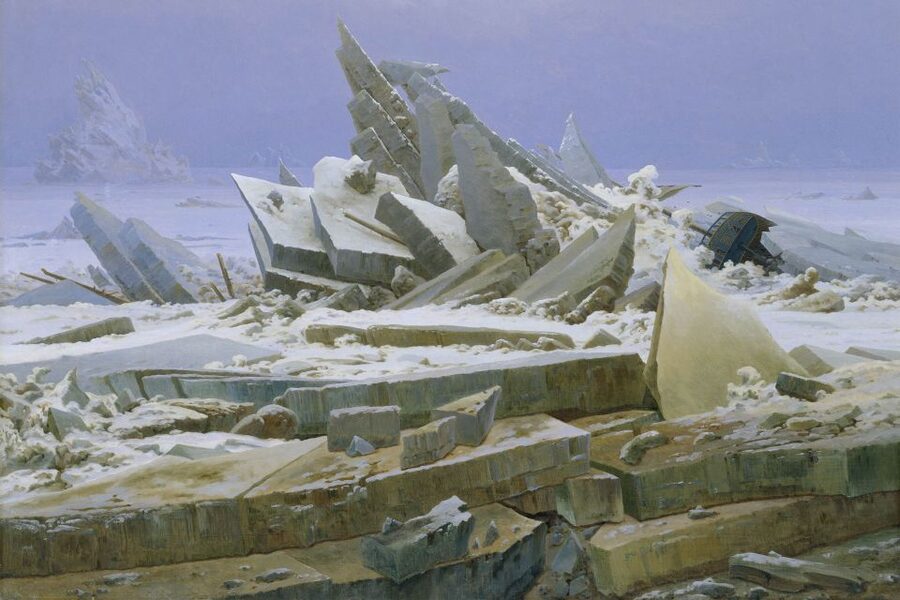
- Caspar David Friedrich is a major draw: His famous Wanderer above the Sea of Fog is one of the collection’s essential stops.
- Old Masters run well beyond Germany: Look for Rembrandt, Lucas Cranach the Elder, Hans Holbein, Pieter de Hooch, and Anton van Dyck.
- The modern collection is unusually strong: Brücke artists share space with Munch, Klee, Paula Modersohn-Becker, and Max Beckmann.
- Food comes with a view: Das Liebermann serves drinks and snacks, while The Cube offers meals and views toward the Inner Alster Lake.
- Plan for a bag check: Larger bags, backpacks, umbrellas, suitcases, and trolleys must go into lockers.
Why the Hamburger Kunsthalle works so well for a first museum day
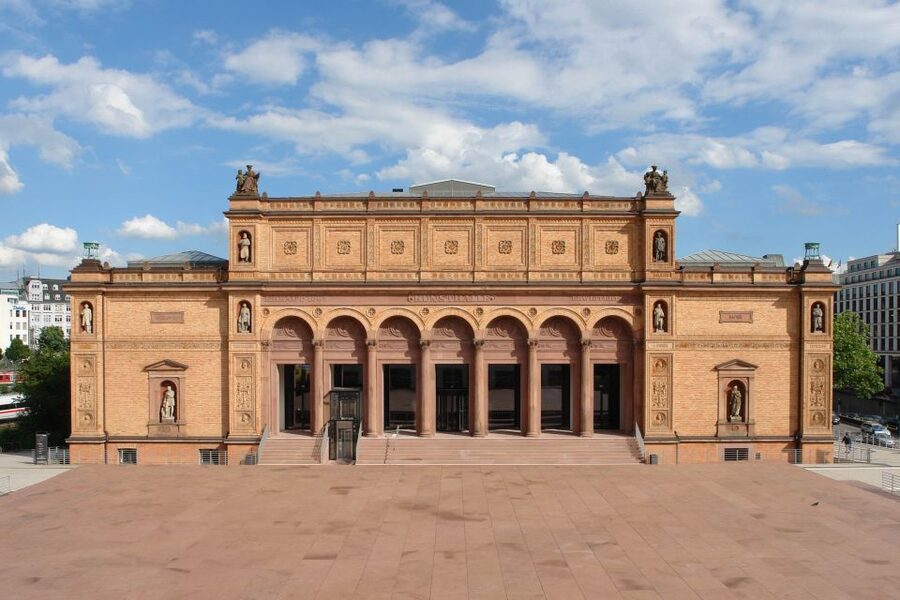
At $21 per person, this is not a quick stop for one famous painting. It is a full-day museum ticket with access to a major permanent collection. If you enjoy art, the price is reasonable because the museum covers such a long stretch of European history. If you only want a short cultural break between other Hamburg sights, you may get more value from choosing a few sections and leaving before your attention runs out.
The museum’s real strength is range. You can compare religious art from the Middle Ages with the private, domestic scenes of Dutch Golden Age painters. You can then see how 19th-century Romanticism gave way to Realism, Impressionism, Expressionism, and the many directions of modern art.
That sequence helps you understand change instead of simply collecting famous names. You will notice shifts in color, subject, scale, and mood. The Kunsthalle is especially useful for you if you like to see connections between periods rather than visit a museum devoted to just one artist or movement.
There is no named guide leading this experience. You explore independently, with the permanent collection as your main focus. For structure, use the museum’s free app or rent the audio guide in English or German for €6 at the ticket desk.
A few more Hamburg trips to weigh up
- Hamburg: Hamburg Dungeon Admission Ticket
★ 4.7 · 5,745 reviews - Hamburg: Ticket to the Panoptikum Waxworks
★ 4.3 · 2,489 reviews - Hamburg: International Maritime Museum Entrance Ticket
★ 4.7 · 547 reviews
Starting with northern German medieval painting
The Old Masters section begins with northern German medieval painting, including altarpieces by Bertram von Minden and Master Francke. These works give the collection a strong local foundation. They are not simply introductions to European art in general. They connect the museum to the region around Hamburg and to the religious culture that shaped much of medieval painting.
Medieval altarpieces can seem formal at first, especially if you are more familiar with later painting. Give them time. Look at the details, the arrangement of figures, and the way the work was built to support worship. You will see how artists used gesture, costume, and repeated symbols to tell stories to people who might not have been able to read.
This part of the museum rewards a slower pace. You do not need to study every panel, but it is worth stopping at the works by Bertram von Minden and Master Francke before moving on. They establish the visual language that later artists would expand, question, or reject.
Meeting Cranach, Holbein, and the Renaissance
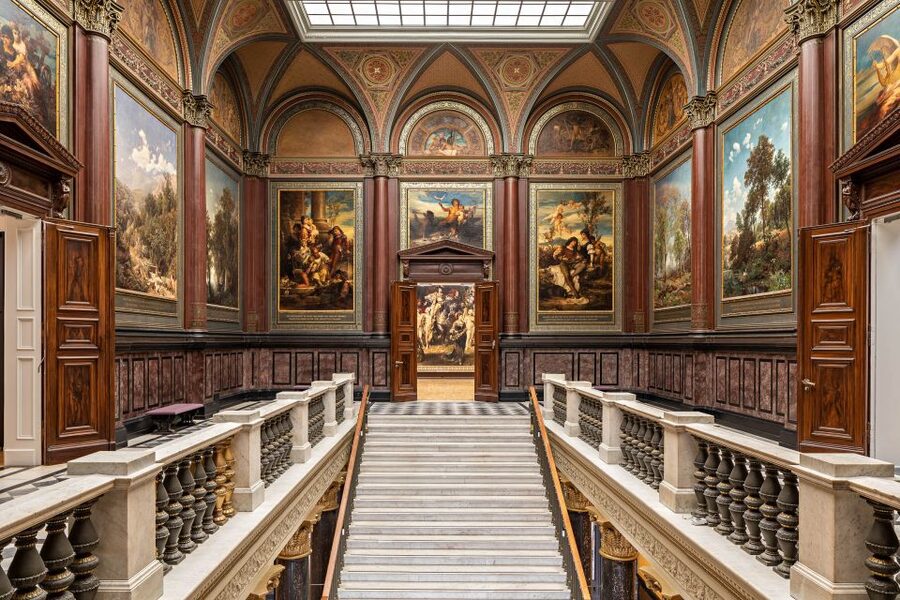
The European Renaissance section broadens the story. Lucas Cranach the Elder, Hans Holbein, and Paris Bordone represent different approaches to portraiture, religious subjects, and courtly art.
Holbein’s work is a good reminder that paintings from this period often carried several jobs at once. A portrait could show a person’s appearance, status, clothing, wealth, and place in society. Cranach brings another set of interests, including sharp line work and the visual traditions of northern Europe.
You may find this section more immediately accessible than the medieval rooms because the figures and settings feel closer to the art vocabulary most of us know. Still, the best way to see it is as a bridge. The artists are working with inherited religious subjects while also paying closer attention to individual identity, anatomy, space, and worldly life.
The Dutch Golden Age and the pleasure of everyday scenes
The 17th-century Dutch collection includes Rembrandt van Rijn, Pieter de Hooch, and Anton van Dyck. This is one of the places where the Kunsthalle’s range becomes especially rewarding.
Rembrandt brings emotional weight and dramatic light. Pieter de Hooch is known for carefully ordered domestic interiors and doorways that draw you into one space after another. Van Dyck offers the polished elegance associated with portrait painting and elite patrons.
I recommend taking time to compare how each artist handles people and space. The paintings may share a broad period, but they do not share the same mood. Rembrandt can make a face feel psychologically close, while de Hooch may make you focus on architecture, light, and the quiet rhythm of daily life.
This is also a good section for non-specialists. You can enjoy the recognizable scenes without knowing every historical detail. The audio guide may help if you want names and context, but you can also get a lot by simply comparing the paintings side by side.
Same city, a completely different kind of day:
- Hamburg: Sex and Crime in St. Pauli Tour for Ages 18+
★ 4.7 · 15,447 reviews - Hamburg: 1.5-Hour Harbor and Speicherstadt Day Cruise
★ 4.6 · 14,200 reviews - Hamburg: 90-Minute Evening Lights Harbor Cruise
★ 4.5 · 7,728 reviews - Hamburg: 2-Hour XXL Port of Hamburg Cruise Tour
★ 4.7 · 6,979 reviews
Caspar David Friedrich and the power of the 19th century
The 19th-century collection is one of the museum’s biggest reasons to visit. It includes extensive holdings by Caspar David Friedrich, Philipp Otto Runge, and Max Liebermann, along with important works by French Realists and Impressionists.
Friedrich’s Wanderer above the Sea of Fog is the painting many people come to see. It is famous for good reason, but try not to treat it as a quick photograph stop. The figure’s position, the fog, and the distant peaks create a feeling of uncertainty and possibility. You are looking at a person facing nature, but you are also being asked to consider your own position as the viewer.
Friedrich’s work makes more sense when you see it near other 19th-century paintings. Romanticism was not just about pretty scenery. It often dealt with solitude, faith, the limits of human knowledge, and the uneasy power of the natural world.
Philipp Otto Runge extends the Romantic interest in symbolism and idealized forms. Max Liebermann shifts the mood toward observation and modern life. The French Realists and Impressionists then bring different ways of handling ordinary subjects, changing light, and quick visual impressions.
This area can easily take most of your visit if Friedrich is your main interest. You might find yourself returning to the same painting after seeing the later galleries. That return is worthwhile because the modern works can change how you read the earlier ones.
Modern art from Brücke to Max Beckmann
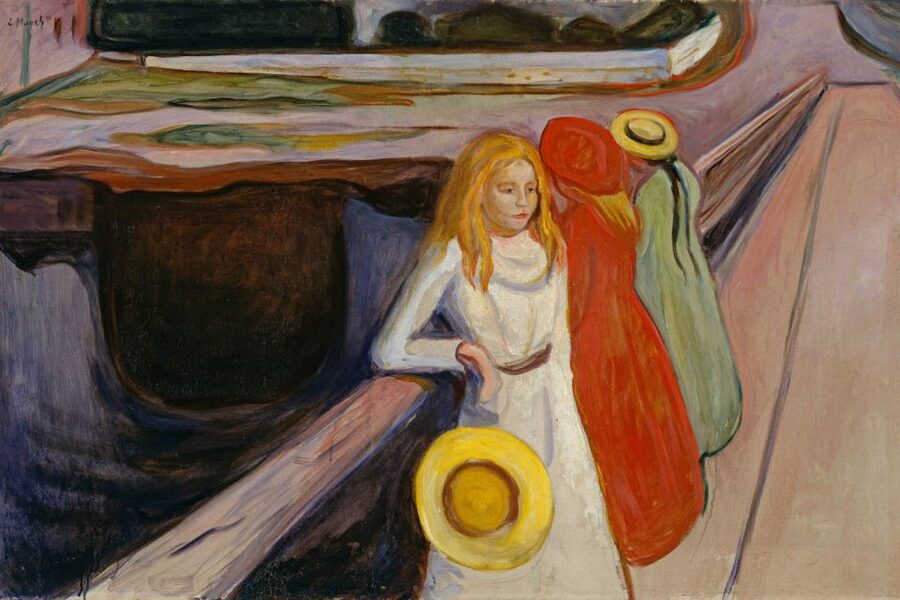
The modern collection covers the unsettled first half of the 20th century. It includes significant paintings from the Brücke group and works by Edvard Munch, Paul Klee, Wilhelm Lehmbruck, Paula Modersohn-Becker, Lovis Corinth, and Max Beckmann.
Here, the museum’s chronological story becomes less tidy. Artists are responding to war, industrial change, new ideas about the mind, and the breakdown of older artistic rules. Color may become harsher. Figures may look distorted. A painting may seem less interested in copying the visible world and more concerned with emotion or inner pressure.
The Brücke works are useful for seeing how German Expressionism pushed color and form away from natural appearance. Munch brings a different kind of emotional intensity. Klee’s work asks you to pay attention to signs, shapes, and playful visual structure rather than traditional realism.
Paula Modersohn-Becker is an important name to look for, especially if you want a broader view of early modern art. Beckmann’s work adds a heavier, more fractured mood. These rooms are not always easy, but they are among the most rewarding if you want art that reflects a difficult period rather than offering simple decoration.
A short break can help here. The transition from the calmer order of earlier galleries to modern art can be tiring. Use the museum’s café rather than trying to power through every room.
Contemporary art, film, and new ways to look
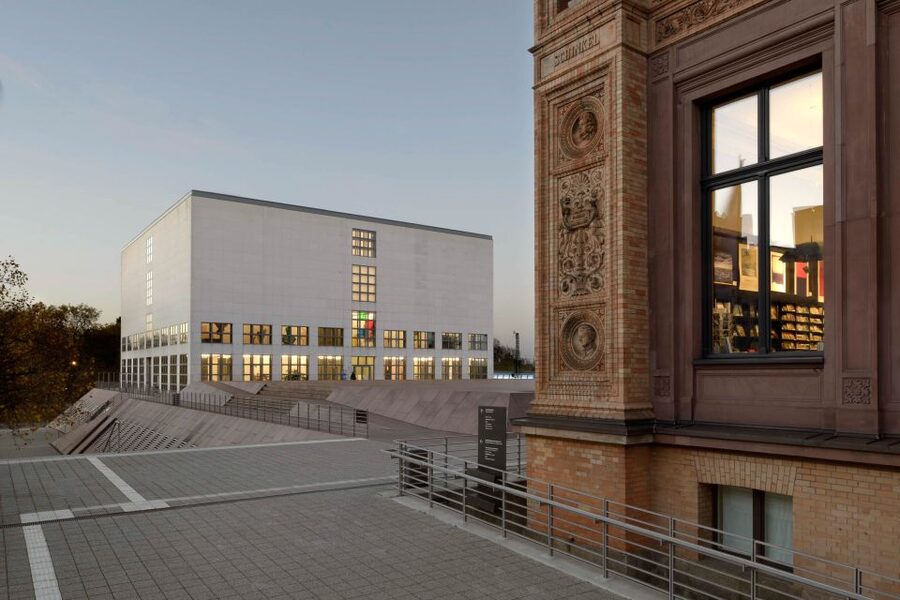
The contemporary collection brings the story into the present with works by Bruce Nauman, Gerhard Richter, Jenny Holzer, Nan Goldin, Andy Warhol, Richard Serra, and Sigmar Polke.
This section asks more from you than a traditional painting gallery. Some works may be large, spare, text-based, photographic, or built around movement and sound. Film works can be especially memorable, so allow time for pieces that require you to watch rather than glance.
The range of artists also gives you several ways into contemporary art. Warhol makes you think about celebrity, repetition, and mass culture. Jenny Holzer uses language as material. Richard Serra changes your sense of physical scale and space. Gerhard Richter moves between photographic realism and abstraction.
You do not need to understand every work immediately. Read the wall text when a piece puzzles you, then spend a moment deciding if the explanation changes your response. The point is not to find one correct reaction. The point is to notice how much the role of the viewer has changed since the medieval galleries.
The contemporary section is also where the museum’s title, Kunsthalle, feels especially apt. You are not only looking backward at established masterpieces. You are meeting works that ask what painting, sculpture, photography, text, and film can do now.
Taking a useful route through the collection
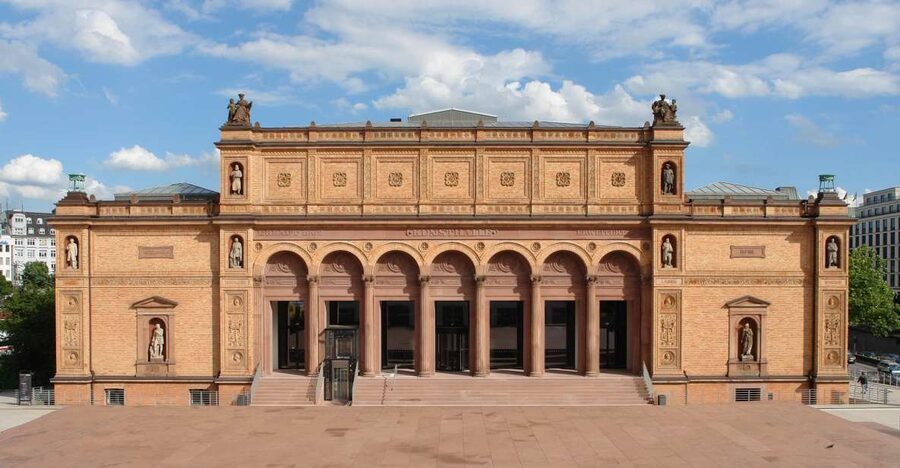
You have one day of validity, so you can choose a pace that suits you. I would not try to treat the museum like a checklist. Start with the collection area that matters most to you, then build outward.
A practical order is:
- Medieval and Renaissance art for the long historical foundation
- Dutch Golden Age painting for portraits, interiors, and daily life
- 19th-century art for Friedrich, Runge, Liebermann, Realism, and Impressionism
- Modern art for Brücke, Munch, Klee, Modersohn-Becker, and Beckmann
- Contemporary art for Richter, Warhol, Holzer, Serra, and film works
You can reverse this order if Friedrich or modern art is your priority. Starting with your must-see works removes the pressure of wondering if you will reach them later.
The ticket is valid for one day, but that does not mean you need to spend every available hour inside. A thoughtful two or three hour visit can be more satisfying than a rushed march through hundreds of works. If you have a full day, split your visit with lunch or a café stop.
Das Liebermann and The Cube
Das Liebermann is the museum’s refurbished café in the pillared hall. It is suited to a drink or snack during your visit, and its location makes it a natural pause between collection areas.
The Cube is in the Gallery of Contemporary Art and offers views toward the Inner Alster Lake. During the day, you can choose from snacks and lunch options. In the evening, it offers an à la carte dinner menu.
These food options add real value to a long museum visit, but they do not need to determine your whole schedule. If you are mainly interested in Friedrich and the Old Masters, you may prefer a shorter café break. If contemporary art is your main reason for coming, The Cube places your meal near the final part of the collection and gives you a change of pace.
Audio guide, app, bags, and access
The audio guide is available in English and German. You can borrow a device at the ticket desk for €6, or use the Hamburger Kunsthalle app, which is free to download. Audio material covers both the collection and current special exhibitions.
That choice matters. The device costs extra, but it may be useful if you want a more formal explanation while moving through the rooms. The app saves the fee, though you will need to use your own phone.
Larger than DIN A4 bags, backpacks, umbrellas, suitcases, and trolleys must be deposited. Lockers are available, so pack lightly if you can. A small day bag is the least troublesome option.
The museum is wheelchair accessible. That makes the visit easier to recommend for people who need step-free access, although the most useful practical details about specific routes are best confirmed at the museum when you arrive.
Who will get the most from this ticket
I would choose this museum for you if you like art but do not want to commit to a single period. It also suits first-time visitors to Hamburg who want one major cultural stop with a strong local and European focus.
You will get the most from it if you:
- Want to see Caspar David Friedrich in person
- Enjoy moving from medieval painting to contemporary work
- Like independent visits rather than guided groups
- Have at least a few hours available
- Appreciate cafés and a meal option inside the museum
- Need a wheelchair-accessible attraction
You may want to reconsider if you prefer a small, tightly focused gallery. The size and range are assets, but they can also make the visit feel long. You will need to choose priorities instead of expecting to remember every room.
Should you book the Hamburger Kunsthalle ticket?
Book it if you want a serious art museum with enough variety to fill a morning, afternoon, or full day. At $21, the ticket offers good value for the permanent collection, especially if Friedrich, German modern art, or Old Masters are on your Hamburg list.
Use the free app if you want commentary without paying extra. Pack light, choose two or three sections as your main targets, and save time for the contemporary galleries and the café with its Alster view.
Skip it only if your schedule is too tight for more than a quick look or if broad museum collections wear you out. For most art-minded visitors, this is one of Hamburg’s most useful single-ticket cultural stops.
FAQ
How long is the Hamburger Kunsthalle ticket valid?
The ticket is valid for one day. Check availability for the available starting times when booking.
What does the entrance ticket include?
It includes entrance to the Hamburger Kunsthalle and access to the permanent collection.
Is the audio guide included in the ticket price?
The audio guide is not included in the ticket price. You can borrow a device at the ticket desk for €6.
Which languages are available for the audio guide?
The audio guide is available in English and German.
Can I use the museum app instead of borrowing an audio guide?
Yes. The Hamburger Kunsthalle app can be downloaded free of charge and provides audio guide access.
Does the audio guide cover special exhibitions?
Audio guides are offered for both the permanent collection area and current special exhibitions.
Is the museum wheelchair accessible?
Yes, the Hamburger Kunsthalle is wheelchair accessible.
Can I bring a backpack or suitcase into the museum?
Larger bags, backpacks, umbrellas, suitcases, and trolleys must be deposited. Lockers are available for these items.
Is food available inside the museum?
Yes. Das Liebermann serves drinks and snacks. The Cube offers snacks and lunch during the day, plus an à la carte dinner menu in the evening.
Can I cancel the booking?
You can cancel up to 24 hours in advance for a full refund. The reserve-now-and-pay-later option lets you book without paying immediately.
Just added around Hamburg
- Hamburg: Historical Tour of the St. Pauli Sex Work District★ 4.4 · 215 reviews
- Hamburg: St. Pauli Food and Bier Tour★ 4.7 · 5 reviews
- Hamburg: Private Tour Red Light District Walking Tour★ 4.7 · 227 reviews
- St. Pauli Tour: Drag-Attack with Barbie Stupid & Lee Jackson★ 4.8 · 280 reviews
- St. Michael’s, Elbe Tunnel & Harbor 2-Hour Hamburg Tour★ 4.9 · 21 reviews
- Satt Pauli – der kulinarische Rundgang durch St. Pauli★ 4.8 · 12 reviews
- Hamburg: Safari tour in St. Pauli★ 4.9 · 11 reviews
- Hamburg: Reeperbahn Comedy Club★ 4.3 · 53 reviews