
Reviewed · CONCENTRATION CAMP MEMORIAL TOURS
From Munich: Dachau Memorial Site Tour in Spanish
Dachau is not a casual sightseeing stop. It is a place where the remaining buildings, the roll-call area, and the crematorium force you to face the machinery of persecution in a direct, quiet way. I like the fact that this tour uses an official Dachau Memorial Guide, and I like that the entire visit takes place in Spanish, so the historical explanation can be followed without a language gap.
The five-hour format gives you time for the permanent exhibition and the grounds instead of rushing through a few stark landmarks. The main drawback is the emotional weight: this can be a difficult afternoon, and the train ticket, food, and drinks are not included in the $40 price.
In This Review
- Key points to know before you book
- Why this visit matters
- Meeting under the Karlstor Gate
- The permanent exhibition sets the context
- Roll-call, barracks, and the former camp grounds
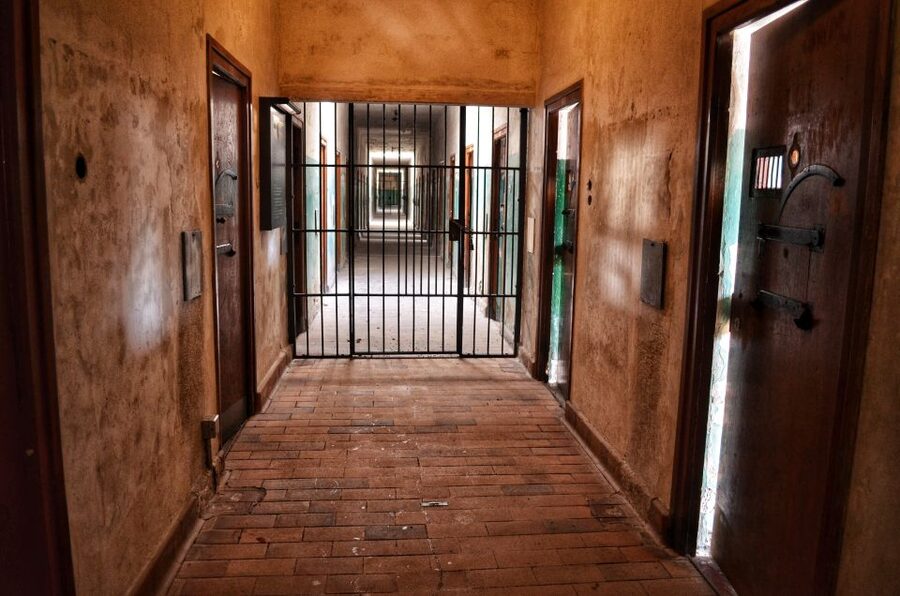
- The bunker and crematorium
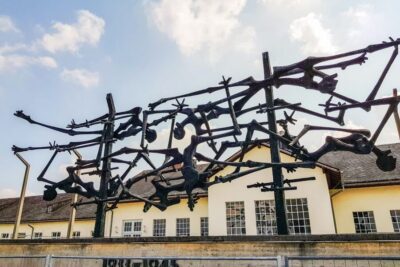
- The International Memorial and religious memorials
- What the $40 price really covers
- How the five-hour schedule feels
- Who should take this Spanish tour
- Practical advice for a respectful visit
- Should you book the Dachau tour in Spanish?
- FAQ
- Is the tour conducted in Spanish?
- Where do I meet the group in Munich?
- Should I look for a bus at the meeting point?
- How long does the activity last?
- Is the train ticket included?
- Are children allowed to join?
- What places are included in the visit?
- Can I cancel the booking?
Key points to know before you book
- Official Spanish-speaking guide: The tour is led by a guide from the Dachau Memorial Site, not simply a general city guide.
- Five hours from central Munich: Meet under the Karlstor Gate at Karlsplatz, then travel by train to the memorial site.
- Original traces and reconstructions: See the roll-call area, bunker, barracks, crematorium, and other remaining parts of the former camp.
- Permanent exhibition: The indoor exhibition provides the wider historical setting and information about victims.
- Memorials from several traditions: The International Memorial and religious memorials add different forms of remembrance.
- Strict booking limits: The tour is only for Spanish speakers, requires at least four participants, and does not accept children under 13.
Why this visit matters
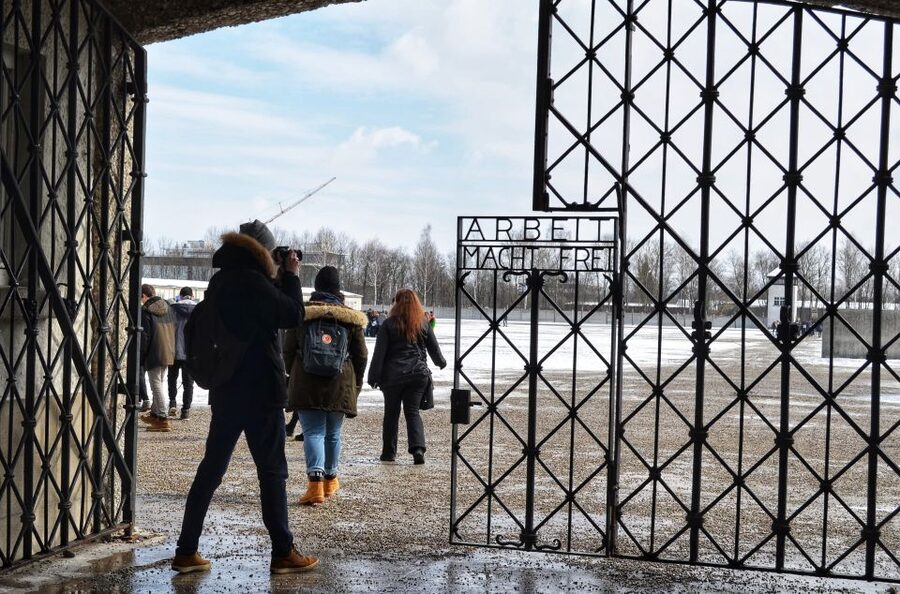
Dachau Concentration Camp Memorial Site is a place of memory and reflection, not entertainment. The point is not to collect dramatic photographs or rush from one building to another. You go to understand what happened here, how the camp operated, and how individual victims were affected.
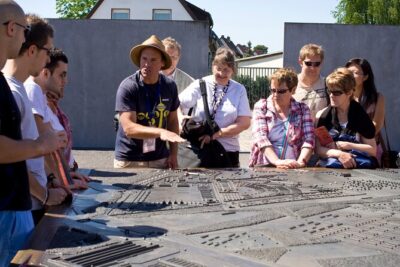
I value the guided format because the site can be hard to read on your own. The remaining structures and open grounds are powerful, but they do not explain themselves fully. A guide can connect the physical details to the historical setting and describe the lives of people who suffered there.
This is also why the Spanish-only format matters. If Spanish is your comfortable language for serious subjects, you can concentrate on the meaning of the visit rather than translating signs or trying to follow a guide in another language. If you do not speak Spanish, do not book this particular tour. The language rule is explicit.
The tour has a 4.9 rating from 300 reviews, and the strongest praise focuses on the guide’s clear explanations, patience, kindness, and attention to the group. That combination is especially useful here. The subject calls for accuracy, but also for a calm and respectful manner.
More concentration camp memorial tours in Germany:
- Berlin: Sachsenhausen Concentration Camp Tour in English
★ 5.0 · 5,711 reviews - Dachau Concentration Camp Memorial Site Tour from Munich by Train
★ 4.5 · 5,637 reviews - Berlin: Sachsenhausen Concentration Camp Memorial Tour
★ 4.7 · 3,716 reviews
Meeting under the Karlstor Gate
Your day begins at Karlsplatz, also called Stachus, in central Munich. Meet under the Karlstor arch 10 minutes before departure. This detail is worth taking seriously because the instructions specifically warn you not to look for or board a bus.
Look for the guide under the gate. The meeting point is public and central, but Karlsplatz can be busy, so arrive with enough time to locate the correct person without a last-minute dash. You will then travel by train to Dachau Concentration Camp Memorial Site.
Your transport ticket is not included. That keeps the listed price down, but you need to budget for the train fare separately. The guide accompanies you from Munich, which is helpful if you are unfamiliar with the route or public transport system.
The journey forms a clear break between central Munich and the memorial grounds. Once you arrive, the guide takes over the historical visit. Hotel pickup and drop-off are not offered, so you must make your own way to Karlsplatz at the start and return there or continue independently at the end.
The permanent exhibition sets the context
The permanent exhibition is an important part of the visit. You will receive an overview of the history of Dachau Concentration Camp and learn about the people imprisoned there.
I would not treat this as a quick indoor stop before the more visible parts of the site. It gives you the framework for understanding the buildings and spaces outside. Without that context, a barracks or roll-call area can seem like an empty structure. With the historical explanation, each location carries a clearer meaning.
The supplied information does not give the exhibition’s individual galleries or display layout, so you should not expect a detailed room-by-room preview. What is clear is its purpose: to explain the camp’s history and its victims as part of the guided visit.
The guide also provides historical background and stories of victims. That personal focus matters. Large numbers and dates can become abstract, while individual stories help you grasp that the camp’s history was made up of real people, families, and lives interrupted by persecution.
Roll-call, barracks, and the former camp grounds
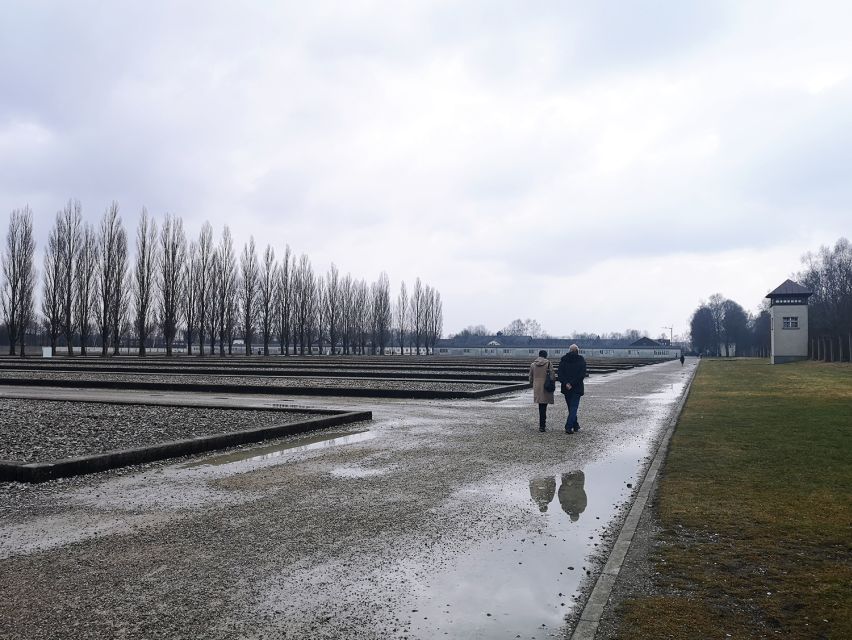
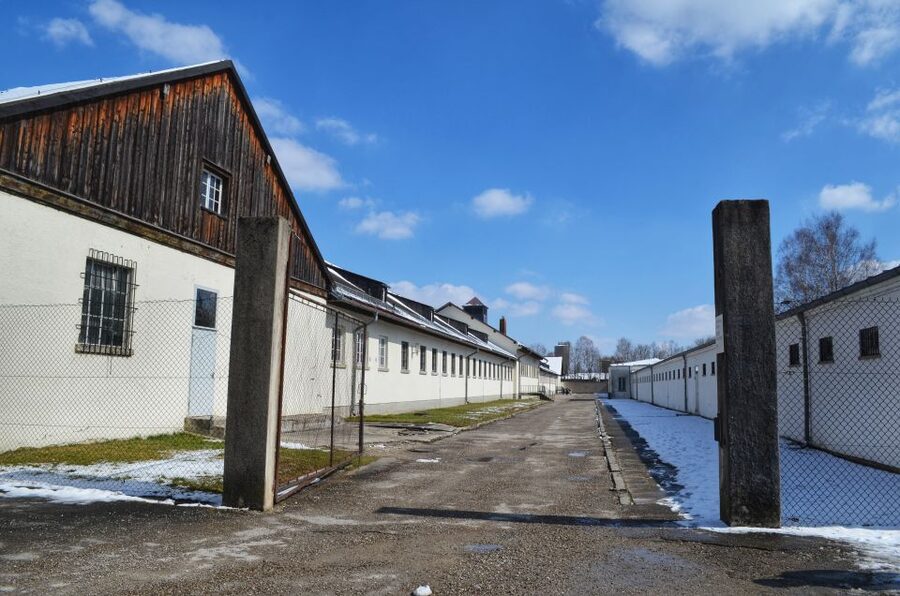
The outdoor tour includes the roll-call area and barracks, along with remaining original buildings and reconstructions. These places show the camp not as an isolated building but as a controlled system with repeated routines and carefully organized spaces.
The roll-call area is one of the locations where the scale and discipline of camp life become easier to picture. The barracks provide another view of daily conditions. You will not simply hear a general account of the camp; you will move through specific places connected to that account.
Some structures are original, while others are reconstructions. That distinction matters, and a good guide should help you understand what you are seeing rather than leaving you to assume that every building is untouched. The tour description is clear that both kinds of structures testify to the site’s terrible history.
Expect a lot of walking across the memorial grounds. Comfortable shoes are listed as essential, and that is practical advice rather than a formality. The visit lasts five hours, and the time includes travel as well as the guided tour, so supportive footwear will make the day easier.
Same city, a completely different kind of day:
- Berlin: Reichstag, Dome and Government District Guided Tour
★ 4.7 · 18,288 reviews - Berlin: 1-Hour City Tour by Boat with Guaranteed Seating
★ 4.3 · 16,993 reviews - Hamburg: Sex and Crime in St. Pauli Tour for Ages 18+
★ 4.7 · 15,447 reviews - Hamburg: 1.5-Hour Harbor and Speicherstadt Day Cruise
★ 4.6 · 14,200 reviews
The bunker and crematorium
The bunker and crematorium are among the most serious parts of the visit. The itinerary includes both, along with the roll-call area and barracks, so you should prepare yourself for a gradual increase in emotional intensity as the tour moves through the site.
These are not stops to approach as ordinary historical curiosities. They are places connected to imprisonment, death, and the destruction of human dignity. The guide’s role is particularly important here, since clear historical explanation can prevent the visit from becoming either vague or sensational.
The available information does not promise a specific length of time at each location. The guide may adjust the pace based on the group and the needs of the visit. You should expect a serious presentation rather than a fast checklist of buildings.
Food is not allowed during the activity, and large bags and luggage are also not permitted. Travel light. You may bring only what you need for the five-hour outing, and comfortable shoes are more useful than anything bulky.
The International Memorial and religious memorials
The memorial grounds include the International Memorial and other religious memorials. These spaces shift the focus from the camp’s physical operation to the act of remembrance.
The International Memorial gives the site a shared, public form of mourning. The religious memorials provide additional ways to remember the victims and reflect on the different traditions represented at the site. Seeing several memorial forms in one visit helps you understand that remembrance is not expressed in only one style.
The description does not identify every religious memorial by name, so I would not book this expecting a specialist architectural tour. Instead, consider these stops part of the wider memorial experience, alongside the exhibition and former camp buildings.
This portion of the tour may be quieter than the historical explanation. Give yourself room to listen and reflect. The visit is designed with sensitivity and respect, and that tone is part of its value.
What the $40 price really covers
At $40 per person, the tour is priced as a guided half-day experience from Munich. The main value comes from the official Spanish-speaking guide and the structure of the visit, not from included transport or refreshments.
You pay separately for the train ticket, and there is no food or drink included. Hotel transfers are also not part of the arrangement. If you compare prices, add those costs before deciding that this is a fully packaged excursion.
Still, the guide makes a meaningful difference. You receive a planned route through the permanent exhibition, historical buildings, reconstructed areas, bunker, barracks, crematorium, and memorials. You also avoid having to organize the route and historical sequence yourself.
The value is strongest for Spanish-speaking visitors who want a serious explanation of the site. If you already have strong historical knowledge and prefer to explore alone, the guided fee may feel less necessary. For most people visiting Dachau for the first time, the clear structure and Spanish interpretation justify the cost.
How the five-hour schedule feels
Five hours sounds long, but the time includes the train journey from Munich and the visit to a large memorial site. You are not spending five straight hours in one exhibition room.
The schedule allows the guide to cover both indoor and outdoor parts of the memorial. That matters because the exhibition gives background, while the buildings and memorials give physical presence to the history. A much shorter tour could leave you with isolated impressions rather than a connected understanding.
The subject also benefits from a measured pace. A rushed visit would feel wrong, especially at the bunker, crematorium, and memorials. At the same time, you should not expect a relaxed sightseeing rhythm. This is an emotionally demanding use of an afternoon.
There is no information about the maximum group size, so group dynamics may vary. The minimum operating requirement is four participants. If fewer than four people book, the local partner will contact you and offer an alternative. Keep that possibility in mind when planning a tightly timed Munich schedule.
Who should take this Spanish tour
I would recommend this experience to adults and older teenagers aged 13 or above who want historical context, careful guidance, and a Spanish-speaking presentation. It suits you especially well if Spanish is your preferred language for complex or emotional subjects.
It is also a good fit if you are staying in Munich and do not want to plan the train route and memorial-site sequence on your own. Meeting at Karlsplatz keeps the start simple, while the guide handles the historical flow once you arrive.
This is not suitable for children under 13. It is also not appropriate for anyone looking for a light excursion, a social group activity, or a quick photo stop. The subject requires attention and respect.
Non-Spanish speakers should choose a different tour. The activity is exclusively in Spanish, and people who do not speak Spanish are not allowed to book it. That rule protects the quality of the group experience and ensures that the guide does not need to switch languages.
Practical advice for a respectful visit
Wear comfortable shoes and arrive at Karlsplatz early enough to find the guide under the Karlstor Gate. Do not search for a bus, and do not board one as a substitute for meeting the group.
Travel without luggage or a large bag. Pets and food are not allowed, and drinks are not included. Since the visit lasts five hours, plan your meal around the activity rather than expecting to eat during it.
Most of all, prepare for a quiet and serious day. You may find the stories and buildings difficult, and that reaction is normal. Listen closely, avoid treating the site like an ordinary attraction, and give yourself time afterward if you need it.
The guide’s patience and clear explanations have been repeatedly praised, which is reassuring for a subject that can be difficult to approach. The best experience will come from staying attentive and allowing the visit to set its own pace.
Should you book the Dachau tour in Spanish?
Book it if you speak Spanish, want an official guide, and are prepared for a moving five-hour visit that includes train travel and a separate transport cost. The permanent exhibition, original and reconstructed buildings, victim stories, bunker, crematorium, and memorials create a serious and well-structured introduction to Dachau.
Skip it if you do not speak Spanish, are traveling with children under 13, need hotel pickup, or want a casual half-day outing. Also check the minimum of four participants before relying on the tour as the only fixed plan in your schedule.
For the right visitor, $40 is a fair price for the guided historical context. It is not a cheap all-inclusive trip, but it gives you something more important here than convenience alone: a careful way to understand what you are seeing.
FAQ
Is the tour conducted in Spanish?
Yes. The live guide speaks Spanish, and the tour is exclusively for Spanish speakers.
Where do I meet the group in Munich?
Meet under the Karlstor Gate at Karlsplatz, also called Stachus, 10 minutes before the activity begins.
Should I look for a bus at the meeting point?
No. The instructions specifically say not to look for or board a bus. Look for the guide waiting under the Karlstor arch.
How long does the activity last?
The full activity lasts five hours, including travel from Munich to the memorial site by train.
Is the train ticket included?
No. The transport ticket is not included in the price. Food and drinks, hotel pickup, and hotel drop-off are also excluded.
Are children allowed to join?
Children under 13 are not allowed to participate in the guided tour.
What places are included in the visit?
The tour includes the permanent exhibition, historical buildings, reconstructed areas, roll-call area, bunker, barracks, crematorium, International Memorial, and other religious memorials.
Can I cancel the booking?
Yes. You can cancel up to 24 hours before the activity for a full refund. You can also reserve now and pay later.
Just added around Germany
- Aachen old town tour – GERMAN (public)★ 5.0 · 24 reviews
- Aachen Private Walking Tour With A Professional Guide★ 5.0 · 11 reviews
- Cologne Highlights: Exclusive Private Tour★ 5.0 · 5 reviews
- Bremen Private Walking Tour With A Professional Guide★ 5.0 · 7 reviews
- Private Walking Tour through the Fascinating Bremen’s City Center★ 5.0 · 5 reviews
- Explore Cologne’s best Street Art Quarter★ 4.5 · 4 reviews
- Aachen – Old town Guided tour★ 3.5 · 4 reviews
- Bremen Exploration Private Game and City Tour on your Phone★ 4.5 · 7 reviews
Concentration Camp Memorial Tours, compared.
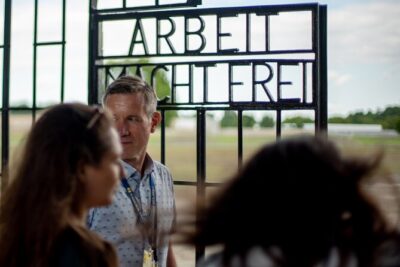
Sachsenhausen Concentration Camp Tour in English
Read our review →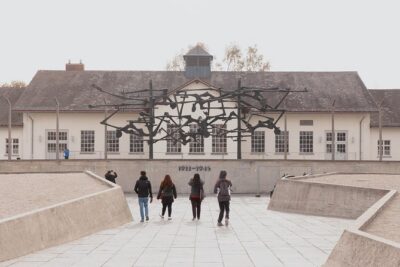
Dachau Concentration Camp Memorial Site Tour from Munich by Train
Read our review →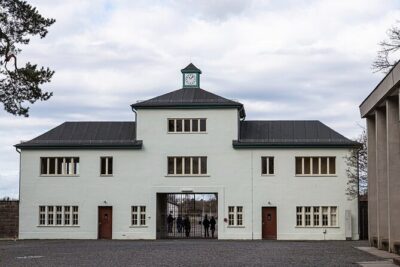
Sachsenhausen Concentration Camp Memorial Tour
Read our review →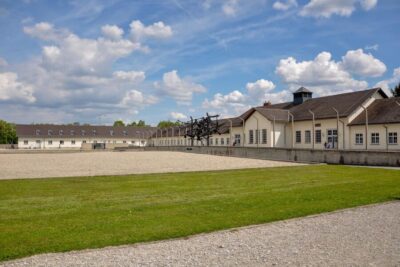
Sachsenhausen Concentration Camp Bus Tour in English from Berlin
Read our review →Sachsenhausen Concentration Camp Tour in English
Read our review →
Sachsenhausen Concentration Camp Memorial Tour (Max. 15 Guests)
Read our review →Browse the lists this tour appears in