Reviewed · TICKETS
Bremerhaven: German Emigration Center Entrance Ticket
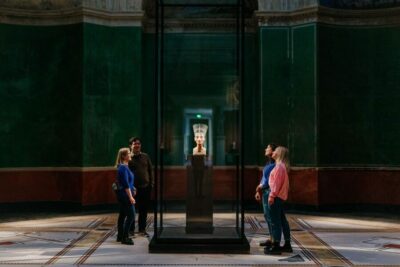
The German Emigration Center turns a huge subject into a personal journey. Your electronic boarding pass gives you the story of one emigrant, then activates audio stations and interactive displays as you follow that person from a European quay to an immigration desk on Ellis Island and into New York life. It is history you do more than read.
I especially like the personal family-history search, which is free and supported by a trained assistant. I also like the way the museum recreates several eras of passenger shipping, including life aboard the ocean liner Columbus in 1929. The main drawback is time: you need at least two hours before closing, and the old ship interiors can be tight for wheelchair users who are not comfortable maneuvering in narrow spaces.
In This Review
- Key points to know
- Why the German Emigration Center works so well
- Starting at the quay in Bremerhaven
- Three eras of passenger shipping
- Ellis Island and the entry test
- New York and life after arrival
- The Family Research room
- How much time should you allow?
- Price and overall value
- Accessibility, pets, and practical limits
- Who will get the most from this visit?
- Should you book the German Emigration Center?
- FAQ
- Where does the German Emigration Center experience begin?
- How long is the ticket valid?
- How much time should I allow for the museum?
- Can I research my own ancestors there?
- Is the museum wheelchair accessible?
- Are food, drinks, or pets included or allowed?
Key points to know

- Follow one emigrant’s story: Your iCard connects you to an individual journey and triggers related audio and interactive stations.
- Travel through 300 years: The museum covers both emigration from Europe and immigration into the New World.
- See shipboard life: Walk through recreations from three eras of passenger shipping, including the Columbus from 1929.
- Test your entry to America: At the Ellis Island section, you face an immigration check at the legal desk before continuing to New York.
- Research your own family: The free Family Research room offers access to research facilities and help from a trained assistant.
- Plan enough time: Arrive at least two hours before closing so you are not forced to rush the main route.
Why the German Emigration Center works so well
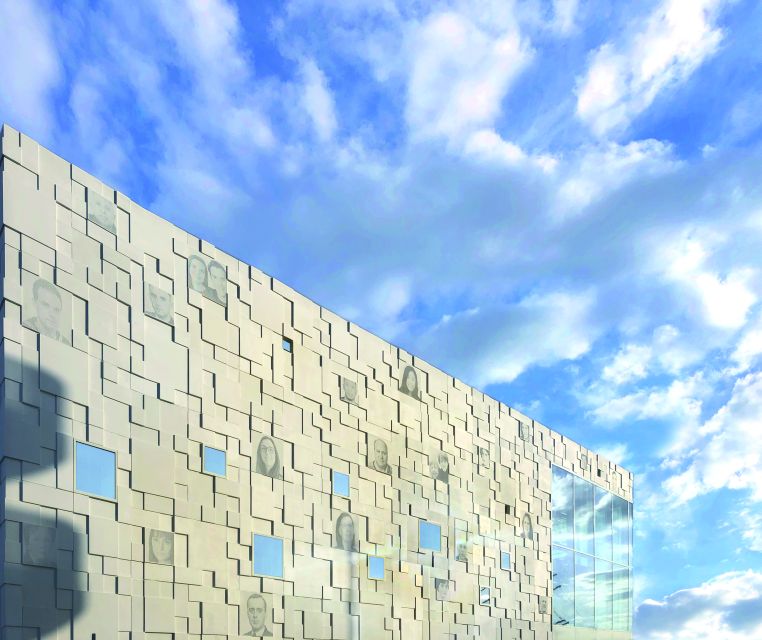
Bremerhaven was a major departure point for Europeans heading to the New World. The museum uses that setting to tell migration history from the point of view of the people who left, rather than presenting only dates, maps, and policy debates.
That choice matters. You begin with a farewell at the quay, where emigrants face the hard emotional moment of leaving home. From there, the experience follows the practical stages of departure, a sea crossing, immigration inspection, and the first steps in New York.
I like this structure because it gives you a clear human thread. You are not simply moving from one gallery to another. Your iCard ties the displays together through the story of one person. The technology is not there just for decoration. It helps you understand how a broad migration story could feel to one family or individual.
The museum focuses on about 7 million Europeans who left through Bremerhaven for a new life across the Atlantic. That number is difficult to picture on a label. The route through the museum makes it easier to grasp by placing one person inside that much larger movement.
A few more Germany trips to weigh up
- Dresden: Semperoper Tickets and Guided Tour
★ 4.7 · 12,102 reviews - Berlin: Jewish Museum Berlin Entrance Ticket
★ 4.5 · 8,393 reviews - Berlin: Berlin Story Bunker Entry Ticket
★ 4.6 · 6,759 reviews
Starting at the quay in Bremerhaven
Enter through the main entrance at Columbusstraße 65. Your electronic boarding pass, or iCard, begins the experience and acts as your key to many of the museum’s interactive features.
The first major section brings you to the quay. Here you meet emigrants from different European countries as they prepare to leave. The setting is built around departure, so the focus is not only on why people left, but also on what they gave up by going.
That emotional beginning gives the museum its strongest human touch. Families often had limited information about what awaited them. They were leaving familiar streets, languages, work, relatives, and customs for a country they knew mainly through letters, rumors, or hope.
As you move through this area, pay attention to the individual story attached to your iCard. It gives you a more direct way to connect with the displays. The audio stations and interactive points can add detail that a quick walk through a standard museum would miss.
You should not treat this as a fast photo stop. The museum asks you to listen, read, and interact. If you rush, you will still see the main settings, but you will lose much of the personal detail that makes the visit worthwhile.
Three eras of passenger shipping
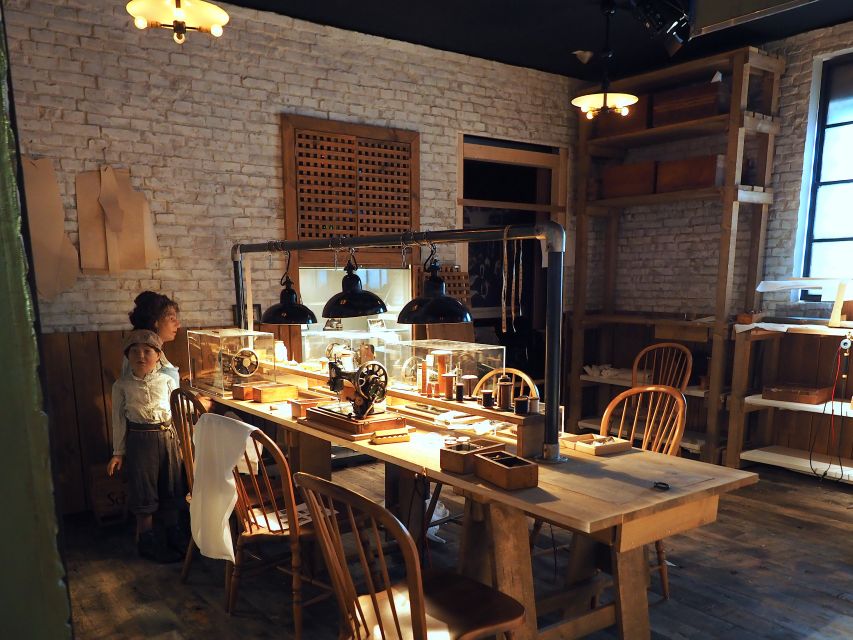
The next stage takes you aboard ship. The museum presents life at sea across three periods of passenger travel, which helps show how conditions changed over time.
One featured example is the ocean liner Columbus in 1929. This gives you a look at passenger shipping between the earlier era of mass emigration and the later period of more organized ocean travel. The ship sections are designed to help you picture daily life during a long Atlantic crossing.
The point is not simply to admire a ship interior. You are considering what it meant to spend days at sea with strangers, in an unfamiliar class of accommodation, while waiting for the next stage of the journey.
One useful practical detail: the recreated lower or intermediate ship decks can be narrow. A wheelchair user can get through the museum, but the old emigrant ship sections may require careful maneuvering. The museum is wheelchair accessible overall, yet that does not mean every historic-style passage feels spacious.
The ship displays also work well for families because they turn an abstract journey into a physical one. Children can see where a sea crossing happened, while adults can think about the cost, discomfort, and uncertainty behind the decision to leave Europe.
Ellis Island and the entry test
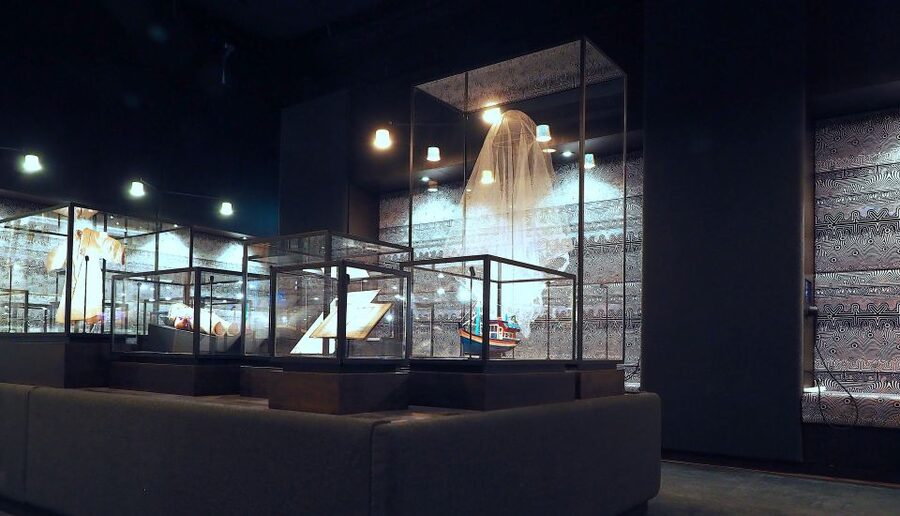
After the Atlantic crossing, the route moves to the immigration station on Ellis Island. This is where the journey changes from departure to permission.
At the legal desk, you undergo an immigration test and receive an entry permit before continuing. The setup shows that reaching America did not automatically mean being allowed to stay. New arrivals still had to meet official requirements and face the possibility of rejection.
This section is especially useful because it connects personal migration stories with government rules. A family could make enormous sacrifices to cross the ocean, only to face another examination at the end of the voyage.
The museum does not leave the story at the inspection desk. Once you have your permit, you continue toward Grand Central in New York. That shift takes you from the border process to the question of daily life in the New World.
I like that the experience does not present arrival as the finish line. Immigration is shown as a series of steps. Leaving home was difficult. Crossing the sea was difficult. Finding a place in a new country brought another set of problems.
Same city, a completely different kind of day:
- Berlin: Reichstag, Dome and Government District Guided Tour
★ 4.7 · 18,288 reviews - Berlin: 1-Hour City Tour by Boat with Guaranteed Seating
★ 4.3 · 16,993 reviews - Hamburg: Sex and Crime in St. Pauli Tour for Ages 18+
★ 4.7 · 15,447 reviews - Hamburg: 1.5-Hour Harbor and Speicherstadt Day Cruise
★ 4.6 · 14,200 reviews
New York and life after arrival
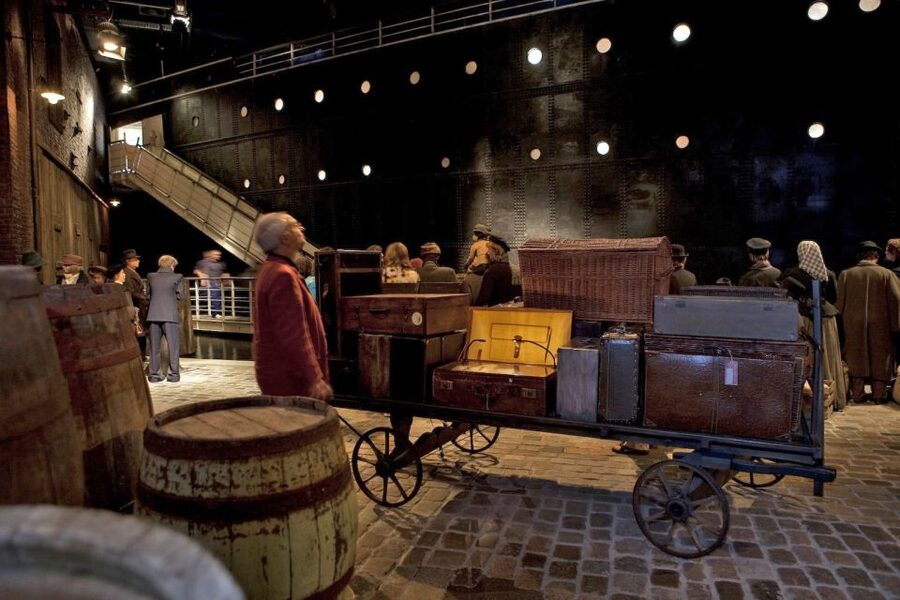
At Grand Central, the story opens out into the lives of emigrants in the New World. You learn more about what happened after the journey, including the wider conditions and forces that shaped migration.
This part gives needed balance to the romantic idea of starting over. A new life could offer work and opportunity, but it also meant adapting to unfamiliar surroundings and building a future from the ground up.
The museum covers immigration and emigration across 300 years, so it is not limited to one ship or one national story. You see migration as a recurring part of European and American history, shaped by personal hopes as well as economic, social, and political pressures.
The interactive format is useful here, but it can create one small frustration. The computer stations may be occupied when you reach them. If a particular station is busy, continue through the other displays and return later. You will get more from the museum if you treat the route as flexible rather than waiting at one screen for a long time.
The Family Research room
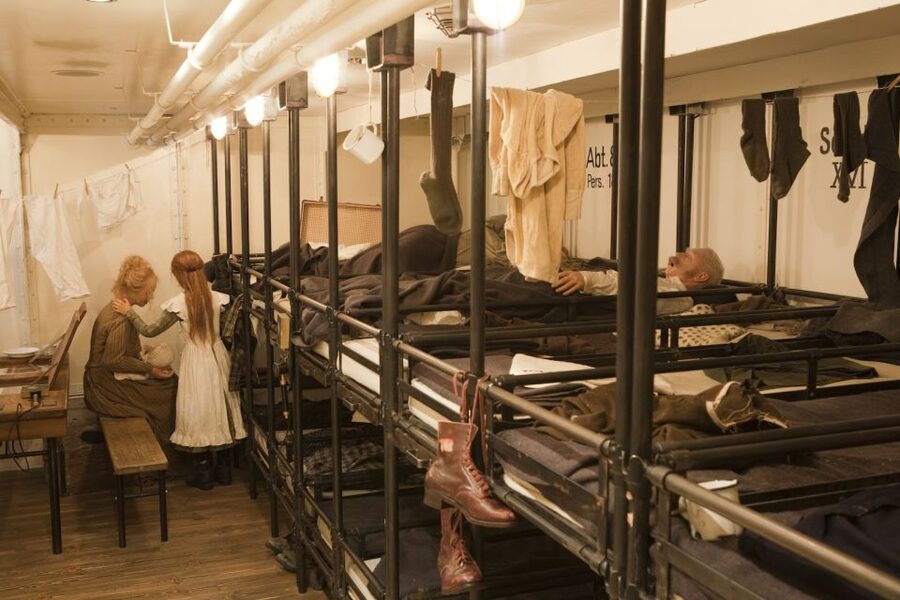
The most distinctive feature comes after the main historical route. In the Family Research room, you can investigate ancestors who emigrated to the New World.
This service is free, and a trained assistant is available to guide you through the research facilities. That makes the room approachable even if you have never built a family tree or searched immigration records before.
You should bring whatever family information you already have, such as names, approximate dates, countries of origin, or stories passed down through relatives. The supplied information does not promise that every family search will produce a result, so keep your expectations sensible. The value is in having a place to begin with guidance close at hand.
Even if you do not find a direct ancestor, the research room adds a personal finish to the museum. You have just followed one emigrant’s path, and now you can ask how your own family might fit into that larger movement.
Allow extra time for this section. If you rush through the exhibition and arrive near closing, you may not have the calm needed for a useful search. The museum specifically advises arriving at least two hours before closing to see the exhibition properly.
How much time should you allow?
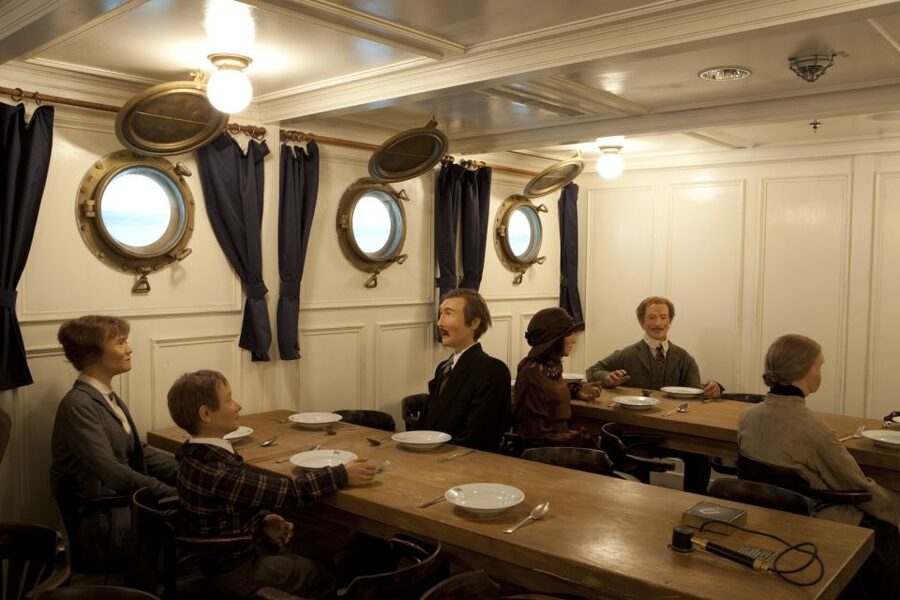
The ticket is valid for one day, rather than for a fixed short time slot. That gives you flexibility, but the visit still needs planning because the museum is built around a substantial route.
I would allow several hours if you want to listen to the audio material, use the interactive stations, and spend time in the Family Research room. The minimum practical advice is to arrive at least two hours before closing. Arriving later could leave you choosing between the main exhibition and the family-history search.
There is no separate guided tour or guide name provided with this ticket. Instead, the iCard leads you through the experience, with audio stations and interactive displays supplying the explanation.
That format suits you if you like setting your own pace. You can pause at a story that catches your attention, move past a busy computer, or return to a section later. It is less suitable if you prefer a live guide to explain every room and answer questions as you go.
Price and overall value
At $23 per person, this is not a bargain-basement museum ticket, but it offers more than a standard collection of static displays. You get a full-day admission window, the iCard experience, access to interactive material, and entry to the Family Research room.
The strongest value comes from the museum’s combination of scale and personal detail. You are learning about millions of European emigrants, yet the route keeps returning to one individual story. That balance helps the price feel reasonable for anyone interested in migration, family history, or social history.
The free research help also adds value. You do not pay an extra fee to begin looking for emigrated ancestors, and a trained assistant can help you use the facilities.
The price may feel less worthwhile if you only have a short time in Bremerhaven or plan to skim the displays. This is a museum that rewards attention. Give it enough time, and the ticket covers a serious historical experience rather than a quick attraction.
Accessibility, pets, and practical limits
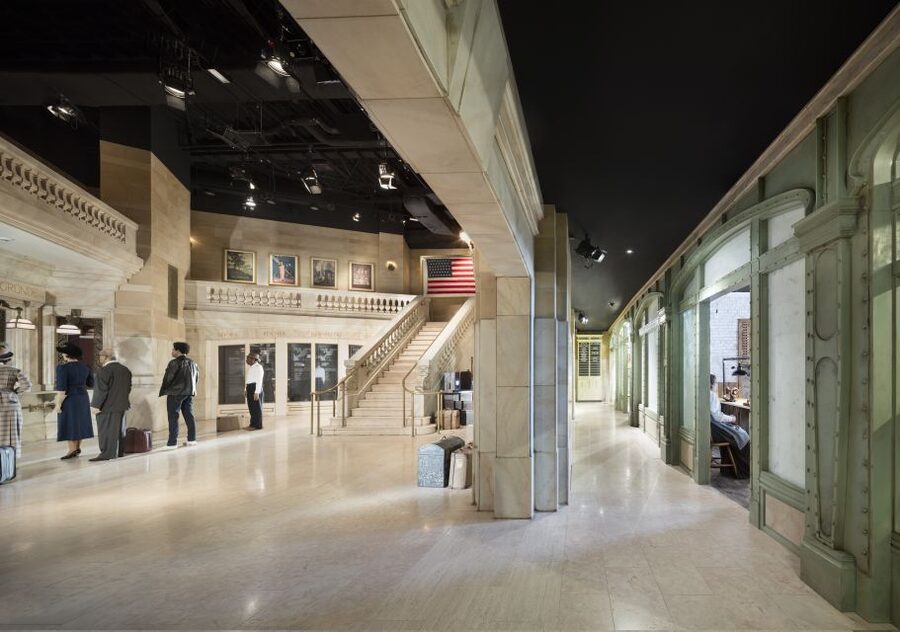
The museum is wheelchair accessible, but some historic ship sections are narrow. If you use a wheelchair, you should be comfortable maneuvering in confined spaces, especially on the recreated intermediate decks.
Pets are not allowed. Assistance dogs are permitted.
Food and drinks are not included, so plan accordingly. The ticket covers entrance only.
The activity begins and ends at the main entrance on Columbusstraße 65. You can cancel up to 24 hours in advance for a full refund, and a reserve-now, pay-later option is available if you want to keep your plans flexible.
Who will get the most from this visit?
I would choose this museum for anyone with a family connection to European emigration, an interest in Ellis Island, or curiosity about how ordinary people made the decision to leave home.
It is also a strong choice for families and school-age children who learn best through settings and activities rather than long rows of text. The ship sections, immigration test, and iCard system give younger visitors something to do while the adults take in the larger historical meaning.
You may find it less satisfying if you want a traditional art museum, a short indoor stop, or a highly personal live tour. The electronic boarding pass does much of the guiding, and some interactive stations may be occupied when you reach them.
For wheelchair users, the museum is accessible overall, but the narrow ship interiors deserve advance consideration. If close quarters are difficult, the rest of the museum may still be worthwhile, but you may not be able to experience every section comfortably.
Should you book the German Emigration Center?
Book it if you want migration history presented as a human journey rather than a list of dates. The farewell quay, the three shipping eras, the Ellis Island entry test, and the New York section create a clear route through the experience.
I especially recommend it if you can use the Family Research room. Bring your family names and dates, arrive early enough for several hours, and keep time available for both the exhibition and the search.
Skip it only if your schedule is too tight for the museum’s pace or if you prefer a live guide. At $23, it earns its price when you listen, interact, and follow the story carefully. A rushed visit would miss much of what makes this place special.
FAQ
Where does the German Emigration Center experience begin?
The experience begins at the main entrance at Columbusstraße 65 in Bremerhaven and ends back at the same meeting point.
How long is the ticket valid?
The ticket is valid for one day. Starting times depend on availability, so check the available options when booking.
How much time should I allow for the museum?
You should arrive at least two hours before closing to have enough time to visit the exhibition.
Can I research my own ancestors there?
Yes. The Family Research room offers a free service where a trained assistant can help you search for ancestors who emigrated to the New World.
Is the museum wheelchair accessible?
Yes, the museum is wheelchair accessible. Some recreated ship sections have narrow passages, so careful maneuvering may be needed.
Are food, drinks, or pets included or allowed?
Food and drinks are not included. Pets are not allowed, although assistance dogs are permitted.
Just added around Germany
- Aachen old town tour – GERMAN (public)★ 5.0 · 24 reviews
- Aachen Private Walking Tour With A Professional Guide★ 5.0 · 11 reviews
- Cologne Highlights: Exclusive Private Tour★ 5.0 · 5 reviews
- Bremen Private Walking Tour With A Professional Guide★ 5.0 · 7 reviews
- Private Walking Tour through the Fascinating Bremen’s City Center★ 5.0 · 5 reviews
- Explore Cologne’s best Street Art Quarter★ 4.5 · 4 reviews
- Bremen Exploration Private Game and City Tour on your Phone★ 4.5 · 7 reviews
- e-Scavenger hunt Bremen: Explore the city at your own pace★ 4.0 · 24 reviews
Tickets, compared.