
Reviewed · CITY TOURS
Berlin: Hansaviertel “The City of Tomorrow” Guided Tour
Berlin’s Hansaviertel is a bold postwar experiment hiding in plain sight. This two-hour walk shows how architects from Germany and abroad rebuilt a war-damaged district as a spacious, modern city after World War II. You get buildings, politics, design, and a useful look at Berlin beyond the usual sights.
I especially like the focus on 1957 International Building Exhibition architecture and the way the route links famous designers with everyday places such as a library, hospital, and U-Bahn station. I also like that guides such as Tobias and Mr. Schwabe bring humor and patience to a subject that could otherwise feel technical. The main drawback is that this is a specialist walking tour, so visitors seeking classic Berlin landmarks or indoor museum time may find it too narrow.
In This Review
- Key points to know before you go
- Why Hansaviertel matters in Berlin
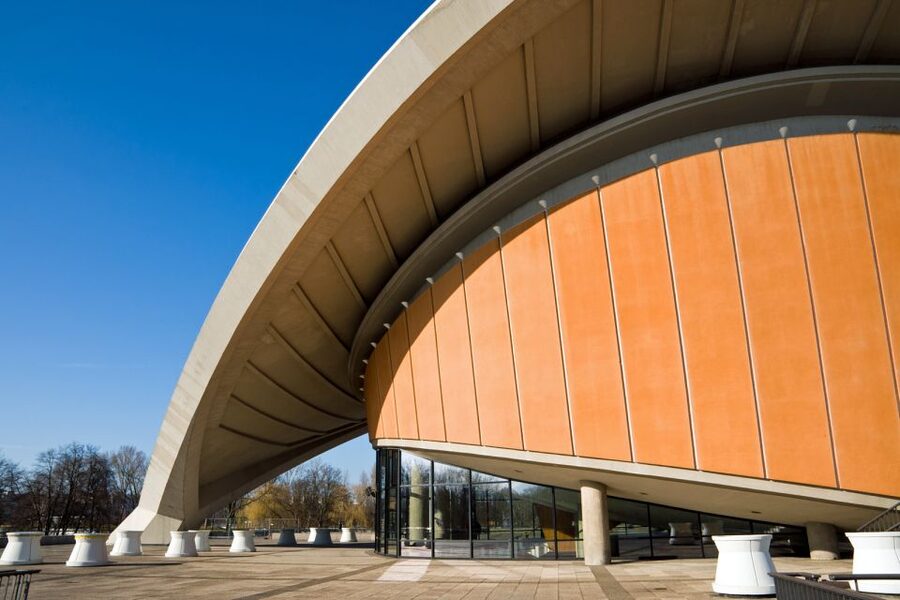
- Starting with the Berlin Pavilion
- Müller-Rehm/Siegmann House and the variety of modernism
- Gropius-Haus and the international design language
- Kaiser-Friedrich Memorial Church and the Swedish House
- Hansaplatz station, library, and hospital
- Van den Broek House, Schwippert House, and the Academy of Art
- What the guides add to the experience
- Timing, access, and the $23 price
- Who will enjoy Hansaviertel most
- Should you book this Berlin architecture walk?
- FAQ
- Where does the Hansaviertel tour meet?
- How long does the tour last?
- What languages are available?
- How much does the tour cost?
- Is the tour wheelchair accessible?
- What buildings are included?
- Is this an architectural tour?
- Does the tour cover Berlin’s history?
- Is the tour mainly outdoors?
- Can I cancel for a full refund?
- Do I have to pay when I book?
Key points to know before you go
- A rare look at Hansaviertel: Explore a district planned as a model of postwar urban living rather than a standard sightseeing quarter.
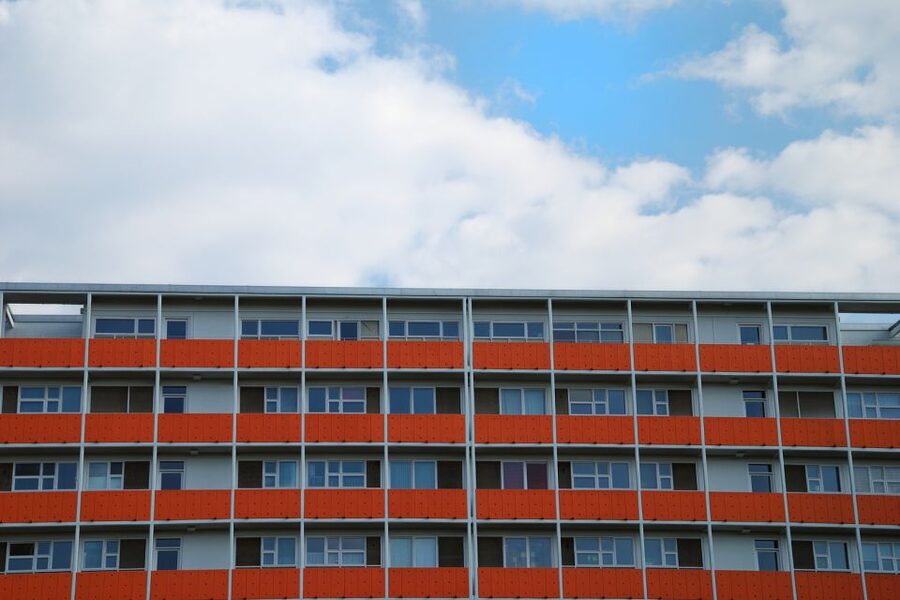
- Architecture from the 1957 exhibition: See buildings by German and international architects, including Gropius-Haus, the Van den Broek House, and the Schwippert House.
- A guide-led history lesson: Tobias and Mr. Schwabe are named guides associated with especially engaging tours, with explanations that connect buildings to Berlin’s political past.
- Two hours on foot: The pace is described as leisurely, but you will be outdoors and moving between several sites.
- Useful for architecture fans: The route covers homes, cultural buildings, transport, health care, and religious architecture.
- Good booking flexibility: The tour costs $23 per person, offers English or German guiding, wheelchair access, and free cancellation up to 24 hours before departure.
Why Hansaviertel matters in Berlin
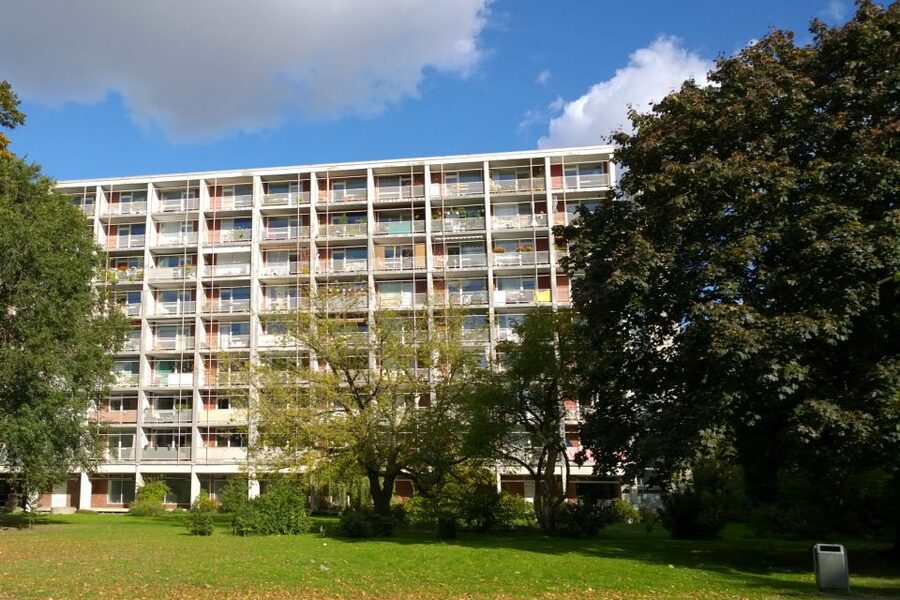
Hansaviertel tells a different story from Berlin’s medieval center, royal avenues, and Cold War checkpoints. Its key chapter begins after the Second World War, when much of the district needed a new plan. For the International Building Exhibition of 1957, planners and architects created a model neighborhood based on modern urban design.
The goal was a structured, spacious city. Instead of tightly packed blocks lining narrow streets, the new Hansaviertel used open areas, separated buildings, greenery, and varied high-rise and low-rise forms. The district was meant to show what the city of tomorrow could look like.
That idea carried political weight. Berlin was divided, and architecture became part of the argument over which side offered the better future. Hansaviertel represented a modern West Berlin vision, while East Berlin was developing its own grand urban projects. You do not need a degree in architecture to follow the story, but the political setting gives the buildings more meaning.
I find this the strongest reason to book the tour. You are not just looking at unusual façades. You are seeing how a city tried to express freedom, progress, and a new way of living through streets and buildings.
A few more Berlin trips to weigh up
- Berlin: Reichstag, Dome and Government District Guided Tour
★ 4.7 · 18,288 reviews - Berlin: Government District around the Reichstag Guided Tour
★ 4.7 · 8,447 reviews - Berlin: Hidden Backyards Guided Walking Tour
★ 4.8 · 5,360 reviews
Starting with the Berlin Pavilion
The Berlin Pavilion is one of the first important stops. It helps set the tone for the route and introduces the exhibition’s ideas before you move through the neighborhood itself.
The pavilion is useful as a starting point because Hansaviertel can initially seem like a collection of unrelated modern buildings. A guide gives those buildings a shared purpose. You learn to look for the planning choices behind them: distance between structures, open space, clean lines, and the attempt to make housing part of a larger civic setting.
This is also where a guide can help you notice details you might otherwise pass without a second thought. The tour is not simply a march from one address to the next. It asks you to compare buildings and think about how each architect handled space, light, function, and public life.
The route is especially rewarding if you carry a phone or small camera for reference photos, although the real value is the explanation attached to each view. Without context, modernist buildings can look plain. With context, their proportions and placement begin to make sense.
Müller-Rehm/Siegmann House and the variety of modernism

The Müller-Rehm/Siegmann House gives you an early example of the district’s residential architecture. It is one of the places where the tour shows that Hansaviertel was not built around a single visual formula.
That variety is important. The 1957 exhibition brought together architects with different national backgrounds and design habits. Some buildings feel more formal, some more experimental, and others more practical. The result is an eclectic group of structures that still belong to one planned district.
I like this part of the route because it moves the discussion away from famous names alone. A house can reveal just as much about the exhibition’s aims as a grand cultural building. You see how modern design entered ordinary daily life, not only museums and government offices.
The supplied route information does not promise entry into every building, so you should expect the main experience to be exterior viewing and guided explanation. That is not a serious flaw for an architecture walk, but it matters if you want a tour centered on interiors.
Gropius-Haus and the international design language
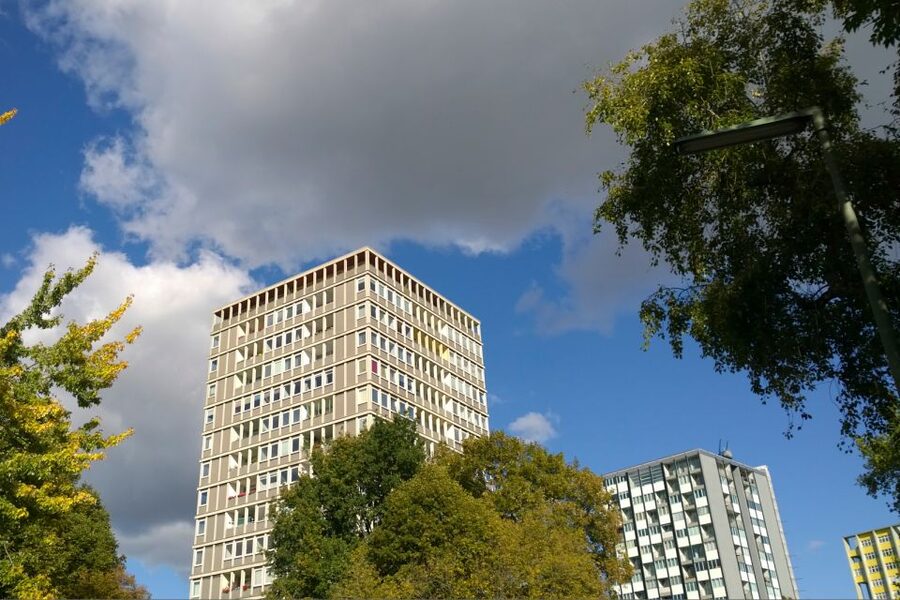
The Gropius-Haus is one of the route’s major architectural highlights. Its name connects the neighborhood with Walter Gropius, one of the best-known figures in modern architecture.
Here, the guide can help you separate genuine design features from vague labels such as modern or minimalist. Look closely at the building’s form, surfaces, windows, and relationship to the surrounding open space. The point is not simply that it looks different from older Berlin. It reflects a deliberate attempt to make housing and public space work together in a new way.
Gropius-Haus also helps explain why Hansaviertel attracts people who already care about twentieth-century design. This is not just a district with a few interesting façades. It is a concentrated display of ideas from the postwar period, placed within a functioning neighborhood.
If you are visiting Berlin for its museums and historic monuments, this stop provides a useful change of pace. It shows the city’s past through planning and design rather than ruins, royal power, or border controls.
Same city, a completely different kind of day:
- Berlin: 1-Hour City Tour by Boat with Guaranteed Seating
★ 4.3 · 16,993 reviews - Berlin: Boat Tour Along the River Spree
★ 4.4 · 11,252 reviews - Discover Berlin Half-Day Walking Tour
★ 5.0 · 9,624 reviews - Berlin: Hop-on Hop-off Bus Tour with Live Commentary
★ 4.3 · 8,579 reviews
Kaiser-Friedrich Memorial Church and the Swedish House
The Kaiser-Friedrich Memorial Church adds a different note to the route. In a district known for new construction and forward-looking design, the church brings religious and historical themes into the picture.
The presence of the church helps prevent Hansaviertel from being reduced to a clean architectural exercise. Berlin’s past was not erased when the district was rebuilt. Older memories, wartime damage, postwar ambition, and daily community life all meet here.
The Swedish House is another useful comparison. Its inclusion shows the international character of the exhibition and gives you another chance to compare national approaches within the same planned setting. You may not remember every architectural term after the walk, but you will understand that Hansaviertel was intended as a showcase with a broad European and international reach.
These stops also break up the residential sequence. You move between housing, worship, culture, transport, and public services. That makes the tour more useful than a simple list of architect-designed homes.
Hansaplatz station, library, and hospital
The U-Bahn station at Hansaplatz is a particularly practical stop because it shows how transport was built into the district’s plan. A modern neighborhood needs more than attractive buildings. It needs ways for residents to reach the rest of Berlin.
The Hansaviertel Library and Hansaviertel Hospital add two more pieces of the same puzzle. Together, these sites show the planned neighborhood as a place for ordinary life. Reading, health care, commuting, and housing were all part of the city of tomorrow.
I appreciate this broad route. It gives you a better sense of how planners thought about a complete district rather than a set of showcase buildings. You also get a stronger feel for the human scale of the project. The library and hospital may not be the most dramatic sights, but they help answer a basic question: how was this new city meant to function?
Because the walk covers several types of buildings, it is a good choice for anyone interested in urban planning as well as architecture. You do not need to admire every structure equally. The comparisons are part of the point.
Van den Broek House, Schwippert House, and the Academy of Art
The Van den Broek House and Schwippert House add more residential examples to the walk. Each gives the guide another chance to explain how architects responded to the exhibition brief and to the larger idea of modern city living.
The tour’s strength is the range of names and approaches. You see that Hansaviertel was not the work of one office or one national school. The buildings reflect a period when architects were testing new forms and trying to match design with social ideals.
The Academy of Art provides a cultural finish to this group of stops. It broadens the story beyond housing and public services, showing that art and civic life were also part of the planned district. The Academy is one of the places that makes the route feel tied to Berlin’s cultural identity, not simply to residential construction.
This section can be demanding if you are not used to listening closely while walking. There are many names, buildings, and ideas in two hours. I suggest taking brief notes if one architect or structure catches your attention. The tour gives you a strong introduction, but you may want to explore further on your own afterward.
What the guides add to the experience
The guide is central here. Architecture tours can easily turn into a string of dates and designer names. The strongest reports about this experience point to Tobias as personable, funny, patient, and deeply informed about both Hansaviertel and Berlin’s wider story. Mr. Schwabe is also specifically praised for clear, high-level information and a kind manner.
That matters because the district needs interpretation. A building’s appearance does not always explain why it was created or what it meant in divided Berlin. A good guide connects the physical setting with the exhibition, postwar reconstruction, and the political contrast between East and West.
You should also feel free to ask questions. Tobias is noted for taking time with questions and adding humor to the walk. That patient style is useful when the group has mixed levels of interest. An architecture enthusiast can ask about design, while a first-time visitor can focus on the basic story.
Tours are offered in English and German. The meeting point can vary by the option booked, and tours can also be arranged from specific points at certain times. Check your booking details carefully rather than assuming every departure uses the same starting place.
Timing, access, and the $23 price
At $23 per person, this is a fair price for a two-hour guided walk, especially if you value explanation more than entertainment. You are paying for a focused subject, a live guide, and access to a part of Berlin that many people skip. The price is less compelling if you only want to see postcard sights or prefer to wander without a set theme.
The two-hour length works well. It is long enough to build a story and visit a substantial group of buildings, but short enough to fit around other Berlin plans. The pace is described as leisurely, though you should still wear comfortable shoes and be ready to remain outside for much of the experience.
Wheelchair access is listed, which makes the tour more approachable than many older-city walking routes. Since the meeting point and exact route can vary by booking option, confirm the practical details before setting out.
English and German are available, and the tour includes the guide and walking tour itself. There is no indication that meals, transport beyond the walking route, or building entry is included, so plan for a guided exterior tour unless your chosen option says otherwise.
Free cancellation up to 24 hours before departure and reserve-now, pay-later booking add useful flexibility. The latter is handy if you are still arranging a Berlin itinerary, though you should always check the selected option for its exact meeting time.
Who will enjoy Hansaviertel most
I would choose this tour if you have an interest in architecture, postwar Europe, city planning, or Berlin’s divided past. It also suits repeat visitors who have already seen the Brandenburg Gate, Museum Island, and the Berlin Wall sites and want a less familiar side of the city.
The route works for curious first-time visitors too, provided you enjoy looking closely and listening. Several people with years of life in Berlin had never explored Hansaviertel before, which tells you how easily this district slips past even local attention.
You may want another activity instead if your priority is royal Berlin, wartime landmarks, nightlife, or major museum collections. This tour will not replace those experiences. It offers something quieter and more specialized.
Families with older children may find the story useful, particularly if they are studying design or twentieth-century history. Very young children may find two hours of architectural explanation slow, and the tour data does not provide a child-specific format.
Should you book this Berlin architecture walk?
Book it if you want to understand why Hansaviertel looks the way it does. For $23, you get a compact lesson in postwar planning, a long list of distinctive buildings, and a guide who can turn unfamiliar streets into a readable story.
I would be especially keen to join with Tobias, whose approach combines humor, patience, and strong subject knowledge. The tour also makes sense for architecture fans considering a related walk about Karl-Marx-Allee, since the two areas offer contrasting visions of postwar Berlin.
Skip it if you want interiors, major monuments, or a broad introduction to all of Berlin. Choose it if you want the city’s less obvious story, told through homes, churches, stations, libraries, hospitals, and public buildings. Hansaviertel is not flashy, but it gives you a sharp view of how Berlin tried to build a new future after a very difficult past.
FAQ
Where does the Hansaviertel tour meet?
The meeting point can vary depending on the option you book. Specific starting points and times may also be arranged, so check the details for your selected tour.
How long does the tour last?
The walking tour lasts two hours.
What languages are available?
You can take the tour with a live guide in English or German.
How much does the tour cost?
The listed price is $23 per person.
Is the tour wheelchair accessible?
Yes, the activity is listed as wheelchair accessible.
What buildings are included?
The route includes the Berlin Pavilion, Müller-Rehm/Siegmann House, Gropius-Haus, Kaiser-Friedrich Memorial Church, the Swedish House, Hansaplatz U-Bahn station, Hansaviertel Library, Hansaviertel Hospital, Van den Broek House, Schwippert House, and the Academy of Art.
Is this an architectural tour?
Yes. The tour focuses on Hansaviertel’s architecture and its redesign for the 1957 International Building Exhibition.
Does the tour cover Berlin’s history?
Yes. The guide explains the district’s postwar development and connects its architecture with Berlin’s turbulent past and modern urban planning.
Is the tour mainly outdoors?
It is described as a walking tour through Hansaviertel, with stops to see buildings and public places. The supplied information does not promise entry into every building.
Can I cancel for a full refund?
You can cancel up to 24 hours in advance for a full refund.
Do I have to pay when I book?
The reserve-now, pay-later option lets you keep your plans flexible and pay nothing at the time of booking.
Just added around Berlin
- Love and War in Berlin: Self-Guided Story Puzzle Walk★ 5.0 · 7 reviews
- Rickshaw Tours Berlin – Groups of up to 16 people with several rickshaws★ 4.0 · 97 reviews
- Walking on the Wall: 3-Hour Tour in Berlin★ 4.5 · 34 reviews
- eSIM for Germany and 34 European Countries★ 4.5 · 16 reviews
- Warnemuende Shore Excursion: Berlin Private Sightseeing Tour from Rostock★ 5.0 · 4 reviews
- Your ticket to The Wall Museum Berlin★ 3.0 · 60 reviews
- Warnemuende Shore Excursion: Private Berlin Tour★ 4.5 · 27 reviews
- Berlin’s Gay, Lesbian, and Queer Scene Small-Group Walking Tour★ 4.5 · 66 reviews
City Tours, compared.

1-Hour City Tour by Boat with Guaranteed Seating
Read our review →
City History Canal Sightseeing Tour on a Motorboat
Read our review →




Browse the lists this tour appears in