
Reviewed · BIKE TOURS
Berlin: Green City Guided Bike Tour
Berlin’s green side is easy to miss if you stay around Museum Island and Brandenburg Gate. This bike tour takes you north and northeast from Kulturbrauerei, following the Panke River through parks, former industrial spaces, community projects, and places tied to Berlin’s divided past.
I like two things right away: the route connects nature with urban change, and the relaxed pace gives you time to stop rather than simply pedal past. You also get a practical choice of bicycles at the start, with baskets, helmets, gloves, trouser clips, sunscreen, and rain ponchos available. The main drawback is that the experience may feel slow or light on major sights if you want a fast tour of Berlin’s famous center.
In This Review
- Key points of the Berlin Green City Bike Tour
- Why this bike ride shows you a different Berlin
- Starting at Kulturbrauerei in Prenzlauer Berg
- Following the Panke toward Gesundbrunnen
- Mauerpark and the story of a divided city
- Volkspark Humboldthain and the WWII bunker
- Bürgerpark Pankow and Schönholzer Heide
- Sustainability, reused factories, and gentrification
- How much value you get for $41
- Who should book this ride
- Practical details before you pedal away
- Should you book the Berlin Green City Guided Bike Tour?
- FAQ
- Where does the Berlin Green City Bike Tour begin?
- How long does the bike tour last?
- Which languages are available?
- What places does the route visit?
- Is a bicycle included?
- Can I get a helmet or gloves?
- What should I wear?
- Can children join the tour?
Key points of the Berlin Green City Bike Tour
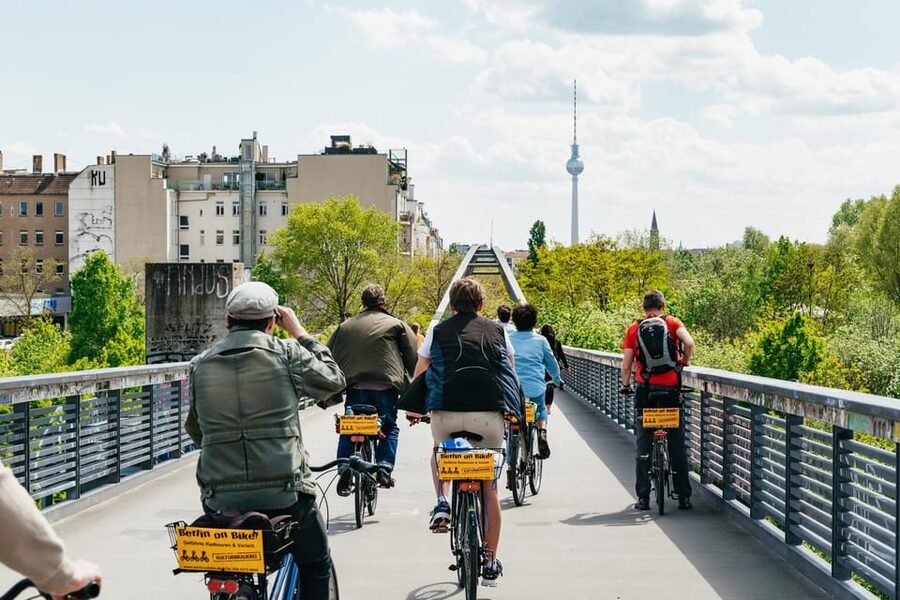
- A north Berlin route: Ride from Prenzlauer Berg toward Gesundbrunnen, Pankow, and Schönholzer Heide.
- The Panke River: See a small waterway at the center of Berlin’s plans for cleaner, greener public space.
- History without a museum visit: Stop at Mauerpark and the WWII bunker in Volkspark Humboldthain.
- A relaxed riding style: The tour includes regular pauses for photographs and discussion.
- Flexible equipment: Choose from a large bicycle fleet, with baskets for a lightweight bag.
- A thoughtful city theme: Hear about urban art, reused factories, gentrification, housing, culture, and nature.
Why this bike ride shows you a different Berlin
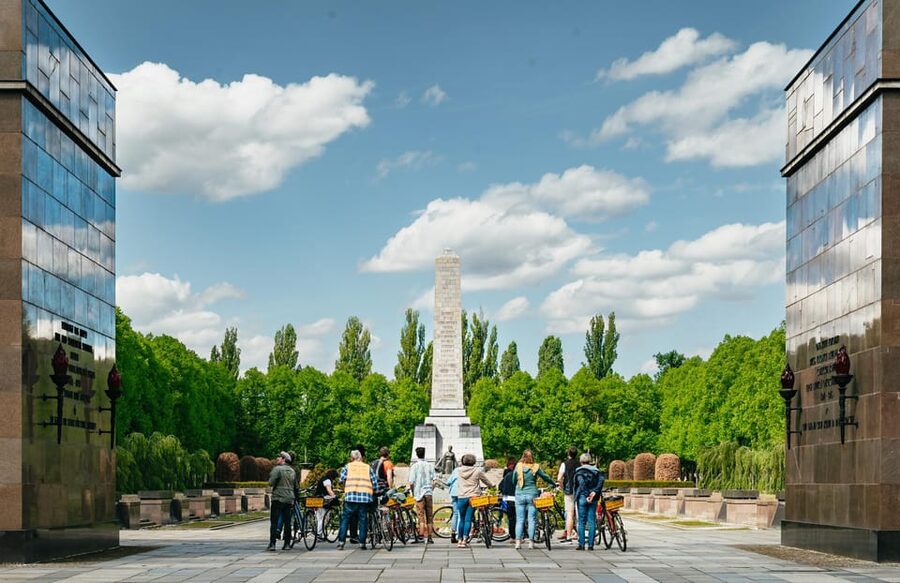
Berlin is a good city for seeing by bicycle, but its best cycling routes are not always the most famous ones. This excursion avoids a simple checklist of monuments and instead looks at how Berlin is changing block by block.
You begin in Prenzlauer Berg, a district known for its courtyards, old buildings, cafés, and former industrial sites. From there, the route heads northeast toward Gesundbrunnen. That direction matters. You leave the tourist core behind and see parts of the city where parks, old factories, waterways, housing pressure, and creative projects sit close together.
The ride is not built around speed. You stop to look, listen, and take photographs. That makes the tour useful early in a Berlin visit, when you want to understand the city’s shape and character. It also works later in your stay, when you have seen the central sights and want a quieter, more local-feeling outing.
The guide speaks German or Dutch. The discussion centers on Berlin’s green spaces, sustainability, architecture, urban art, and the effects of gentrification. You should not expect a formal lecture at every stop. The strength of the trip is the connection between places: a river restoration project can lead to a conversation about public space, while a repurposed factory can open a discussion about culture and housing.
More Bike Tours in Berlin
- Berlin: Sights and Highlights Bike Tour with a Local Guide
★ 4.8 · 2,698 reviews - Berlin Highlights 3-Hour Bike Tour
★ 5.0 · 948 reviews - Berlin City Bike Tour with Beer Garden Stop
★ 5.0 · 917 reviews
Starting at Kulturbrauerei in Prenzlauer Berg
The meeting point is Kulturbrauerei, a former brewery complex in Prenzlauer Berg. Use the entrance at Knaackstraße 97, close to the corner of Danziger Straße, and follow the yellow signs marked Berlin on Bike.
The location is easy to reach. Eberswalder Straße station is three stops from Alexanderplatz, so you can get there without a long cross-town journey. Arrive with comfortable clothing and shoes, then choose the bicycle that fits you best from the available fleet.
That equipment choice is more useful than it sounds. A poorly sized bicycle can make three hours feel much longer, especially if you are not used to city cycling. You can request a helmet and gloves, and the bikes have baskets for a small, lightweight bag. Trouser clips help if you are wearing loose clothing.
The operator also provides sunscreen and has rain ponchos for bad weather. Still, you should dress for the forecast. Comfortable shoes matter more than sporty cycling gear, and a compact bag is easier to manage than a full daypack.
Following the Panke toward Gesundbrunnen
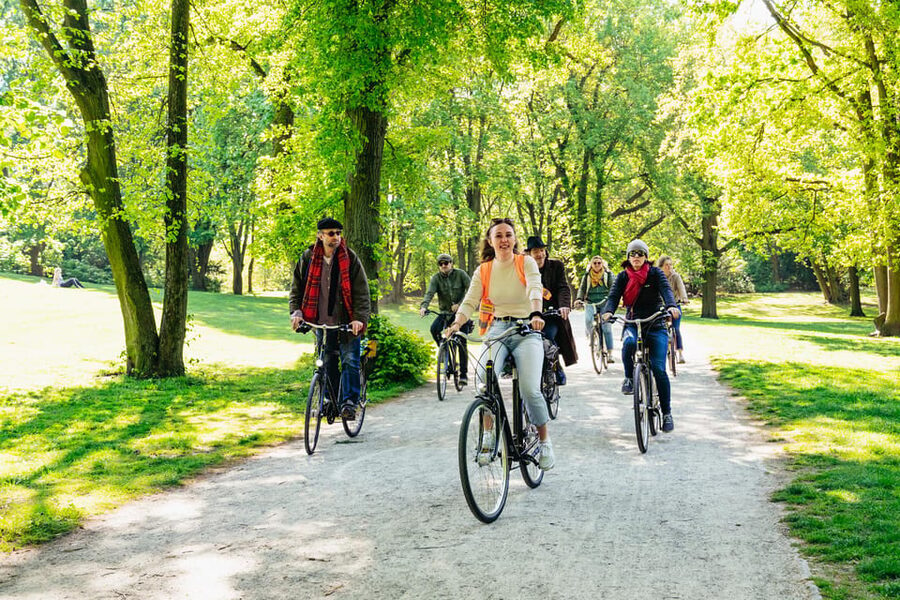
From Kulturbrauerei, the route moves toward northeast Berlin and the Gesundbrunnen district. The Panke River becomes the thread of this part of the ride.
The Panke is not the broad, grand river many people picture when they think of Berlin. That is exactly why it makes a good subject for this tour. Along the water, you get a closer look at how a city can rethink small natural features. The emphasis is on renaturation, or restoring a more natural river setting, and on making room for plants, water, people, and wildlife within a dense urban area.
This section helps explain the tour’s main idea. Berlin’s green spaces are not only large parks. They include riverbanks, former industrial corners, paths, courtyards, and bits of land that can be given a new purpose.
The route also gives you a sense of urban transformation. You might see creative spaces and former factories repurposed for cultural use, alongside ordinary residential areas. The guide uses these settings to discuss how Berlin tries to balance housing, art, public access, and nature.
This is the part most likely to feel less exciting if you want constant landmarks. The reward is context rather than spectacle. You are seeing the practical edges of the city, where decisions about development have a direct effect on daily life.
Mauerpark and the story of a divided city
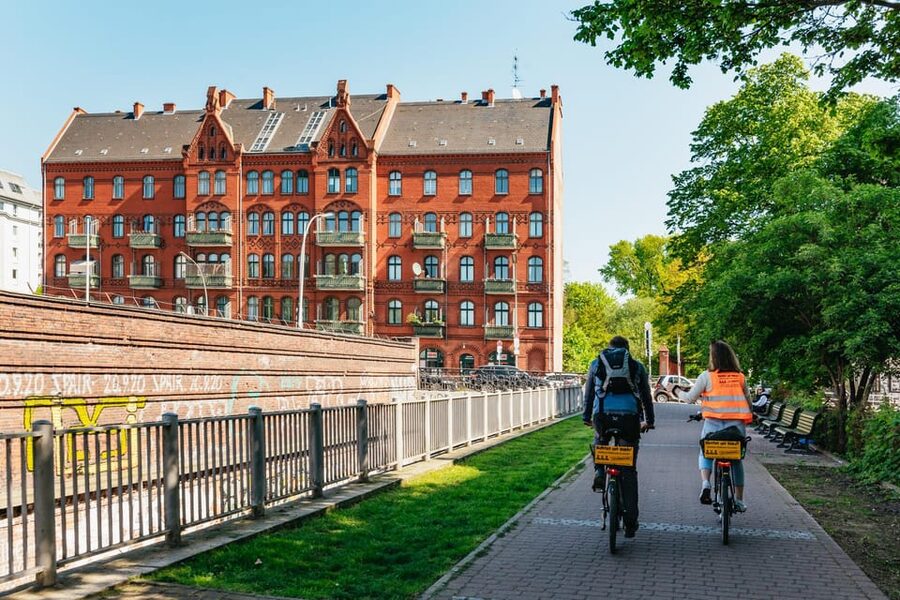
Mauerpark is one of the liveliest stops on the route. Its name refers to the Berlin Wall, and the park occupies a former border area. Today, it is a community meeting place, but its past gives the open space extra weight.
A guide can help you read the park as both a social place and a historical one. The Wall is not treated as an isolated monument here. Instead, you consider what the border meant for neighborhoods, movement, and the shape of Berlin.
This stop has a nice balance of history and present-day life. You get an urban park used by local communities, while also learning how the site fits into the city’s divided past. The setting makes the history easier to grasp than a list of dates in a museum.
One piece of feedback about the tour praised the different perspective on the Berlin Wall and its context. That is a good clue about what this excursion does best. It is not a full Wall history tour, but it can give you a more connected view of how historical sites fit into modern Berlin.
Mauerpark can also be one of the more active points on the route. If you prefer peace and quiet, the next stop offers a clear change of mood.
Same city, a completely different kind of day:
- Berlin: Reichstag, Dome and Government District Guided Tour
★ 4.7 · 18,288 reviews - Berlin: 1-Hour City Tour by Boat with Guaranteed Seating
★ 4.3 · 16,993 reviews - Berlin: Boat Tour Along the River Spree
★ 4.4 · 11,252 reviews - Discover Berlin Half-Day Walking Tour
★ 5.0 · 9,624 reviews
Volkspark Humboldthain and the WWII bunker
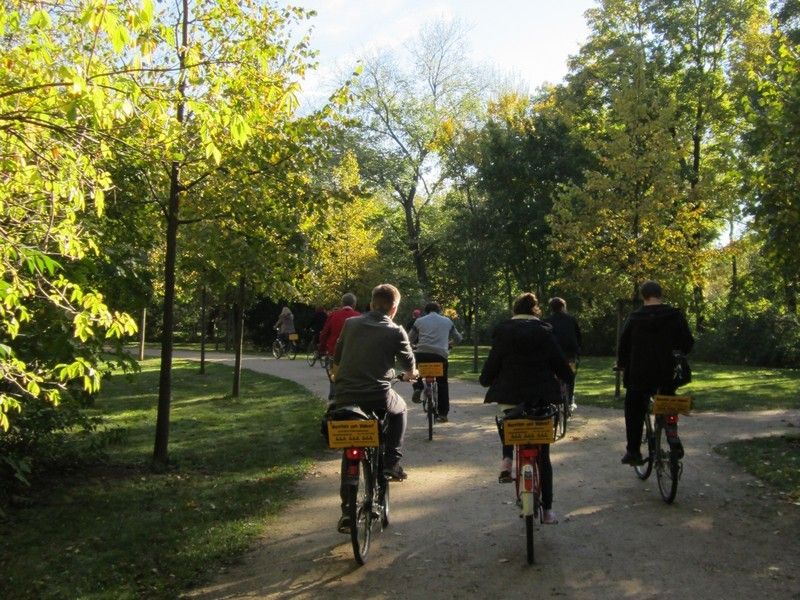
Volkspark Humboldthain brings you into a quieter, more wooded setting. Its most striking feature is a WWII bunker, a reminder that Berlin’s parks can hold difficult history beneath their green surfaces.
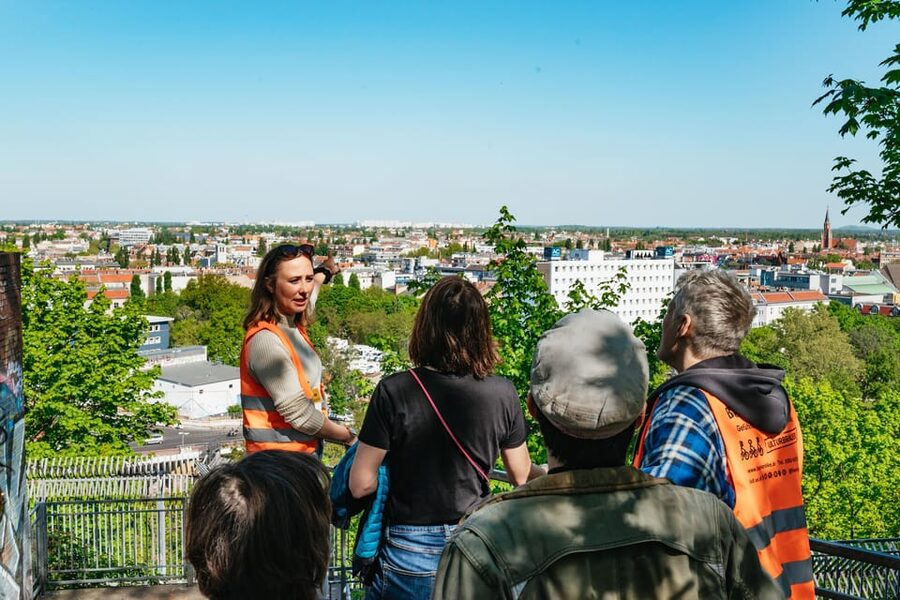
The park also offers views over the city. This gives you a chance to pause, catch your breath, and take photographs. The contrast is strong: trees and open paths on one side, a massive wartime structure and city views on the other.
This stop is valuable because it avoids treating Berlin’s past as something confined to grand memorials. The bunker is part of an everyday public park. You can think about war, reconstruction, and how cities reuse or live alongside the remains of earlier eras.
The guide may also connect the park to Berlin’s wider approach to public green space. A park can serve as a place for exercise, relaxation, history, and city views at the same time. You do not need a long stop here for the contrast to register.
The route is designed to be relaxed, but you should still be comfortable on a bicycle. The tour includes several hours in the saddle, even though the pace is not described as strenuous. The advertised duration is listed as three hours and also as 210 minutes, so allow roughly three and a half hours in your schedule.
Bürgerpark Pankow and Schönholzer Heide
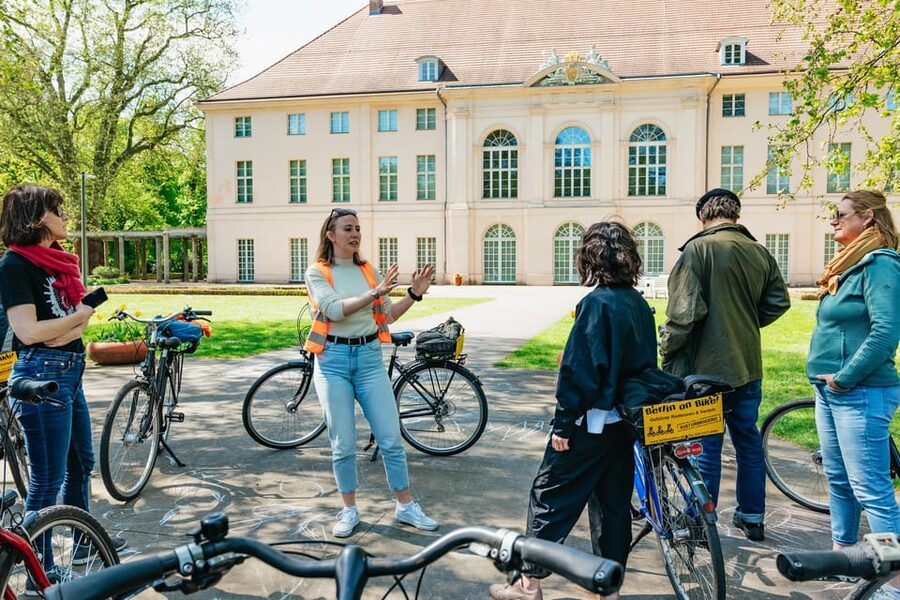
After Humboldthain, the route continues toward Bürgerpark Pankow. This is another chance to see how Berlin’s public parks differ from one another. Instead of one famous centerpiece, the tour gives you a sequence of green spaces, each with its own setting and feel.
Bürgerpark Pankow is a good place to slow down and enjoy the ride. You are farther from the main tourist center, and the route’s theme becomes clearer: Berlin’s green areas are part of the city’s everyday structure, not just decorative breaks between buildings.
The final natural stop is Schönholzer Heide. Here, the ride gives you more breathing room and a chance to unwind before returning. The park helps make the tour feel like an outing rather than a standard city sightseeing loop.
For me, the value of these parks lies in the comparison. You see how a former border site, a park containing a bunker, a riverside route, and a broad wooded area can all tell different parts of Berlin’s story.
The drawback is simple: if you want the Brandenburg Gate, Reichstag, Museum Island, and Checkpoint Charlie in one ride, this is the wrong route. Those central attractions are not the focus. You are paying for a closer look at northern Berlin and its relationship with nature.
Sustainability, reused factories, and gentrification
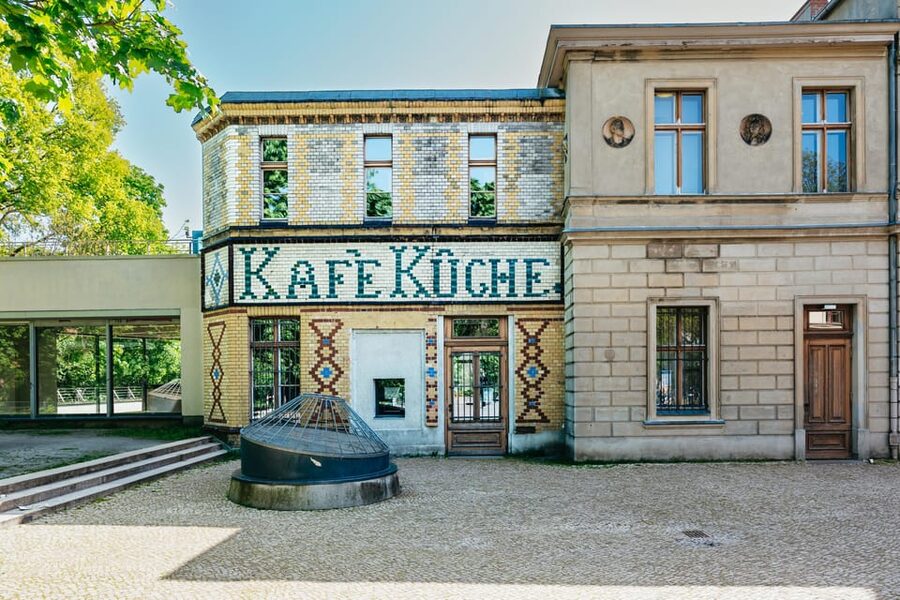
The tour’s green theme goes beyond pointing out trees. It looks at the arguments behind Berlin’s future as a city.
At the Panke, you hear about river renaturation and the effort to improve the relationship between water and urban life. At creative spaces, you see how old factories can be reused for culture instead of being erased or left empty. These examples make sustainability feel practical rather than abstract.
The guide also discusses gentrification. That topic is important in Berlin because parks, art spaces, renovated buildings, and new housing can improve an area while also making it harder for some residents and cultural groups to remain there.
A bicycle is a useful way to explore this subject. You move across districts instead of seeing one polished area. The changing streets and public spaces help you notice how different parts of the city fit together.
Do not book this excursion expecting a technical course in city planning. The exact depth will depend on the guide and the group. The German and Dutch language options are clear, but no English-language tour is listed, so check carefully before booking if you need English commentary.
How much value you get for $41
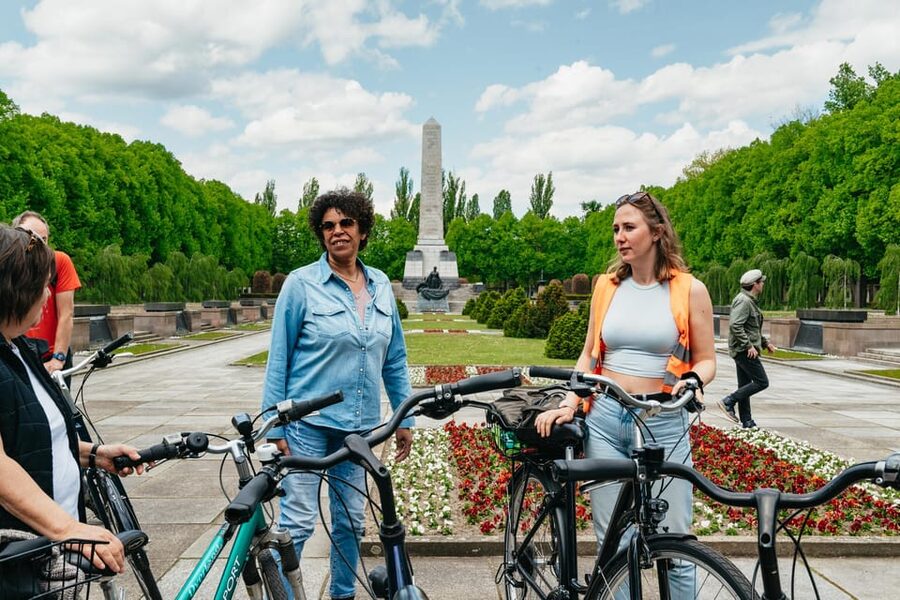
At $41 per person, this is reasonably priced for a guided bicycle outing lasting 210 minutes. The fee includes the bicycle, and basic items such as a helmet, gloves, sunscreen, trouser clips, and weather ponchos are available.
The value depends on how you like to sightsee. If you are comfortable exploring Berlin by yourself, you could visit several parks at little cost. You would not get the same route planning, bicycle setup, or conversation about the Panke, reused factories, urban art, and gentrification.
If you are new to Berlin, the tour can save you from spending a day guessing which northern paths connect. You also get a broad introduction to areas that are easy to skip when you rely only on the central U-Bahn stops.
I would consider the price fair for someone who wants interpretation and a prepared route. It is less compelling if you are mainly looking for famous monuments or prefer to set your own pace. One person found the tour a little boring after taking several bicycle tours elsewhere in Europe, so experienced cycling sightseers should weigh that point honestly.
The strongest value comes when you are curious about the city’s systems and changes. The tour is not simply transport between attractions. It uses the bicycle to show how water, parks, culture, history, and housing pressures meet.
Who should book this ride
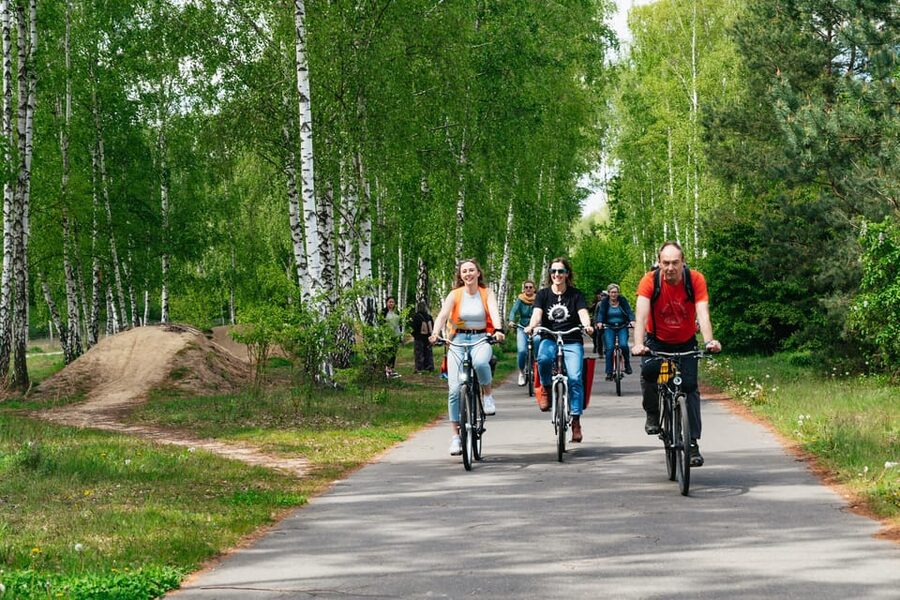
I would recommend it to adults and older children who enjoy easy urban cycling and want a side of Berlin beyond the postcard sights. The minimum age is 10, and the activity is not suitable for people over 95.
It is also a good match for anyone who likes to ask how cities work. You will get the most from it if subjects such as public parks, creative reuse, urban art, sustainability, and gentrification interest you.
A small group can make the outing especially flexible. When only two people are on the tour, the route can be shaped more closely around their interests, as one small-group experience demonstrated. You should not count on a private tour, but a smaller departure may allow more conversation.
I would be cautious if you dislike bicycles, need English commentary, or want a high-energy tour packed with famous sights. The pace is intentionally relaxed, and the route favors northern Berlin’s parks and social history.
Practical details before you pedal away
Meet at Kulturbrauerei in Prenzlauer Berg, using Knaackstraße 97 as the easiest entrance. Eberswalder Straße is the nearest metro station, and it is only three stops from Alexanderplatz.
Wear comfortable shoes and clothes. The bikes have baskets, but they are intended for a lightweight bag, not large luggage. Alcohol and drugs are not allowed on the activity.
You can cancel up to 24 hours before departure for a full refund. The reserve-now, pay-later option also gives you some flexibility if your Berlin plans are still changing.
The tour is offered in German and Dutch. Check the available start time when booking, since departure times can vary. Because the stated duration is 210 minutes, avoid scheduling a tight museum reservation immediately afterward.
Should you book the Berlin Green City Guided Bike Tour?
Book this tour if you want to understand Berlin through its parks, waterways, reused industrial spaces, and complicated recent past. The Panke, Mauerpark, Humboldthain bunker, Bürgerpark Pankow, and Schönholzer Heide give you a varied route, while the guide adds meaning to places you might otherwise pass without noticing.
Skip it if your main goal is a quick survey of central monuments or if you have already taken many similar city bike tours and need a more dramatic route. For the right person, $41 buys a well-planned ride and a useful introduction to how Berlin balances nature, culture, housing, and memory.
FAQ
Where does the Berlin Green City Bike Tour begin?
The tour begins at Kulturbrauerei in Prenzlauer Berg. The best entrance is at Knaackstraße 97, near the corner of Danziger Straße. Follow the yellow Berlin on Bike signs.
How long does the bike tour last?
The duration is listed as three hours and also as 210 minutes. Plan for about three and a half hours.
Which languages are available?
The live guide speaks German or Dutch. An English-language option is not listed.
What places does the route visit?
The route heads toward Gesundbrunnen and follows the Panke River. It includes Mauerpark, Volkspark Humboldthain, Bürgerpark Pankow, and Schönholzer Heide.
Is a bicycle included?
Yes. A reliable bicycle is included, and you can choose the bicycle that fits you best from a large fleet.
Can I get a helmet or gloves?
Yes. A bicycle helmet and gloves are available upon request. Bikes also have baskets for a lightweight bag.
What should I wear?
Bring comfortable shoes and comfortable clothing. Sunscreen and trouser clips are provided, and rain ponchos are available if the weather turns wet.
Can children join the tour?
Children under 10 are not permitted. The activity is also not suitable for people over 95.
More Cycling Tours in Berlin
- Berlin Highlights: 3-Hour Bike Tour
★ 4.9 · 809 reviews - Berlin Highlights Sightseeing Bike Tour in Small Groups
★ 5.0 · 652 reviews - Berlin: Alternative Bike Tour of Kreuzberg & Friedrichshain
★ 4.7 · 548 reviews - Berlin: Guided Bike Tour of the Berlin Wall and Third Reich
★ 4.7 · 499 reviews
Just added around Berlin
- Love and War in Berlin: Self-Guided Story Puzzle Walk★ 5.0 · 7 reviews
- Rickshaw Tours Berlin – Groups of up to 16 people with several rickshaws★ 4.0 · 97 reviews
- Walking on the Wall: 3-Hour Tour in Berlin★ 4.5 · 34 reviews
- eSIM for Germany and 34 European Countries★ 4.5 · 16 reviews
- Warnemuende Shore Excursion: Berlin Private Sightseeing Tour from Rostock★ 5.0 · 4 reviews
- Your ticket to The Wall Museum Berlin★ 3.0 · 60 reviews
- Warnemuende Shore Excursion: Private Berlin Tour★ 4.5 · 27 reviews
- Berlin’s Gay, Lesbian, and Queer Scene Small-Group Walking Tour★ 4.5 · 66 reviews
Bike Tours, compared.
Sights and Highlights Bike Tour with a Local Guide
Read our review →
Classic Mike’s Bike Tour daily @ 11.30 incl Beer Garden & Surfers
Read our review →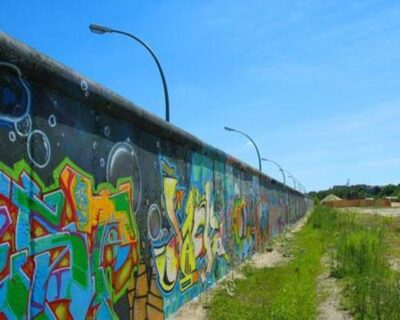
Browse the lists this tour appears in