
Reviewed · LGBTQ-FRIENDLY
Queer Berlin Tour: Birthplace of LGBTQ+ Movements
Berlin’s queer past comes alive on this three-hour walk, from Magnus Hirschfeld’s pioneering Institute for Sexual Science to Schöneberg’s cabarets, bars, and private homes linked to Christopher Isherwood. You get history with a human face, not just dates on plaques.
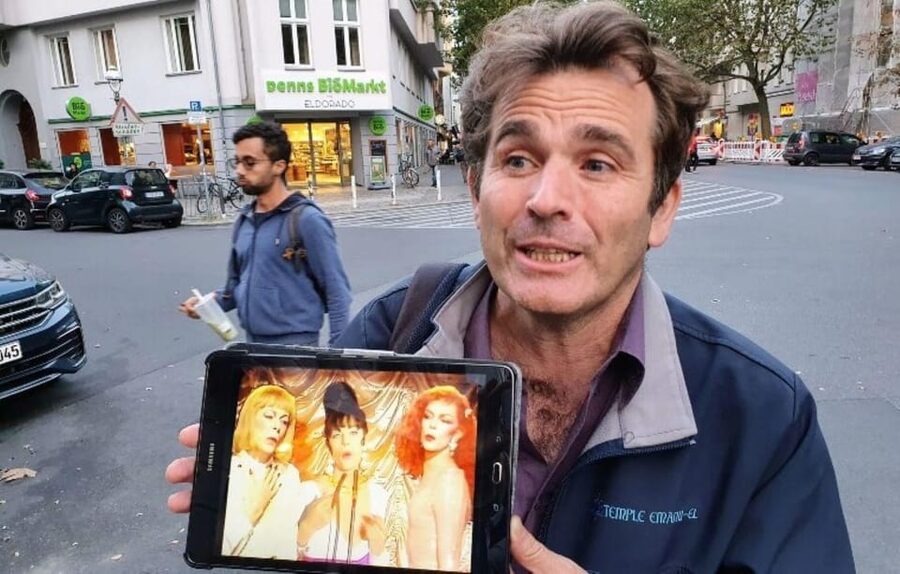
I like the mix of famous places and less obvious corners. I also like the use of photos, music, and personal stories, especially with guide Dan, who brings his own experience of Berlin’s queer scene. The main drawback is the pace: this is a serious walking tour across several parts of the city, and metro fares are not included.
In This Review
- Key points
- Why Berlin became a center of queer life
- Nollendorfplatz and Schöneberg’s early queer world
- Hirschfeld’s institute and the fight for emancipation
- Christopher Isherwood, El Dorado, and the Cabaret connection
- The Nazi years and what the memorials cannot show alone
- From postwar Schöneberg to Chez Romy Haag
- Unter den Linden and queer figures in plain sight
- Alexanderplatz and queer life behind the Iron Curtain
- What the $153 price really gets you
- Who should book this walk
- My recommendation for Queer Berlin Tour
- FAQ
- How long is the Queer Berlin Tour?
- What language is the tour offered in?
- How much does the tour cost?
- Is this a walking tour?
- Is public transportation included?
- Where does the tour start?
- Which places in Schöneberg are included?
- Does the tour visit Magnus Hirschfeld’s former institute?
- Does the tour include Alexanderplatz?
- Can I cancel the tour?
Key points
- Magnus Hirschfeld’s former institute: Learn how one doctor helped shape early gay rights work and sex research.
- Schöneberg’s Weimar-era nightlife: See the former El Dorado Cabaret and Christopher Isherwood’s old flat.
- A direct link to Cabaret: Hear how Isherwood’s Berlin life helped inspire the famous musical.
- Queer life under dictatorship: Understand the Nazi destruction of Hirschfeld’s institute and the persecution of gay men and lesbians.
- Romy Haag and David Bowie: Visit the site of Chez Romy Haag, a key nightclub of 1970s Berlin.
- From Prussian kings to Cold War East Berlin: Follow queer stories from Frederick the Great and Alexander von Humboldt to Alexanderplatz.
Why Berlin became a center of queer life
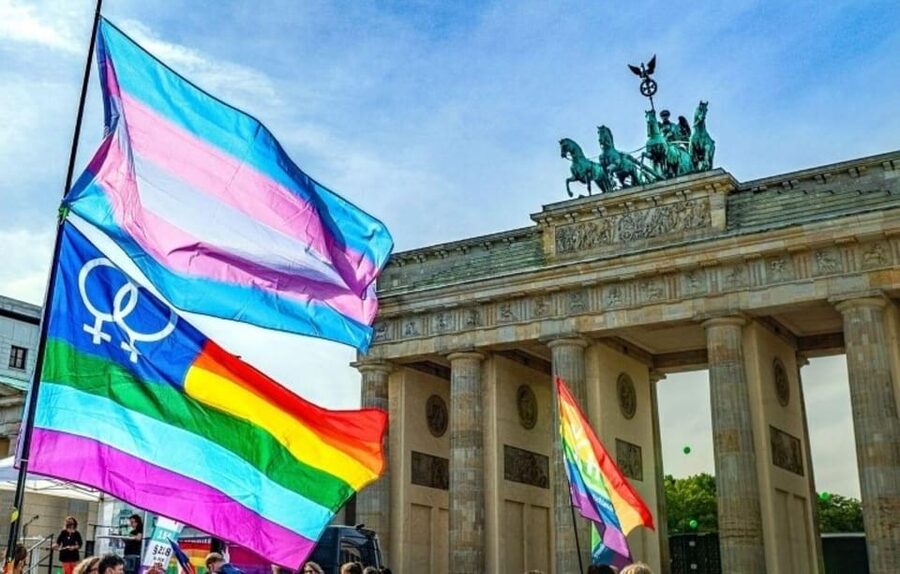
Berlin’s queer story is not confined to one neighborhood or one period. This tour connects the city’s early sex researchers, Weimar cabaret performers, Nazi victims, Cold War minorities, and modern LGBTQ+ culture.
That broad reach is the main reason I find the tour useful. You are not simply looking at old nightlife sites. You are learning how queer life changed as Berlin moved from imperial capital to Weimar cultural center, Nazi dictatorship, divided Cold War city, and modern German capital.
The tour begins in or near Schöneberg, depending on the option you book. This district is the natural starting point because it became one of Europe’s best-known queer neighborhoods in the early 20th century. The route then reaches memorials, historic streets, Unter den Linden, and Alexanderplatz.
The distance matters. A three-hour walk covering several districts will feel full rather than leisurely. Wear comfortable shoes, bring water, and contact the provider before booking if mobility is a concern. Some sections may require public transport, and metro fare is not included.
A few more Berlin trips to weigh up
- Berlin: Gay Berlin Out in Schöneberg Walking Tour
★ 4.8 · 281 reviews - Berlin’s Gay, Lesbian, and Queer Scene Small-Group Walking Tour
★ 4.5 · 66 reviews - Street Art & Berlin Gay, Queer, Trans History + Free Gay Map
★ 4.9 · 15 reviews
Nollendorfplatz and Schöneberg’s early queer world
Nollendorfplatz introduces you to Schöneberg, long linked with Berlin’s gay and lesbian life. The guide uses the streets to explain why this area became known as the world’s first gay ghetto, though that phrase describes a historic concentration of queer businesses and residents rather than a sealed district.
You will hear about the bars, clubs, and social networks that made Schöneberg a place where people could meet with less secrecy than elsewhere. The area also had legendary lesbian venues, an important part of the story that is sometimes lost when Berlin’s queer past is told only through gay men and famous cabaret figures.
This is where the tour’s local focus helps. Instead of treating the neighborhood as a backdrop for Cabaret, the guide places the musical in a real social setting. You learn about the people who lived, worked, performed, and formed relationships here.
The starting point is also practical. Nollendorfplatz is a recognizable urban location, but confirm your exact meeting point before setting out because the start depends on the selected option.
Hirschfeld’s institute and the fight for emancipation
One of the most important stops is tied to Magnus Hirschfeld and the Institute for Sexual Science. Hirschfeld founded the institute in Berlin and helped create an early center for research, medical advice, and advocacy related to sexuality and gender.
His work was far ahead of its time. He coined the term transsexualism and helped push for the rights of gay people. He also co-authored Anders als die Andern, or Different from the Others, in 1919, described here as the world’s first pro-gay film.
The site is especially moving because the institute did not simply fade away. The Nazis closed it in 1933 and burned its library. That destruction shows how much the regime feared the institution’s research, public education, and challenge to rigid ideas about sex and identity.
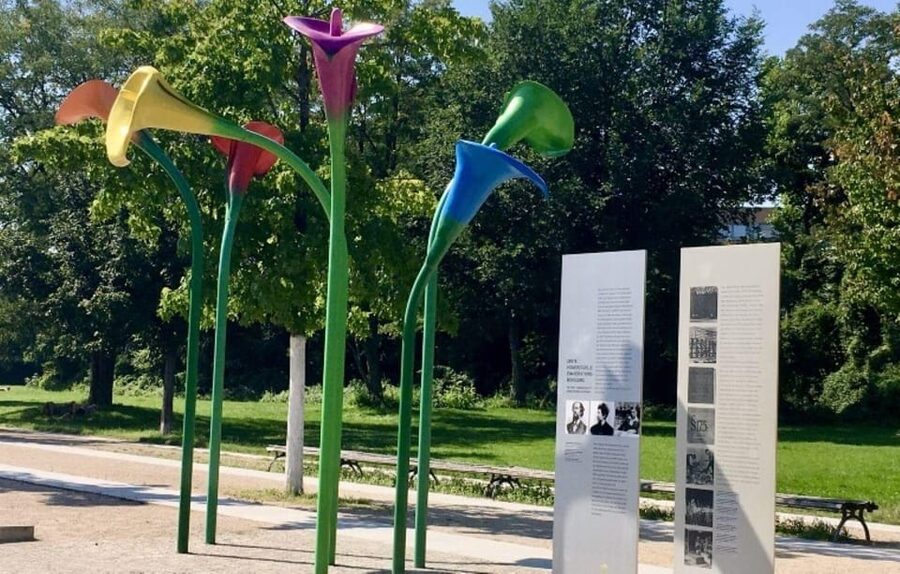
At the Memorial to the First Homosexual Emancipation Movement, the guide links Hirschfeld’s work to the wider campaign for legal and social change. The colorful monument offers a visual break from the harder material, but the story remains serious. It asks you to consider how much progress can be lost when political power turns against minorities.
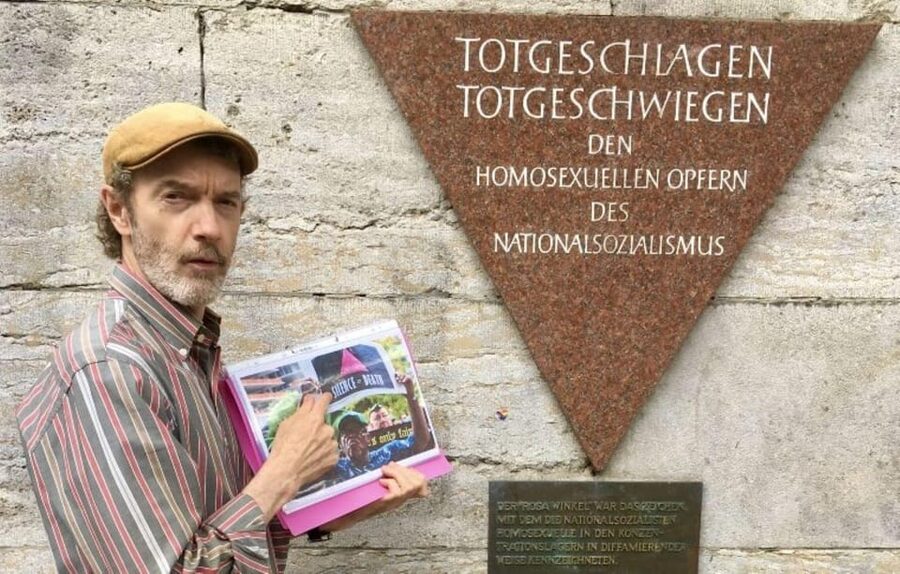
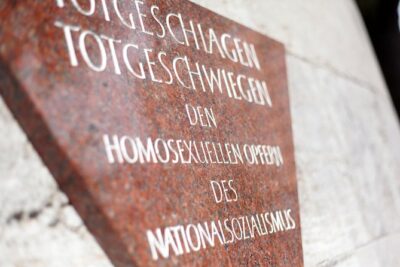
You will also visit the Memorial to Homosexuals Persecuted Under Nazism. This part of the walk deals directly with imprisonment, persecution, and the murder of homosexual men under the Nazi regime. The tour also addresses lesbian life under Nazism, while showing that the experiences of gay men and lesbians were not identical.
Christopher Isherwood, El Dorado, and the Cabaret connection
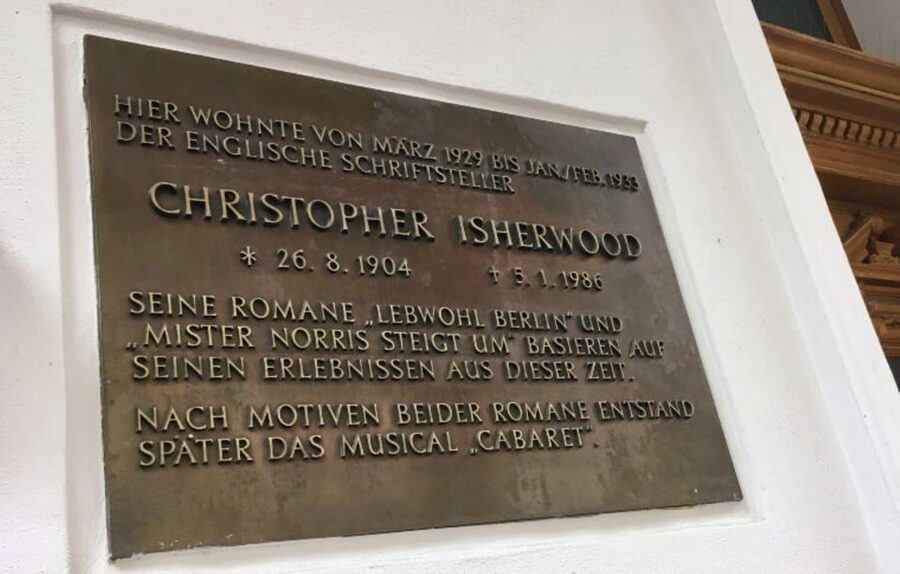
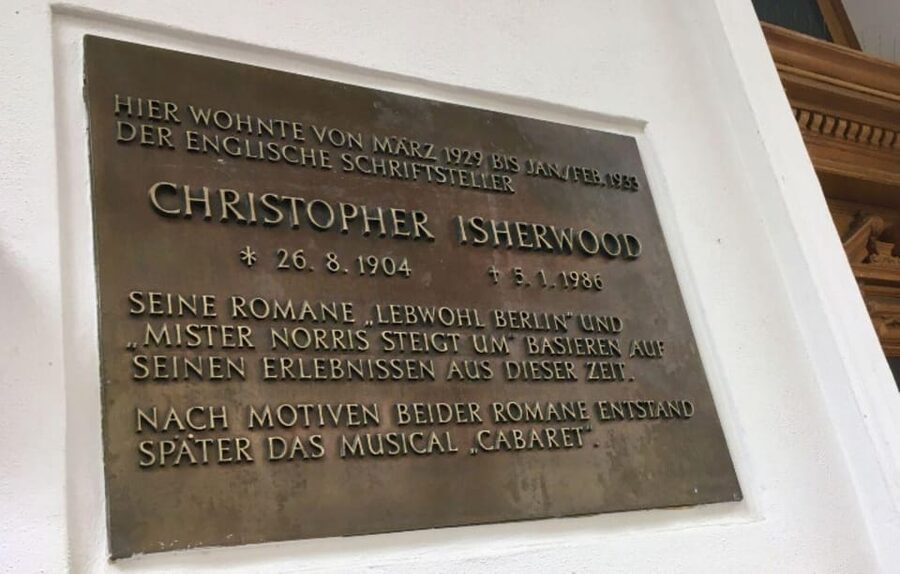
Schöneberg becomes more personal when you see the former flat of Christopher Isherwood. The English writer lived in Berlin during the Weimar period, and his observations helped inspire the stories that later shaped Cabaret.
The value of this stop is the connection between a private address and a famous stage production. You can better understand that Cabaret was not invented from nowhere. Its world grew from real streets, clubs, apartments, performers, and complicated relationships.
The route also passes former nightclubs and a rent-boy dive that remains gay-run. Since these places may not look remarkable from the outside, the guide’s explanation matters. You are asked to read the street through its past, not just its current appearance.
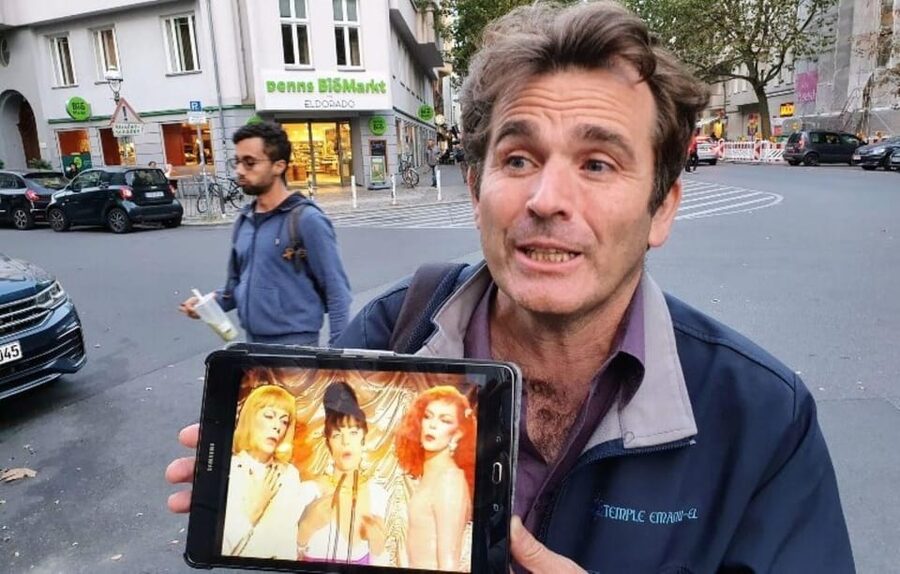
At the former El Dorado Cabaret, you hear about Marlene Dietrich and other regulars. Dietrich’s connection gives the location star power, but the more surprising story involves Ernst Röhm, the openly gay head of the Sturmabteilung, also known as the Nazi Brown Shirts.
Röhm’s position reveals the contradictions of the period. A man could hold high office within a violent political movement while his sexuality remained a dangerous political weakness. He was executed during the Night of the Long Knives in 1934, described at the time as a moral purge.
This is one of the tour’s strongest historical lessons: visibility did not equal safety. Berlin’s permissive nightlife existed alongside political violence, prejudice, and growing authoritarian power.
Same city, a completely different kind of day:
- Berlin: Reichstag, Dome and Government District Guided Tour
★ 4.7 · 18,288 reviews - Berlin: 1-Hour City Tour by Boat with Guaranteed Seating
★ 4.3 · 16,993 reviews - Berlin: Boat Tour Along the River Spree
★ 4.4 · 11,252 reviews - Discover Berlin Half-Day Walking Tour
★ 5.0 · 9,624 reviews
The Nazi years and what the memorials cannot show alone
Berlin has many memorials, but a guide can connect them in a way that a solo visit often cannot. Here, Hirschfeld’s institute, the persecution memorial, the book-burning site mentioned along the route, and other stops become part of one story.
You learn how queer people were targeted, how institutions were destroyed, and how public culture narrowed under the Nazis. The discussion includes the suffering of homosexual people and the fate of those caught in the regime’s system of surveillance and punishment.
The tour does not treat the Weimar years as a carefree golden age. That balance is useful. The clubs and cabarets were real, but so were social limits and personal risks. The period offered freedom to some people, in some places, for a short time.
I especially value this part because it keeps the story from becoming a parade of famous names. Dietrich, Isherwood, Hirschfeld, and Röhm help you remember the period, but the larger subject is the fragile nature of civil rights.
From postwar Schöneberg to Chez Romy Haag
After the war, Schöneberg regained its place as the gay heart of Berlin. The tour follows this later chapter through clubs and meeting places that helped rebuild queer social life.
The highlight is the former Chez Romy Haag, one of the city’s most iconic nightclubs of the 1970s. Romy Haag was a transgender actress, singer, and dancer. She met David Bowie there, and their relationship later helped inspire Bowie’s song Heroes.
This stop adds a pop-culture thread without reducing the history to celebrity gossip. It shows how clubs could be places for performance, romance, identity, and public expression all at once.
The postwar story also helps explain why Berlin’s queer reputation survived political division and social change. Clubs came and went, but the neighborhood continued to offer a visible point of contact for LGBTQ+ life.
Guide Dan is particularly associated with this style of storytelling. He came to Berlin before the Wall fell and uses his own experience as a gay man in the city. His tour has included photos and a soundtrack chosen to fit the stories, which gives the walk a more personal and theatrical feel.
Guide Justin has also led the experience in English. He was born and raised in the United States, so he can compare Berlin’s history with familiar American reference points. If the booking system identifies your guide, check the name, since the tone may differ from one guide to another.
Unter den Linden and queer figures in plain sight
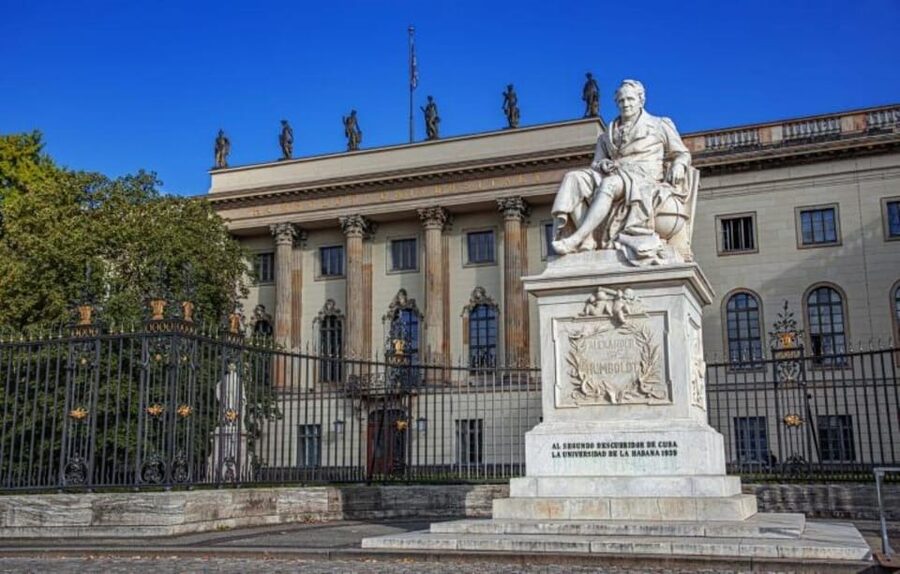
The move to Unter den Linden broadens the tour beyond Schöneberg. This grand boulevard introduces early Berlin figures such as Prussian King Frederick the Great and explorer Alexander von Humboldt.
The focus is not simply on labeling historical people as gay. Instead, the guide explains how they disguised or managed their sexuality within the rules of their time. That distinction matters. Evidence about private lives can be incomplete, and the social meaning of identity was not always the same in earlier centuries.
This section places queer history in the center of Berlin’s official story. You are no longer looking only at clubs or memorials. Kings, scientists, explorers, artists, and public institutions all become part of the discussion.
It is also a welcome change of scenery after the concentrated streets of Schöneberg. Still, the route’s spread means you may use the metro between some areas. Budget for that fare, and do not expect a slow, café-to-café stroll.
Alexanderplatz and queer life behind the Iron Curtain
The final major stop is Alexanderplatz, the heart of Cold War East Berlin. Here, the tour turns to the lives of gay men and lesbians behind the Iron Curtain.
This chapter is easy to overlook when Berlin’s queer past is told through Weimar nightlife and West Berlin clubs. The city was divided, and queer people in East Berlin faced their own restrictions, pressures, and forms of suffering. The tour gives that experience a place in the larger story.
Alexanderplatz is a strong ending because it leaves you with a divided view of freedom. West Berlin offered famous clubs and a visible queer scene, but it had not solved every problem. East Berlin had different laws and social controls, but neither side can be reduced to a simple story of freedom versus oppression.
The final section brings the story into today’s Queer Berlin. The tour does not promise a full guide to every current bar or organization, but it gives you the historical tools to understand why the city remains such an important center of LGBTQ+ culture.
What the $153 price really gets you
At $153 per person, this is not a cheap orientation walk. The price makes the most sense for a private or small group, where you can ask questions and hear the guide clearly.
You are paying for more than three hours of walking. The value lies in the connections: Hirschfeld to modern gender rights, Isherwood to Cabaret, El Dorado to Dietrich and Röhm, Chez Romy Haag to Bowie, and Alexanderplatz to Cold War queer life.
A large group would make the price harder to justify, especially since several stops are sites you view from the street rather than formal museum admissions. A small group improves the exchange and lets the guide adapt the discussion.
The experience has a 5.0 rating from six listed ratings, and the strongest praise centers on storytelling, personal perspective, humor, music, and the intimate group size. That matches the tour’s design: it is best for people who want context and conversation, not just a checklist of photo stops.
Who should book this walk

I would choose this tour if you want Berlin’s LGBTQ+ past treated as a central part of German history. It suits first-time visitors who want a different route through the city, as well as repeat visitors who have already seen the main monuments.
It is also a good fit if you care about the Weimar era, queer art, the history of science, Nazi persecution, or Cold War Berlin. You do not need to know the background in advance. The guide supplies the framework.
You should think twice if you dislike long walks, serious historical subjects, or movement between distant districts. The tour includes difficult material about Nazi persecution and the destruction of Hirschfeld’s institute. It is informative and often lively, but it is not light entertainment.
German and English tours are available. Private and small-group formats are offered, and free cancellation is available up to 24 hours before the start. You can also reserve now and pay later, which helps if your Berlin schedule is still shifting.
My recommendation for Queer Berlin Tour
Book this tour if you want to understand how Berlin’s queer identity was built, attacked, rebuilt, and reshaped. The combination of Schöneberg streets, memorials, former clubs, famous residents, and Cold War history gives you a far fuller picture than a nightlife-only walk.
The best reason to go is the guide’s storytelling. Dan’s personal connection, Justin’s American comparisons, the use of photos and music, and the small-group format can turn ordinary-looking addresses into meaningful places.
The main caution is practical: $153 is a premium price, metro fare is extra, and three hours on foot can be demanding. For a private or small group seeking a focused LGBTQ+ history experience, the cost can be worthwhile. For a casual introduction to Berlin, you may prefer a shorter and less expensive walk.
FAQ
How long is the Queer Berlin Tour?
The tour lasts three hours.
What language is the tour offered in?
The live guide can lead the tour in German or English.
How much does the tour cost?
The listed price is $153 per person.
Is this a walking tour?
Yes. The experience is a guided walking tour, and you should contact the provider if you have mobility concerns.
Is public transportation included?
No. Metro fare is not included in the tour price.
Where does the tour start?
The starting or pickup location depends on the option you select.
Which places in Schöneberg are included?
The route includes Nollendorfplatz, Schöneberg, the former El Dorado Cabaret, Christopher Isherwood’s former flat, and sites linked with historic queer nightlife.
Does the tour visit Magnus Hirschfeld’s former institute?
Yes. The tour visits the site of the Institute for Sexual Science founded by Magnus Hirschfeld and explains its destruction by the Nazis in 1933.
Does the tour include Alexanderplatz?
Yes. Alexanderplatz is part of the route, with discussion of queer life and persecution in Cold War East Berlin.
Can I cancel the tour?
You can cancel up to 24 hours in advance for a full refund. Reserve now and pay later is also available.
Just added around Berlin
- Love and War in Berlin: Self-Guided Story Puzzle Walk★ 5.0 · 7 reviews
- Rickshaw Tours Berlin – Groups of up to 16 people with several rickshaws★ 4.0 · 97 reviews
- Walking on the Wall: 3-Hour Tour in Berlin★ 4.5 · 34 reviews
- eSIM for Germany and 34 European Countries★ 4.5 · 16 reviews
- Warnemuende Shore Excursion: Berlin Private Sightseeing Tour from Rostock★ 5.0 · 4 reviews
- Your ticket to The Wall Museum Berlin★ 3.0 · 60 reviews
- Warnemuende Shore Excursion: Private Berlin Tour★ 4.5 · 27 reviews
- Berlin’s Gay, Lesbian, and Queer Scene Small-Group Walking Tour★ 4.5 · 66 reviews
LGBTQ-Friendly, compared.
Berlin’s Gay, Lesbian, and Queer Scene Small-Group Walking Tour
Read our review →
Street Art & Berlin Gay, Queer, Trans History + Free Gay Map
Read our review →
Browse the lists this tour appears in