
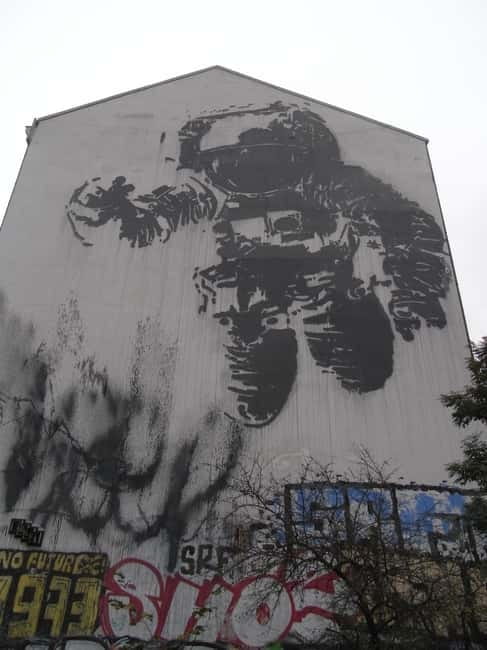
Reviewed · STREET ART & ALTERNATIVE TOURS
Private Alternative Berlin Tour -Murals, Graffiti and Squats
Berlin’s alternative culture is best understood by moving through the city, not by staring at a single wall. This private tour connects murals, graffiti, squats, and former house projects with the postwar story that made Berlin a magnet for artists, punks, hippies, and outsiders.
I like the private format, since Nadav Jacob and his team can adjust the pace and focus. I also like the mix of famous places such as East Side Gallery with smaller creative corners such as Dead Chicken Alley and Haus Schwarzenberg. The main consideration is that you’ll need to pay separately for public transport, and the tour’s short length means the stops are more of a lively introduction than a full study of Berlin’s alternative scene.
In This Review
- Key points at a glance
- Why Berlin Became a Home for Outsiders
- A Private Start at Potsdamer Platz
- Moving Through Berlin by Public Transport
- Dead Chicken Alley and Haus Schwarzenberg
- East Side Gallery and the Berlin Wall
- Friedrichshain-Kreuzberg and Oberbaumbrücke
- What the Private Format Adds
- Guide Style and Personalization
- Who Should Book This Berlin Tour?
- Practical Details Before You Go
- Should You Book It?
- FAQ
- How long does the Private Alternative Berlin Tour last?
- Where does the tour take place?
- Is hotel pickup included?
- What language is the tour offered in?
- How many people can join the private group?
- Is public transport included in the price?
- Are food, coffee, and snacks included?
- Which art sites are included?
- What should I bring?
- Can I cancel the tour?
Key points at a glance
- Private tour for up to six people: You get a small, flexible group instead of a fixed crowd.
- A clear counterculture story: The guide links Berlin’s cheap postwar housing, squats, punk communities, and modern gentrification.
- Dead Chicken Alley and Haus Schwarzenberg: These stops offer a closer look at Berlin’s rough-edged street-art culture.
- East Side Gallery included: You’ll see the best-known stretch of surviving Berlin Wall art.
- Public transport is part of the route: Budget about 4 to 10 euros for your ticket.
- Guide support beyond the walk: WhatsApp availability is included for recommendations before and after the tour.
Why Berlin Became a Home for Outsiders
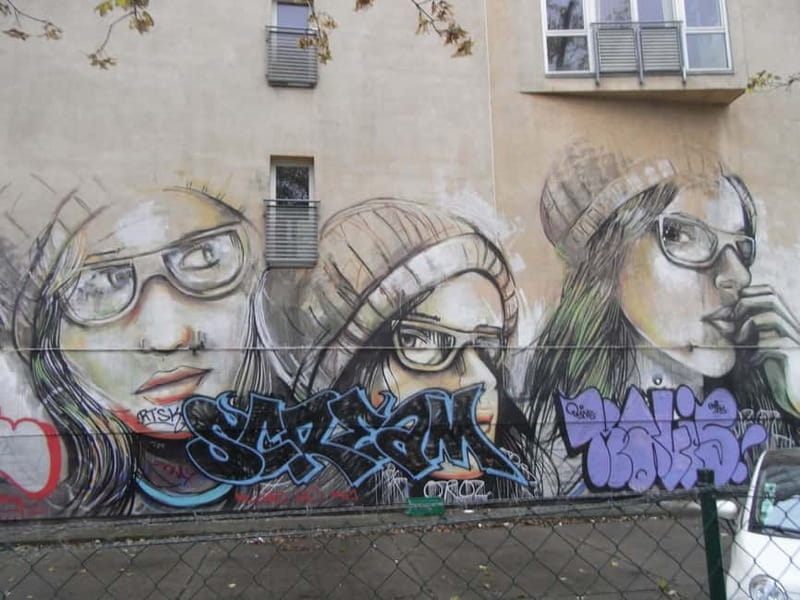
The tour begins with a useful question: why did so many artists, musicians, hippies, and punks choose Berlin?
After the Second World War, and again after the Berlin Wall fell, parts of the city offered something rare in Europe: cheap space. Damaged buildings, empty East German properties, and large unfinished rooms gave creative people room to work and live. Squats, galleries, community houses, and informal workshops grew in places that had little commercial appeal.
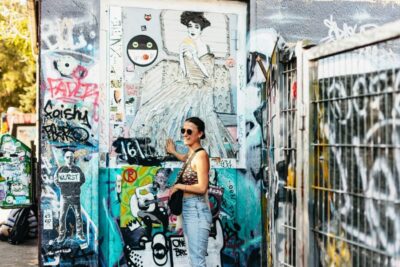
That story matters because Berlin’s street art did not appear from nowhere. It grew from a culture of making use of neglected buildings and claiming public space. A mural may look like decoration, but here it can also reflect protest, humor, identity, and the struggle over who gets to live in the city.
Your guide puts these pieces together as you move between central Berlin, Mitte, and the former East Berlin districts. The tour also acknowledges the change. Gentrification has replaced many rougher corners with higher rents and new businesses, but Berlin still draws artists, musicians, and people looking for a less conventional way to live.
I find that context more useful than a simple list of colorful walls. You’ll learn to look for the ideas behind the paint, including the tension between free expression and commercial redevelopment.
More Street Art & Alternative Tours in Berlin
- Berlin: City Street Art Guided Walking Tour
★ 4.8 · 886 reviews - Berlin: 3-Hour Street Art Tour
★ 4.7 · 778 reviews - Berlin Street Art Walking Tour – Off The Grid
★ 5.0 · 270 reviews
A Private Start at Potsdamer Platz
Pickup is included from your hotel reception or another location you specify in Berlin. That is handy in a city where the first challenge is often getting everyone to the right station or street corner.
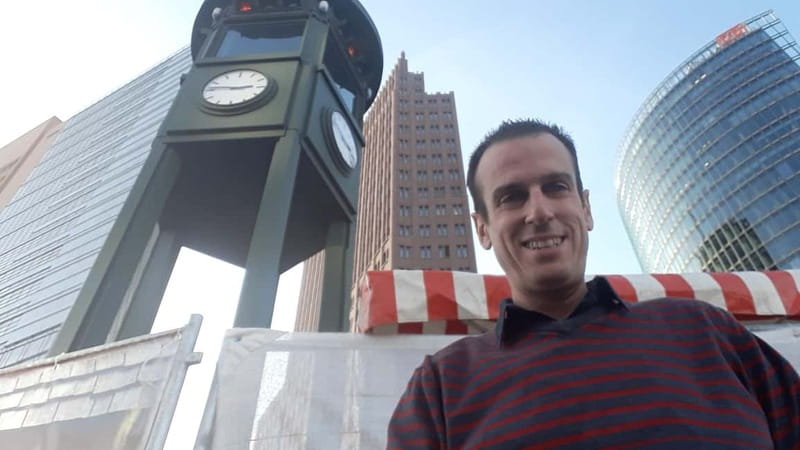
The first major stop is Potsdamer Platz, where the guide spends about 30 minutes. This is a striking place to begin because it represents Berlin’s polished, rebuilt center rather than its squats and punk houses. Its modern architecture and broad public spaces help show how quickly Berlin changed after reunification.
Your guide can use this contrast to frame the rest of the outing. You begin with a part of the city shaped by reconstruction, investment, and international business, then move toward places where residents and artists made their own use of older or overlooked buildings.
A short viewpoint stop follows, with roughly 10 minutes for orientation and discussion. The exact viewpoint is not specified, so you should think of it as a quick visual pause rather than a long sightseeing stop. Comfortable shoes will help, but this is described as an easy walking tour with no special physical requirements.
Moving Through Berlin by Public Transport
Public transport is not just a way to fill the gaps between sights. It is part of the tour’s rhythm and gives you a feel for how far the different parts of Berlin sit from one another.
You’ll have two or more short transport segments, including a roughly 15-minute ride early in the tour and shorter rides later. The public transport ticket is not included. Allow about 4 to 10 euros, depending on the ticket that fits your route and group.
The private format makes these transfers easier. You can ask questions while moving through the city, and the guide can adjust the discussion to your interests. One useful detail from the feedback is that Nadav has been flexible about both the starting time and pickup point. That kind of flexibility can matter if you have a busy Berlin schedule.
Still, remember that transit time reduces the amount of time spent at each art site. The tour is advertised at 2.5 hours, and the route includes several neighborhoods. You get breadth, but not long, quiet periods at every wall.
Dead Chicken Alley and Haus Schwarzenberg
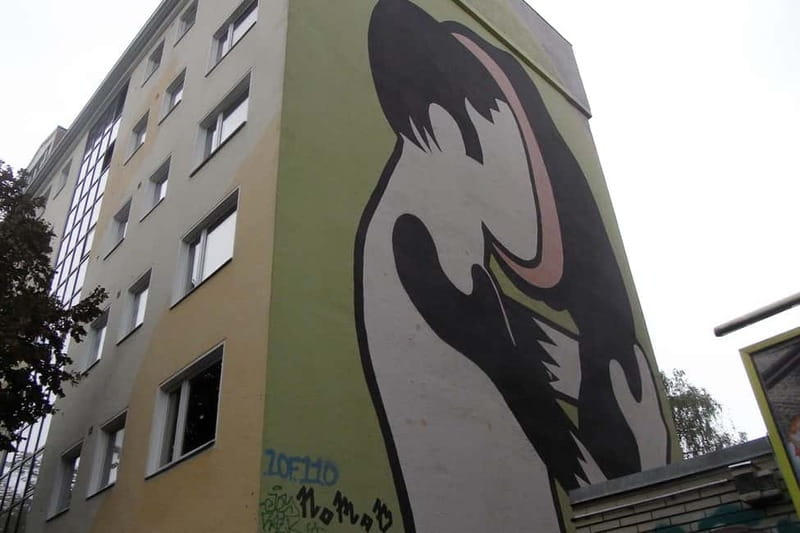
Dead Chicken Alley is one of the most distinctive stops on the route. Its name alone hints at Berlin’s dry, unruly sense of humor, and the site gives you a closer view of the city’s alternative art tradition.
Expect around 10 minutes here. That is enough for a focused explanation and a look at the art, but it is not a long gallery visit. The appeal is the setting: street art, unusual surfaces, and an atmosphere tied to the city’s independent creative communities.
The tour then continues to Alexanderplatz for about 20 minutes. Alexanderplatz is a major public square and transport hub, so it adds another useful contrast. You see a large, public-facing part of Berlin before moving into the more intimate setting of Haus Schwarzenberg.
Haus Schwarzenberg receives around 20 minutes. This is an important stop for anyone interested in Berlin’s alternative galleries, house projects, and creative communities. The site helps connect the visual work on the walls with the people and spaces that kept independent culture alive.
I would pay close attention to the guide’s explanation here. The value is not only in taking photographs. It is in understanding how informal art spaces can survive beside a city’s official monuments and commercial districts.
Same city, a completely different kind of day:
- Berlin: Reichstag, Dome and Government District Guided Tour
★ 4.7 · 18,288 reviews - Berlin: 1-Hour City Tour by Boat with Guaranteed Seating
★ 4.3 · 16,993 reviews - Berlin: Boat Tour Along the River Spree
★ 4.4 · 11,252 reviews - Discover Berlin Half-Day Walking Tour
★ 5.0 · 9,624 reviews
East Side Gallery and the Berlin Wall
The longest stop is East Side Gallery, with about 45 minutes. That timing is sensible because this is the route’s largest and best-known art site.
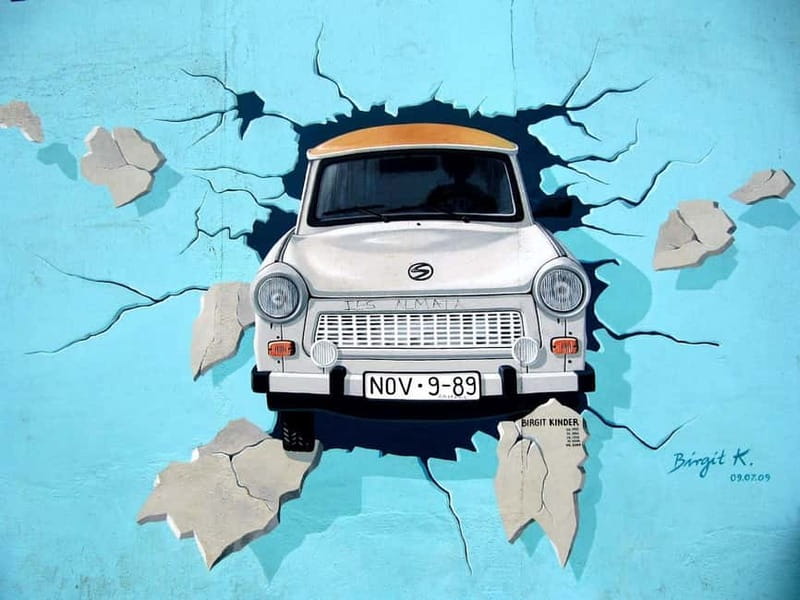
East Side Gallery is a long section of the Berlin Wall covered with murals. It brings together political memory, public art, and the symbolic end of the city’s division. You’ll have more time here than at the smaller stops, which allows the guide to explain selected images and place them in the story of the Wall and reunification.
The guide can also help you distinguish between the original historical meaning of the Wall and the later role of the painted stretch as a public art site. That distinction is worth making. East Side Gallery is famous, but its fame can make it easy to treat the whole place as a photo backdrop.
This is also where the tour’s theme becomes clearest. Berlin’s alternative art is connected to political change, but it is also connected to the practical question of who controls public space. The Wall once divided a city. After its fall, parts of it became a canvas.
You should expect other people to be interested in this major sight, even within a private tour. The advantage of your guide is that you can focus on the works and questions that appeal to you rather than follow a fixed group script.
Friedrichshain-Kreuzberg and Oberbaumbrücke
After East Side Gallery, the route moves through Friedrichshain-Kreuzberg, with around 15 minutes for guided discussion. This area is central to Berlin’s alternative identity and helps connect the art to neighborhood life.
The tour does not present Berlin’s counterculture as frozen in the past. You’ll hear about the way gentrification has changed the city and about how artists and independent communities continue to shape its identity. Some old squats and house projects have disappeared, while other creative spaces remain.
That balance is one of the tour’s strengths. It would be easy to romanticize squatting and abandoned buildings, but the city’s story is more complicated. Cheap housing gave people freedom to experiment, yet redevelopment also brought safer buildings, new investment, and pressure on long-term residents. A good explanation should let you see both sides.
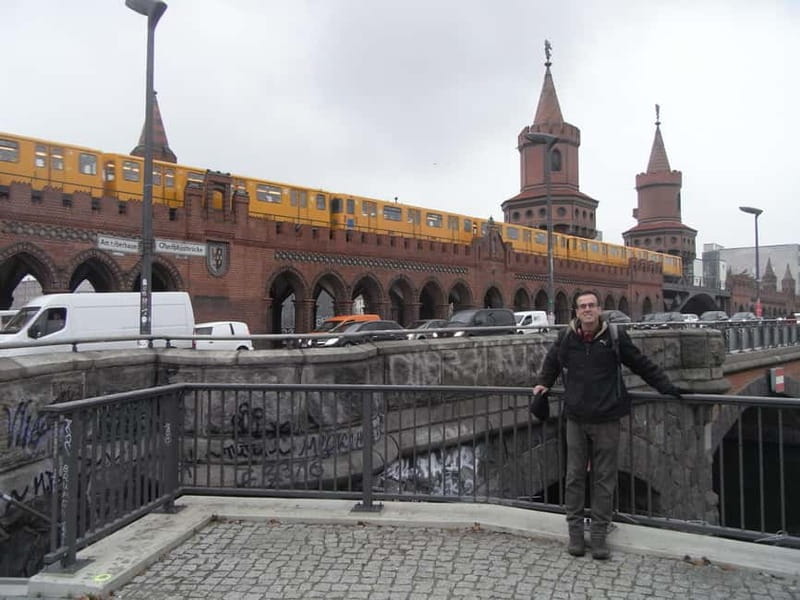
The final stop is Oberbaumbrücke, with about 10 minutes of guided time. The bridge provides a memorable ending and another place to discuss Berlin’s former division and present-day connections. It links the districts around the Spree and gives the route a strong visual finish.
The final stop is brief, so you may want to save any last questions for the walk or for the WhatsApp follow-up offered by the guide.
What the Private Format Adds
The tour costs $302 per group of up to six people. That price is not cheap for 2.5 hours, but the calculation changes if you fill the group.
For six people, the cost works out to about $50 per person before transport and food. For two people, it is roughly $151 per person. The private setup is therefore much better value for a family or group of friends than for a solo visitor.
You are paying for more than a standard walk between murals. The guide provides the historical frame, handles the route, answers questions, and can personalize the time. Nadav has been described as a strong storyteller who can adjust the tour to individual interests. That is especially useful here because Berlin’s alternative scene covers many subjects: music, politics, architecture, street art, squats, housing, and city planning.
The included picture folder adds another practical touch. It is described as a 3A picture folder with interactive explanations of Berlin’s alternative style. The wording is a little unclear, but the intent is useful: you receive visual material that can help you remember the sites and continue exploring after the tour.
You should also budget 5 to 15 euros for coffee, food, or snacks during the break. These costs are modest, but it is best to know that the headline price does not cover everything.
Guide Style and Personalization
The most praised part of this experience is the guide. Nadav Jacob is named as the provider, and Jacob is also referred to as a guide who can lead the tour. The available feedback gives you a picture of a friendly, professional, easy-going host with strong command of Berlin and its alternative culture.
The key benefit is personalization. The guide can spend more time on the parts that catch your interest, adjust the starting time and location, and explain complicated subjects in clear English. One guide is also described as an engaging storyteller who can bring the past to life through words, rather than simply reciting dates.
That matters on a street-art tour because the art itself does not always explain its setting. You may understand a mural differently after learning about the neighborhood, the Wall, or the communities that used empty buildings.
The tour is offered in English, with a private group format. WhatsApp availability before and after the experience is included for recommendations and information about where to go and what to see. This can add value if you are using the tour as a first orientation to Berlin’s alternative districts.
Who Should Book This Berlin Tour?
I would recommend it most strongly to visitors who want to understand Berlin’s creative and political side, not simply photograph famous sights. It suits first-time visitors who need a quick introduction, as well as repeat visitors who want a more focused look at graffiti, murals, and independent culture.
It is also a good choice for groups of friends, couples, or families with older children who can discuss the city’s divided past and changing neighborhoods. The private format means the guide does not have to deliver the same speech to everyone.
You may prefer another experience if you want a long art-history lecture, a full-day neighborhood walk, or a tour devoted only to graffiti technique. This route covers many stops in a short time, so some visits are quick.
Likewise, anyone hoping to see an untouched version of old squat culture should keep expectations realistic. Berlin has changed, and the tour includes both alternative spaces and major redeveloped areas. That contrast is part of the point.
Practical Details Before You Go
Wear comfortable shoes. The tour combines walking with public transport, and you will move through several parts of Berlin.
Pickup is included from your hotel reception or another location you specify. The tour lasts 2.5 hours, with starting times available according to the date you choose. It is described as fun and easy, with no special requirements.
You can cancel up to 24 hours in advance for a full refund, and the reserve-now, pay-later option lets you keep your plans flexible. Check the transport ticket you need before setting out, since that cost is separate.
The route includes a short break, but food, coffee, and snacks are also extra. If you want to ask about places to eat or continue exploring afterward, use the guide’s WhatsApp availability.
Should You Book It?
Book this tour if you want a private, story-led introduction to Berlin’s murals, graffiti, squats, and alternative communities. Its best features are the flexible guide, the strong personal focus, and the route’s useful contrast between Potsdamer Platz, Haus Schwarzenberg, East Side Gallery, and Friedrichshain-Kreuzberg.
The $302 group price works best when shared by several people. Solo visitors and pairs should compare the cost with a larger group tour. But if you value direct questions, a flexible pace, and a guide who can explain how Berlin’s creative culture grew from the city’s divided and damaged past, this is a thoughtful way to spend 2.5 hours.
FAQ
How long does the Private Alternative Berlin Tour last?
The tour lasts 2.5 hours.
Where does the tour take place?
The tour takes place in Berlin, Germany, and includes several stops across the city.
Is hotel pickup included?
Yes. Pickup is included from your hotel reception or another location you specify.
What language is the tour offered in?
The live tour guide leads the experience in English.
How many people can join the private group?
The price covers a private group of up to six people.
Is public transport included in the price?
No. Public transport is separate and is expected to cost about 4 to 10 euros.
Are food, coffee, and snacks included?
No. Food, coffee, and snacks during the break are not included. The estimated extra cost is 5 to 15 euros.
Which art sites are included?
The route includes Dead Chicken Alley, Haus Schwarzenberg, and East Side Gallery, along with Potsdamer Platz, Alexanderplatz, Friedrichshain-Kreuzberg, and Oberbaumbrücke.
What should I bring?
Bring comfortable shoes for the walking and public transport portions of the tour.
Can I cancel the tour?
Yes. You can cancel up to 24 hours in advance for a full refund. You can also reserve now and pay later.
Just added around Berlin
- Love and War in Berlin: Self-Guided Story Puzzle Walk★ 5.0 · 7 reviews
- Rickshaw Tours Berlin – Groups of up to 16 people with several rickshaws★ 4.0 · 97 reviews
- eSIM for Germany and 34 European Countries★ 4.5 · 16 reviews
- Walking on the Wall: 3-Hour Tour in Berlin★ 4.5 · 34 reviews
- Warnemuende Shore Excursion: Berlin Private Sightseeing Tour from Rostock★ 5.0 · 4 reviews
- Your ticket to The Wall Museum Berlin★ 3.0 · 60 reviews
- Warnemuende Shore Excursion: Private Berlin Tour★ 4.5 · 27 reviews
- Berlin’s Gay, Lesbian, and Queer Scene Small-Group Walking Tour★ 4.5 · 66 reviews
Street Art & Alternative Tours, compared.
Neustadt District Street Art Guided Walking Tour
Read our review →

East Meets West: Berlin Food Culture & Street Art
Read our review →
Browse the lists this tour appears in