
Reviewed · OLD TOWN WALKING TOURS
Lübeck: Old Town Highlights Private Walking Tour
Lübeck’s Seven Towers give this private walk a clear visual theme. You move through a compact island Old Town filled with churches, defensive gates, medieval streets, riverside warehouses, and a town hall that tells the story of Lübeck’s power on the Baltic Sea. The route links famous sights with smaller details you could easily miss alone.
I like the choice between a brisk two-hour introduction and a fuller four-hour visit with Holstentor entry. I also like the private format, since your guide can adapt the walk to your family or friends and offer suggestions for restaurants, patisseries, and pubs. The main consideration is that the tour is offered in German only, and the $174 per-person price makes the most sense for a group that values a private guide.
In This Review
- Key points at a glance
- Why Lübeck works so well on foot
- The two-hour route: a strong first look at Lübeck
- St. Mary’s Church and the three-hour choice
- The four-hour option enters Holstentor
- What makes the private format useful
- How to choose between two, three, and four hours
- Practical details before you book
- Who will get the most from this Lübeck walk?
- Should you book the Lübeck Old Town Highlights Private Walking Tour?
- FAQ
- How long does the Lübeck Old Town tour last?
- Is the tour private?
- What language is the live tour guide?
- Is St. Mary’s Church included?
- Is Holstentor entry included?
- Is St. Jakobi Church included?
- Can I be picked up at my hotel?
- Can I visit St. Peter’s Church tower?
Key points at a glance

- Holstentor and the old defenses: See Lübeck’s best-known gate and, on the four-hour option, enter its museum about trade, law, seafaring, and city life.
- Churches with very different stories: Compare St. Jakobi’s maritime character, St. Peter’s tower, St. Mary’s vast interior, and Lübeck Cathedral.
- A true walking route: Lübeck’s Old Town sits on a small island, so the principal sights are connected on foot.
- A private German-speaking guide: The tour is for your own group, with a program adjusted to your interests. Christel Obenaus is one guide associated with the experience.
- More included with more time: St. Mary’s Church is included on the three and four-hour options, while Holstentor entry comes with the four-hour tour.
- Useful local advice: The guide can point you toward places to eat and drink after the walk.
Why Lübeck works so well on foot
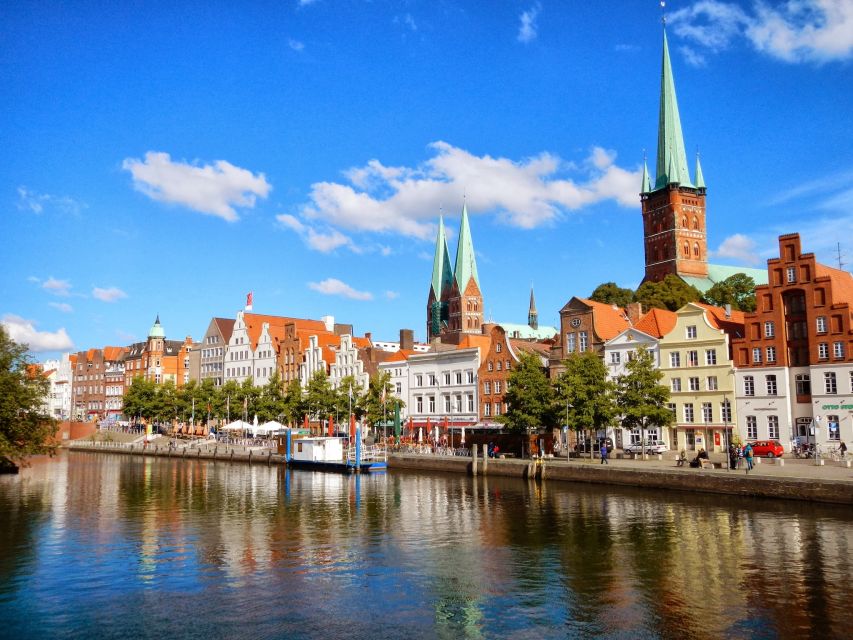
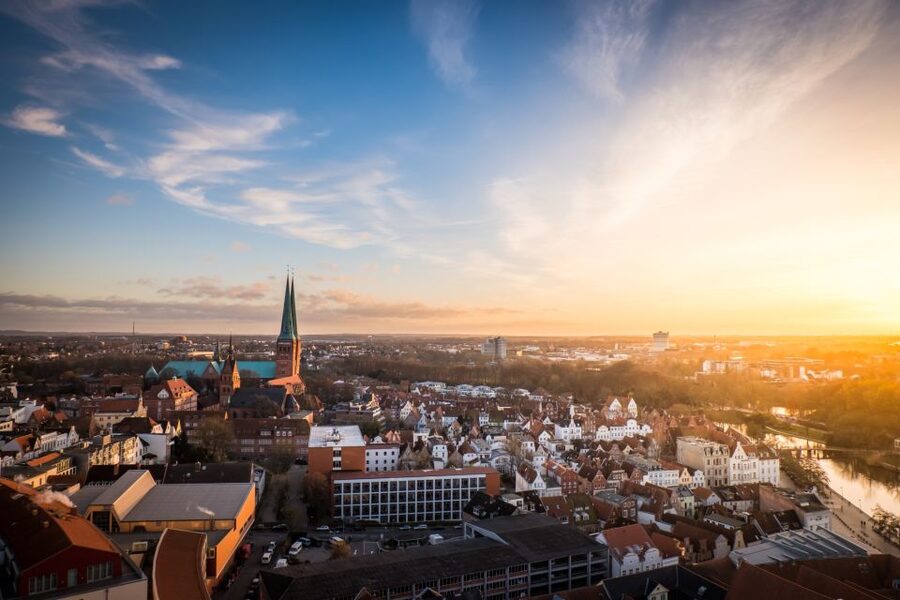
Lübeck is easy to understand once you see its setting. The historic center occupies a small island, with water and old defensive lines shaping the city around you. That makes a guided walk practical: you do not waste time transferring between distant sights, and the changing views help explain why the city grew where it did.
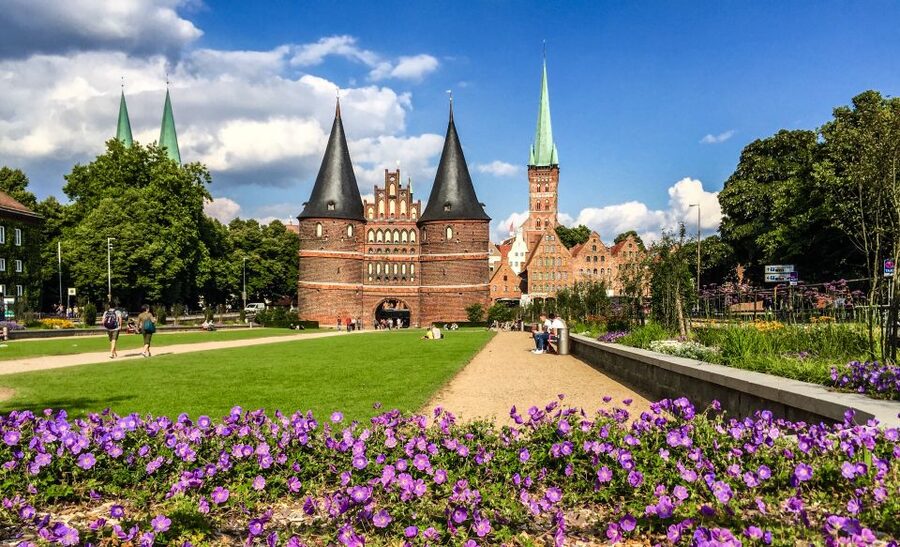
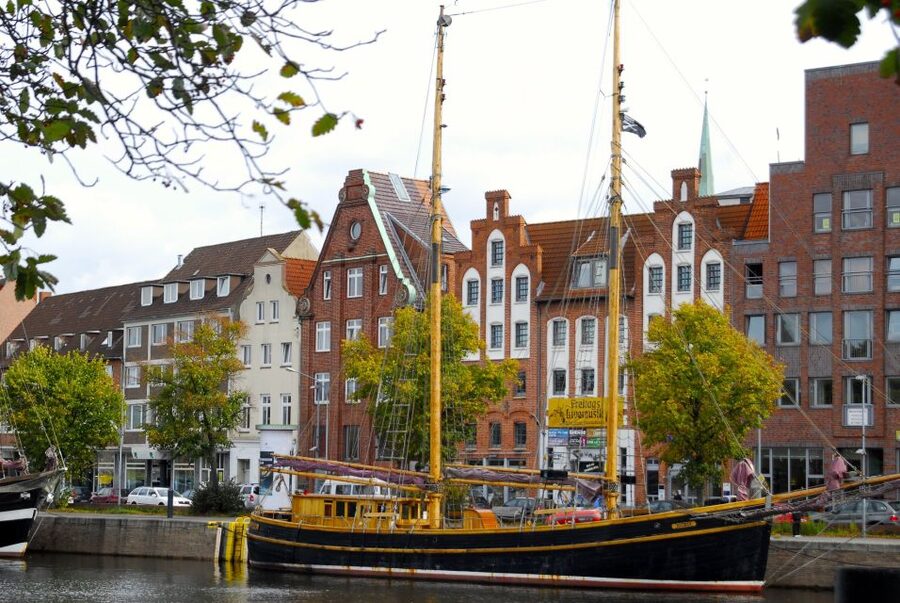
The route begins with the broad story of Lübeck as a powerful, self-governing city linked to Baltic trade. You will see sections of the old defense system, along with towers and gates that once controlled access. The famous Holstentor is the grandest reminder of that past, with its heavy brick form and distinctive round towers.
I would not think of this as a tour of isolated monuments. The value comes from the connections. A gate leads to trade, trade leads to the salt warehouses, and the warehouses lead to the city’s role in moving goods along the Baltic coast.
The walk ends back at the meeting point, though the exact starting place can vary by the option booked. If you stay in a hotel in Lübeck’s Old Town, hotel pickup is available. Hotels outside the Old Town do not receive pickup, so you should check the meeting instructions carefully the day before.
More old town walking tours in Lubeck:
- Lübeck: entertaining guided tour to old town highlights
★ 4.7 · 594 reviews - Dresden: Semperoper and Old Town Tour
★ 4.8 · 5,735 reviews - Nuremberg: Old Town Guided Walking Tour
★ 4.6 · 2,416 reviews
The two-hour route: a strong first look at Lübeck
The two-hour option is the sensible choice if you want orientation, architecture, and the main city story without spending half a day on one activity. It covers the key sights from outside and includes a visit to St. Jakobi Church.
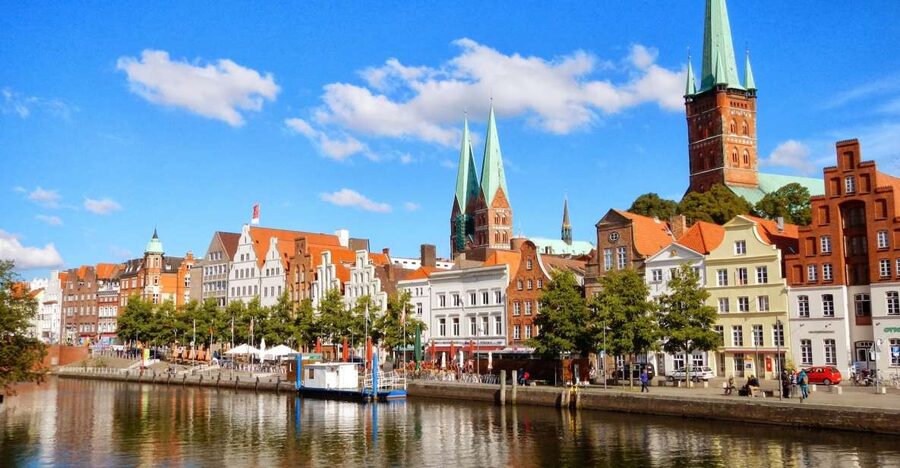
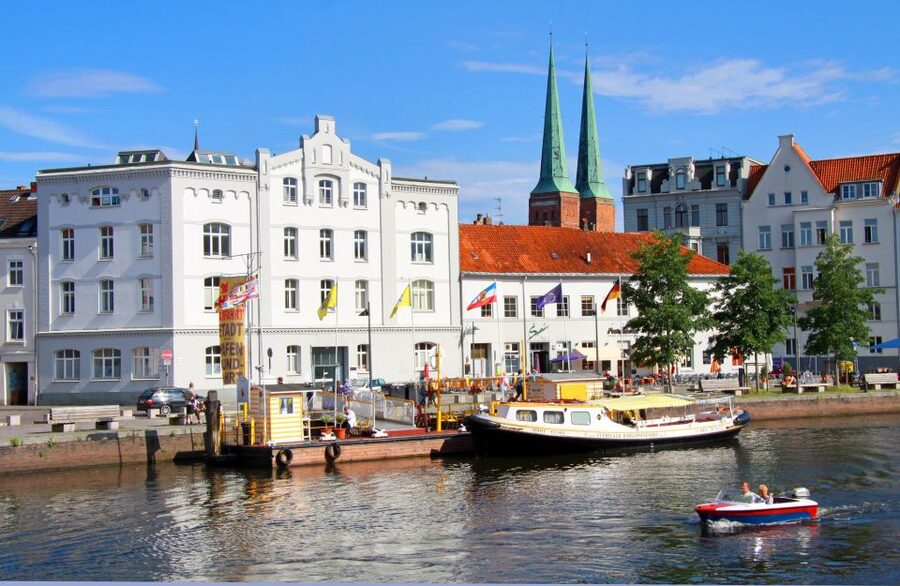
One early highlight is the line of sixteenth-century salt warehouses along the river. Their plain brick exteriors are easy to pass without a guide, but their purpose gives Lübeck’s trade story a physical anchor. Salt was an important cargo, and the warehouses show how commerce reached right into the city.
You will also pass the old walls, towers, and gates. The defensive remains help you read Lübeck as a fortified trading center rather than simply a pretty historic district. The route includes the Holstentor from the outside on this shorter version, so you still get the city’s most famous symbol even without its museum.
St. Peter’s Church comes next, with its impressive tower. The optional observation tower costs 3 EUR and is not part of the tour’s included admissions. If a high view matters to you, ask whether timing allows it, but do not assume it forms part of the standard program.
The walk also takes in the Rathaus, or town hall. Its architecture is one of Lübeck’s essential sights, and the guide can place it within the city’s political and commercial story. This is where the private format helps: you can ask for more detail on architecture, local customs, or the way German town halls functioned.
The two-hour plan includes St. Jakobi Church. Its organs and maritime details give it a character different from the larger churches on the route. The church’s connection with seafaring makes it especially fitting in a city shaped by Baltic commerce.
You finish near Drehbrücke, a historic bridge. It is a quieter closing point than Holstentor, but it keeps the focus on Lübeck’s waterways and working-city past. For a short tour, this route covers a lot without turning into a breathless checklist.
St. Mary’s Church and the three-hour choice
The three-hour option adds entry to St. Mary’s Church, also called Marienkirche. This is the upgrade I would consider most carefully if you enjoy church interiors, art, and unusual historic details.
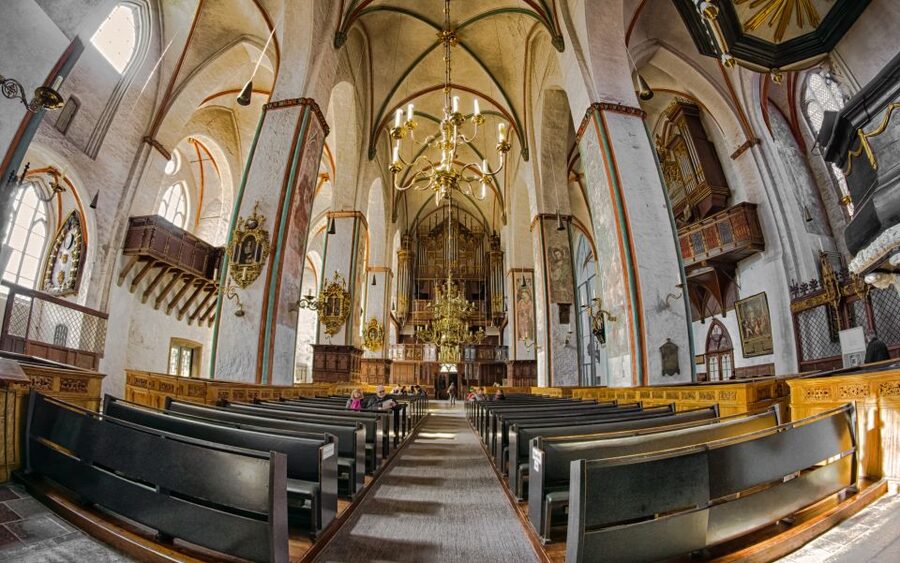
The exterior already makes an impression, but the interior is the reason to go inside. You can see the Astronomical Clock, medieval paintings, and sculptures that were uncovered after war damage. These details give the church a layered story. You are not only looking at a grand religious building, but also at the traces of what survived, what was damaged, and what was later revealed.
The church also has a turbulent past and a local legend connected with it. A guide can make those stories easier to follow than a label on a wall. Since the group is private, you can ask for more explanation instead of moving on with a large crowd.
The extra hour matters because Lübeck’s churches reward time. On the two-hour route, you get a broad introduction and St. Jakobi. On the three-hour route, you gain a major interior visit, with an admission ticket included. If Marienkirche is high on your list, the longer option is the better fit.
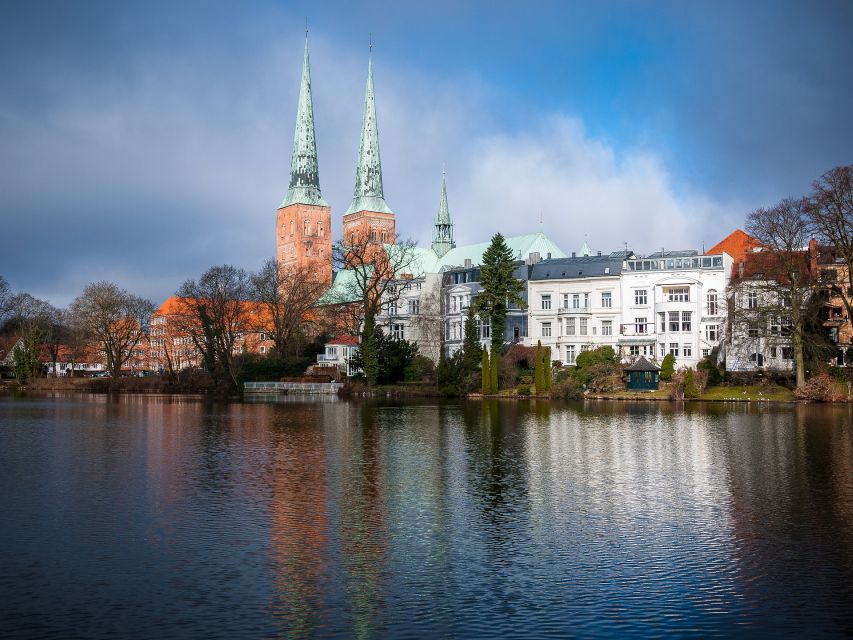
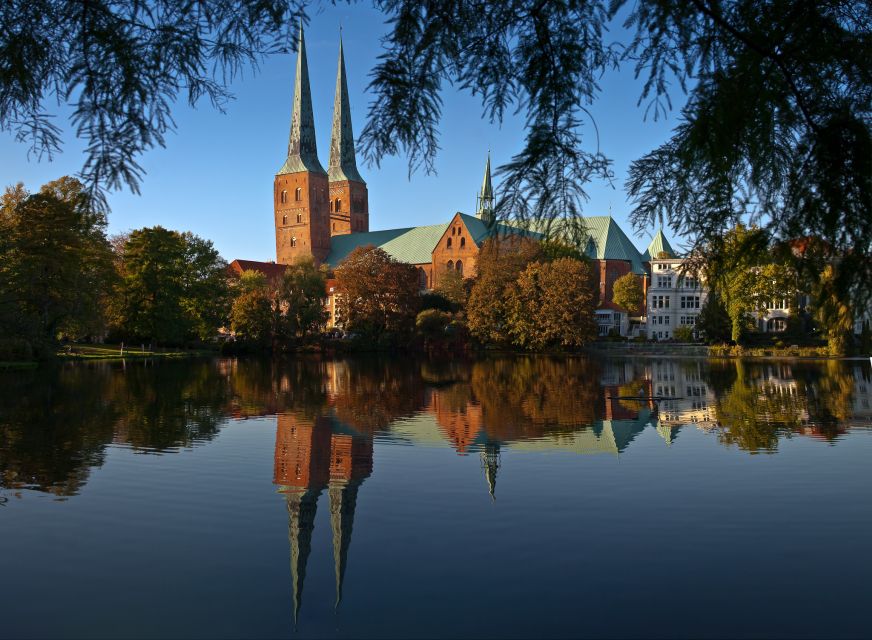
The three-hour program also includes Lübeck Cathedral in the sightseeing route. The cathedral has chapels with sacred art and historic clocks. It gives you a useful contrast with St. Mary’s: both are major religious buildings, but their spaces and details create different impressions.
You should expect some flexibility in the exact order of stops. The meeting point may vary, and the program is adapted to the group’s preferences. That is useful if your priority is church art, city defenses, local customs, or architecture rather than seeing every stop for the same amount of time.
The four-hour option enters Holstentor
The four-hour tour adds admission to Holstentor, Lübeck’s proud symbol and the clearest link to the city’s political independence and Baltic reach. If you want more than a photograph of the gate, this is the version to book.
Inside, the exhibition explains Lübeck through several practical themes. You learn about the places where long-distance merchants worked, the city’s layout and architecture, seafaring, markets, and medieval law. This makes the museum useful for first-time visitors because it turns the city outside into a readable map.
The museum also helps answer a question that the shorter walk can only introduce: how did Lübeck become so important? The answer is tied to trade, shipping, urban control, and the city’s position on the Baltic. The gate is not just an attractive entrance. It represents the authority and wealth Lübeck once guarded.
The longer option includes St. Mary’s Church as well, along with the other principal sights. You get the grand church interiors, St. Jakobi’s organs and maritime details, the cathedral, the Rathaus, the old walls, salt warehouses, and Drehbrücke. That is a substantial program, so four hours will suit you best if you prefer a slower pace and time for questions.
There is one practical trade-off. Four hours on foot can feel long if your group includes young children, anyone with limited stamina, or people who prefer to explore independently. The private structure helps, but you should still choose the duration based on your group’s energy, not only on the number of included sights.
A few more Lubeck trips to weigh up
- Lübeck: Hanseatic League History Walking Tour
★ 4.9 · 57 reviews - Lübeck: Express Walk with a Local
★ 4.9 · 10 reviews - Lübeck: Private Historical and Architectural Walking Tour
★ 4.5 · 6 reviews - Discover Berlin Half-Day Walking Tour
★ 5.0 · 9,624 reviews
What makes the private format useful
A private walking tour costs more than joining a standard group, but the price has a clear purpose. At $174 per person, you are paying for a licensed guide, a program shaped around your group, and a route that combines major landmarks with local context.
The value improves when several people share the experience and want different things from Lübeck. One person can ask about German traditions, another about church art, and another about medieval trade without pulling a large group off schedule. You can also ask for restaurant, patisserie, and pub suggestions for later.
The guide named in connection with this experience is Christel Obenaus. If she is assigned to your date, you will have a specific guide rather than an anonymous audio track or a self-guided route. The feedback associated with her describes the city tour as excellent and extremely interesting, which points to the importance of the guide’s storytelling in the overall experience.
The limitation is language. The live guide is listed as German-speaking, and no other language is specified. If you do not understand German, you should not book this expecting an English tour. Ask for confirmation before paying if language affects your decision.
How to choose between two, three, and four hours
Your choice should depend on what you want to see inside, not only on how much time you have.
Choose two hours if you want a clear introduction to Lübeck. You will see the old defenses, Holstentor from outside, the salt warehouses, St. Peter’s Church, Rathaus, St. Mary’s Church from outside, St. Jakobi Church, and Drehbrücke. This is a good fit for a short stay or a first walk before exploring on your own.
Choose three hours if you want to enter St. Mary’s and see more church art. The Astronomical Clock, medieval paintings, and sculptures make this a worthwhile addition. The cathedral is also part of the extended sightseeing route.
Choose four hours if Holstentor’s museum matters to you. You will get the fullest program, with the gate interior added to the church visits and Old Town route. This is the strongest option for anyone interested in Lübeck’s merchants, maritime trade, city law, and architecture.
The listed duration can range from two to four hours, with starting times depending on availability. Read the selected option carefully because admissions change by duration. St. Mary’s entry comes with the three and four-hour tours, while Holstentor entry comes only with the four-hour choice.
Practical details before you book
The tour is a private group experience, so you will walk only with your family or friends and the guide. The tour ends back at the meeting point, and the meeting location can differ according to the option chosen.
Hotel pickup is limited to hotels in Lübeck’s Old Town. If you are staying elsewhere, plan to reach the assigned meeting point yourself. Check your email the day before, since important meeting information is sent then.
The walking route is concentrated in the Old Town, but the tour covers churches, bridges, walls, and historic streets. Comfortable shoes are sensible. The activity details do not state a specific accessibility arrangement, so ask the provider directly if your group needs accommodations.
Free cancellation is available up to 24 hours before the tour for a full refund. You can also reserve now and pay later, which is useful if your Lübeck schedule is still changing.
Who will get the most from this Lübeck walk?
I would recommend this tour to you if you want a guide to connect Lübeck’s buildings with its civic and trading past. It is especially well suited to people who like churches, medieval architecture, local customs, and stories that make a city easier to understand.
It also suits families and small groups that dislike fixed group pacing. The private format lets you keep the focus on what interests you, though the German-only guiding is a firm point to check.
If you want only a quick photograph at Holstentor, a self-guided walk may cost less. If you want to enter every major sight at your own pace, remember that the tour is still a walking overview rather than a full museum day. Its strength is the connection between places.
Should you book the Lübeck Old Town Highlights Private Walking Tour?
Book it if you want a private, guide-led introduction to Lübeck and can use German. The two-hour option gives you the city’s main structure, the three-hour version adds the powerful interior of St. Mary’s, and the four-hour plan gives Holstentor the time it deserves.
For the best value, I would choose three hours for a balanced first visit. Choose four hours if medieval trade and the Holstentor museum are central to your plans. The $174 per-person cost is easier to justify for a group that will use the private format, ask questions, and take advantage of the guide’s food and drink suggestions.
FAQ
How long does the Lübeck Old Town tour last?
You can choose a two, three, or four-hour private walking tour. Starting times depend on availability.
Is the tour private?
Yes. The tour is for a private group made up of your family or friends.
What language is the live tour guide?
The live tour guide is listed as German-speaking. German is the only language specified.
Is St. Mary’s Church included?
Entry to St. Mary’s Church is included with the three and four-hour options. It is not listed as an included admission on the two-hour option.
Is Holstentor entry included?
Holstentor entry is included only with the four-hour option. The shorter tours include the gate as part of the Old Town sightseeing route.
Is St. Jakobi Church included?
Yes. The tour includes a visit to St. Jakobi Church, known for its organs and maritime character.
Can I be picked up at my hotel?
Pickup is available only from hotels in Lübeck’s Old Town. Hotels outside the Old Town do not include pickup.
Can I visit St. Peter’s Church tower?
The observation tower at St. Peter’s Church is optional and costs 3 EUR. This fee is not included in the tour price.
Just added around Lubeck
- Lübeck zwischen Grusel und Geschichte Truecrime zu Halloween★ 4.9 · 35 reviews
- Lübeck: Private Historical and Architectural Walking Tour★ 4.5 · 6 reviews
- Lübeck Day Pass – Day ticket for Lübeck museums★ 4.0 · 15 reviews
- Lübeck: Express Walk with a Local★ 4.9 · 10 reviews
- Lübeck: Hanseatic League History Walking Tour★ 4.9 · 57 reviews
- Lübeck: Classic Tour of the Hanseatic City★ 4.8 · 64 reviews
- Lübeck: Backyards and Town Houses Private Guided Tour★ 4.9 · 23 reviews
- Lübeck: Architecture and Local Craft Private Guided Tour★ 4.0 · 6 reviews
Old Town Walking Tours, compared.
Old Town & Viktualienmarkt City Walk in German
Read our review →

The Night Watchman Old Town Walking Tour in German
Read our review →
Browse the lists this tour appears in