
Reviewed · STREET ART & ALTERNATIVE TOURS
Berlin Reunited and Revived! 3-Hour Alternative Tour
Berlin’s story is easiest to understand when you leave the postcard center behind. This three-hour tour links Mitte, Prenzlauer Berg, Friedrichshain, and Kreuzberg, showing how a divided capital became one of Europe’s most creative cities.
I like the focus on ordinary city life, especially the contrast between restored Mitte buildings, the former brewery at Kulturbrauerei, and the political street art along the East Side Gallery. I also like the final stop at the Turkish Market, where food, fabric, produce, local makers, and live music reflect Berlin’s mixed population.
The main consideration is pace. Four neighborhoods and several major themes make for a full three hours, and this is primarily a walking experience. The tour runs only on Tuesdays and Fridays from April through October, so your dates need to line up.
In This Review
- Key points to know before booking
- Berlin’s rebirth told through four neighborhoods
- Mitte: restored buildings and a changing center
- Prenzlauer Berg and the former Kulturbrauerei
- Friedrichshain: wall memory and alternative Berlin
- Kreuzberg and the Turkish Market finish
- What the guide adds to the experience
- Walking, timing, and practical comfort
- Is $352 good value for a private group?
- Who should book this Berlin tour?
- Should you book Berlin Reunited and Revived?
- FAQ
- How long is the Berlin Reunited and Revived tour?
- What neighborhoods does the tour visit?
- Which major places are included?
- Is the tour private?
- What languages are available?
- Is hotel pickup included?
- When does the tour operate?
Key points to know before booking
- Four neighborhoods in three hours: Move from Mitte to Prenzlauer Berg, Friedrichshain, and Kreuzberg for a broad look at modern Berlin.
- Kulturbrauerei adds useful context: This former brewery helps explain how old East Berlin buildings found new lives after reunification.
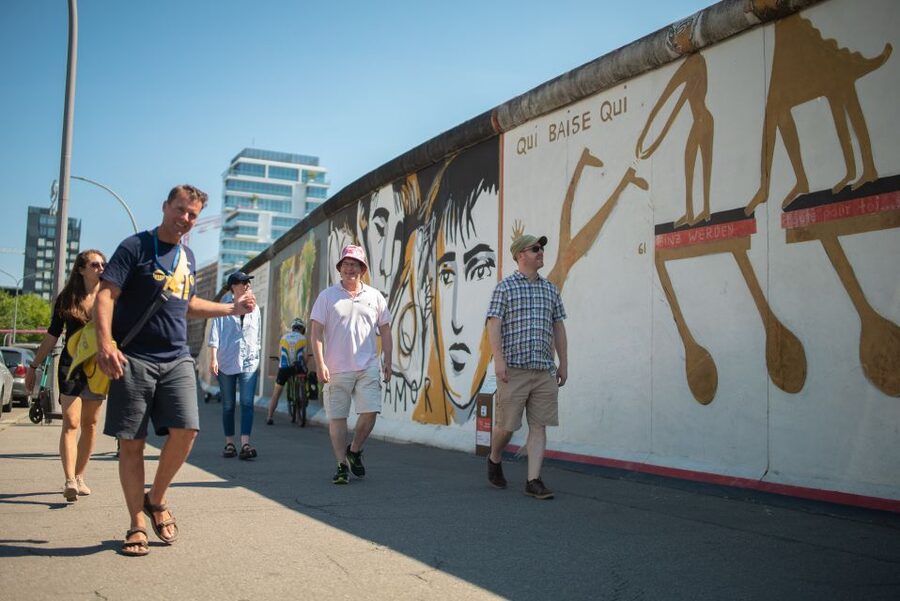
- East Side Gallery is more than a photo stop: You discuss the political meaning of Berlin’s street art and the wall paintings.
- The Turkish Market is the lively finish: Plan to look for Turkish food, fresh produce, colorful fabric, Berlin-made goods, and occasional live music.
- Private groups offer flexibility: The price is $352 for up to 20 people, with an English- or German-speaking guide.
- Season and schedule matter: Tours operate Tuesdays and Fridays from April through October.
Berlin’s rebirth told through four neighborhoods
This tour is built around change. Rather than treating the fall of the Berlin Wall as a single historic moment, it follows what happened afterward: buildings were restored, artists moved in, rents rose, companies arrived, and long-standing residents pushed back.
That approach gives you a more useful picture than a simple march between famous sights. You see the city as a place where political memory, property prices, creative work, and daily life all meet on the same street.
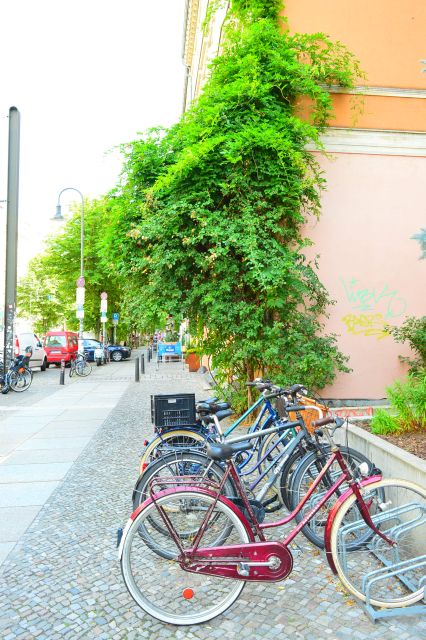
You begin in Mitte, once split between East and West Berlin. After reunification, many neglected buildings were repaired and returned to their former glory. The point is not only to admire fresh façades. You consider why these buildings were restored so quickly, what changed when the wall disappeared, and how central Berlin became attractive to new businesses and residents.
I find this opening especially helpful because it puts later stops in context. Berlin’s new image did not appear from nowhere. It grew out of empty buildings, cheap space, political freedom, and a city still trying to decide what it wanted to become.
More Street Art & Alternative Tours in Berlin
- Berlin: City Street Art Guided Walking Tour
★ 4.8 · 886 reviews - Berlin: 3-Hour Street Art Tour
★ 4.7 · 778 reviews - Berlin Street Art Walking Tour – Off The Grid
★ 5.0 · 270 reviews
Mitte: restored buildings and a changing center
Mitte is the part of the tour most likely to feel familiar to first-time visitors, but this outing uses it differently. You are not simply checking off central landmarks. You are looking at the contrast between old building stock and new investment.
The neighborhood helps explain Berlin’s reputation as poor but sexy. For years, the city had a large supply of worn or vacant property and a strong artistic culture. That combination attracted people who wanted room to work, live, and experiment without the high costs found in other major European capitals.
The downside is that restoration can erase signs of earlier hardship. A polished building may look timeless, even though its recent story includes neglect, division, and rapid redevelopment. Your guide can help connect those visible changes to the lives of people who lived through them.
This is also where you begin thinking about Berlin’s growing corporate culture. The tour does not present development as purely good or bad. New investment can repair neglected buildings and bring jobs, but it can also change who can afford to remain in the area.
Prenzlauer Berg and the former Kulturbrauerei
From Mitte, the tour moves to Prenzlauer Berg, a district that became an artistic center in the 1990s. That period followed reunification, when creative people were drawn to the area’s old buildings and changing social scene.
Today, Prenzlauer Berg attracts upwardly mobile young professionals and families. That makes it a clear example of gentrification, a word that can sound abstract until you see how a district’s reputation and residents change over time.
The neighborhood’s appeal is easy to understand. It has character, a strong connection to Berlin’s alternative past, and a location that feels close to the city center. Yet the same qualities that attract artists and newcomers can bring higher rents and pressure on older communities.
The key stop here is Kulturbrauerei, a former brewery now used as a center for culture and the arts. Its reuse mirrors a wider pattern in East Berlin: old industrial buildings gain a second life as spaces for events, art, performance, and community activity.
I like this stop because it gives the tour a concrete example of change. You do not just hear that Berlin repurposes old buildings. You see how an industrial site can become part of the city’s cultural identity.
You should also keep your expectations in check. Kulturbrauerei is not presented as a full museum visit, and the tour is not centered on extended indoor exploration. Its value comes from the building’s role in the story of Prenzlauer Berg and East Berlin’s continuing transformation.
Friedrichshain: wall memory and alternative Berlin
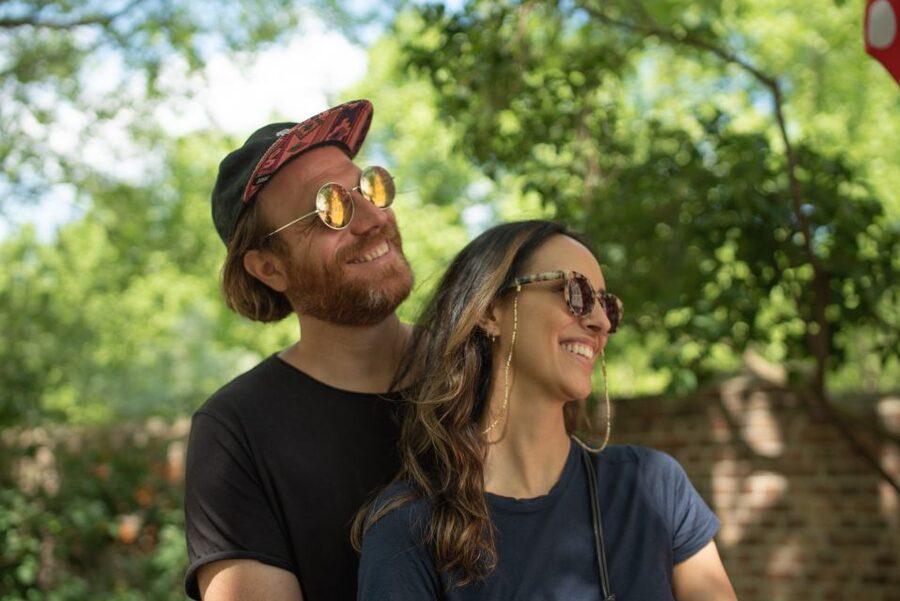
The route then turns toward Friedrichshain, one of the districts associated with Berlin’s alternative scene. Here, the tour looks at the tension between independent culture, corporate development, and rising rents.
That tension is central to present-day Berlin. The city’s creative reputation helped attract visitors, businesses, and investment. At the same time, left-wing residents and neighborhood groups continue to resist corporate projects and rent increases.
You are not asked to view Friedrichshain as a frozen counterculture district. It is a place where change is ongoing. Some spaces gain new commercial uses, while other residents try to protect the character and affordability that made the area attractive in the first place.
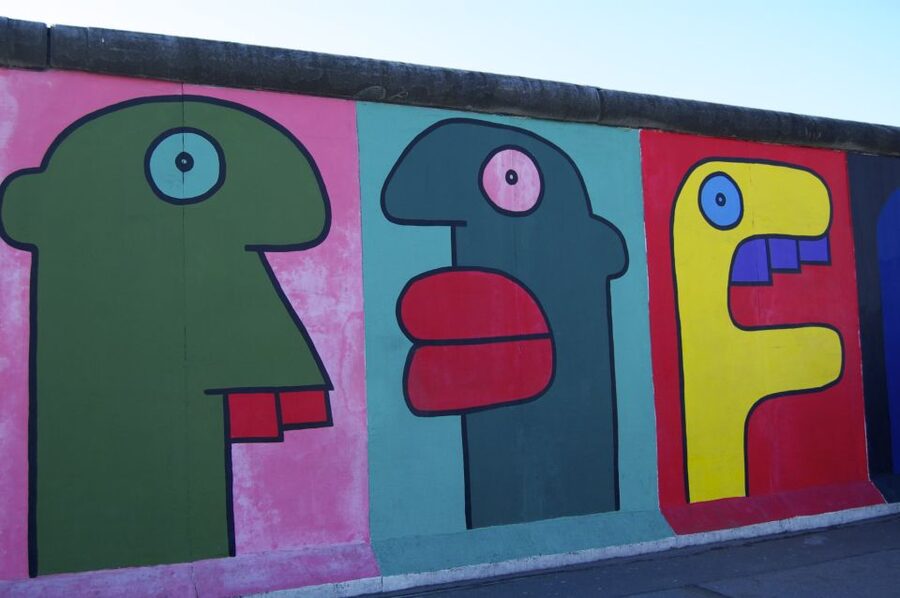
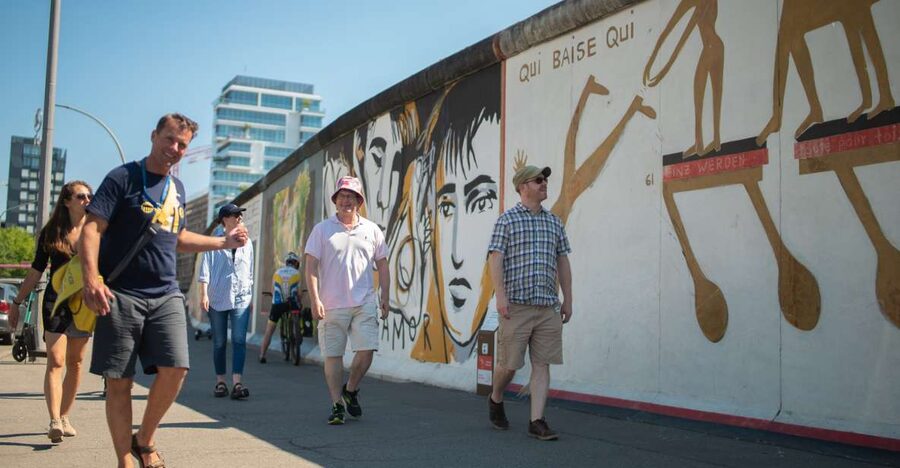
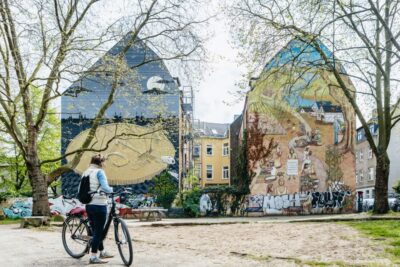
The strongest landmark in this part of the tour is the East Side Gallery. This colorful section of the former Berlin Wall has become the world’s largest open-air gallery. Its painted panels make it an obvious photo stop, but the tour gives you a reason to look beyond the colors.
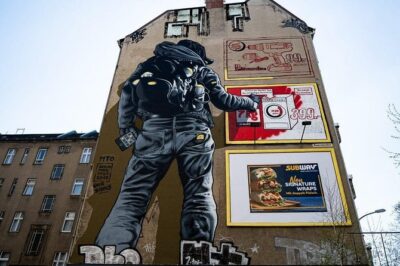
You discuss the origins and political overtones of Berlin’s street art. That matters because the murals are not simply decoration. They connect to protest, freedom of expression, memory, and the city’s habit of using public walls to argue about politics.
The East Side Gallery can be crowded and visually overwhelming, especially if you try to absorb every painting at once. A guide is useful here because three hours does not allow for a long, detailed study of every panel. You get the larger story and a sharper sense of why this stretch of wall matters.
For me, the best way to approach this stop is to treat it as a public argument rather than a gallery visit. The paintings are part of a place shaped by division, reunification, tourism, and redevelopment. That mixture makes the site more complicated than its cheerful colors suggest.
Same city, a completely different kind of day:
- Berlin: Reichstag, Dome and Government District Guided Tour
★ 4.7 · 18,288 reviews - Berlin: 1-Hour City Tour by Boat with Guaranteed Seating
★ 4.3 · 16,993 reviews - Berlin: Boat Tour Along the River Spree
★ 4.4 · 11,252 reviews - Discover Berlin Half-Day Walking Tour
★ 5.0 · 9,624 reviews
Kreuzberg and the Turkish Market finish
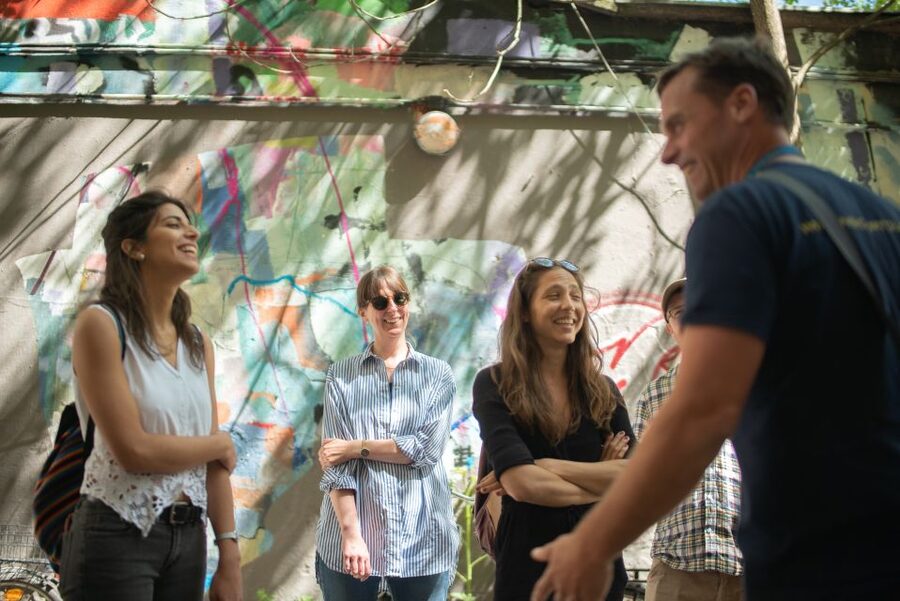
The last neighborhood is Kreuzberg, a district long associated with alternative politics, immigrant communities, and independent culture. The tour uses Kreuzberg to continue the discussion of housing pressure and corporate expansion.
This is a useful counterpoint to Prenzlauer Berg. Prenzlauer Berg shows how an artistic district can become more polished and expensive. Kreuzberg shows how established communities and political groups continue to push back against forces that may make the neighborhood less affordable.
The route ends at the Turkish Market beside the Landwehr Canal. This is a strong choice for a final stop because it shifts the focus from architecture and political history to everyday urban life.
The market began with fresh produce, Turkish cuisine, and bolts of brightly patterned fabric. It has grown to include Berlin artisans, local farmers, and occasional live music. You can expect a setting that reflects the city’s many communities rather than a carefully packaged tourist attraction.
Food and drinks are not included, so bring money if you want to eat or browse. That is not a flaw in the tour. It gives you the freedom to choose what interests you, but you should not assume the $352 price covers market purchases.
The market’s schedule deserves attention. The activity description calls it a weekly market, but the exact market day is not specified. Since the tour itself runs on Tuesdays and Fridays, confirm that the market will be operating on your chosen date before booking if this final stop is a major reason for joining.
What the guide adds to the experience
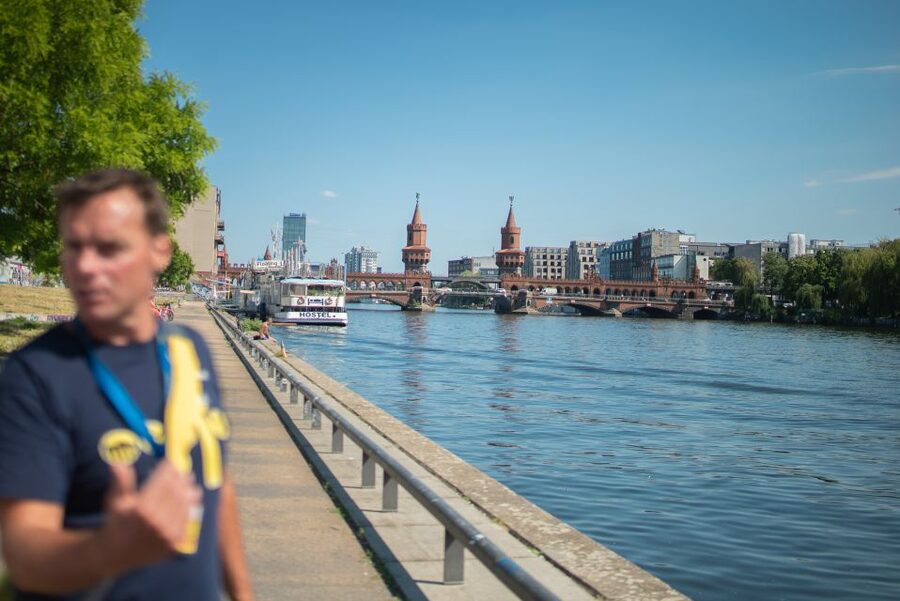
A tour about Berlin’s recent development depends heavily on explanation. Buildings and murals can show you change, but a guide helps connect them.
The available guide languages are English and German. Past bookings specifically praised guides named Tom, Maria, and JJ. Tom was noted for an American charm and humor, while Maria was described as lively and interesting. JJ was praised for an engaged, humorous approach, including an English tour arranged for a group with a Chinese exchange student.
Those details suggest a relaxed style rather than a dry lecture. Still, guide assignments can change, so you should not book expecting one particular person unless the provider confirms that guide in advance.
I would choose this tour if you enjoy asking questions and comparing neighborhoods. It is less suitable if you want a long list of dates, rulers, and military events. The emphasis is on Berlin since reunification, urban change, street art, rent pressure, and how residents live today.
Because the group is private, you have more room to shape the conversation than you would on a large scheduled walk. The maximum group size is 20, which is generous. A group of 20 may feel quite different from a small family group, especially on busy streets or near the East Side Gallery, so ask about group arrangements if intimacy is important to you.
Walking, timing, and practical comfort
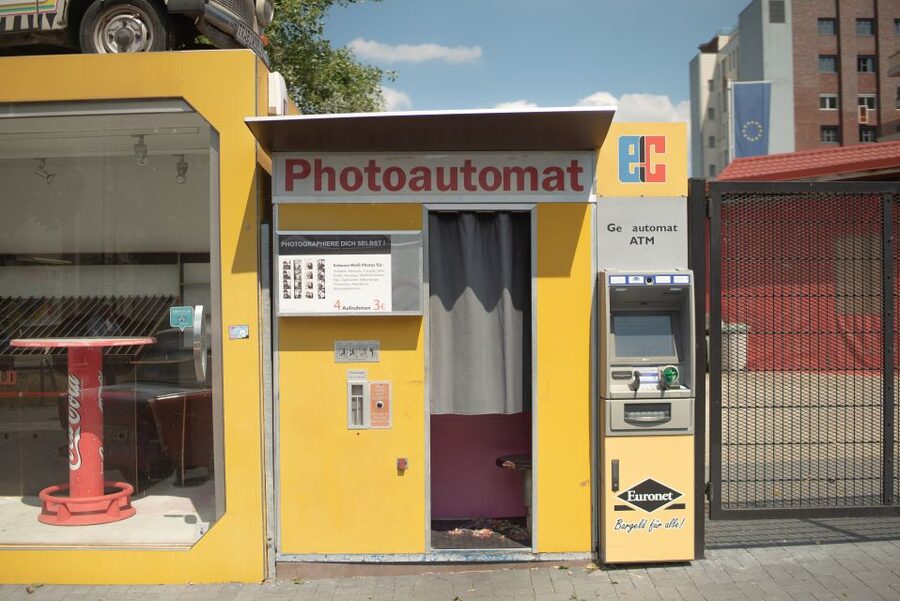
The tour lasts three hours and includes several neighborhoods. The supplied information does not give a full distance or transport plan, so you should be ready for a substantial amount of walking and urban movement.
Wear weather-appropriate clothing. That advice is basic but important because the experience is outdoors for much of its duration, and Berlin weather can change quickly. Comfortable shoes will make the neighborhood transitions easier.
Hotel pickup is included. You should wait in the hotel lobby five minutes before the scheduled pickup time and look for a guide wearing a yellow name tag. That small identification detail can save time at the start, especially in a busy hotel.
The activity is wheelchair accessible. Since the route crosses several districts and includes public outdoor areas, it is still sensible to mention any specific mobility needs when arranging the tour. Accessibility is listed, but the exact street route and conditions are not described.
The schedule is limited to Tuesdays and Fridays from April through October. That is a meaningful restriction. If your Berlin stay is short, check the dates before building your itinerary around this experience.
You can cancel up to 24 hours in advance for a full refund, and you can reserve now while paying later. Those terms are useful if your plans are still moving, but they do not remove the need to check the seasonal schedule.
Is $352 good value for a private group?
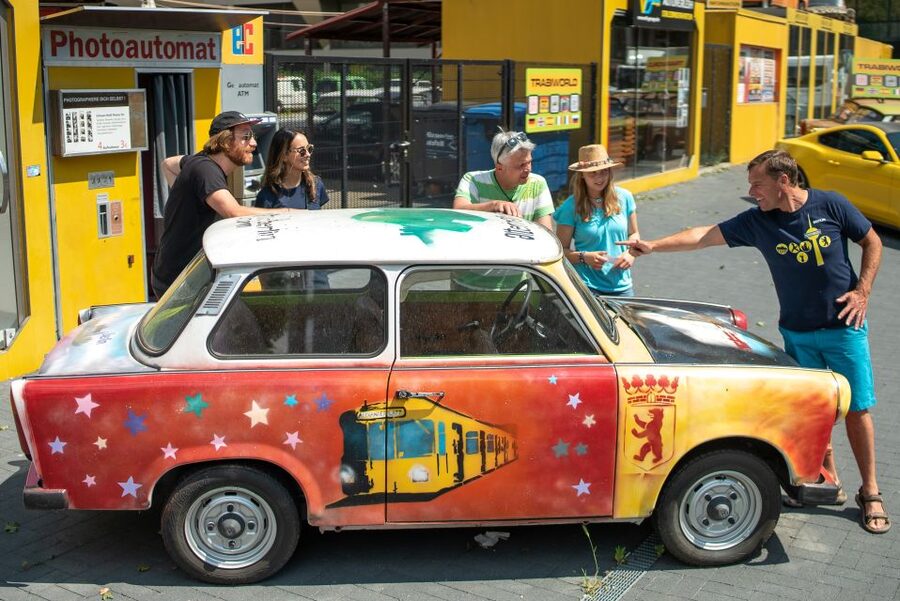
At $352 per group of up to 20, the price makes the most sense when shared by several people. A full group would pay less than $18 per person, while a couple would carry the full cost between two people.
That means the tour is not the obvious choice for a solo visitor or a pair watching every euro. For a family, group of friends, or private organization, the value improves considerably. You are paying for a focused guide, hotel pickup, a private format, and a route that links four districts rather than concentrating on one central area.
The tour also saves you from having to build this exact comparison yourself. You could visit Mitte, Prenzlauer Berg, Friedrichshain, and Kreuzberg independently, but you would need to research the connections between them and find the meaning behind sites such as Kulturbrauerei and the East Side Gallery.
The tradeoff is depth. Four neighborhoods in three hours gives you a strong overview, not a slow, street-by-street study. You will see how the districts differ and hear the main arguments about redevelopment, but you will not have time to explore every market stall, mural, or cultural venue.
I see the price as fair for a group that wants an interpretive city tour rather than basic sightseeing. For a small party, compare it with a standard walking tour before booking. For a larger group, the private format can be a sensible way to get a tailored introduction to modern Berlin.
Who should book this Berlin tour?
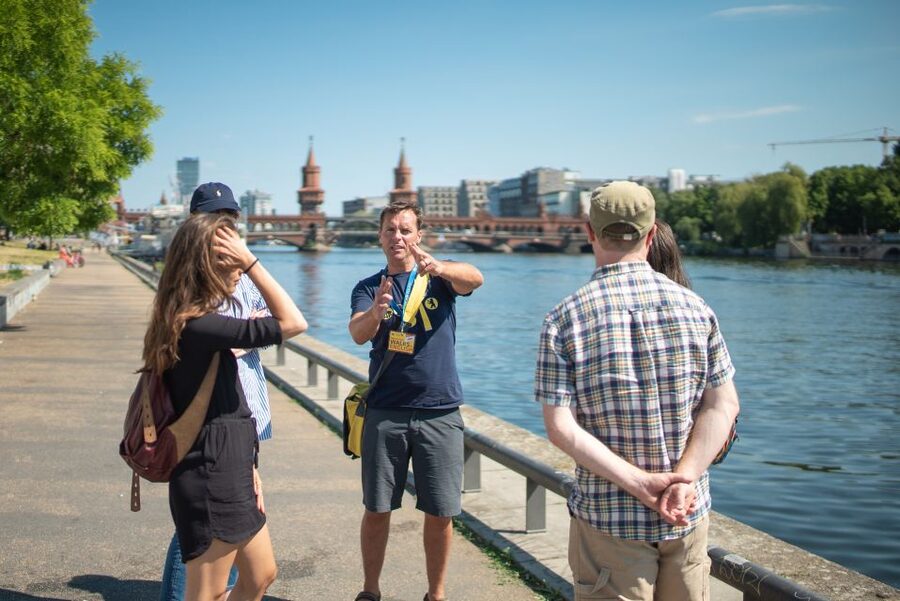
I would recommend it to you if you have already seen Berlin’s major historic sights or want to understand the city beyond them. It is particularly useful for visitors interested in architecture, street art, urban change, immigration, housing, and the social effects of reunification.
Families and mixed-age groups may also find the four-district structure useful. The tour moves between different kinds of places, so it does not rely on one long museum visit or a single historical theme.
It also suits visitors who want a guide-led introduction before exploring Berlin on their own. After three hours, you will have a clearer idea of which districts deserve more of your free time.
I would hesitate to recommend it if your priority is Berlin’s major royal, military, or Nazi-era sights. Those subjects are not the focus here. I would also think twice if your schedule does not include a Tuesday or Friday between April and October.
Should you book Berlin Reunited and Revived?
Book this tour if you want Berlin explained as a living city rather than a collection of monuments. The strongest parts are the contrast between Mitte and Prenzlauer Berg, the cultural reuse of Kulturbrauerei, the political meaning behind the East Side Gallery, and the final look at daily life around the Turkish Market.
The private price works best for a group. Confirm the date, ask about the guide if you have a preference, and wear clothing suited to several hours outdoors. If those details fit your plans, this is a thoughtful way to see how reunification still shapes Berlin’s buildings, neighborhoods, politics, and rents.
FAQ
How long is the Berlin Reunited and Revived tour?
The tour lasts three hours.
What neighborhoods does the tour visit?
The route includes Mitte, Prenzlauer Berg, Friedrichshain, and Kreuzberg.
Which major places are included?
The tour visits Kulturbrauerei, the East Side Gallery, and the Turkish Market beside the Landwehr Canal.
Is the tour private?
Yes. It is a private group tour for up to 20 people.
What languages are available?
The live guide is available in English or German.
Is hotel pickup included?
Yes. You should wait in your hotel lobby five minutes before the scheduled pickup time. The guide will wear a yellow name tag.
When does the tour operate?
Tours run on Tuesdays and Fridays from April through October.
More 3-Hour Experiences in Berlin
- Berlin Highlights 3-Hour Bike Tour
★ 5.0 · 948 reviews - Berlin Highlights: 3-Hour Bike Tour
★ 4.9 · 809 reviews - Berlin: 3-Hour Secret Food Tour
★ 4.8 · 269 reviews - Berlin: 3-Hour Segway Tour
★ 4.7 · 112 reviews
Just added around Berlin
- Love and War in Berlin: Self-Guided Story Puzzle Walk★ 5.0 · 7 reviews
- Rickshaw Tours Berlin – Groups of up to 16 people with several rickshaws★ 4.0 · 97 reviews
- Walking on the Wall: 3-Hour Tour in Berlin★ 4.5 · 34 reviews
- eSIM for Germany and 34 European Countries★ 4.5 · 16 reviews
- Warnemuende Shore Excursion: Berlin Private Sightseeing Tour from Rostock★ 5.0 · 4 reviews
- Your ticket to The Wall Museum Berlin★ 3.0 · 60 reviews
- Warnemuende Shore Excursion: Private Berlin Tour★ 4.5 · 27 reviews
- Berlin’s Gay, Lesbian, and Queer Scene Small-Group Walking Tour★ 4.5 · 66 reviews
Street Art & Alternative Tours, compared.
Neustadt District Street Art Guided Walking Tour
Read our review →

East Meets West: Berlin Food Culture & Street Art
Read our review →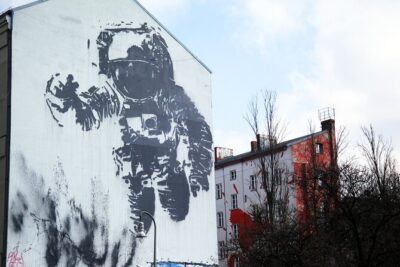
Browse the lists this tour appears in