
Reviewed · STREET ART & ALTERNATIVE TOURS
Berlin: Alternative & Street Art Tour
Berlin’s alternative culture is not tucked away in a museum. It spills across walls, former industrial yards, music clubs, beaches, and odd little corners where people have made their own rules. This three-hour walk connects those places, giving you a useful first look at the city’s graffiti, punk, techno, squatting, and political scenes.
I like the strong mix of art and social history, and I like that the tour includes specific places such as Haus Schwarzenberg, YAAM beach, Künstlerhaus Bethanien, and the Treehouse on the Wall. The main consideration is that the route and emphasis change with your guide, so you may get more street art in Mitte and Friedrichshain or more squatting and gentrification history in Kreuzberg.
In This Review
- Key points at a glance
- Why this is a different kind of Berlin tour
- Starting beneath the TV Tower
- Haus Schwarzenberg and Berlin’s rough-edged art scene
- Mitte and Friedrichshain: art in changing neighborhoods
- YAAM beach and Berlin’s playful side
- Künstlerhaus Bethanien and Kreuzberg’s creative past
- The Treehouse on the Wall
- SO36 and the sound of punk Berlin
- RAW Gelände and the industrial afterlife
- Three hours, $23, and what you receive
- Who should book this walk
- Is the Berlin Alternative and Street Art Tour worth it?
- FAQ
- How long does the Alternative and Street Art Tour last?
- Where does the tour meet?
- Where does the tour end?
- What language is the tour?
- Which places are included on the route?
- Does the route always follow the same itinerary?
- Is transportation included?
- What happens if it rains?
Key points at a glance
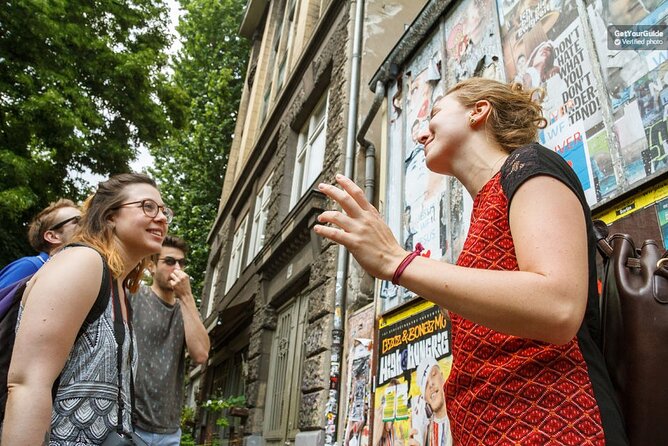
- Street art beyond the postcard walls: See changing urban art in Mitte and Friedrichshain, not just Berlin’s famous murals.
- Alternative Berlin in several forms: The tour links punk, techno, politics, squatting culture, beaches, treehouses, and artist spaces.
- Six notable stops: The route includes Haus Schwarzenberg, YAAM beach, Künstlerhaus Bethanien, the Treehouse on the Wall, SO36, and RAW Gelände.
- A guide-led personal view: Guides such as Damien and Antonio have been praised for their enthusiasm and ability to explain Berlin’s alternative side.
- Good value at $23: Three hours with an English-speaking guide costs less than many standard sightseeing walks.
- Flexible but weatherproof: The walk runs rain or shine, and you can cancel up to 24 hours ahead for a full refund.
Why this is a different kind of Berlin tour
A standard Berlin sightseeing walk concentrates on grand monuments, royal avenues, war memorials, and the Berlin Wall. This tour points you toward the city’s less polished face, where art is temporary, politics can be painted on a wall, and old industrial spaces become clubs, studios, or meeting places.
That makes the experience especially useful early in your stay. You get a basic map of Berlin’s alternative districts and a vocabulary for understanding what you see later on your own. A pasted poster, a painted shutter, or a rough-looking courtyard can mean more once you know something about the city’s squatting movement, club culture, and constant fight over development.
The tour also avoids treating street art as decoration alone. You hear how artists, musicians, squatters, and political groups helped shape Berlin’s identity. The focus is on life here and now, with attention to revolution, gentrification, and the reasons artists continue to settle in the city.
The tone should be informal and direct. English is the tour language, and the guide’s personal interests affect the day. Damien has been praised for his enthusiasm and clear understanding of the alternative scene, while Antonio has been described as a guide who made the experience especially engaging. You cannot choose your guide from the information provided, but those names suggest the tour benefits from a strong personality at the front.
More Street Art & Alternative Tours in Berlin
- Berlin: City Street Art Guided Walking Tour
★ 4.8 · 886 reviews - Berlin: 3-Hour Street Art Tour
★ 4.7 · 778 reviews - Berlin Street Art Walking Tour – Off The Grid
★ 5.0 · 270 reviews
Starting beneath the TV Tower
You meet beneath the TV Tower, directly in front of the Vapiano restaurant. This is a practical central meeting point, but give yourself enough time to find the exact spot in the busy Alexanderplatz area.
The tour returns to the same meeting point after three hours. That makes it easy to plan a museum visit, meal, or train connection afterward, though you should avoid booking something immediately after the walk. The route can shift with the guide and the day’s focus.
You will need to arrange your own transport to and from the meeting point. A transportation ticket is not included, along with food, drinks, or gratuities. The activity is described as a walking tour, so wear shoes that can handle several hours on city streets and former industrial grounds.
Haus Schwarzenberg and Berlin’s rough-edged art scene
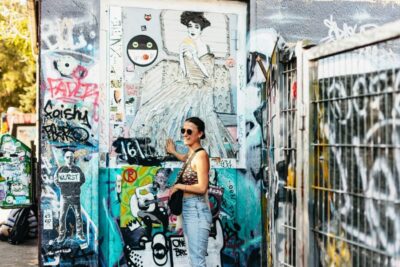
Haus Schwarzenberg is one of the clearest introductions to Berlin’s street art culture. Its courtyards and walls are packed with changing work, giving you a close look at how artists use neglected or unusual spaces.
The appeal is the constant change. You are not simply viewing a permanent collection in a gallery. The art sits in the open, exposed to weather, new paint, repairs, and the next person with a message to add.
This stop also helps explain why Berlin attracts artists. The city has long offered room for experimentation, and its alternative culture has developed through a mix of cheap or abandoned spaces, political movements, music, and creative communities. The guide connects the visual work to those larger forces.
Bring your camera, but keep your eyes open beyond the biggest image. Smaller details, layered posters, odd stickers, and rough textures often make the best photographs. Since the tour promises photo opportunities rather than a formal photography session, you will want to move with the group while still watching for good angles.
Mitte and Friedrichshain: art in changing neighborhoods
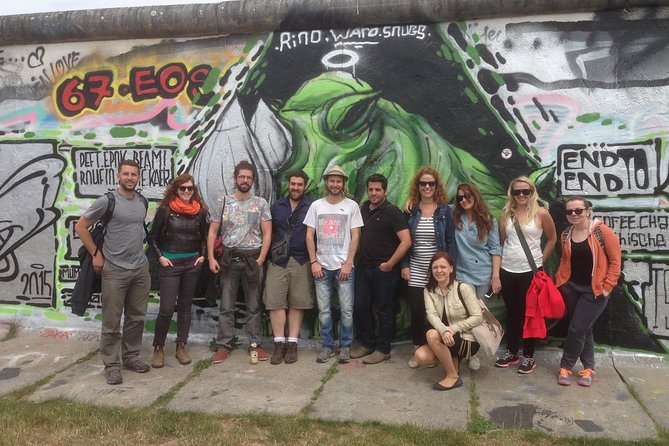
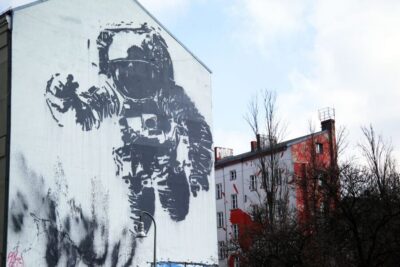
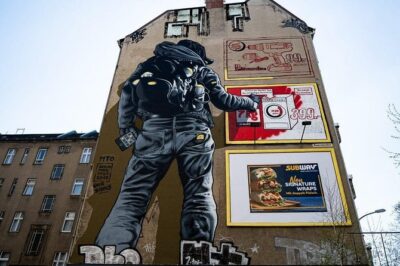
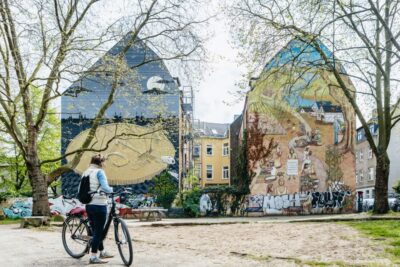
The tour provides an introduction to street art and graffiti in Friedrichshain and Mitte. These areas show two useful sides of Berlin’s creative identity: art as a public statement and art as part of a neighborhood that is always changing.
Your guide may point out work connected to music, politics, local identity, or simple visual experimentation. The exact pieces will change over time, so the value is not only in seeing a particular mural. It is in learning how to read the city’s walls and understand why public art matters here.
The route can also raise the question of ownership. Who gets to decide what belongs on a wall? When a rough creative district becomes fashionable, what happens to the artists and residents who made it appealing? These are not abstract issues in Berlin, and the tour places them alongside the art rather than treating them as a separate lecture.
If you want a polished, predictable collection of famous paintings, this is not the right outing. If you enjoy art that changes and a guide who can explain the arguments around it, this portion should be rewarding.
Same city, a completely different kind of day:
- Berlin: Reichstag, Dome and Government District Guided Tour
★ 4.7 · 18,288 reviews - Berlin: 1-Hour City Tour by Boat with Guaranteed Seating
★ 4.3 · 16,993 reviews - Berlin: Boat Tour Along the River Spree
★ 4.4 · 11,252 reviews - Discover Berlin Half-Day Walking Tour
★ 5.0 · 9,624 reviews
YAAM beach and Berlin’s playful side
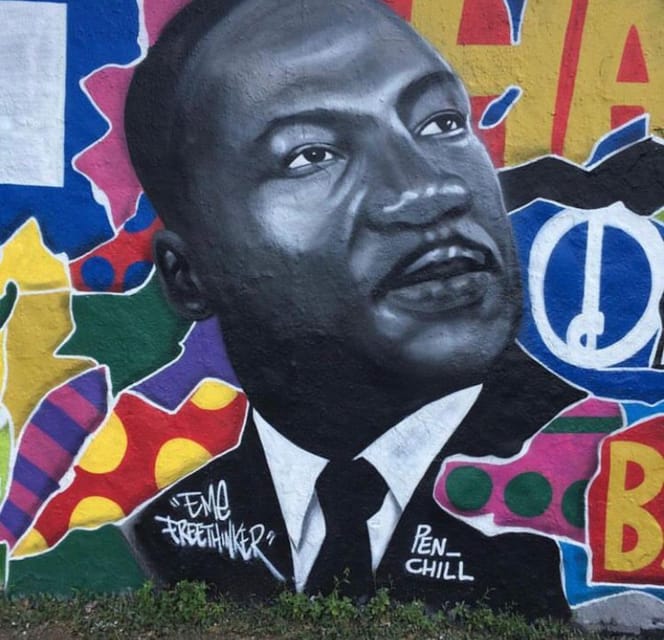
YAAM beach brings a different mood. Berlin is inland, yet the city has created places where sand, music, and informal social life offer a break from the usual street grid.
The stop helps show that Berlin’s alternative culture is not only about protest or graffiti. It also includes recreation, music, outdoor gatherings, and spaces built around a relaxed community atmosphere. You see how people have adapted leftover urban areas for uses that were not always part of official city planning.
The tour does not include food or drinks, so do not count on refreshments being part of the visit. YAAM is included as a cultural stop, not as a guaranteed beach break with a set amount of free time.
Künstlerhaus Bethanien and Kreuzberg’s creative past
Künstlerhaus Bethanien adds an artist-centered stop to the route. It helps broaden the picture beyond quick graffiti sightings by showing how Berlin’s creative life also includes organized spaces for artists and exhibitions.
In Kreuzberg, the guide changes focus toward squatting, revolution, and gentrification. This is where the tour becomes more political and historical, though its subject remains the present city. You get context for why certain buildings, streets, clubs, and communities matter to Berliners.
The benefit of this section is that it explains conflict rather than simply celebrating alternative culture. Berlin’s old reputation for freedom and low-cost living has helped attract artists, but that same appeal can bring investment, rising prices, and pressure on independent spaces.
Expect the guide to connect local places to these larger changes. The route will not give you a full academic history of Berlin, nor is it meant to. It offers a compact, personal introduction that helps you notice the city’s ongoing arguments.
The Treehouse on the Wall
The Treehouse on the Wall is one of the tour’s most unusual stops. Its name points to the improvised, imaginative way Berliners have sometimes claimed space and created something unexpected from a difficult setting.
This is the kind of place that makes the tour different from a standard city walk. You are not only looking at large murals or famous buildings. You are seeing how people use small patches of urban space to express independence, creativity, and resistance to ordinary planning.
The stop also fits the tour’s wider theme: Berlin’s alternative culture often grows in the gaps. A vacant lot, a leftover strip of land, or an underused building can become an artist space, a social venue, or a symbol of a neighborhood’s identity.
SO36 and the sound of punk Berlin
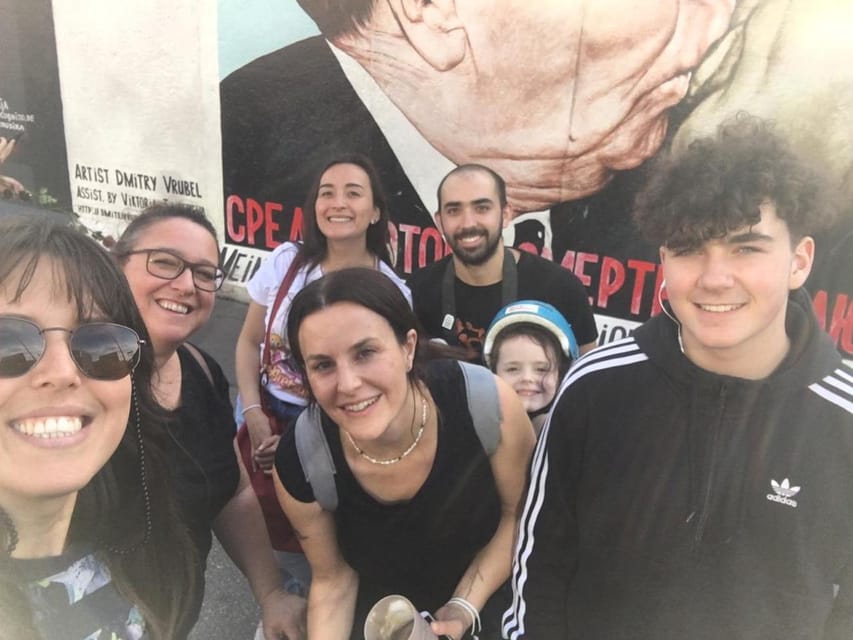
SO36 brings music into the story. The venue is tied to Kreuzberg’s punk tradition and shows how clubs can be part of a city’s social and political life, not merely places for nightlife.
Your guide may use the stop to explain the relationship between music, rebellion, and community. Punk culture gave many Berliners a way to challenge authority, reject convention, and build a scene around shared ideas. It also helps explain why Berlin’s alternative identity cannot be separated from its music.
The tour also covers techno, so the story reaches beyond one period or genre. The exact balance depends on your guide, but the larger point remains clear: music has helped define how Berlin presents itself and how its subcultures find one another.
Do not expect a concert or club entry. SO36 is part of the walking route and cultural explanation. Its value is in the context you receive, especially if Berlin nightlife is one reason you came to the city.
RAW Gelände and the industrial afterlife
RAW Gelände is another major stop and one of the best places to understand how former industrial areas can take on new lives. The site is associated with urban art, nightlife, and alternative uses, making it a natural setting for the tour’s final themes.
Here, the tour can bring together several threads: graffiti, clubs, artists, informal communities, and redevelopment. Places like this often appeal because they feel independent and unfinished, but that same quality can make them vulnerable when land values rise.
You may find the site more visually varied than a conventional monument. Corrugated surfaces, old structures, painted walls, and reused spaces create strong photo opportunities, but the rough setting may not suit everyone. The walk is rain or shine, and outdoor conditions are part of the experience.
Three hours, $23, and what you receive
At $23 per person, this is a good-value introduction to Berlin’s alternative culture. You receive three hours with an English-speaking local guide and a route that covers several districts and themes. Compared with paying for separate admissions, the price is low because the experience is built around walking, storytelling, and public spaces.
The value depends on your interests. If you want major attractions, indoor exhibits, or a tightly fixed route, you may prefer a conventional Berlin city tour. If you want help understanding graffiti, squatting, music, political movements, and gentrification, the guide’s interpretation makes the modest price worthwhile.
The tour does not include transport tickets, food, drinks, or gratuities. You should also allow time for walking between the stops, since the experience covers Mitte, Friedrichshain, and Kreuzberg with a changing focus.
Reserve now and pay later is available, which can help if your schedule is still shifting. Free cancellation is available up to 24 hours before the tour for a full refund.
Who should book this walk
I would recommend it to first-time visitors who want to see Berlin beyond the familiar landmarks. It is also a good match for anyone interested in street photography, contemporary art, music history, political movements, or the way cities change.
The tour suits all ages, but the subject matter is more appealing to people who enjoy discussion and visual discovery than to those seeking a fast list of monuments. Families with older children may find the graffiti and unusual buildings engaging, while younger children may not follow the social history for the full three hours.
The experience is wheelchair accessible, which is useful to know before booking. Still, because it takes place outdoors and the route includes urban and former industrial areas, you may want to confirm the day’s practical route if you have specific mobility needs.
Bring weather protection. The tour runs rain or shine, and Berlin’s outdoor art is not presented behind glass. A rainy day may make the walk less comfortable, but it will not cancel the experience automatically.
Is the Berlin Alternative and Street Art Tour worth it?
Book this tour if you want a compact, affordable introduction to the people, places, and arguments behind Berlin’s alternative identity. The strongest reasons are the range of stops, the focus on real subcultures, and the chance to hear a guide’s personal view rather than follow a standard monument route.
Think twice if you dislike walking in poor weather or want a fixed itinerary with guaranteed emphasis on one district. Since guides shape the route, one departure may lean toward graffiti and another toward Kreuzberg’s squatting and gentrification story.
For $23, the balance is favorable. You get three hours of context and photo stops across several important creative areas, then return to the TV Tower with a better sense of why Berlin feels so different from other European capitals.
FAQ
How long does the Alternative and Street Art Tour last?
The tour lasts three hours. Starting times vary, so check availability when selecting your date.
Where does the tour meet?
You meet directly beneath the TV Tower, in front of the Vapiano restaurant in Berlin.
Where does the tour end?
The activity ends back at the same meeting point beneath the TV Tower.
What language is the tour?
The tour is conducted in English by a live English-speaking guide.
Which places are included on the route?
The tour includes Haus Schwarzenberg, YAAM beach, Künstlerhaus Bethanien, the Treehouse on the Wall, SO36, and RAW Gelände.
Does the route always follow the same itinerary?
The tour can vary slightly according to the guide’s profession and personal interests. It may focus on street art and graffiti in Friedrichshain and Mitte, or on squatting, revolution, and gentrification in Kreuzberg.
Is transportation included?
Transportation tickets are not included. Pickup and drop-off are also not provided, though the tour returns to its original meeting point.
What happens if it rains?
The tour takes place rain or shine. The activity is suitable for all ages and is wheelchair accessible.
More Street Art in Berlin
- East Meets West: Berlin Food Culture & Street Art
★ 5.0 · 157 reviews - Berlin Street Art & Graffiti Walking Tour
★ 5.0 · 109 reviews - Berlin: Street Art and Alternative Tour
★ 4.7 · 98 reviews - Berlin: Private Kreuzberg Street Art Walking Tour
★ 4.8 · 57 reviews
Just added around Berlin
- Love and War in Berlin: Self-Guided Story Puzzle Walk★ 5.0 · 7 reviews
- Rickshaw Tours Berlin – Groups of up to 16 people with several rickshaws★ 4.0 · 97 reviews
- Walking on the Wall: 3-Hour Tour in Berlin★ 4.5 · 34 reviews
- eSIM for Germany and 34 European Countries★ 4.5 · 16 reviews
- Warnemuende Shore Excursion: Berlin Private Sightseeing Tour from Rostock★ 5.0 · 4 reviews
- Your ticket to The Wall Museum Berlin★ 3.0 · 60 reviews
- Warnemuende Shore Excursion: Private Berlin Tour★ 4.5 · 27 reviews
- Berlin’s Gay, Lesbian, and Queer Scene Small-Group Walking Tour★ 4.5 · 66 reviews
Street Art & Alternative Tours, compared.
Neustadt District Street Art Guided Walking Tour
Read our review →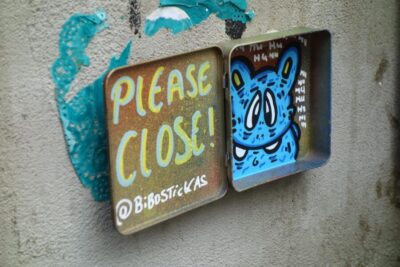

East Meets West: Berlin Food Culture & Street Art
Read our review →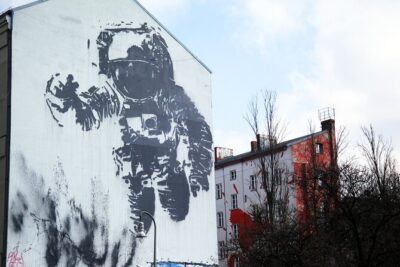
Browse the lists this tour appears in