
Reviewed · STREET ART & ALTERNATIVE TOURS
Alternative Berlin / Street art tour – Private group
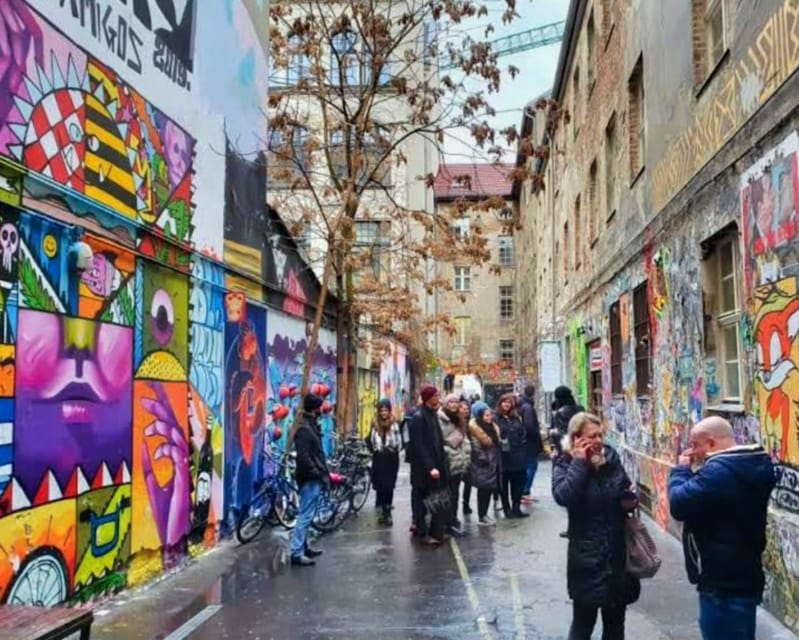
Berlin’s alternative culture makes the most sense when you connect the artwork on the wall with the people, politics, music, and living projects around it. Adrian, who created the Alternative Tour concept in Berlin in 2006, leads you through streets, alleys, industrial spaces, and local neighborhoods that reveal how the city changed after the Wall fell.
I like the personal access to Berlin’s street-art scene and the way the tour links graffiti to social and political ideas. I also like the practical local advice on food, bars, clubs, and nightlife. The main consideration is that you need an AB public-transport ticket, and the three-hour route may include walking between several areas.
In This Review
- Key points
- Starting at Warschauerstrasse and Revalerstrasse
- Reading Berlin through street art
- After the Wall: housing, squats, and shared space
- Berlin’s Kiez neighborhoods and local food
- From gramophone parties to electronic nights
- A private format that fits different groups
- What the three hours feel like
- Who should book this Berlin experience
- Practical details before you reserve
- Should you book it?
- FAQ
- How long is the Alternative Berlin tour?
- What does the private group price include?
- Is public transportation included?
- Where does the tour meet?
- What language is the tour offered in?
- Can the tour accommodate wheelchair users?
Key points
- Meet Adrian at Warschauerstrasse: The tour begins at the corner of Revalerstrasse and Warschauerstrasse, in front of a kebab shop.
- See art beyond the postcard walls: Expect murals, graffiti, creative urban projects, and personal favorites away from the usual sightseeing route.
- Connect art with city change: Adrian explains what occupied buildings, housing projects, communal apartments, and wagon communities meant after reunification.
- Explore Berlin’s Kiez culture: The route includes local and multicultural neighborhoods where you can stop for food or a drink if your group wishes.
- Hear the music and nightlife story: Punk, hip hop, jazz, metal, electronic music, fetish clubs, burlesque, and older dance traditions all enter the conversation.
- Private-group format: The $176 price covers up to 20 people, making the tour particularly attractive for families, friends, school groups, and organizations.
Starting at Warschauerstrasse and Revalerstrasse
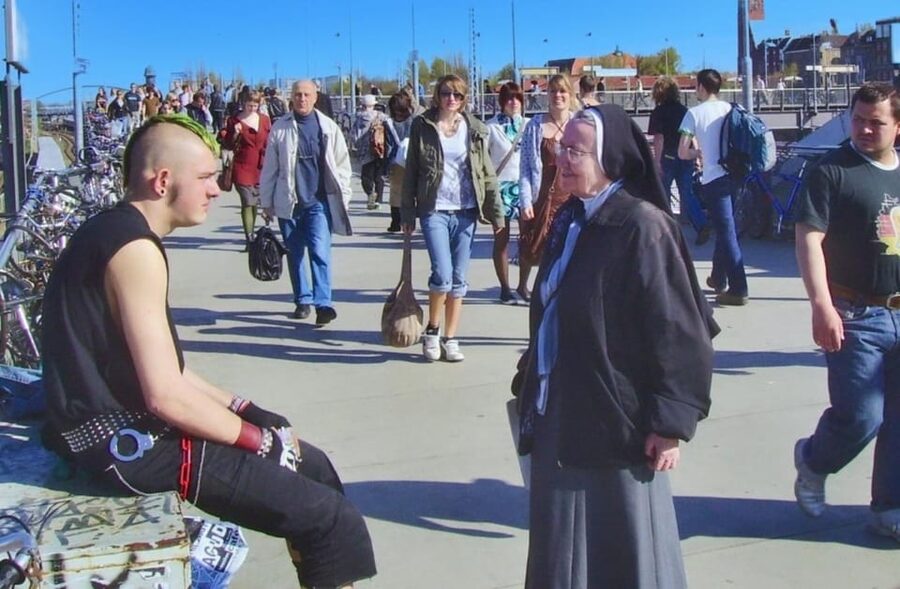
The meeting point puts you in one of the city’s best-known alternative districts from the first minute. Revalerstrasse and Warschauerstrasse are not polished museum streets. They are working urban spaces shaped by nightlife, murals, independent businesses, multicultural life, and the constant push and pull between old Berlin and new development.
Look for the guide at the corner in front of the kebab shop. That clear landmark matters in a busy area, especially if your group arrives at different times.
Because the tour is private, you are not simply joining a fixed script with strangers. You can ask about the pieces you notice, request more detail about music or housing, and tell Adrian what interests your group most. The format should work well for a mixed-age family, a group of friends, or students who want more than a quick photo stop.
You should plan for city walking and public transport. The activity lasts three hours, and an AB ticket is required but not included. Buy or arrange that before meeting the guide so you are ready to move when the tour begins.
More Street Art & Alternative Tours in Berlin
- Berlin: City Street Art Guided Walking Tour
★ 4.8 · 886 reviews - Berlin: 3-Hour Street Art Tour
★ 4.7 · 778 reviews - Berlin Street Art Walking Tour – Off The Grid
★ 5.0 · 270 reviews
Reading Berlin through street art
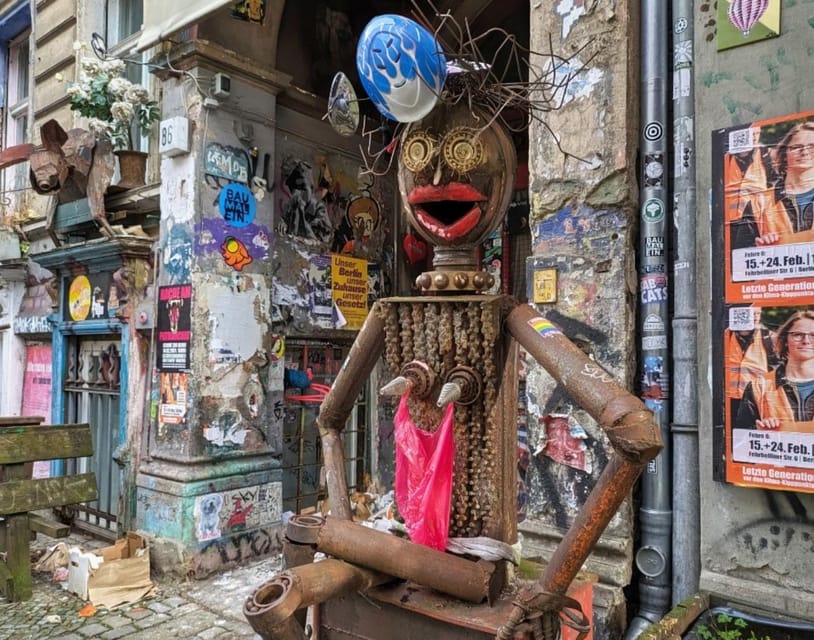
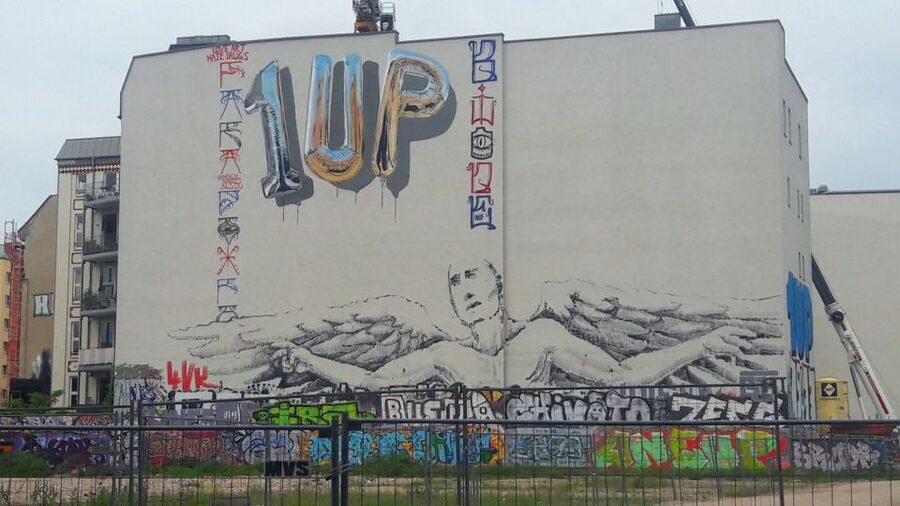
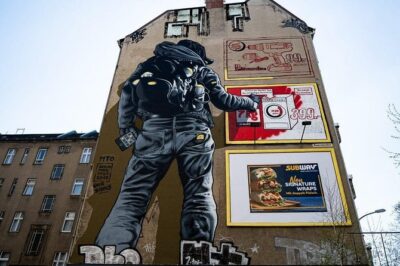
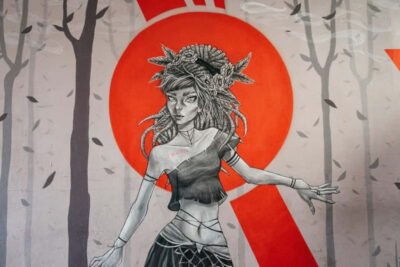
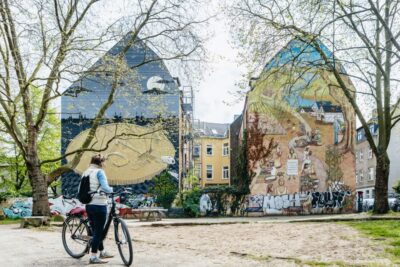
The strongest part of this experience is its approach to street art. You will see graffiti, large murals, and creative urban projects, but the point is not just to collect colorful photographs.
Adrian explains the artists and the social or political ideas behind their work. He also adds the earlier story of each place, including what occupied the site before the current painting appeared. That extra layer changes the experience. A wall becomes evidence of changing neighborhoods, disputed space, artistic ambition, and public debate.
Berlin’s street art changes quickly. Pieces are painted over, damaged, removed, or replaced. That makes a guide with long involvement in the scene especially useful. Adrian can place current work within the larger story of the city rather than treating any single mural as permanent.
You should expect personal favorites that sit away from the standard sightseeing path. This is useful if you have already seen major Berlin sights, but it is also a good first introduction if you want to understand the city through its living streets instead of only through monuments.
The tradeoff is simple: street art is temporary. You may not see every image pictured in promotional material, and the route can change as the city changes. That is part of the subject, not a flaw, but you should book this for context and discovery rather than a guaranteed checklist of famous walls.
After the Wall: housing, squats, and shared space
Berlin’s alternative scenes grew in unusual conditions after the Berlin Wall fell. Empty buildings and unused industrial areas gave artists, musicians, political groups, and people seeking low-cost housing room to experiment.
The tour discusses alternative housing projects, communal apartments, squats, and wagon communities that appeared during this period. You will also hear about creative living spaces and self-sustainability projects. These subjects help explain why Berlin attracted expats, filmmakers, musicians, startups, misfits, and free-spirited residents.
The useful point is not simply that these places look unusual. They show how housing and public space can be organized outside the normal developer-led model. Some projects survive, some change, and some disappear as rents rise and land becomes more valuable.
The description is careful to note that different communities sometimes live side by side in mostly peaceful cooperation, but not always. That honesty is important. Berlin’s alternative culture is not a flawless success story. It includes arguments over ownership, noise, access, money, and the future of neighborhoods.
You may visit creative living or community projects from the outside rather than enter private spaces. The exact stops are not listed in advance, so the experience depends on what is active and accessible on the day. Ask questions if housing or urban politics matter to you. This is one area where the private format can be more useful than a standard group tour.
Berlin’s Kiez neighborhoods and local food
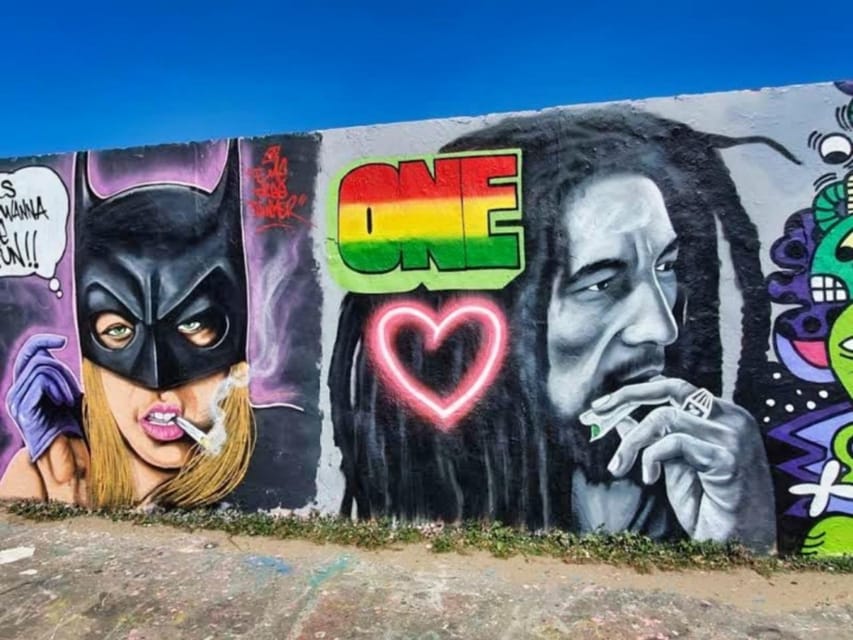
The German word Kiez refers to a local neighborhood or small district with its own habits and identity. The tour pauses in several local and multicultural Kiez areas, giving you a chance to see how Berlin life works beyond the main sightseeing zones.
If your group wants to eat or drink, you can stop along the way. Food and drinks are not included, but Adrian can offer local suggestions. One group enjoyed lunch in the district at a place he recommended, which shows the practical value of having someone who knows the area rather than relying on a restaurant list written for visitors.
Keep your expectations flexible. This is not a dedicated food tour, and there is no fixed meal included. The stop is there to help you experience the neighborhood and take a break, not to deliver a set tasting menu.
I would use this part of the tour to ask Adrian for advice suited to the rest of your stay. You can ask about casual meals, bars, club areas, or neighborhoods worth returning to after dark. Since the tour is private, you can make that conversation specific to your own plans.
Same city, a completely different kind of day:
- Berlin: Reichstag, Dome and Government District Guided Tour
★ 4.7 · 18,288 reviews - Berlin: 1-Hour City Tour by Boat with Guaranteed Seating
★ 4.3 · 16,993 reviews - Berlin: Boat Tour Along the River Spree
★ 4.4 · 11,252 reviews - Discover Berlin Half-Day Walking Tour
★ 5.0 · 9,624 reviews
From gramophone parties to electronic nights
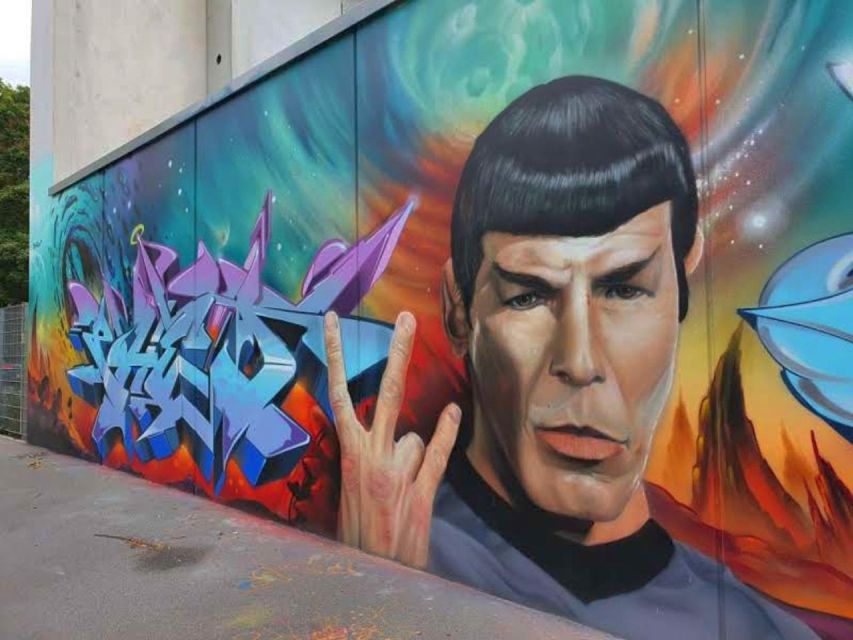
Berlin’s after-dark reputation did not appear from nowhere. The tour places modern club culture beside earlier music scenes and forms of social rebellion.
You will discuss punk, hip hop, jazz, metal, and electronic music, along with the city’s older gramophone parties in the 1920s and 1930s. Those parties offered a form of resistance to National Socialist control and compulsory youth organizations. The tour also covers jazz, blues, and swing events that were forbidden at the time.
That historical link gives modern Berlin nightlife a useful frame. Music here is not only entertainment. It has often offered a way to form communities, challenge authority, express identity, or create freedom outside accepted rules.
The discussion also reaches underground fetish clubs and burlesque scenes with roots in the 1920s. This subject makes the tour better suited to adults and mature groups than to very young children. The material is cultural and historical, but the themes are not designed for a child-focused outing.
You will also receive nightlife tips and personal stories. Adrian can help you understand the difference between Berlin’s various after-dark scenes instead of reducing them all to the same club stereotype. Still, the tour does not include club entry or a night out. Think of this section as orientation and local guidance.
A private format that fits different groups
At $176 for a private group of up to 20, the value depends on how many people share the cost. For 20 people, it works out to about $8.80 per person before transport and any food or drinks. For 10 people, it is about $17.60 each. A small group of two would pay much more per person, but would also receive a more personal conversation with the guide.
This format can be a smart choice for a school group, a dance class, an arts organization, or a group of friends. A dance-school group of people aged 18 to 23 found the subject and pace a good fit, and the guide’s background made the street-art and music material useful for students.
The private setup also lets you shape the emphasis. A group interested in graffiti can ask for more artist and technique discussion. A group interested in urban planning can focus on housing and redevelopment. A nightlife-minded group can ask for more advice on clubs, bars, and music scenes.
The limitation is that the route is not fully detailed in advance. If you need a precise list of monuments, guaranteed stops, or a strict timetable, this may feel too open-ended. The appeal is the opposite: you are following a guide who responds to the city and to your group.
What the three hours feel like
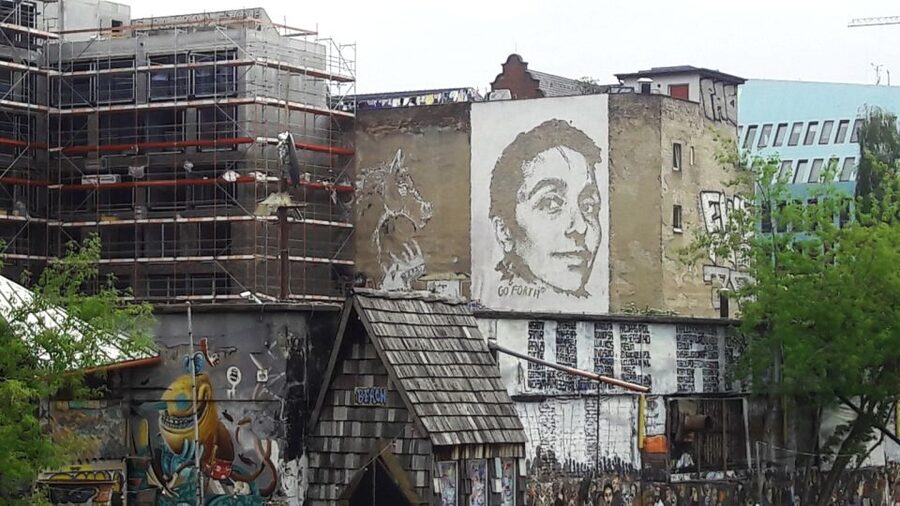
The tour packs several subjects into one walking and transport-based outing. You move through streets and neighborhoods, stop to examine artworks, discuss the people and politics behind them, and pause for local food or drinks if desired.
Three hours is long enough to gain a clear sense of Berlin’s alternative culture without taking an entire day. It is also short enough to fit beside major museums or a historical sightseeing program.
The subject matter is broad. You will not become an expert in every artist, housing project, music scene, and neighborhood in one afternoon. Instead, you get a set of connections that helps you notice more during the rest of your time in Berlin.
The tour is listed as wheelchair accessible, but the route includes streets, alleys, industrial spaces, and public transport. If your group has specific mobility needs, confirm the current route and transport arrangements when booking. Accessibility is stated, but the exact surfaces and transfers are not described.
The guide speaks English, and the experience is offered to private groups. The current rating is 5 from six reviews, with particular praise for Adrian’s storytelling, long connection to the scene, and ability to show familiar parts of Berlin in a different way.
Who should book this Berlin experience
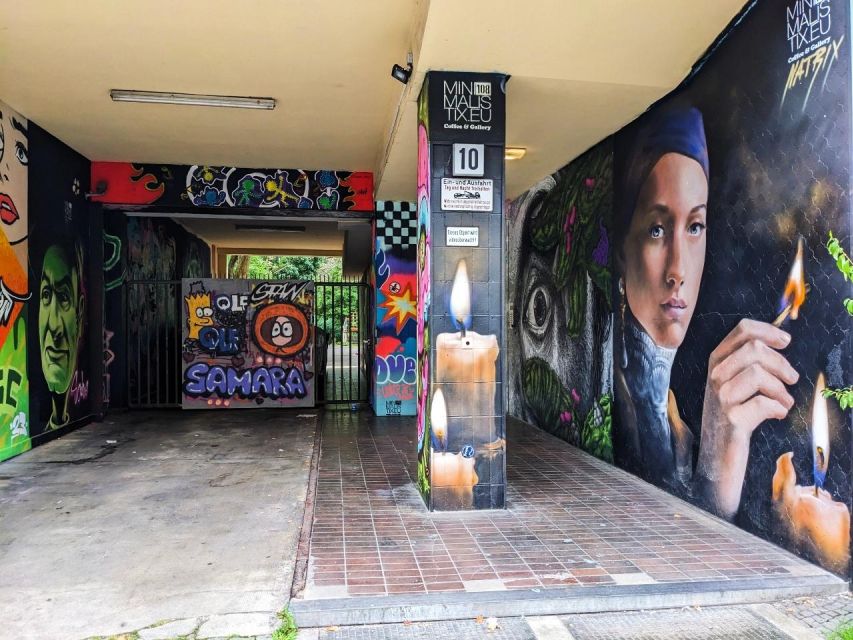
I would recommend this tour to you if you care about the city beneath its official image. It suits people interested in graffiti, urban change, alternative housing, music, nightlife, and multicultural neighborhoods.
It is especially useful after you have seen Berlin’s major historical sights and want to understand present-day city life. It also works well as an early tour if you want local ideas for food, bars, clubs, and districts to explore later.
Art students, musicians, photographers, dance groups, and older teenagers with an interest in urban culture should find plenty to discuss. The tour also makes sense for longtime Berlin residents. Adrian has shown people who had lived in the city for more than five years corners and stories they had not encountered.
I would choose something else if your main goal is the Berlin Wall, Museum Island, the Brandenburg Gate, or a broad first-time city overview. This is a focused cultural walk, not a standard highlights tour.
Practical details before you reserve
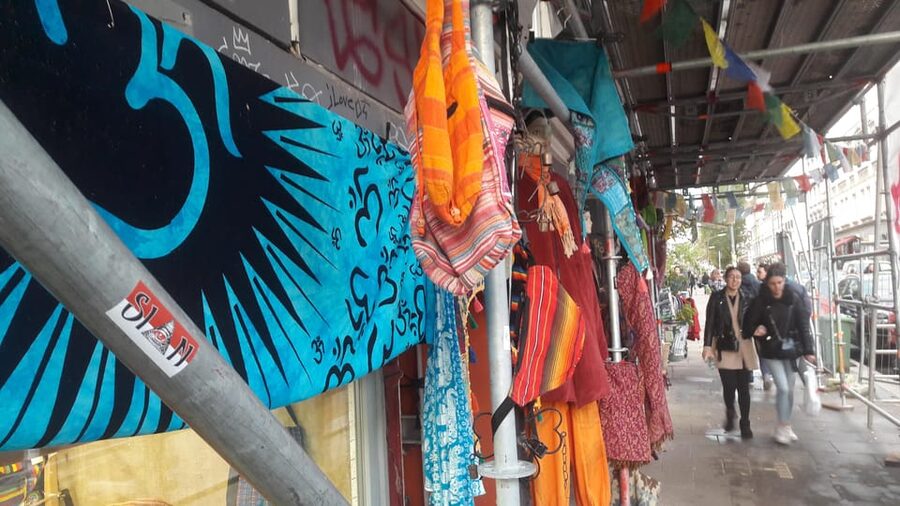
The tour costs $176 per private group of up to 20 people and lasts three hours. An AB public-transport ticket is required and must be paid for separately.
The meeting point is on the corner of Revalerstrasse and Warschauerstrasse, in front of a kebab shop. Check the available start times before booking, since the schedule varies.
English is the listed language. The guide is Adrian, the creator of the Alternative Tour concept in Berlin in 2006. Free cancellation is available up to 24 hours before the tour, and you can reserve now and pay later, which helps if your plans are still taking shape.
Should you book it?
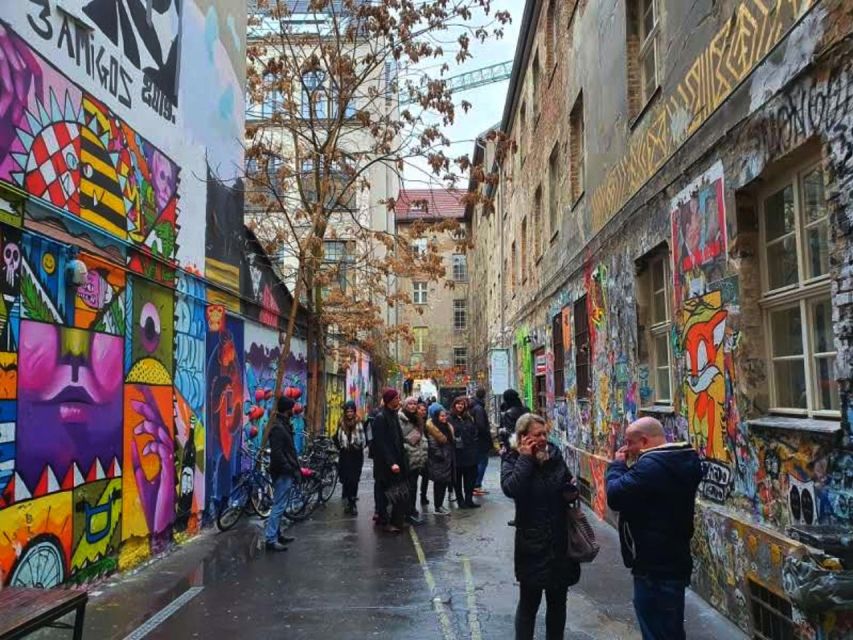
Book this tour if you want Berlin explained through its walls, communities, music, and contested spaces. Adrian’s long connection to the scene is the central reason to choose it, and the private format gives your group room to ask direct questions.
Skip it if you want a fixed route of famous sights or a formal art-history lecture. For everyone else, especially groups sharing the $176 cost, this is a practical way to see a less obvious Berlin and leave with useful ideas for the rest of your stay.
FAQ
How long is the Alternative Berlin tour?
The tour lasts three hours.
What does the private group price include?
The price is $176 for a private group of up to 20 people. A tour guide is included.
Is public transportation included?
No. You need an AB public-transport ticket, and it is not included in the tour price.
Where does the tour meet?
The meeting point is on the corner of Revalerstrasse and Warschauerstrasse, in front of a kebab shop.
What language is the tour offered in?
The tour is offered in English with a live English-speaking guide.
Can the tour accommodate wheelchair users?
The activity is listed as wheelchair accessible. The route uses streets and public transport, so you can confirm current route details when booking if your group has specific access needs.
More Street Art in Berlin
- East Meets West: Berlin Food Culture & Street Art
★ 5.0 · 157 reviews - Berlin Street Art & Graffiti Walking Tour
★ 5.0 · 109 reviews - Berlin: Street Art and Alternative Tour
★ 4.7 · 98 reviews - Berlin: Private Kreuzberg Street Art Walking Tour
★ 4.8 · 57 reviews
Just added around Berlin
- Love and War in Berlin: Self-Guided Story Puzzle Walk★ 5.0 · 7 reviews
- Rickshaw Tours Berlin – Groups of up to 16 people with several rickshaws★ 4.0 · 97 reviews
- Walking on the Wall: 3-Hour Tour in Berlin★ 4.5 · 34 reviews
- eSIM for Germany and 34 European Countries★ 4.5 · 16 reviews
- Warnemuende Shore Excursion: Berlin Private Sightseeing Tour from Rostock★ 5.0 · 4 reviews
- Your ticket to The Wall Museum Berlin★ 3.0 · 60 reviews
- Warnemuende Shore Excursion: Private Berlin Tour★ 4.5 · 27 reviews
- Berlin’s Gay, Lesbian, and Queer Scene Small-Group Walking Tour★ 4.5 · 66 reviews
Street Art & Alternative Tours, compared.
Neustadt District Street Art Guided Walking Tour
Read our review →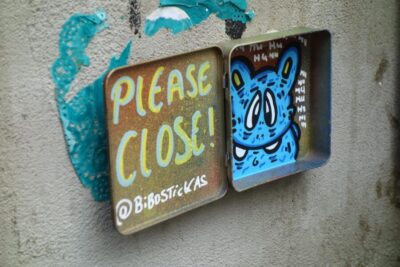

East Meets West: Berlin Food Culture & Street Art
Read our review →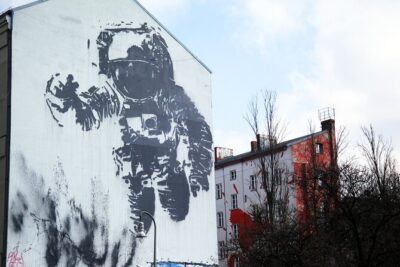
Browse the lists this tour appears in