
Reviewed · MUNICH TOURS
National Socialism WWII with licensed guide – private tour
Munich was the birthplace of the Nazi movement, and this walking tour shows you where its early story unfolded. You’ll trace Hitler’s arrival in the city, the failed coup at Feldherrnhalle, the White Rose resistance at LMU, and the party center at Königsplatz. The use of historic photos helps connect today’s streets with their past. I also like the clear focus on resistance, not only Nazi power. The main drawback is the brisk two-hour schedule, especially if you want time for long discussion at each stop.
I like that Wolfgang Brehm is named as the guide and has more than 10 years of experience, while the tour is also led in English or German by a certified professional. I like the private-group format, which can be excellent value at $259 for a group of up to 30. For only one or two people, though, the flat group price is a bigger commitment than a shared walking tour.
In This Review
- Key points at a glance
- Why Munich matters to this story
- Feldherrnhalle and the failed Hitler coup
- The Court Garden and resistance in Munich
- LMU and the White Rose
- The Square of the Victims of National Socialism
- Haus der Kunst and Nazi control of art
- Karolinenplatz and the people behind the movement
- Königsplatz and the Nazi party center
- The NS Documentation Centre after the walk
- What the private format is worth
- Who will get the most from this walk
- Should you book it?
- FAQ
- Where does the tour begin?
- Where does the tour finish?
- How long does the tour last?
- Is admission to the NS Documentation Centre included?
- What languages are available?
- Is this a private and wheelchair-accessible tour?
Key points at a glance
- Feldherrnhalle sets the scene: Learn where the 1923 Hitler coup ended and what memorial once honored the failed putschists.
- The White Rose receives real attention: At LMU, the tour explains the student resistance group, its leaflets, and its brutal fate.
- Art becomes part of the political story: Haus der Kunst and Galeriestraße show how the Nazi regime used culture and censorship.
- Königsplatz reveals the party center: See the former Brown House, Führerbau, Nazi administration buildings, and today’s documentation center.
- Historic photo material adds context: Images help you compare modern Munich with the city the Nazis reshaped.
- The museum is optional: The walk ends near the NS Documentation Centre, but admission is not included.
Why Munich matters to this story
This is not a general Second World War sightseeing walk. It focuses on the rise of National Socialism in Munich, the city where Hitler arrived, built political connections, and helped turn the NSDAP into a movement.
That local focus gives the tour a useful shape. Instead of treating the Nazi era as a distant chapter, you see how political power was built through streets, public squares, cultural institutions, universities, and government offices. The subject is serious, but the route makes it easier to follow.
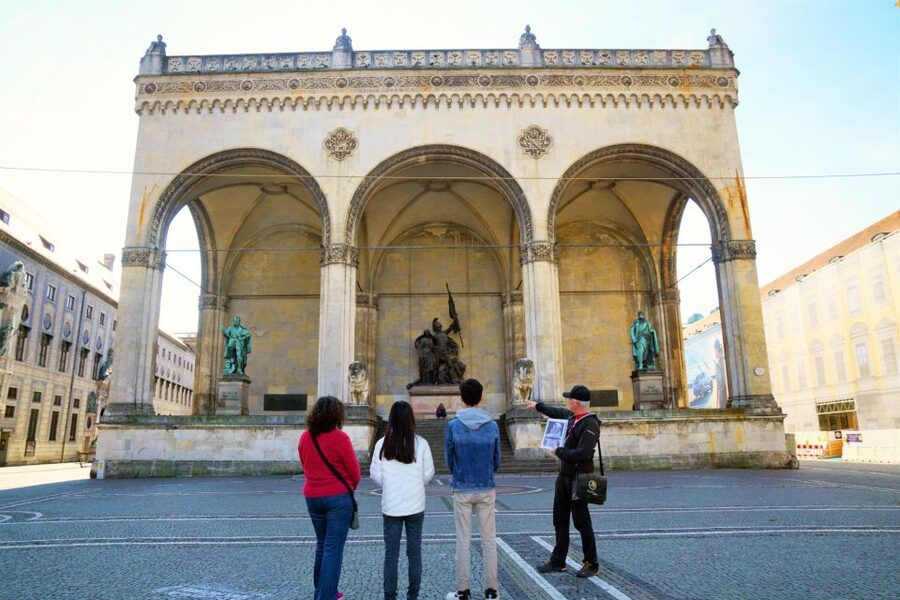
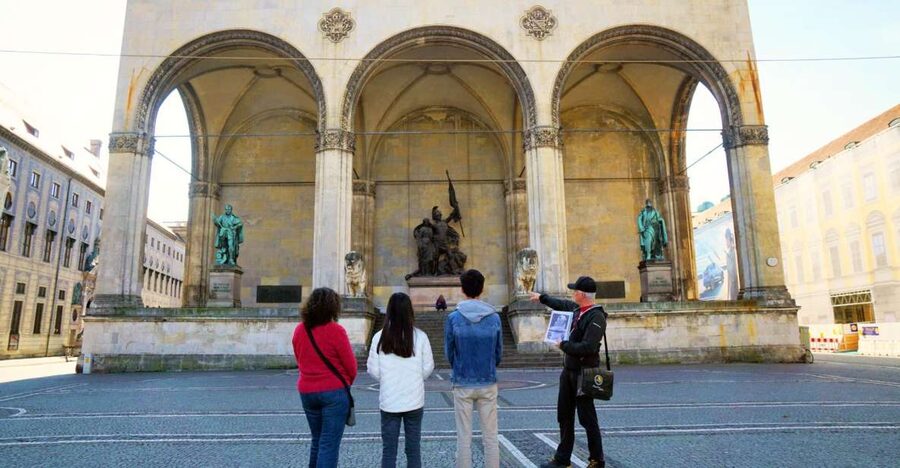
The walk begins at the steps of Feldherrnhalle on Odeonsplatz. This is a central meeting point in Munich, but the tour quickly moves beyond pretty architecture and royal history. You’ll hear why Hitler came to Munich, where he lived, and how he made a living before his political rise.
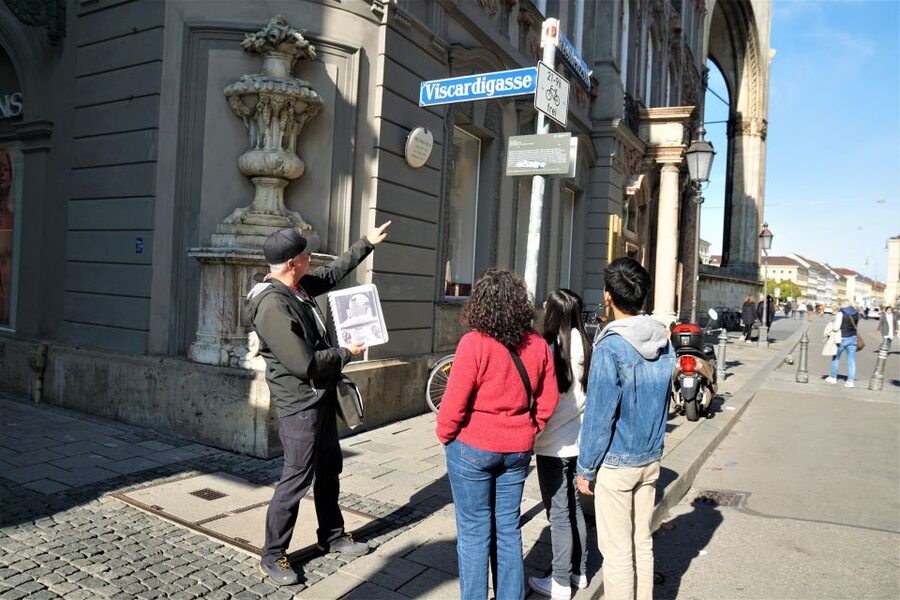
The guide uses extensive photo material during the tour. That matters here because modern Munich has changed in many ways, while old images show the scale of Nazi rallies, buildings, symbols, and public ceremonies. You can better understand what was present, what was removed, and what was deliberately forgotten.
A few more Munich trips to weigh up
- Munich Private Tour with a Local – Highlights & Hidden Gems
★ 5.0 · 469 reviews - Munich : Private Walking Tour with A Guide (Private tour)
★ 4.5 · 85 reviews - Munich: Private Walking Tour with a Local
★ 4.5 · 44 reviews
Feldherrnhalle and the failed Hitler coup
Feldherrnhalle is the first major stop, and it carries one of the clearest links to the early Nazi movement. The tour explains the so-called Hitler coup, also known as the Beer Hall Putsch, and shows where it ended.
You’ll hear about the former monument erected for the Nazi putschists who died during the failed attempt to seize power. The memorial no longer exists, but the location remains important. This is a useful reminder that political memory can change along with the buildings around it.
The itinerary lists two guided portions at Feldherrnhalle, one of about 10 minutes and another of about five minutes. That suggests the guide uses the site for both the opening story and a closer explanation of the coup’s final moments.
I like beginning here because it gives you a clear starting point: Munich was not simply a city later occupied or used by the Nazis. It was central to their early organizing and mythology. The guide can explain that process on the very ground where the failed coup became part of Nazi propaganda.
The Court Garden and resistance in Munich
After Feldherrnhalle, you walk through the Court Garden and hear about a monument dedicated to resistance fighters. This is a welcome change in emphasis.
Tours about Nazi Germany can easily become a parade of party buildings and famous names. This one also asks who resisted and how. The resistance monument gives you an early reminder that Munich’s history includes people who opposed the regime, not only those who supported or served it.
The subject needs careful handling, and the tour’s stated focus makes it clear that Nazi crimes and resistance are treated as central parts of the story. The guide also makes it clear that the experience is not intended for right-wing extremists or Nazi admirers.
LMU and the White Rose
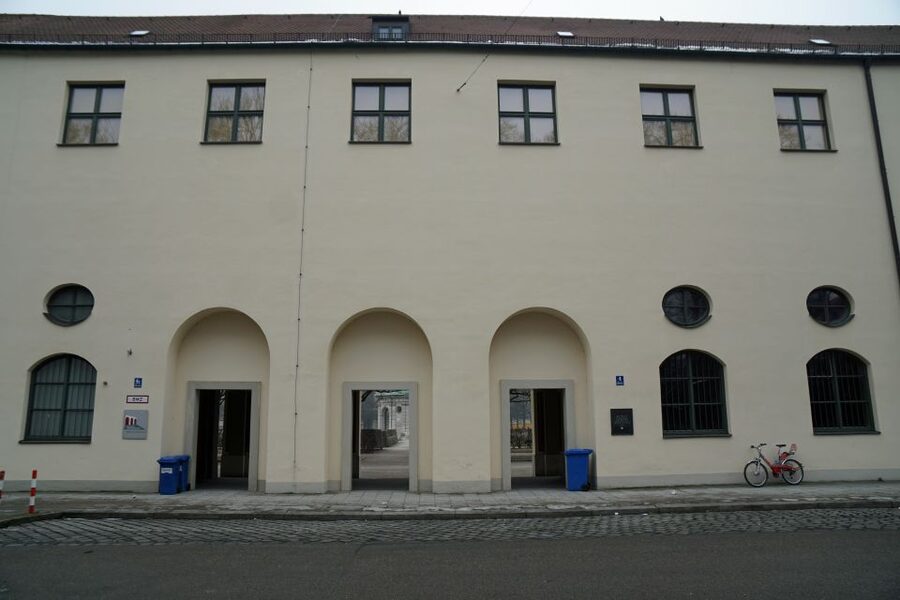
At Ludwig Maximilian University, one of Germany’s largest universities, the tour turns to the White Rose. This student resistance group produced leaflets opposing the Nazi regime. Members were arrested, sentenced, and beheaded.
For many people, this is the emotional center of the walk. The White Rose story is powerful because it shows resistance in personal terms. These were students using words and printed leaflets against a dictatorship that controlled public speech and punished dissent.
You should expect a serious explanation rather than a casual stop for photographs. The university setting also makes the story feel close to everyday life. The tour connects a working academic institution with the choices made by young people who knew the risks.
This section can be especially useful for families with older students. One booking was made by a family whose son was studying GCSE history, and the tour was found useful for that work. The material is not limited to school groups, though. Anyone interested in how ordinary people challenged the regime will find this stop important.
Same city, a completely different kind of day:
- From Munich: Neuschwanstein & Linderhof Castle Full-Day Trip
★ 4.5 · 12,494 reviews - Neuschwanstein & Linderhof Castle-Fairytale Day Tour from Munich
★ 4.5 · 7,275 reviews - Munich: Third Reich & WWII Walking Tour
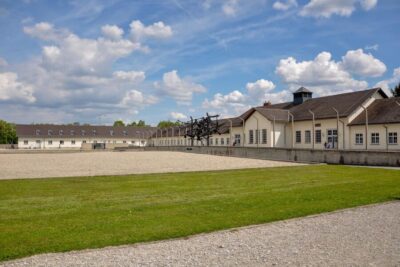
★ 4.6 · 6,181 reviews - Dachau Concentration Camp Memorial Site Tour from Munich by Train
★ 4.5 · 5,637 reviews
The Square of the Victims of National Socialism
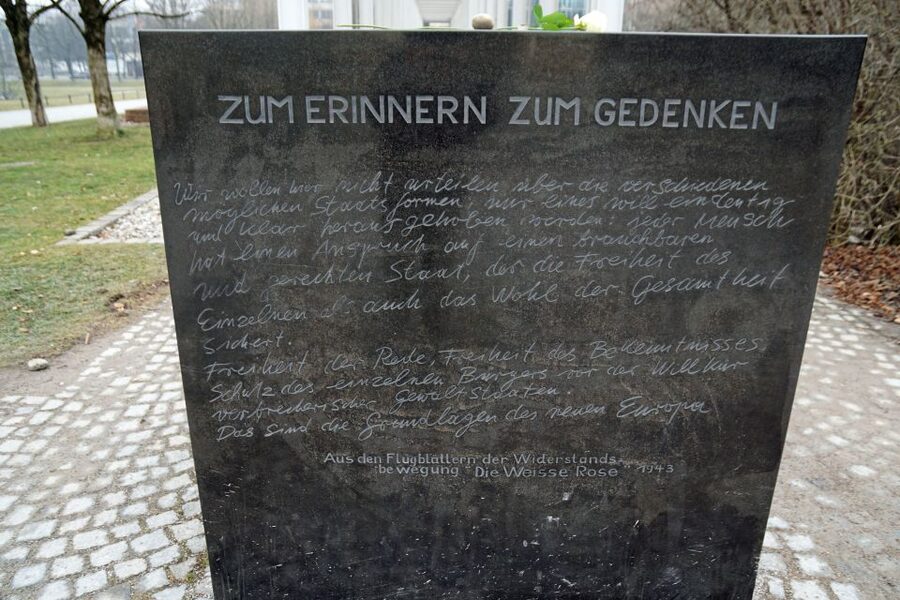
The next stop is the Square of the Victims of National Socialism. Here, the guide explains who the victims were.
That question is more important than it may first sound. A memorial can become just another city landmark if you do not know whom it remembers. By identifying the groups and individuals targeted by the Nazi regime, the guide gives the site a human and moral focus.
This is also where the tour moves from the origins and organization of National Socialism toward its consequences. You are not simply studying party offices or propaganda. You are being asked to connect those structures with the people who suffered under them.
The stop is scheduled for about 10 minutes, so you should not expect a long museum-style lecture. The guide’s photo material and spoken explanation do much of the work. If you want extended time for reflection, you may need to return on your own.
Haus der Kunst and Nazi control of art
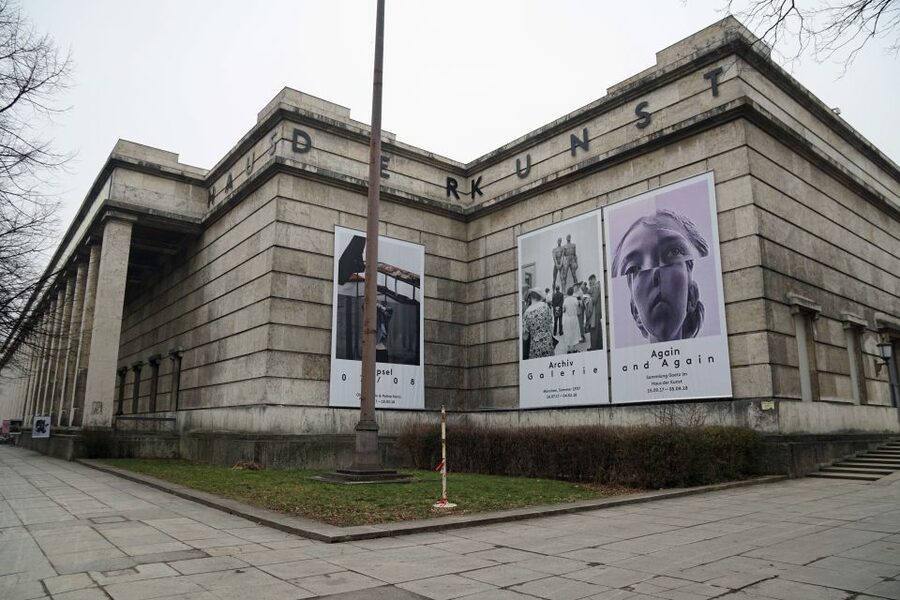
At Haus der Kunst, the tour explains how the Nazis influenced art. The building is a useful place to discuss the regime’s cultural goals, since art was not treated as a private matter. The Nazis wanted culture to serve their political ideals and used official exhibitions to define what was acceptable.
In nearby Galeriestraße, you’ll learn where the exhibition known as Degenerate Art took place. The exhibition attacked artists and styles rejected by the regime, turning cultural criticism into public humiliation and political control.
I like this part of the route because it widens the subject. National Socialism was not only about uniforms, marches, police power, and military expansion. It also reached into museums, exhibitions, taste, and public ideas about German identity.
The Haus der Kunst stop lasts about 15 minutes. That is enough to set out the main ideas, but not enough for a full art-history lesson. If modern art or cultural policy is your main interest, use the tour as an introduction and plan additional museum time separately.
Karolinenplatz and the people behind the movement
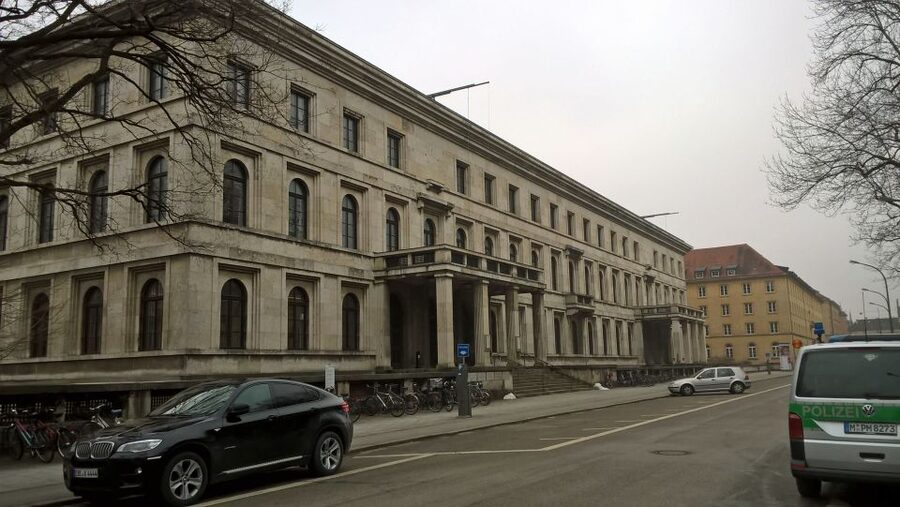
At Karolinenplatz, the guide discusses the main sponsors of the Nazis. This stop helps explain how political movements need more than speeches and street marches. Money, connections, and support from influential people also matter.
The focus on sponsors adds useful detail to the usual Hitler-centered story. It encourages you to ask who backed the movement, why they did so, and how political power gained support among established interests.
The provided schedule does not list a separate timed stop at Karolinenplatz, but it is part of the route described for the walking tour. Expect the guide to keep the story moving rather than pause for a long standalone lecture.
Königsplatz and the Nazi party center
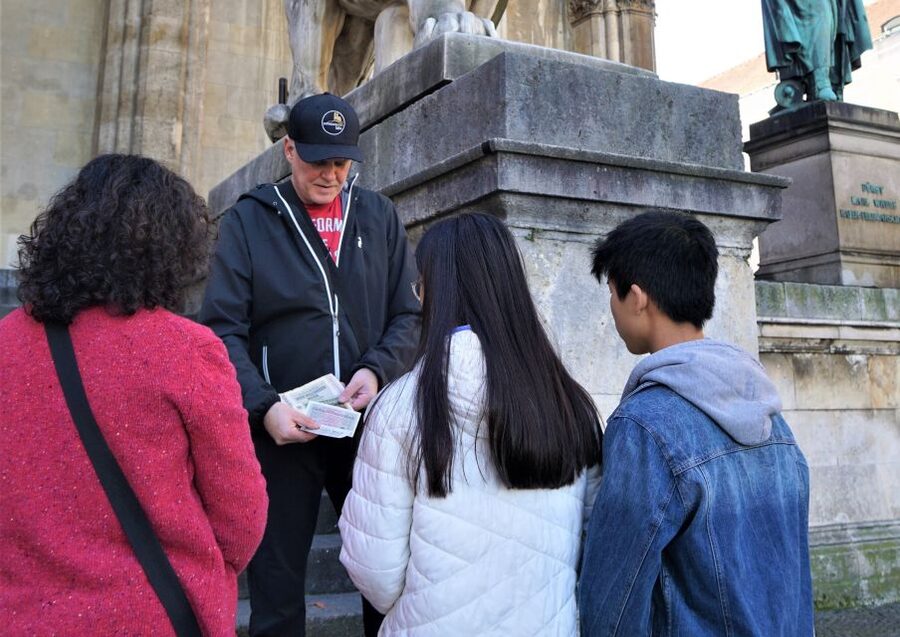
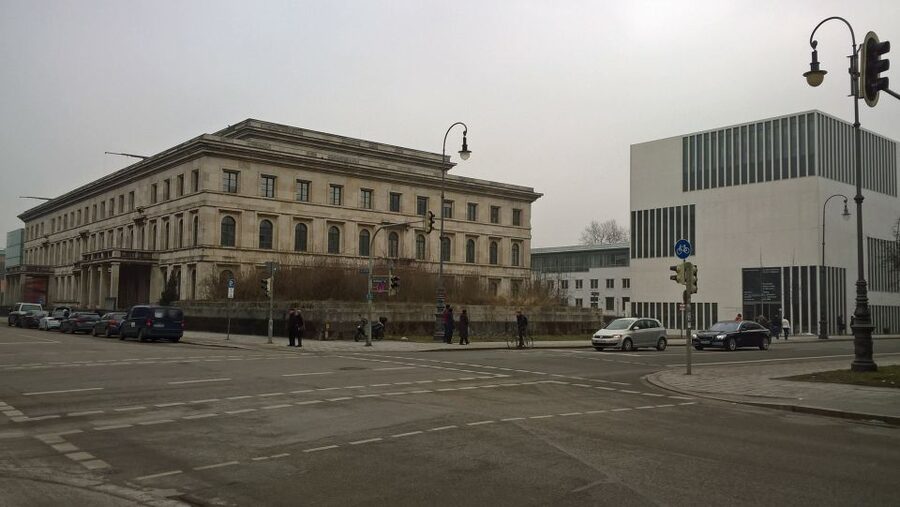
The final section takes you to Königsplatz, once the Nazi party center in Munich. Here, you’ll see the sites associated with the Brown House, the Führerbau, and the NSDAP administration.
The Führerbau was connected with Hitler’s office and the central machinery of the movement. The guide’s explanation helps you picture how this area functioned as a headquarters rather than simply another collection of grand buildings.
Königsplatz is a strong ending because so many strands come together here: party organization, administration, architecture, propaganda, and the public presentation of power. The modern setting also makes the changes in Munich easier to consider. Some buildings remain, some have been altered, and some Nazi symbols and memorials have disappeared.
The itinerary allows about 15 minutes at the Führerbau and another 15 minutes at the NS Documentation Centre. As with the other stops, the guide is giving you a structured overview. You will not cover every detail of Munich’s Nazi-era history in two hours.
The NS Documentation Centre after the walk
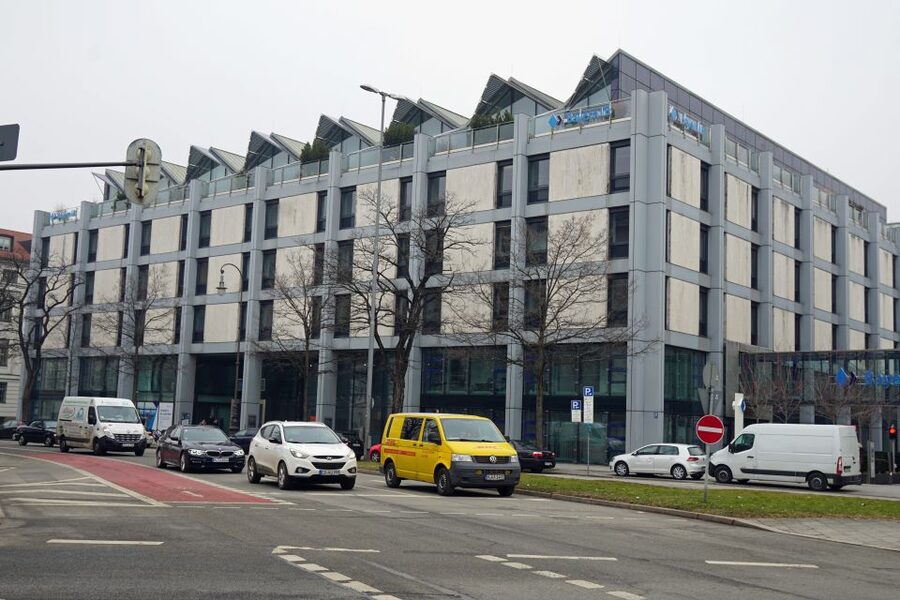
The walk finishes near the NS Documentation Centre at Königsplatz. You can visit the center after the tour, but admission is not included in the $259 price.
This is an important practical point. If you want a full day focused on the subject, schedule time for the museum rather than treating the two-hour walk as a complete replacement. The tour gives you places, stories, and basic connections. The documentation center can then add exhibits and a longer chronological account.
Ending at the museum is convenient because you do not need to cross the city to continue learning. Still, admission is an extra cost, and the tour itself does not include a guided museum visit based on the information provided.
What the private format is worth
The price is $259 per group of up to 30 people. That is not a per-person rate, so the value changes sharply with your group size.
For a private group of 10, the cost works out to about $26 per person. For 20 people, it is about $13 each, and for the full 30-person limit, it is less than $9 each. That makes the tour particularly appealing for a school group, family gathering, club, or organized party.
For two people, the same price is about $130 each. A private guide may still be worth that to you if this subject is a priority and you want the pace and language choice that come with a private booking. But if you are traveling alone or as a couple, compare the cost with shared tours before booking.
The tour lasts two hours and is conducted on foot. Wear shoes suitable for walking between central Munich sites. Starting at Residenzstraße 1, at the steps of Feldherrnhalle on Odeonsplatz, and ending at Königsplatz 1 makes the route easy to understand geographically.
The group is private, and the tour is wheelchair accessible. English and German are available. You can reserve now and pay later, and cancellation is allowed up to 24 hours in advance for a full refund. These policies are useful when your Munich schedule is still changing.
Who will get the most from this walk
I would recommend this tour to you if you want a focused introduction to Munich’s Nazi past and prefer places over a classroom lecture. It suits history students, families with older children, first-time visitors who want context for central Munich, and groups that want a private guide.
It is also a good choice if the White Rose, political resistance, Nazi architecture, or cultural control interests you. The route does not treat the Nazi era as a collection of dramatic anecdotes. It links people, buildings, institutions, and victims.
You should choose something longer if you want detailed military history, a full account of the Holocaust, or extensive time inside museums. The two-hour format is an overview, even though the subject is large. You may also find the pace quick if you want to stop often for photographs or lengthy questions.
Guide Wolfgang Brehm is specifically associated with the experience, and the feedback attached to the booking gives repeated weight to his clear, interesting, and well-prepared approach. Other certified guides may lead the tour, so check the booking details if having Brehm personally is important to you.
Should you book it?
Book this private Munich Nazi history tour if you want a serious, place-based introduction with a clear route and a strong focus on both Nazi power and local resistance. The Feldherrnhalle, White Rose, Haus der Kunst, and Königsplatz stops give you a broad view of how the movement began, operated, and affected public life.
The best value comes with a larger group. For a small party, the price requires more thought, and you should budget extra for the NS Documentation Centre if you want to continue indoors.
I would book it for a school group, history-minded family, or private party that wants a certified English or German guide and a direct look at Munich’s darkest chapter. I would skip it only if you want a long museum visit, a specialist academic tour, or a cheaper shared walk.
FAQ
Where does the tour begin?
It begins at the steps of Feldherrnhalle at Odeonsplatz, at Residenzstraße 1.
Where does the tour finish?
The tour finishes at Königsplatz 1, near the NS Documentation Centre.
How long does the tour last?
The walking tour lasts two hours.
Is admission to the NS Documentation Centre included?
No. You may visit the NS Documentation Centre after the tour, but admission is not included.
What languages are available?
The live guide is available in English or German.
Is this a private and wheelchair-accessible tour?
Yes. It is a private-group tour and is listed as wheelchair accessible.
Just added around Munich
- Pub crawl incl. Oktoberfest museum guided tour with beer tasting (private)★ 5.0 · 5 reviews
- South Tyrolean specialties and wine tasting★ 5.0 · 5 reviews
- Size Matters Beer Tour Munich★ 4.6 · 105 reviews
- Short & sweet: Tasting the Viktualienmarkt★ 4.8 · 37 reviews
- Secret Food Tours Munich★ 4.8 · 5 reviews
- Munich: Romantic Wine Experience for Two at Viktualienmarkt★ 4.2 · 14 reviews
- Munich: Resistance against Hitler – Historical Walking Tour★ 5.0 · 5 reviews
- Residence of Munich private tour with skip the line ticket★ 5.0 · 4 reviews
Munich Tours, compared.

Neuschwanstein & Linderhof Castle-Fairytale Day Tour from Munich
Read our review →
Dachau Concentration Camp Memorial Site Tour from Munich by Train
Read our review →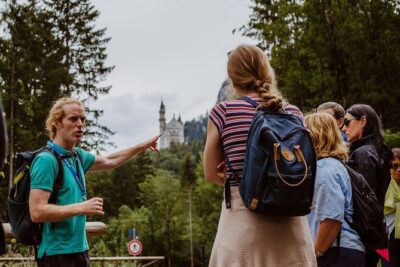


Browse the lists this tour appears in