
Reviewed · MUNICH TOURS
München: Stadtführung Henker, Huren, Hexen in GERMAN
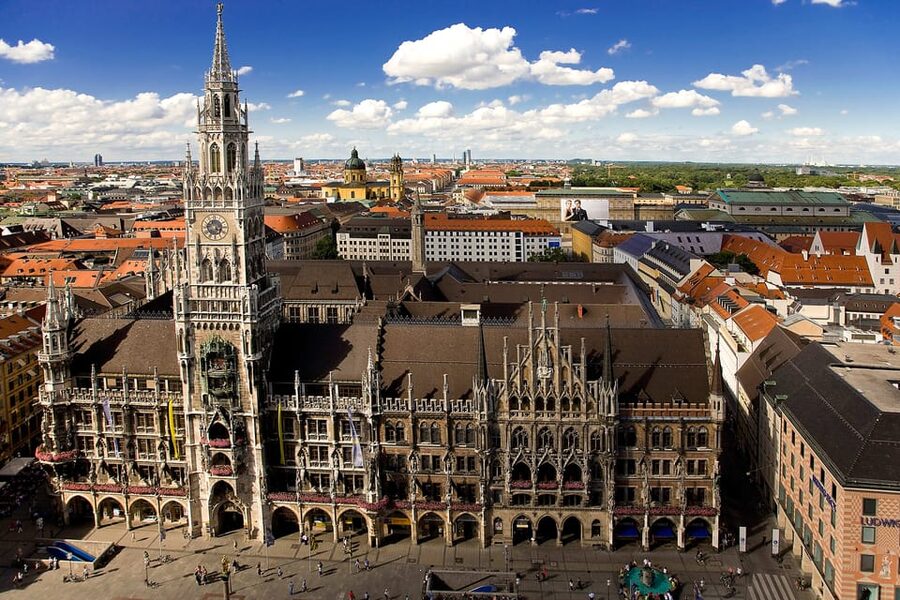
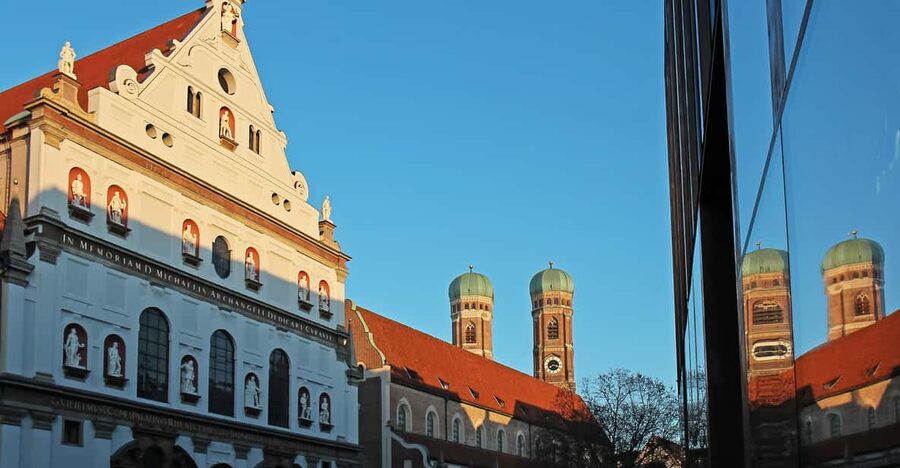
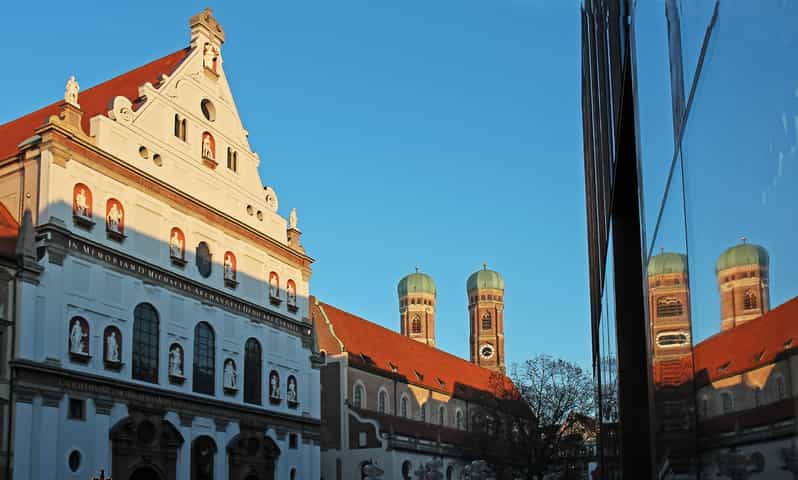
Munich’s old center has a darker story than its beer halls suggest. On this German-language walk, you follow the trail of executioners, prostitutes, and witches, learning how justice, punishment, and social control worked in the city. The subject is unusual, and the tour uses familiar sights such as St. Michael’s Church and the Frauenkirche as entry points into that past.
I like the clear two-hour format and the chance to hear amusing anecdotes from a live guide rather than follow a scripted audio tour. I also like the choice between a shared group and a private outing, which lets you match the experience to your budget and interest in the subject.
The main concern is sound. Munich’s center can be crowded, and one German-speaking participant found it hard to understand much of the commentary near the Frauenkirche during a choir rehearsal and ringing bells. Comfortable shoes are essential, and you should also be ready for a rain-or-shine walk.
In This Review
- Key points to know before booking
- Why Munich’s dark past makes this walk different
- Meeting at Neuhauser Tor, where punishment left the city
- Along the old salt road toward the Jesuit college
- St. Michael’s Church and the problem of linking famous sights
- Frauenkirche, city noise, and choosing the right start time
- Alter Hof and the city’s machinery of control
- What the guides add to the experience
- Is $25 a fair price for two hours?
- Who will enjoy this German-language city walk?
- Practical tips for getting more from the walk
- Should you book Henker, Huren, Hexen?
- FAQ
- What language is the tour conducted in?
- How long does the tour last?
- Where do I meet the guide?
- What places does the route include?
- What subjects does the tour cover?
- Are actors or reenactments part of the experience?
- Is food or drink included?
- Is the tour wheelchair accessible?
- Can I cancel or pay later?
Key points to know before booking
- Neuhauser Tor begins the story: Meet under the old archway where condemned people were led out of Munich for execution.
- The subject is darker than a standard city walk: Expect witch hunts, prostitution, torture, executions, and the unusual role of the executioner as a pimp.
- Major sights provide the setting: The route includes St. Michael’s Church, Frauenkirche, Alter Hof, the old salt road, and the former Jesuit college.
- German is the only listed language: You need enough German to follow spoken historical explanation, especially in a busy city center.
- Two hours gives you a focused introduction: It is long enough for a strong theme, but not a full treatment of Munich’s history.
- Check the mobility details carefully: The activity is marked wheelchair accessible, yet it is also described as unsuitable for people with mobility impairments.
Why Munich’s dark past makes this walk different
Many Munich walks focus on royal buildings, churches, beer culture, or the city’s role in Bavarian politics. This one takes a less polished route through the past. Its central question is simple: what did executioners, prostitutes, and witches have in common?
The answer leads to the way medieval and early modern cities controlled people who lived outside accepted social rules. The executioner was not simply a man who carried out sentences. He occupied a feared and isolated place in society, yet the tour explains how he could also act as a pimp. That link gives the walk a sharper edge than a basic account of famous buildings.
You will hear about witch hunts, torture, and public executions, but the guide also adds lighter anecdotes. That mix matters. A two-hour account of punishment can become heavy, while a few odd or amusing details help you keep track of the people and customs behind the dates.
The tour is best viewed as a themed city walk, not a complete course in Munich’s past. You will connect several central places to the main subject, but you should not expect every claim to receive the same level of documentary detail. One critical assessment found that some links between churches and the theme felt speculative. I would treat the experience as an engaging introduction, then use a museum or historical book if you want a source-heavy study.
Other Munich days worth putting on the list:
- From Munich: Neuschwanstein & Linderhof Castle Full-Day Trip
★ 4.5 · 12,494 reviews - Neuschwanstein & Linderhof Castle-Fairytale Day Tour from Munich
★ 4.5 · 7,275 reviews - Munich: Third Reich & WWII Walking Tour
★ 4.6 · 6,181 reviews
Meeting at Neuhauser Tor, where punishment left the city
The meeting point is under the Neuhauser archway. Look for the guide carrying a big blue bag marked Weis(s)er Stadtvogel in white letters. That detail is useful in a crowded square, where spotting a person can be harder than finding the official meeting address.
Neuhauser Tor is not just a convenient starting place. It sets the tone. This was the point where delinquents were led out of Munich to be executed. Beginning here gives the walk a physical sense of movement: punishment did not stay hidden behind a courthouse door. It was carried beyond the city boundary and made part of public life.
You may find the opening especially useful if you like tours that explain how a place functioned, not just what it looks like today. The archway becomes evidence of old civic order, with the city protecting its internal community while sending condemned people outside its walls.
The guide will explain why the executioner’s headquarters were located beyond the city. That detail helps explain the social distance surrounding the job. It also introduces the curious overlap between official violence and the less formal world of prostitution.
Along the old salt road toward the Jesuit college
From Neuhauser Tor, the route follows the historic salt road. Salt was a basic and valuable trade good, so this path connects the tour’s darker subject to Munich’s commercial life. You are not simply walking from one attraction to another. The route shows how punishment, trade, religion, and local government occupied the same compact urban space.
The old road leads toward the former Jesuit college. Here the focus turns to witch hunts. The change in subject is important because it shows that punishment was not limited to thieves or violent criminals. Accusations of witchcraft could bring fear, legal proceedings, and severe consequences.
The tour does not use actors or reenactments. That will appeal to you if you prefer a guide who explains events directly, without costumes or staged scenes. It also means the quality of the experience depends heavily on the guide’s voice, timing, and ability to make old records understandable while you are walking.
Because the route is in the central city, you may pass through areas with traffic and other groups. The walk takes place rain or shine, so bring suitable clothing and shoes. There is no food, drink, or hotel pickup included, but the compact format makes it easy to fit around other plans in Munich.
St. Michael’s Church and the problem of linking famous sights
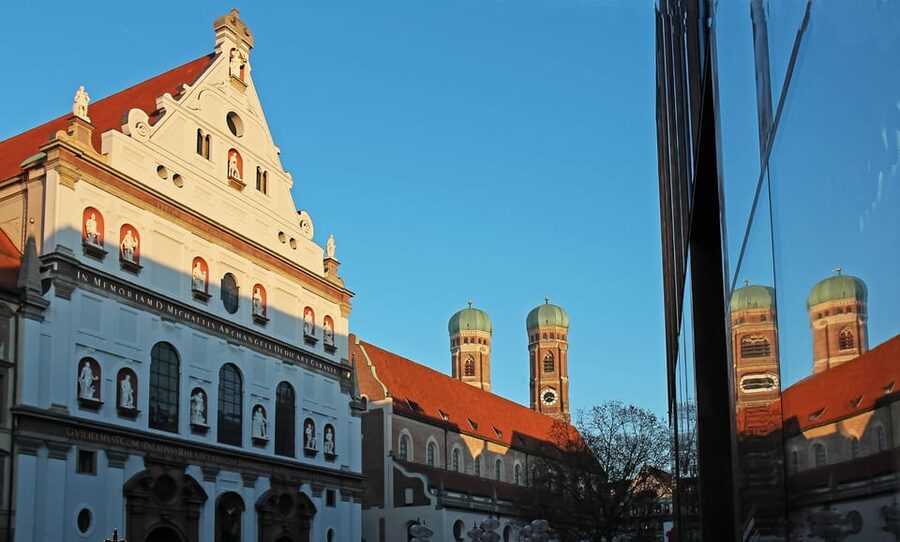
St. Michael’s Church is one of the major stops. The church gives the guide a chance to discuss how religious institutions and civic authorities shaped ideas about sin, punishment, and acceptable behavior. You will hear stories and historical details connected to the tour’s main themes rather than receive a standard architectural lecture.
That focus is both the attraction and the limitation. If you want a full explanation of the church’s art, architecture, and dynastic connections, this is not the right tour. If you want to understand how a famous central building can be read through the lens of fear, authority, and social rules, the stop should add another layer to your visit.
I would listen for the guide’s evidence and separate established facts from interpretation. One lower rating came from a participant who felt the tour forced connections to several churches without enough proof. That criticism does not make the route worthless, but it gives you a practical tip: ask questions if a claim sounds uncertain, and do not assume every anecdote has the same historical weight.
Same city, a completely different kind of day:
- Dachau Concentration Camp Memorial Site Tour from Munich by Train
★ 4.5 · 5,637 reviews - Neuschwanstein Castle Tour from Munich
★ 4.5 · 5,117 reviews - Third Reich Walking Tour Munich
★ 4.5 · 4,291 reviews - Munich Hop-On Hop-Off Tour: 1-Day or 2-Day Ticket
★ 4.3 · 4,161 reviews
Frauenkirche, city noise, and choosing the right start time
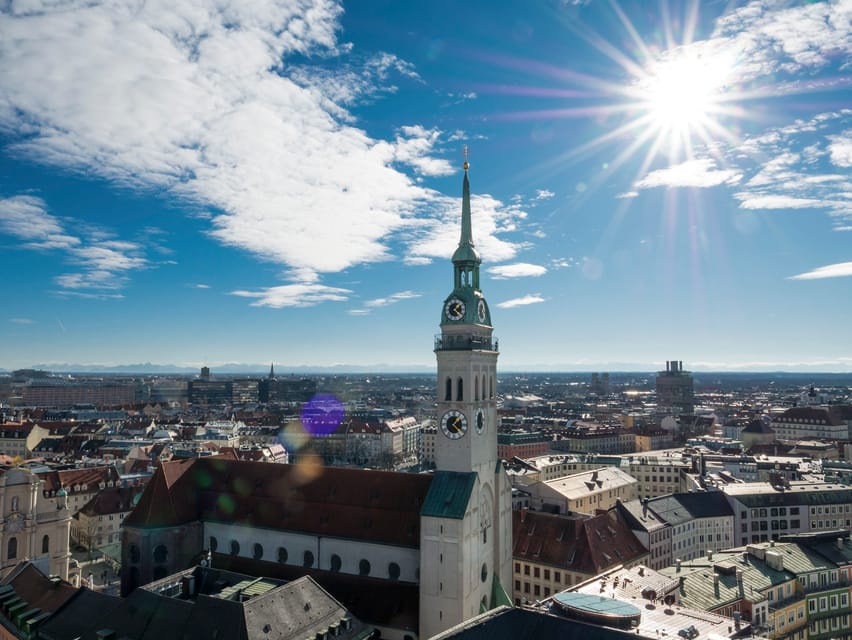
The Frauenkirche is another familiar landmark on the route. Its importance here comes from the contrast between the grand church you see and the difficult lives discussed around it. The tour asks you to look beyond Munich’s postcard image and consider who had power, who was excluded, and how punishment was made visible.
This is also the stop where timing and sound matter most. A previous participant had trouble hearing the guide during a large choir rehearsal, while the church bells rang at 3 p.m. The guide continued speaking near the church, and the noise made a large part of the explanation difficult to follow.
You cannot control every event in a busy city, but you can check the available starting times and think about the daily schedule. If the booking system offers several departures, choose one that avoids the busiest period you can identify. A private tour may also make it easier to ask the guide to move a few steps away from a noisy entrance, although the information provided does not promise a quieter route or special timing.
For a shared group, stay close to the guide and position yourself where you can see the guide’s face. German spoken outdoors can be difficult to catch, especially when church bells, rehearsals, and foot traffic compete with the commentary.
Alter Hof and the city’s machinery of control
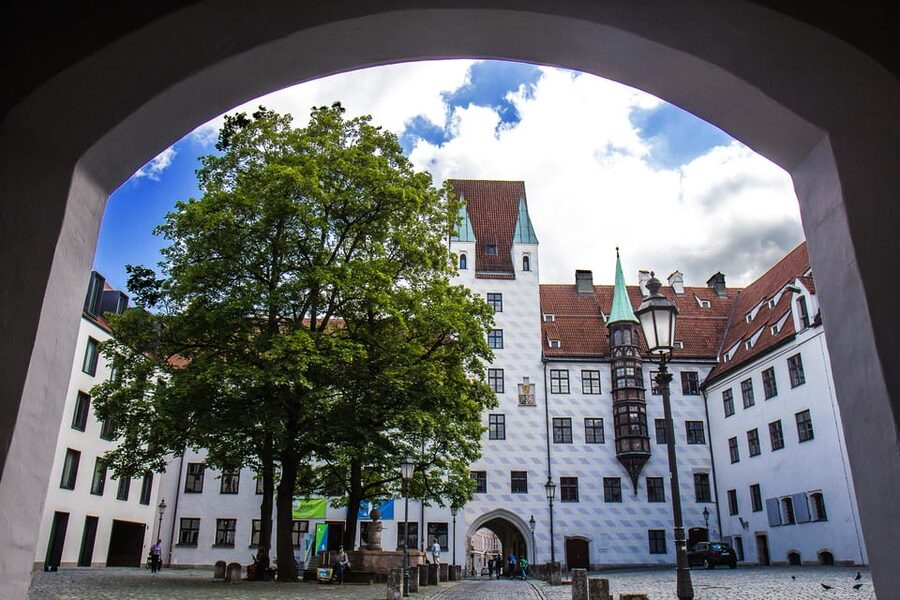
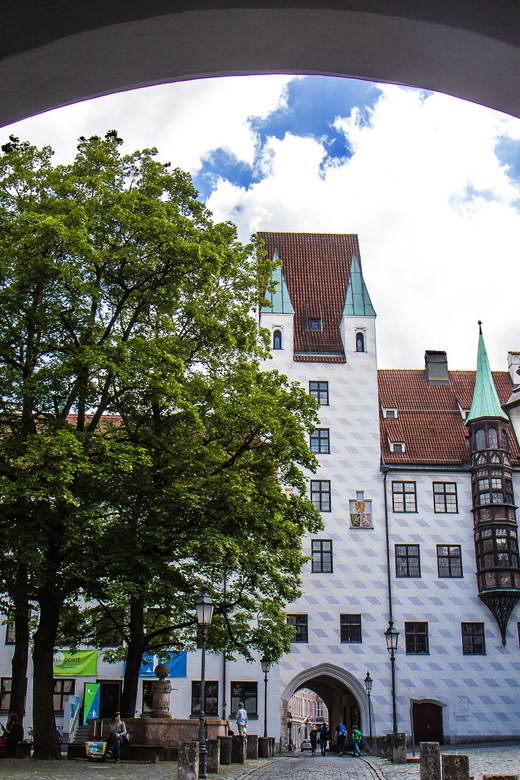
The Alter Hof, or Old Court of Munich, is included as another historic point along the walk. Here the route broadens from individual punishment to the way the city was governed. The guide’s stories help connect courtly and civic power with the people who enforced rules at street level.
The value of this stop is the change in scale. The tour moves between large institutions and personal stories. You may hear about official decisions, then learn how those decisions affected executioners, suspected witches, and people working in prostitution.
The title promises three groups, but the balance between them may not be perfectly even. The material clearly covers executioners and witch hunts. One critical participant felt that prostitution received little attention. If the relationship between the executioner and prostitution is the main reason you want to book, ask at the start whether the guide plans to cover that part in detail.
The guide also explains why prostitution ended in Munich in the 1970s. That modern reference gives the walk a useful closing stretch, showing that the topic did not end with medieval punishments. It connects older systems of regulation to a much later change in city policy and social life.
What the guides add to the experience
This is a live guided walk in German, so the guide is the heart of the experience. The strongest feedback points to friendly, interesting storytelling and smooth organization. A guide named Julia received especially warm praise after leading a tour in poor weather, with the group’s mood still described as excellent.
That kind of personal delivery can make difficult material easier to follow. You are hearing names, motives, odd details, and local anecdotes from someone who can react to the group. The guide can also explain a point again if you ask.
The weak point is that a good historian is not always a good outdoor speaker. One guide was described as very pleasant and historically well informed, but hard to understand in the noisy center. This is a useful distinction. The tour may contain strong material, yet your experience depends on whether you can hear it.
German ability matters more here than on a route where you can rely on scenery. The activity lists German as its language, with no alternate language option provided. I would book it only if you can follow a spoken German explanation for two hours in an outdoor setting.
Is $25 a fair price for two hours?
At $25 per person, the tour sits in the reasonable range for a two-hour guided walk, particularly if you value local stories over entrance tickets. The price includes the guide and the guided route, while food, drinks, pickup, drop-off, and entrance fees are not included.
The tour’s value comes from the theme. You are paying for interpretation, not access to a church or a museum. The landmarks are mainly viewed as part of the walk, so you should not expect admission to be bundled into the cost.
A shared group is the better value if you want an affordable introduction to Munich’s darker past. A private option makes more sense if your group has strong interest in witch trials, executioners, or prostitution and wants more time for questions. The supplied details do not specify the private-tour surcharge or group size, so check those figures before booking.
Free cancellation up to 24 hours before the start and the option to reserve now and pay later reduce the risk of fitting the walk into a changing schedule. Those policies do not improve the historical content, but they are useful when weather or sightseeing plans remain uncertain.
Who will enjoy this German-language city walk?
I would recommend it to you if you already know Munich’s main sights and want a different way to read the center. It suits people interested in law, crime, religion, folklore, and social history. The route also works well for anyone who prefers a focused theme to a long list of disconnected monuments.
You should be comfortable with grim topics. Witch hunts, torture, executions, and prostitution are not side notes here. The guide may use humor, but the subject still deals with fear, violence, exclusion, and punishment.
This is less suitable if you want a quiet, polished architecture tour or if you need extensive time inside the churches. It may also disappoint you if you expect a theatrical experience, since there are no actors or reenactments.
The activity is described as wheelchair accessible, but the same information says it is not suitable for people with mobility impairments. That is a clear point to confirm with Weis(s)er Stadtvogel GmbH before reserving. A two-hour city walk may involve uneven surfaces, standing, and moving with the group, but the exact route details are not provided.
Practical tips for getting more from the walk
Wear comfortable shoes, and prepare for rain or sunshine. The tour is outdoors and continues in poor weather.
Arrive at the Neuhauser archway with enough time to find the blue bag. The meeting point is under the arch, not at a hotel or a transport pickup location.
If hearing German outdoors is difficult for you, choose a private tour if the price works for your group. Stay near the guide, and do not hesitate to ask for a repeat when bells or street noise interrupt the explanation.
Keep expectations focused. This is a themed walk through central Munich, not a full account of every execution site or a museum visit. Some former locations are discussed rather than clearly visible in their modern form.
If you want the prostitution theme in particular, ask the guide at the outset how much time will be given to it. That simple question can help you judge if the tour matches your interests before the route gets underway.
Should you book Henker, Huren, Hexen?
Book this tour if you want a German-language walk with a strong, unusual subject and you enjoy learning how familiar places were tied to punishment and social control. St. Michael’s, Frauenkirche, Alter Hof, the salt road, the former Jesuit college, and Neuhauser Tor give you a useful route through the center, while the guide supplies the stories.
I would be more cautious if you need perfectly clear audio, dislike speculative historical links, or are mainly interested in prostitution rather than the broader theme. The highly positive feedback about organization, atmosphere, and guides such as Julia is encouraging, but the sound problem near the Frauenkirche is a real practical concern.
At $25, it is a fair choice for a focused two-hour introduction. Go in ready for dark subject matter, outdoor conditions, and some interpretation alongside documented history. If that sounds like your kind of Munich, this walk offers a fresh counterpoint to the city’s grand churches and cheerful public image.
FAQ
What language is the tour conducted in?
The tour is conducted in German. German is the only language listed for the live guide.
How long does the tour last?
The walking tour lasts two hours. Starting times depend on availability at the time of booking.
Where do I meet the guide?
Meet under the Neuhauser archway. The guide carries a big blue bag with the white words Weis(s)er Stadtvogel.
What places does the route include?
The route includes St. Michael’s Church, Frauenkirche, the Alter Hof, the historic salt road, the former Jesuit college, and Neuhauser Tor.
What subjects does the tour cover?
The tour covers executioners, prostitution, witch hunts, torture, executions, and the way Munich’s authorities handled people accused of breaking social or legal rules.
Are actors or reenactments part of the experience?
No. The tour does not include actors or reenactments. A live guide explains the history and shares anecdotes while you walk.
Is food or drink included?
No. Food and drinks are not included. Hotel pickup and drop-off and entrance fees are also excluded.
Is the tour wheelchair accessible?
The activity is marked wheelchair accessible, but it is also described as unsuitable for people with mobility impairments. Contact the provider before booking to confirm that the route meets your needs.
Can I cancel or pay later?
You can cancel up to 24 hours in advance for a full refund. The reserve-now, pay-later option lets you book without paying immediately.
Just added around Munich
- Pub crawl incl. Oktoberfest museum guided tour with beer tasting (private)★ 5.0 · 5 reviews
- South Tyrolean specialties and wine tasting★ 5.0 · 5 reviews
- Size Matters Beer Tour Munich★ 4.6 · 105 reviews
- Short & sweet: Tasting the Viktualienmarkt★ 4.8 · 37 reviews
- Secret Food Tours Munich★ 4.8 · 5 reviews
- Munich: Romantic Wine Experience for Two at Viktualienmarkt★ 4.2 · 14 reviews
- Munich: Resistance against Hitler – Historical Walking Tour★ 5.0 · 5 reviews
- Residence of Munich private tour with skip the line ticket★ 5.0 · 4 reviews
Munich Tours, compared.

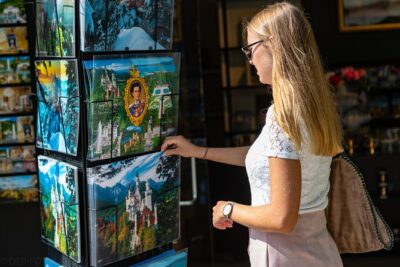
Neuschwanstein & Linderhof Castle-Fairytale Day Tour from Munich
Read our review →
Dachau Concentration Camp Memorial Site Tour from Munich by Train
Read our review →


Browse the lists this tour appears in