
Reviewed · HISTORICAL TOURS
Hamburg: Speicherstadt Historical Guided Walking Tour
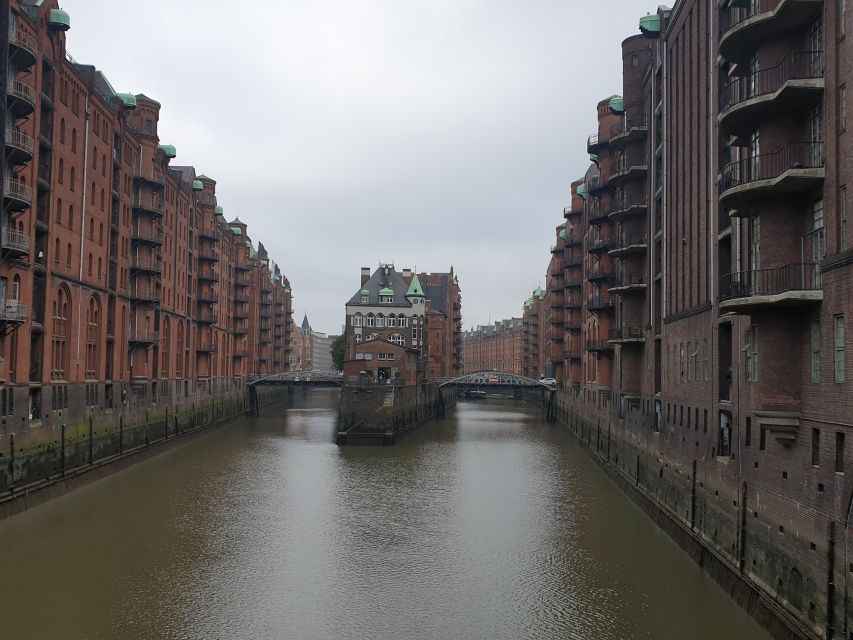
Hamburg’s Speicherstadt is more than a handsome row of red-brick warehouses. It is a former duty-free trading district where coffee, carpets, and other imported goods helped shape Hamburg’s fortunes and connected this northern port to world commerce. This two-hour German-language walk gives that architecture a useful human and economic story.
I like the focus on small details, from hidden courtyards to quiet corners that are easy to pass without a guide. I also like the historians Paul and Jana, whose tours are described as lively, clear, and full of useful side facts. The main consideration is simple: you walk about 2 to 3 miles, in rain or shine, and the tour does not finish where it begins.
In This Review
- Key points at a glance
- Why Speicherstadt makes a strong walking tour
- Beginning with brick, canals, and warehouse design
- Following coffee, carpets, and Hamburg’s trade
- Understanding why the warehouse district was created
- Courtyards and quieter corners
- What the two-hour route feels like
- A German-speaking guide makes the difference
- Is $29 a fair price?
- The practical side of booking
- Who should book this Speicherstadt walk?
- Should you book it?
- FAQ
- How long does the Speicherstadt walking tour last?
- How far do you walk?
- What language is the tour conducted in?
- Who leads the tour?
- What is included in the price?
- Are food, drinks, or transportation included?
- What should I bring?
- Does the tour run in bad weather?
Key points at a glance

- Trade behind the brick: Learn how duty-free coffee, carpets, and imported goods moved through Hamburg’s warehouse district.
- UNESCO architecture up close: See the canalside brick buildings, narrow passages, courtyards, and less obvious corners of Speicherstadt.
- A guide-led history walk: German-speaking historians such as Paul and Jana explain both the district’s beginnings and its effect on local life.
- About 2 to 3 miles on foot: Wear proper walking shoes and expect a steady outdoor route rather than a short photo stop.
- Small-group feel may be possible: The experience can allow for extra questions and added explanation when the group is small.
- Rain or shine: Bring weather-ready clothing, water, and a plan for cooling or wet conditions.
Why Speicherstadt makes a strong walking tour
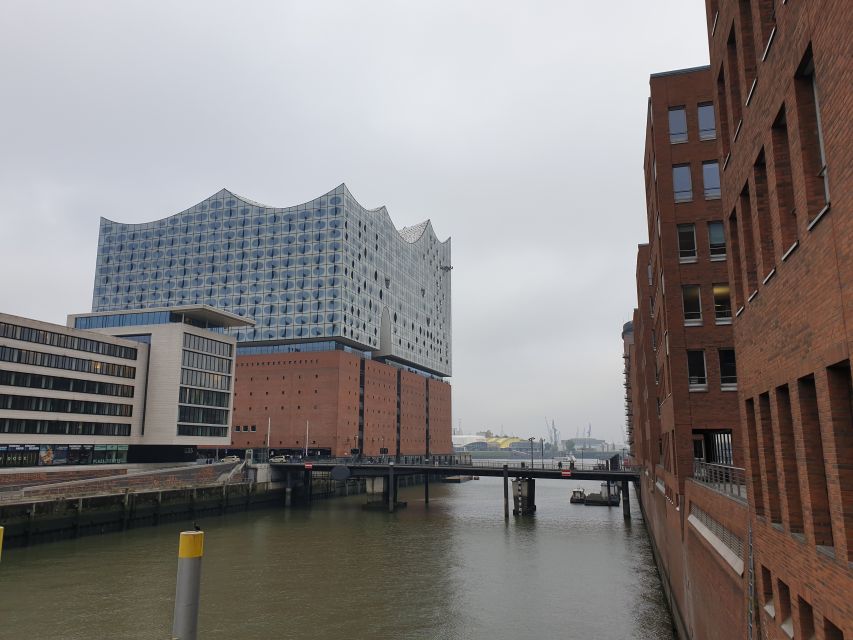
Speicherstadt is one of those Hamburg areas that can look easy to understand at first glance. You see tall brick buildings, waterways, bridges, and long rows of windows. Yet the district’s purpose is not obvious until someone explains why it was built and what passed through its doors.
This was a warehouse quarter tied to Hamburg’s trading economy. Imported goods such as coffee and carpets could be stored and traded under special duty-free rules. That arrangement helped merchants handle goods before they entered the wider German market, while Hamburg gained from the movement of products, money, and workers.
I like tours that connect handsome buildings to practical history, and this one does that well. Instead of treating Speicherstadt as a backdrop for photographs, the guide explains how the district worked and why its creation mattered to Hamburg’s people.
The setting also rewards slow walking. A casual visitor may stay on the main route, photograph the brick facades, and move on. Your guide can point out small architectural spaces and quiet corners that give you a better sense of how the district was organized.
A few more Hamburg trips to weigh up
- The Local Tour of Hamburg Historic Centre
★ 5.0 · 1,058 reviews - Hamburg: Historical Tour of the St. Pauli Sex Work District
★ 4.4 · 215 reviews - Hamburg: UNESCO-World Heritage Sites Tour
★ 4.7 · 137 reviews
Beginning with brick, canals, and warehouse design
The walk takes place among the district’s large brick warehouse buildings, an architectural style closely tied to Hamburg’s port identity. The buildings are impressive, but the guided explanation is what helps you read them as working structures rather than simply attractive old facades.
You will likely stop at different points to hear how Speicherstadt was formed and how the warehouse system supported trade. The precise route can vary with the guide and conditions, but the experience is built around several stops rather than one long talk while walking.
That rhythm is useful. You can look at a building, hear its purpose explained, then continue through the area before stopping again. It keeps the history tied to visible places instead of asking you to remember a long list of dates and names.
The district’s waterways and passages also make the walk feel different from a standard city-center stroll. You are not simply moving along a broad commercial street. The route leads through an area shaped by storage, transport, and controlled access.
Following coffee, carpets, and Hamburg’s trade
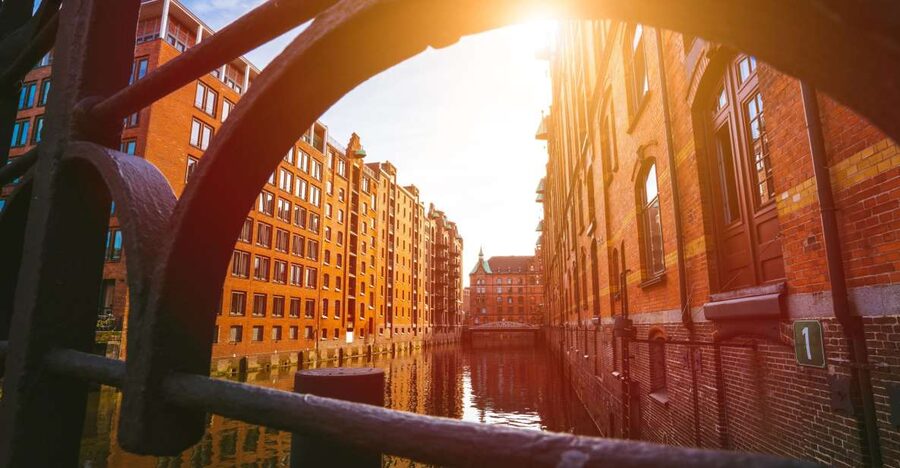
The most useful part of the tour is the link between ordinary products and large economic forces. Coffee and carpets are easy to picture, which makes the trading system easier to understand. Your guide explains how these goods were handled in the warehouse district and why duty-free storage mattered.
Coffee gives the story an especially direct connection to daily life. It was not just an exotic product in a ledger. It passed through Hamburg as part of a wider commercial network, creating work and income while helping the city grow as a port.
Carpets show another side of the trade. They were valuable, imported goods that needed secure storage and careful handling. Learning what happened inside the warehouses helps you picture Speicherstadt as a working center rather than a collection of empty historic buildings.
I find this approach more useful than a simple list of famous merchants or construction dates. You come away with a clearer idea of how Hamburg’s local economy was connected to distant markets. The tour’s central lesson is that global trade was visible in the streets, warehouses, and jobs of one city.
Understanding why the warehouse district was created
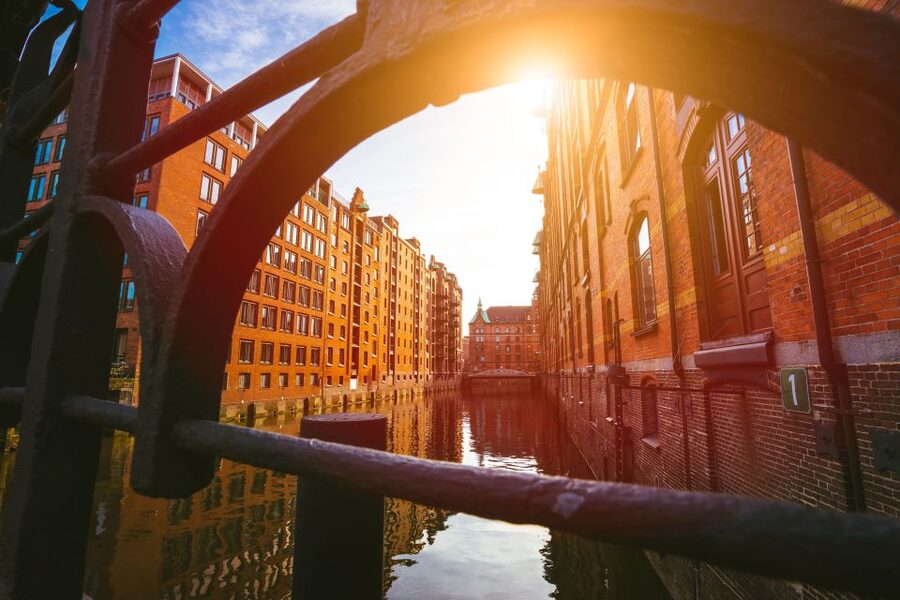
The formation of Speicherstadt is a key part of the walk. Your guide explains the reasons behind its establishment and how the district changed Hamburg’s economic life. This context matters because the buildings can otherwise seem detached from the city around them.
You will hear how the warehouse area supported Hamburg’s role in trade and how locals were affected by that system. The experience is not limited to merchant success. It also looks at the district’s broader economic impact, giving you a better sense of how commercial decisions shaped everyday life.
This is where a historian-led walk earns its price. A brochure can identify a building, but a guide can explain cause and effect. You learn not only what Speicherstadt is, but why it was needed and why Hamburg cared about its growth.
The tour also gives you a chance to ask questions. A small group can make a real difference here, since the guide may have more time to add side facts or clarify a point. Paul has been particularly praised for combining strong historical detail with enthusiasm and humor. Jana has also led an informative route with stops where she explains and shows what you are seeing.
Same city, a completely different kind of day:
- Hamburg: Sex and Crime in St. Pauli Tour for Ages 18+
★ 4.7 · 15,447 reviews - Hamburg: 1.5-Hour Harbor and Speicherstadt Day Cruise
★ 4.6 · 14,200 reviews - Hamburg: 90-Minute Evening Lights Harbor Cruise
★ 4.5 · 7,728 reviews - Hamburg: 2-Hour XXL Port of Hamburg Cruise Tour
★ 4.7 · 6,979 reviews
Courtyards and quieter corners
The most appealing part of this experience may be the places you would not seek out on your own. Speicherstadt has more than its main views. Its alcoves, courtyards, and less busy passages reveal how the district was laid out and how people once moved through it.
These stops are valuable because they slow the pace. You have time to look at brickwork, entrances, passageways, and the relationship between buildings and water. The tour is not designed as a quick checklist of photo points.
A guide may also use these spaces to explain how the district functioned. A quiet corner can become evidence of storage patterns, access, or the practical needs of a trading quarter. That is the kind of detail that stays with you after the tour.
Do not expect every stop to be a major attraction with an entrance hall or display. Much of the experience takes place outdoors, in the streets and spaces of the UNESCO World Heritage Site. Its appeal comes from the connection between the setting and the story.
What the two-hour route feels like
Two hours is enough time to build a clear picture of Speicherstadt without turning the walk into an all-day commitment. You will make several stops, listen to explanations, and cover roughly 2 to 3 miles.
That distance is worth noting. This is not a short orientation walk with only a few minutes on your feet. Comfortable shoes are essential, especially on wet or cold days. Bring water, and dress for the forecast because the tour operates rain or shine.
The route does not end where it begins. That can be helpful if you are planning to continue exploring another part of Hamburg, but it also means you should not leave a bag, coat, or other item at the starting point. Check the meeting and ending details before you set out.
The pace should suit most visitors who are comfortable with ordinary city walking, but the experience is not suitable for people with mobility impairments. There is no transportation included, so you need to reach the meeting point independently and make your own way onward afterward.
A German-speaking guide makes the difference

The tour is conducted in German. That is a major factor in deciding if it suits you. If you understand German well, you can get the full value from the anecdotes, explanations, and questions. If you do not, this is not the right choice for an English-language history lesson.
The guide is a local historian, and that role matters. Speicherstadt’s story involves architecture, trade rules, imported goods, and local economics. A guide with historical training can connect those subjects in a way that feels coherent rather than scattered.
Paul’s approach has been noted for enthusiasm, humor, and extra information in a small group. One light moment even involved planning a public toilet stop into the route. That may sound minor, but it shows a guide paying attention to the practical needs of a walking group.
Jana’s route is described as informative and well structured, with stops where she explains what you are seeing. The individual guide can shape the tone, but the core value remains the same: you get a person who interprets Speicherstadt rather than leaving you to decode it alone.
Is $29 a fair price?
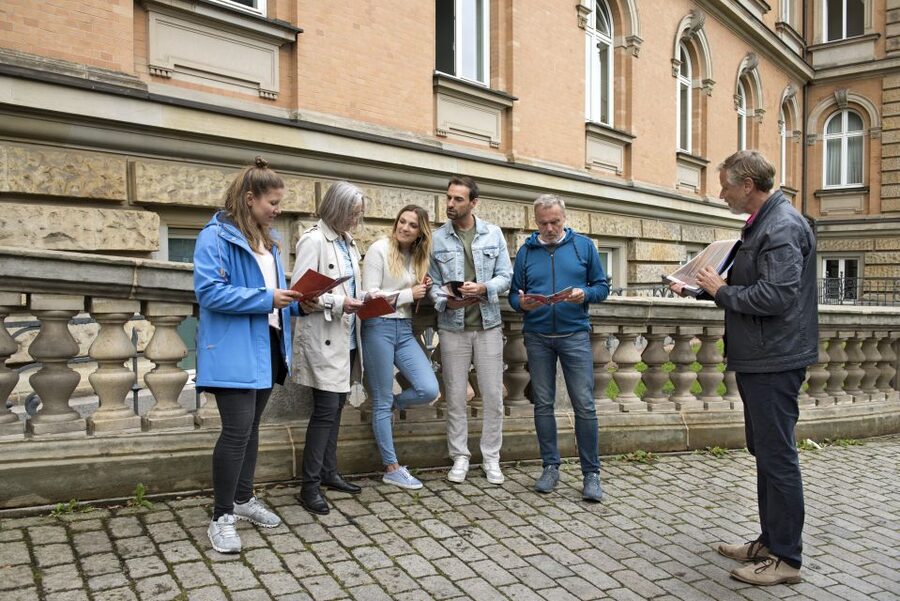
At $29 per person, this tour sits in a reasonable range for a two-hour guided city walk. The price includes a local historian and a tour brochure, but not food, drinks, or transportation.
The value depends mainly on how much context you want. If you are happy taking photographs and reading a few signs, you can explore the district without paying for a guide. If you want to understand why the warehouses were built, how duty-free trade worked, and what Hamburg gained from the system, the fee buys you interpretation and time.
I see the strongest value for first-time visitors who want a clear introduction to Speicherstadt. The tour is also useful if you have already seen the main facades but feel you missed the point of the district.
The brochure is a modest extra rather than the main reason to book. The real benefit is the guide’s explanation at the actual places connected to the story. A small group can improve the value further because you may have more room for questions.
The practical side of booking
You can cancel up to 24 hours before the tour for a full refund, and you can reserve now while paying later. That flexibility helps if your Hamburg plans depend on weather or a changing schedule.
Check the available start times when booking. The activity lasts two hours, but the exact departure time is not fixed in the information provided. Since the tour ends at a different location, allow a little time afterward to orient yourself before your next plan.
Bring comfortable shoes, water, and clothing suited to the weather. Pets are not allowed. Food and drinks are not included, so plan any café stop before or after the walk rather than expecting refreshments along the route.
Cold weather deserves extra thought. A February tour led by Paul included opportunities to warm up, but the walk still took place in chilly conditions. Layers, gloves, and a warm drink afterward may make the experience more pleasant during winter.
Who should book this Speicherstadt walk?
I would choose this tour if you enjoy understanding how a city worked, not just seeing its prettiest buildings. It suits people interested in trade, architecture, Hamburg’s port economy, and the connection between imported goods and local life.
It is also a good match for visitors who prefer a focused tour. Two hours gives you a useful introduction without taking over your entire day. The 2 to 3 mile route adds enough walking to see more than the most obvious corners.
German speakers will get the best experience because the live guide and all tour content are in German. History fans may especially enjoy the extra anecdotes and questions that can come with a smaller group.
I would skip it if you need an English-language tour, cannot manage several miles of outdoor walking, or want a tour that begins and ends in the same place. I would also avoid booking it as your only plan if wet weather would spoil your day, since the walk runs in all conditions.
Should you book it?
Book this tour if you want Speicherstadt to make sense. The brick buildings, canals, courtyards, and warehouse passages are attractive on their own, but the story of coffee, carpets, duty-free trade, and Hamburg’s economic growth gives them real meaning.
At $29, the tour is a sensible choice for German-speaking visitors who value a local historian and a route beyond the obvious viewpoints. Paul and Jana bring different personal styles, while the format allows time for stops, anecdotes, and questions.
Skip it if you require English, accessible walking conditions, or included transport. For everyone else, this is a focused way to connect Hamburg’s most distinctive historic district with the trade that helped make the city what it is.
FAQ
How long does the Speicherstadt walking tour last?
The tour lasts two hours.
How far do you walk?
The route covers approximately 2 to 3 miles on foot.
What language is the tour conducted in?
The live tour takes place in German.
Who leads the tour?
A local historian leads the walk. Guides named in connection with the experience include Paul and Jana.
What is included in the price?
The price includes the local historian as a guide and a tour brochure.
Are food, drinks, or transportation included?
No. Food, drinks, and transportation are not included.
What should I bring?
Bring comfortable shoes, weather-appropriate clothing, and water.
Does the tour run in bad weather?
Yes. The tour takes place rain or shine.
Just added around Hamburg
- Hamburg: Historical Tour of the St. Pauli Sex Work District★ 4.4 · 215 reviews
- Hamburg: St. Pauli Food and Bier Tour★ 4.7 · 5 reviews
- St. Pauli Tour: Drag-Attack with Barbie Stupid & Lee Jackson★ 4.8 · 280 reviews
- Hamburg: Private Tour Red Light District Walking Tour★ 4.7 · 227 reviews
- St. Michael’s, Elbe Tunnel & Harbor 2-Hour Hamburg Tour★ 4.9 · 21 reviews
- Satt Pauli – der kulinarische Rundgang durch St. Pauli★ 4.8 · 12 reviews
- Hamburg: Safari tour in St. Pauli★ 4.9 · 11 reviews
- Hamburg: Reeperbahn Comedy Club★ 4.3 · 53 reviews
Historical Tours, compared.

City History Canal Sightseeing Tour on a Motorboat
Read our review →






Browse the lists this tour appears in