
Reviewed · HISTORICAL TOURS
Hamburg: UNESCO-World Heritage Sites Tour
Hamburg’s old warehouse district is at its best when you understand why those huge brick buildings were built. This two-hour walk links the sharp, angular Chilehaus and grand Kontorhäuser with the canals and storehouses of Speicherstadt, turning a pretty stroll into a clear lesson in trade, money, and Hamburg’s rise as a port city.
I like the contrast between old and new, especially the red-brick warehouses beside modern dock architecture. I also like the practical details: rope winches, carpet storage, spice samples, and pictures that help explain how the port worked. The main drawback is the German-only guiding, and the Saturday ferry ride is not part of every departure.
- Chilehaus and the Kontorhäuser: See the office buildings that reflect Hamburg’s commercial growth and global trade.
- Speicherstadt’s red-brick warehouses: Walk beside canals, old storehouses, rope winches, and former carpet storage areas.
- A clear two-hour route: Start at Jacobikirche and finish at Magdeburg Harbour, with several major sights along the way.
- Port history with physical clues: Pictures and spice samples make Hamburg’s trading past easier to understand.
- Modern architecture beside old brick: Compare Speicherstadt with newer buildings around the dock promenades and Überseequartier.
- Saturday ferry option: Add a short trip by ferry if your tour runs on a Saturday.
In This Review
- Hamburg’s Trading Story Begins at Jacobikirche
- Sprinkenhof Shows the Scale of Hamburg’s Office District
- Chilehaus Is the Architectural Star
- Meßberg Connects Offices to Warehouses
- Speicherstadt Brings the Port Story to Life
- Dar es Salaam Square Adds a Wider Port View
- Magdeburg Harbour Finishes with Old and New Side by Side
- The Saturday Ferry Ride Is a Small Bonus
- What the Two-Hour Format Means for You
- Is $18 a Fair Price?
- Who Will Like This Hamburg Walk?
- Should You Book the UNESCO World Heritage Sites Tour?
- FAQ
- Where does the tour start?
- Where does the tour finish?
- How long does the tour last?
- What language is the tour in?
- Is the ferry ride available on every tour?
- Does the tour include museum admission?
- What is included in the price?
- How much does the tour cost?
- Does the tour run in bad weather?
- Can I cancel the booking?
Hamburg’s Trading Story Begins at Jacobikirche
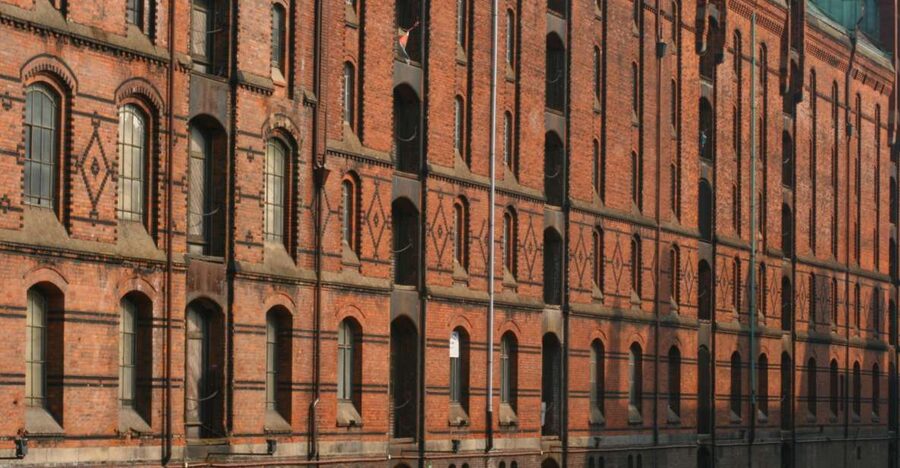
Meet at Jacobikirche, at the corner of Bugenhagenstraße and Barkhof. This central starting point places you close to the Kontorhaus district, where Hamburg’s business life took shape in tall office buildings rather than in the warehouse blocks farther south.
The tour begins with the Hanseatic City’s development and the role of trade in shaping Hamburg. You are not simply walking from one photo stop to another. The guide connects the buildings to the people who used them: clerks, merchants, and workers handling money, records, goods, and shipping business.
That context matters. Without it, the Kontorhäuser can look like grand brick office blocks with fine details. With it, you begin to see a working city built around contracts, cargo, and international connections.
The guide speaks German, so you will get the most from the tour if you are comfortable following a detailed German explanation. A guide named Albert has been praised for clear speech, strong subject knowledge, and a pace that is easy to keep up with. That is useful in an urban tour, where a fast speaker and traffic noise can quickly turn good information into missed information.
Sprinkenhof Shows the Scale of Hamburg’s Office District
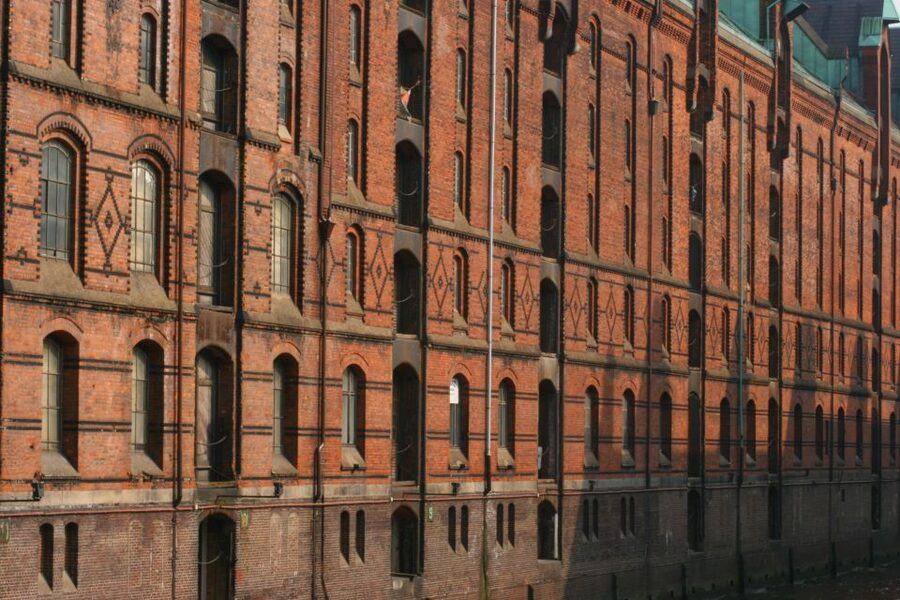
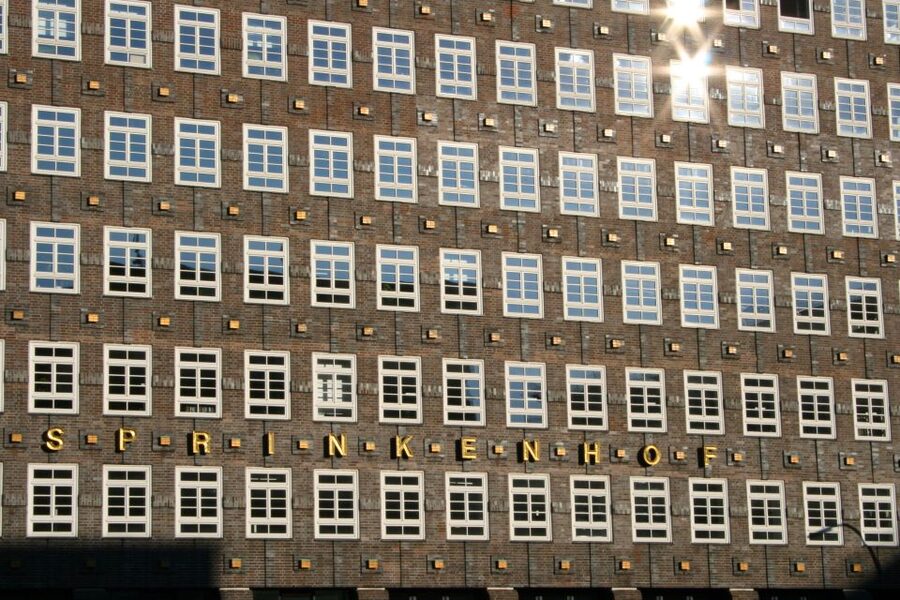
Sprinkenhof is an early major stop. Its size helps you grasp the scale of Hamburg’s Kontorhaus district, where business offices were designed to handle the paperwork of a trading city with worldwide links.
Look up as you walk. The point here is not just the decoration, but the way these buildings express commercial confidence. Their facades, courtyards, and mass give you a sense of the office world behind Hamburg’s trade: money counting tables, clerks, records, and negotiations.
The guide’s explanation gives this architecture a human angle. You hear about the people who worked inside, not just the architects who designed the exteriors. That makes Sprinkenhof a useful opening to the tour’s larger theme: Hamburg’s prosperity was built through ordinary office work as much as through ships and warehouses.
You will spend part of the tour looking upward and stopping in public spaces. Wear shoes that are comfortable for steady city walking, and keep your attention on the guide when the group moves between buildings.
A few more Hamburg trips to weigh up
- The Local Tour of Hamburg Historic Centre
★ 5.0 · 1,058 reviews - Hamburg: Historical Tour of the St. Pauli Sex Work District
★ 4.4 · 215 reviews - German Hamburg Historic City Center Pay-What-You-Want Tour
★ 4.8 · 80 reviews
Chilehaus Is the Architectural Star
Chilehaus is likely to be the most memorable building on the route. Its pointed shape and strong brickwork give it an unmistakable presence, and the tour uses it to explain both Hamburg’s architecture and its commercial past.
The building is tied to the Kontorhäuser, a group of office buildings that reflect the city’s growth and international influence. You will learn how these offices fit into the system of trade and administration that connected Hamburg with the wider world.
I like this stop because it combines visual drama with a practical story. Chilehaus is easy to admire from the outside, but the guide gives you reasons to notice its form, materials, and position within the district. You are encouraged to read the building as part of Hamburg’s economic story rather than treating it as an isolated landmark.
This is also a good place for photographs, though the tour is not built around long photo breaks. If you want many carefully framed pictures, you may need to take a quick shot during the stop and return later on your own.
Meßberg Connects Offices to Warehouses
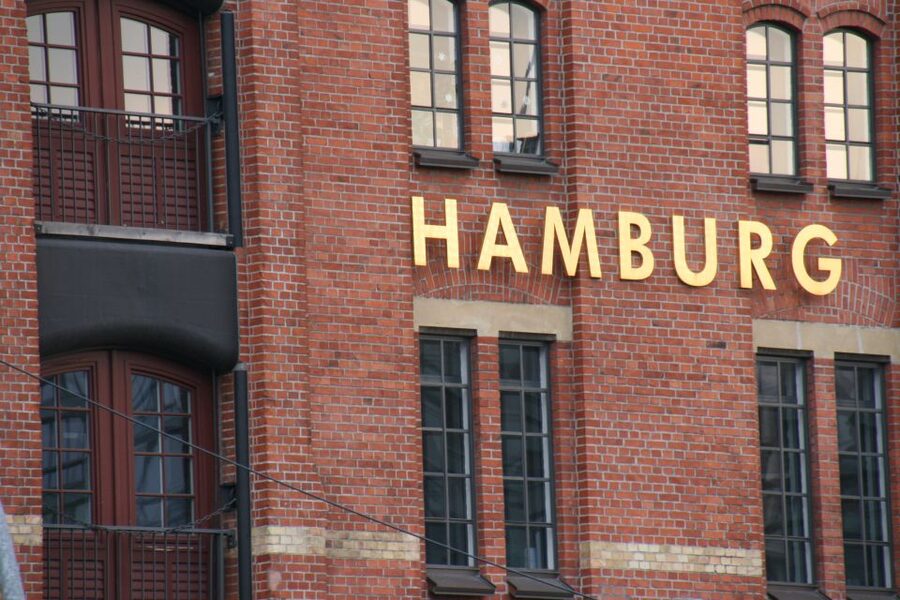
At Meßberg, the tour shifts toward the warehouse city. This transition is important because Hamburg’s business district and storage district depended on each other. Office workers handled trade, while the warehouses held the goods moving through the port.
The route helps you see that the city was planned as a working machine. Kontorhäuser dealt with contracts and administration. Speicherstadt dealt with cargo, storage, and movement. The two areas are close together, but they feel different, and that change gives the walk a satisfying rhythm.
The guide also explains Hamburg’s development in broader terms. You get a sense of how the city grew from its Hanseatic trading role into a modern port with links far beyond northern Germany.
Do not expect a museum visit at each stop. This is a walking tour, with outdoor explanations and views of the buildings. The value comes from seeing the areas in place and learning how they fit together.
Speicherstadt Brings the Port Story to Life
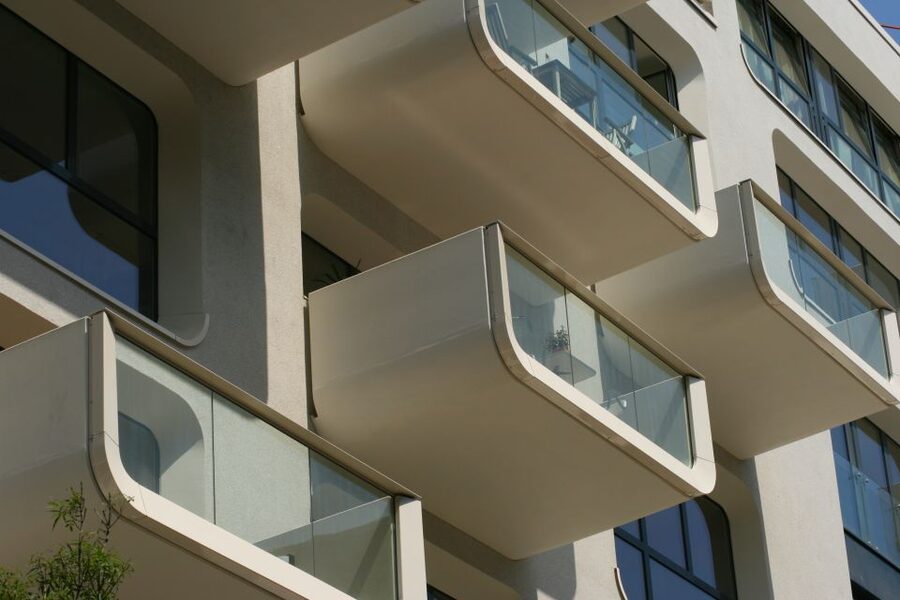
Speicherstadt is the heart of the route. Its long red-brick storehouses, canals, and bridges create one of Hamburg’s most distinctive city scenes. The district is also part of Hamburg’s UNESCO World Heritage Site, so the tour gives you a guided introduction to one of the city’s key protected areas.
The old warehouses were designed for storage and transfer. Along the walk, you may see old rope winches and hear about carpet storage. These details are small, but they make the district easier to understand. The buildings were not made only to look handsome beside the water. They served a hard-working port economy.
Pictures and samples of spices add another useful layer. A spice sample can tell you more than a general statement about overseas trade. It gives you a direct reminder that the goods stored here had smells, textures, values, and practical uses.
The contrast is one of the tour’s best features. On one side, you have dark red brick, narrow waterways, and old loading points. Nearby, newer architecture and dock promenades show how Hamburg continues to change. I like this comparison because it keeps the tour from becoming a simple trip into the past.
Weather affects this section most. The tour runs in all weather, and much of the experience takes place outdoors beside canals and open streets. Bring clothing suited to the forecast, especially for rain and wind. There is no promise of shelter during the explanations.
Same city, a completely different kind of day:
- Hamburg: Sex and Crime in St. Pauli Tour for Ages 18+
★ 4.7 · 15,447 reviews - Hamburg: 1.5-Hour Harbor and Speicherstadt Day Cruise
★ 4.6 · 14,200 reviews - Hamburg: 90-Minute Evening Lights Harbor Cruise
★ 4.5 · 7,728 reviews - Hamburg: 2-Hour XXL Port of Hamburg Cruise Tour
★ 4.7 · 6,979 reviews
Dar es Salaam Square Adds a Wider Port View
Dar es Salaam Square places the warehouse district in a wider international setting. The name itself points toward Hamburg’s links with places beyond Europe, and the stop supports the tour’s focus on overseas commerce and the port’s reach.
Here, the guide continues to connect local buildings with global movement. You are not only looking at Hamburg’s brick facades. You are considering the routes, goods, and business relationships that made these warehouses useful.
The stop also helps prepare you for the final stretch toward Magdeburg Harbour. The route moves from the older storage quarter toward newer waterfront development, so you can compare different periods of Hamburg’s growth within a short distance.
For me, this is where the tour’s structure makes sense. It starts with the office world, passes through storage and trade, and then opens toward the harbor. You get a compact story rather than a collection of unrelated facts.
Magdeburg Harbour Finishes with Old and New Side by Side
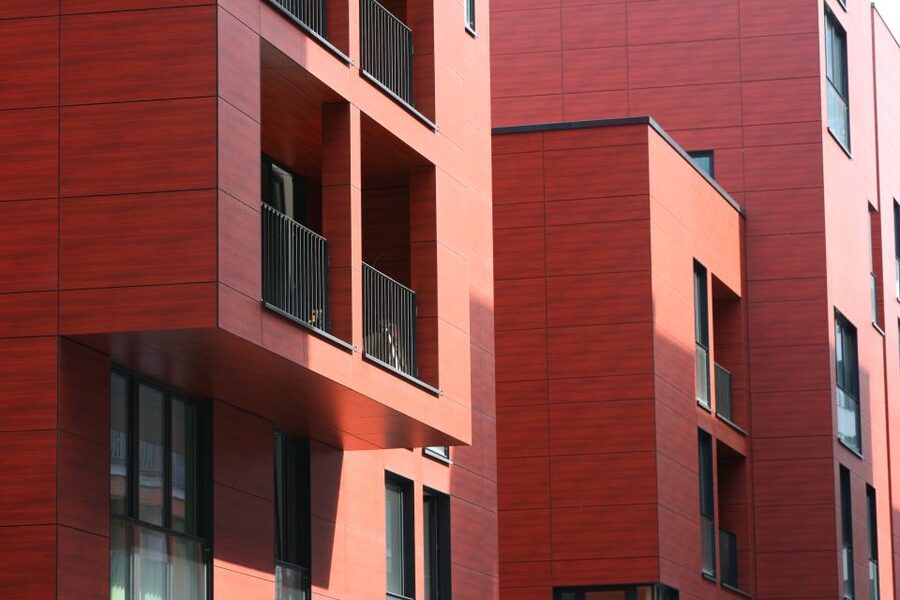
The walk ends at Magdeburg Harbour. The finish gives you views toward the river Elbe and the newer dock areas, including the International Maritime Museum and Überseequartier.
This is a useful ending because it shows that Hamburg’s port story is not frozen in the Speicherstadt. Old warehouses remain part of the city’s identity, while modern architecture and public waterfront areas point to later stages of development.
The route’s final views also make the tour practical for the rest of your day. You finish in a district with major sights nearby, so you can continue exploring after the guide leaves. The tour does not include entry to the International Maritime Museum, but you will see it as one of the important buildings around the harbor.
If you prefer a tour that ends at the place where the story began, this one may feel less convenient. The finish at Magdeburg Harbour is part of its design, though, and it gives you a more complete sense of how the old warehouse city meets the modern port.
The Saturday Ferry Ride Is a Small Bonus
A short ferry trip is available only on Saturdays. Treat it as a bonus rather than the main reason to book, since the central experience is the walking route through the Kontorhäuser and Speicherstadt.
The ferry adds a different angle on Hamburg’s waterways and port setting. Seeing the district from the water can help you understand why canals, docks, and storage buildings were arranged as they were.
Check the day before booking if the ferry matters to you. The tour information makes clear that this part is limited to Saturday departures, so a weekday or Sunday tour should be judged on the walking content alone.
What the Two-Hour Format Means for You
Two hours is a useful length for this route. It is long enough to cover the major districts, but short enough to fit before lunch, after a morning arrival, or alongside another Hamburg activity.
The pace is described as manageable, and clear speech is a major advantage. You will make several stops, listen to explanations, and continue on foot through busy urban areas. This is not a strenuous hike, but you should be ready to walk continuously for two hours.
The short format also means the guide must choose carefully. You will not get every detail about every building. Instead, the tour focuses on the main story: Hanseatic trade, Kontorhäuser, Speicherstadt, port storage, and the shift toward modern harbor development.
I would choose this tour early in a Hamburg visit. It gives you a useful map of the city’s central port districts, and later visits to the museum, warehouses, or waterfront will make more sense.
Is $18 a Fair Price?
At $18 per person, the tour offers good value if you want interpretation rather than a self-guided walk. You can see the outside of Chilehaus and Speicherstadt for free, but the guide adds the links between architecture, office work, cargo storage, spices, and port development.
The price is especially reasonable for anyone who would otherwise spend time reading scattered signs or trying to work out the purpose of the warehouses alone. You are paying for a focused route and a German-speaking guide who keeps the story moving.
The value is lower if you want indoor admissions, a long ferry ride, or extensive free time for photography. The advertised sightseeing tour does not include museum entry, and its two-hour schedule leaves little room for lingering.
Free cancellation up to 24 hours before the tour gives you some flexibility. You can also reserve and pay later, which may help if your Hamburg plans depend on weather or changing arrival times.
Who Will Like This Hamburg Walk?
I would recommend this tour to you if you enjoy architecture, port cities, urban history, or practical stories about how trade shaped a place. It suits first-time visitors who want an introduction to Hamburg’s central historic districts without committing to a half-day excursion.
It also works for people who already know Hamburg but want more context. The route covers familiar sights, yet the explanations about clerks, money counting, rope winches, carpets, and spices can reveal details you might otherwise pass without noticing.
The main limitation is language. The live guide is German-speaking, and no other language is listed. If you do not understand German, you should choose a different tour or confirm language options before booking.
This is also not the best choice if you want a tour built around food stops, museum interiors, or a long harbor cruise. Its strength is the combination of walking, architecture, and port history.
Should You Book the UNESCO World Heritage Sites Tour?
Book it if you want a short, affordable introduction to Hamburg’s Kontorhäuser, Chilehaus, Speicherstadt, and modern harbor district. The route has a clear story, the sights are varied, and the guide adds useful details that turn brick buildings and canals into evidence of a working port.
Choose a Saturday if the ferry ride matters to you, and dress for outdoor conditions on any day. If you understand German and can manage two hours of city walking, this is a strong way to get your bearings fast while seeing some of Hamburg’s most distinctive architecture.
FAQ
Where does the tour start?
The tour starts at Jacobikirche, at the corner of Bugenhagenstraße and Barkhof. The listed starting point is Jakobikirchhof.
Where does the tour finish?
The tour finishes at Magdeburg Harbour.
How long does the tour last?
The tour lasts two hours.
What language is the tour in?
The live tour guide speaks German.
Is the ferry ride available on every tour?
No. The short ferry trip is available only on Saturdays.
Does the tour include museum admission?
No museum admission is listed as included. The route passes important buildings such as the International Maritime Museum and Überseequartier.
What is included in the price?
The price includes a German-speaking tour guide and the sightseeing tour.
How much does the tour cost?
The listed price is $18 per person.
Does the tour run in bad weather?
Yes. The tour takes place in all weather conditions, so you should dress appropriately.
Can I cancel the booking?
Yes. You can cancel up to 24 hours in advance for a full refund. You can also reserve now and pay later.
Just added around Hamburg
- Hamburg: Historical Tour of the St. Pauli Sex Work District★ 4.4 · 215 reviews
- Hamburg: St. Pauli Food and Bier Tour★ 4.7 · 5 reviews
- Hamburg: Private Tour Red Light District Walking Tour★ 4.7 · 227 reviews
- St. Pauli Tour: Drag-Attack with Barbie Stupid & Lee Jackson★ 4.8 · 280 reviews
- St. Michael’s, Elbe Tunnel & Harbor 2-Hour Hamburg Tour★ 4.9 · 21 reviews
- Satt Pauli – der kulinarische Rundgang durch St. Pauli★ 4.8 · 12 reviews
- Hamburg: Safari tour in St. Pauli★ 4.9 · 11 reviews
- Hamburg: Reeperbahn Comedy Club★ 4.3 · 53 reviews
Historical Tours, compared.

City History Canal Sightseeing Tour on a Motorboat
Read our review →






Browse the lists this tour appears in