
Reviewed · HANOVER TOURS
Fritz Haarmann – Die Mördertour
Fritz Haarmann’s story is not a light city tale. This two-hour walk takes you from Hannover’s main train station into the Old Town, tracing the case of a killer whose crimes shocked Germany in 1924. You’ll hear about the former murder house, the place linked to the burial of victims’ bones, and the social conditions that shaped the case. The historical setting matters as much as the crime.
I like two things here. First, the tour connects the murders to the political and social climate of early 20th-century Germany instead of treating Haarmann as a simple monster. Second, the route begins at a familiar city landmark and leads you into the Old Town, so you get a useful orientation along with the grim subject. The main consideration is that the tour is German-language only, and its subject matter is disturbing.
In This Review
- Key points at a glance
- Starting under the horse’s tail at Hannover station
- Walking into Hannover’s 1920s
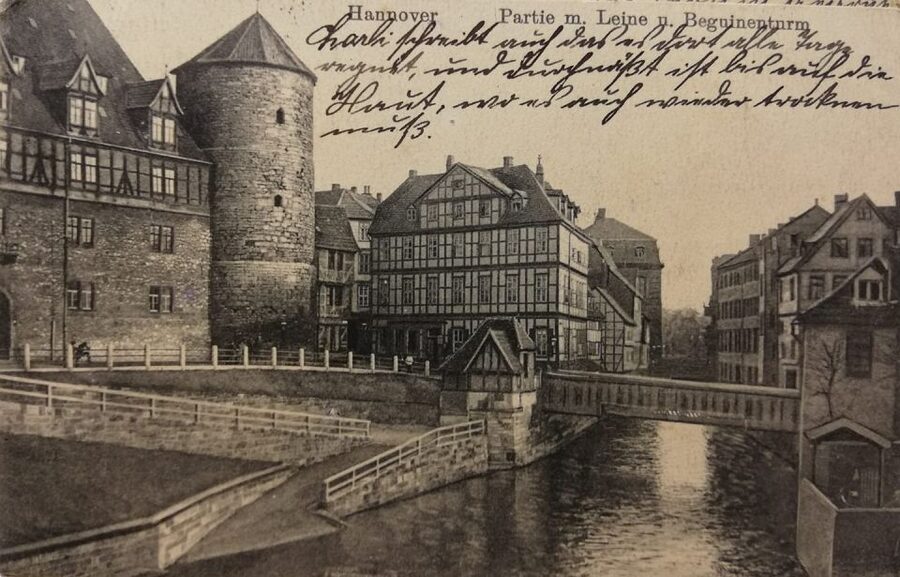
- The former murder house
- The burial site and the hardest part of the walk
- Why the political background matters
- How the two-hour format works for you
- German-language guiding and group size
- What $35 gets you
- Who should book this Hannover crime walk?
- Final verdict: a serious, place-based history walk
- FAQ
- Where does Fritz Haarmann, Die Mördertour begin?
- How long does the tour last?
- What language is the tour in?
- What locations are included?
- What does the tour cover?
- Is the tour wheelchair accessible?
- Are drinks included in the price?
- Can I cancel the booking?
Key points at a glance
- Starts beneath Hannover’s Ernst-August statue: Meet at the famous Unterm Schwanz location beside the main train station.
- Walks from the station to the Old Town: The route gives you a direct transition from modern Hannover into its darker 1920s past.
- Visits the former murder house location: You’ll stand where the house connected to the Haarmann case once stood.
- Includes the burial site connected with victims’ bones: This is one of the tour’s most unsettling historical stops.
- Explains the wider political setting: The case became heavily politicised and affected German history beyond Hannover.
- Costs $35 for two hours: The price includes the guided walk, with optional beer or sparkling wine available for an additional €3.50 per person.
Starting under the horse’s tail at Hannover station
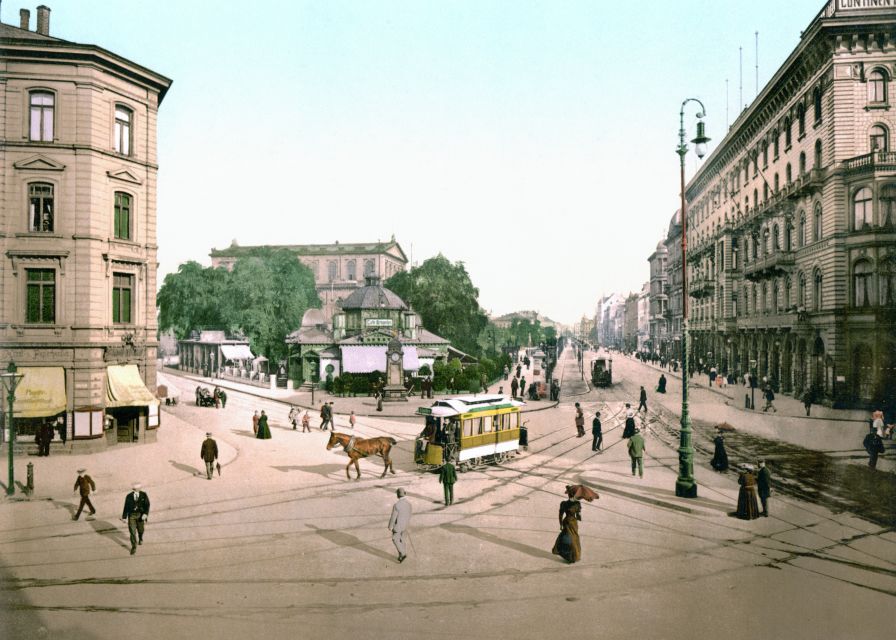
The meeting point is easy to recognize: the Ernst-August statue outside Hannover’s main train station. Look beneath the tail of the mounted horse, a spot known locally as Unterm Schwanz. You should arrive at least five minutes before the scheduled start.
That location is practical for several reasons. Hannover Hauptbahnhof is one of the city’s main transport hubs, so you can reach the tour by train, tram, or on foot from many central hotels. You do not need to search for a small side street or a hidden office. The statue provides a clear visual marker in a busy part of town.
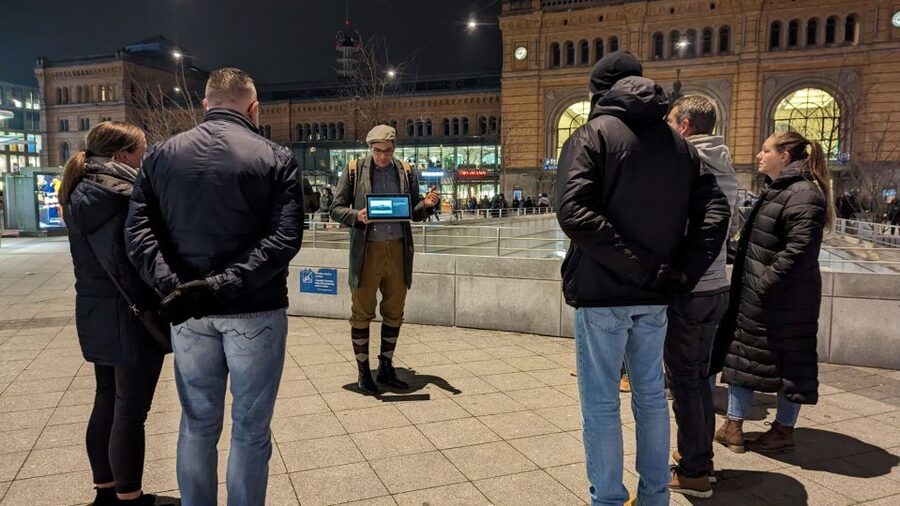
The opening walk also sets the tone. Instead of meeting directly at a crime scene, you begin in a central public place and move toward the Old Town as the story develops. I like this structure because it gives the experience a sense of place. Hannover is not presented as a museum exhibit sealed off from daily life. The story is connected to streets and buildings that form part of the city you are seeing now.
The tour is listed as wheelchair accessible. Still, anyone with mobility concerns should keep in mind that this is a walking tour through the city rather than a seated presentation. The supplied information confirms accessibility, but it does not provide details about the exact street surfaces, rest stops, or toilet access.
Other Hanover days worth putting on the list:
- Hannover: Guided Old Town Walking Tour
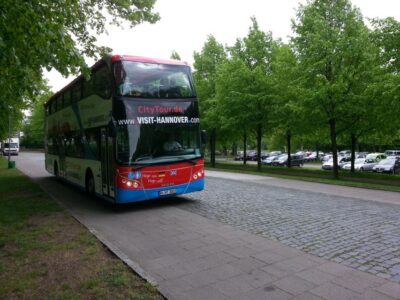
★ 4.5 · 338 reviews - Hannover: 24-Hour Hop-On Hop-Off Sightseeing Bus Ticket
★ 4.2 · 298 reviews - Hanover: Crime Walking Tour
★ 4.5 · 243 reviews
Walking into Hannover’s 1920s
The tour focuses on the period around the beginning of the 20th century, with the Haarmann case reaching its grim peak in 1924. Fritz Haarmann was found responsible for killing at least 24 citizens of Hannover. The case gained international attention and gave him several infamous nicknames, including the butcher of Hannover.
Those facts are grim, but the value of the walk comes from placing them in context. The guide does not simply list victims and locations. The tour examines Haarmann’s life, the conditions of the era, and the way the case was handled and discussed in Germany. That wider frame is important if you want to understand why the story had such an effect.
A strong city walk should help you see how history connects to ordinary streets. This one uses the Old Town as its setting, giving you physical reference points while the guide explains events from a century ago. You may find the contrast unsettling: the modern city continues around you while the guide describes a case that once dominated public attention.
This is not a tour for children by default. The subject involves murder, victims, and the disposal of human remains. The supplied details do not give a minimum age, so you should use your judgment based on the sensitivity of anyone in your group.
The former murder house
One of the stated stops is the place where the murder house used to be. The wording matters. You are visiting the location of a former building, not entering an original preserved crime scene.
That distinction helps set realistic expectations. You will not find a recreated interior, original furnishings, or a dramatic museum display. Instead, the guide uses the location as a point from which to explain what happened and how the site fitted into the case.
For me, this kind of stop works best when the storytelling is precise. A bare address would not mean much. The guide’s job is to explain the site’s role and connect it to the broader story of Haarmann and Hannover in the 1920s. The feedback supplied for this experience points to clear descriptions, background information, and attention to the conditions of the period.
One guide was specifically praised for explaining events in a vivid way and for showing how the case related to the society of the time. Another described the presentation as informative and well delivered. That suggests the tour relies heavily on the person leading it, which is normal for a walking history experience.
The burial site and the hardest part of the walk
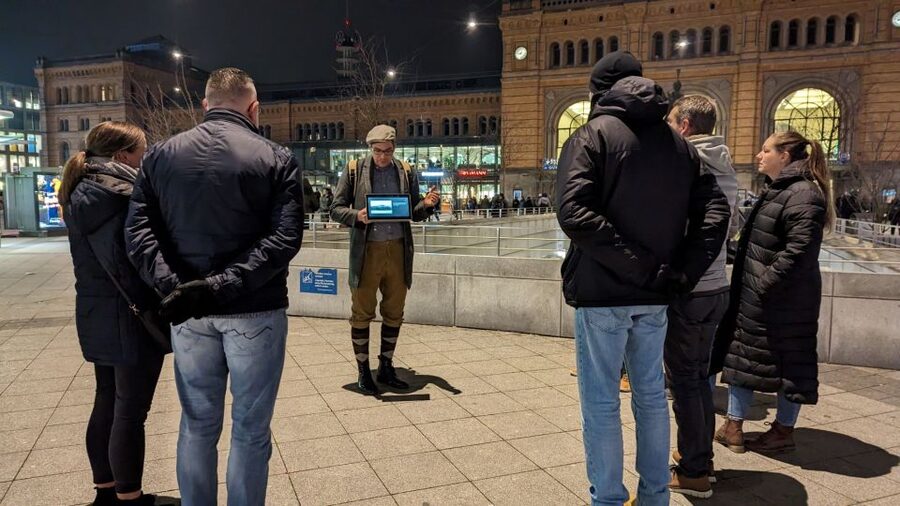
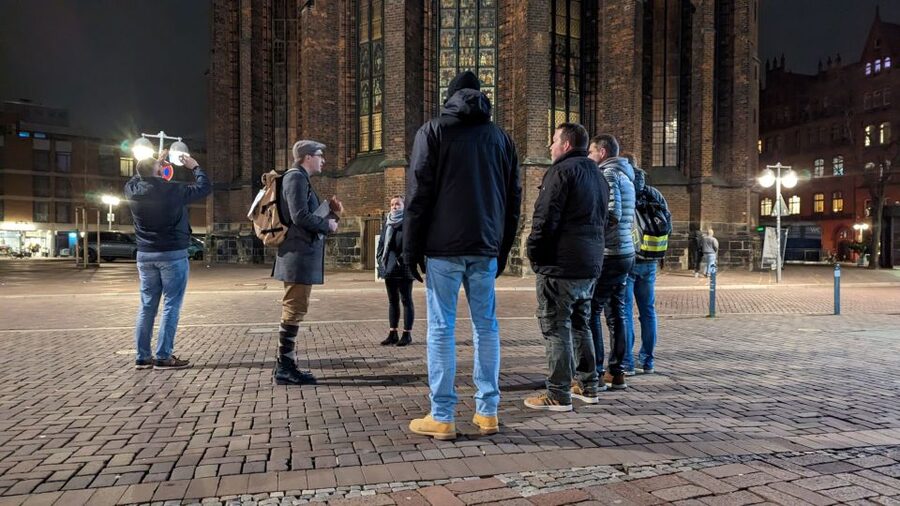
The route also goes to the place where the bones of Haarmann’s victims were buried. This is likely to be the most emotionally difficult stop. It brings the story away from the house and toward the aftermath, when the extent of the crimes became known.
The site has value because it shows how the case involved more than one location. The murder house represents the crimes themselves. The burial place points to discovery, evidence, and the public shock that followed. Together, the two stops help you understand why the Haarmann case became such a major event in Hannover.
You should expect the guide to speak about the subject directly. The supplied information describes the story as cruel and emphasizes that at least 24 citizens were killed. This is not a playful ghost walk or a theatrical mystery tour. It is a serious account of a real criminal case.
That does not mean the experience is necessarily bleak for every minute. The tour also includes questions and historical explanation. The available feedback highlights that there was enough time for questions, and that an extra guide was added when a group became large and was split in two. That detail matters: a dark subject needs room for clarification, and a guide who can be heard makes a major difference on a city street.
Same city, a completely different kind of day:
- SEA LIFE Hannover Ticket
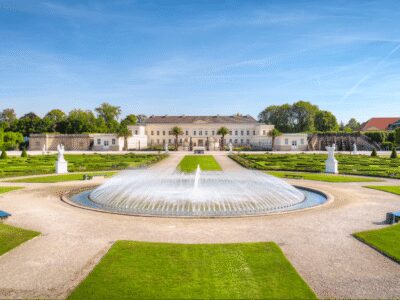
★ 4.0 · 96 reviews - Hanover: Royal Gardens of Herrenhausen Guided Tour
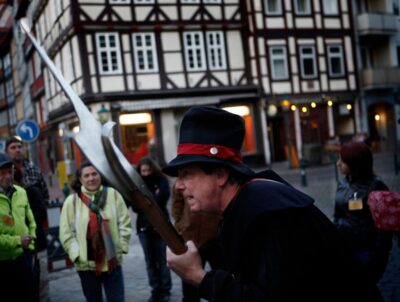
★ 4.6 · 78 reviews - Hanover: Night tour with night watchman Melchior
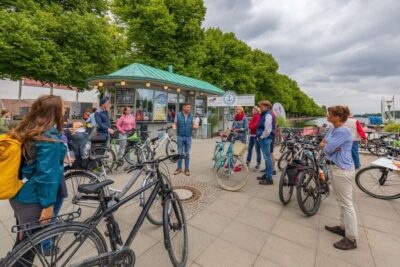
★ 4.4 · 72 reviews - Hannover: Guided Bike Tour for Foodies with Tastings
★ 4.8 · 64 reviews
Why the political background matters
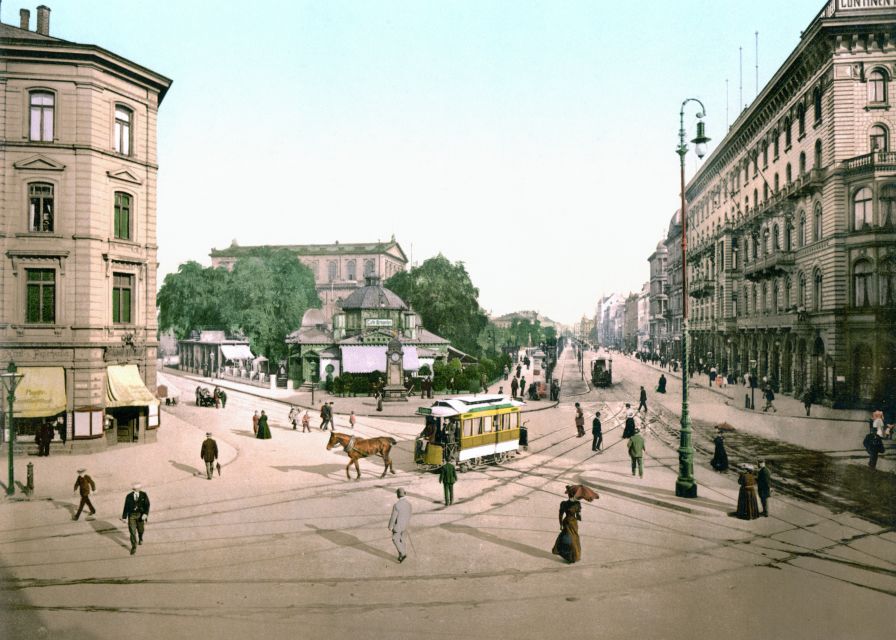
The Haarmann case was heavily politicised and helped shape German history. That is a key reason to choose this tour over a simple list of murder sites.
Cases like this often reveal what a society fears, how newspapers frame crime, and how public officials respond under pressure. The supplied information does not spell out every political detail, so you should not expect a full academic lecture on Weimar Germany. But the tour clearly aims to connect Haarmann’s crimes with the conditions and debates of the time.
I appreciate that approach. True crime can become shallow when it focuses only on the killer’s personality. Here, the larger setting is part of the story. The guide addresses the social conditions of the era and the political weight of the case, helping you see why the events mattered beyond one man and one city.
Several comments about the presentation point to strong background information and a guide who made the subject both clear and engaging. One person found the talk so absorbing that they could have continued for hours. Another called it short, informative, and easy to follow. Those are useful signs for anyone concerned that a serious historical topic might become dry.
How the two-hour format works for you
The listed duration is two hours. That is enough time for a connected walk and a proper explanation of the main sites, but not enough for every detail of the Haarmann case or every part of Hannover’s history.
You can expect the route to begin at the station, continue into the Old Town, and include the former murder house location and the burial site connected with the victims’ bones. The exact order and walking distance are not provided, so you should allow the full two hours and wear comfortable shoes.
The route’s compact format is useful if you are spending only a short time in Hannover. You can fit it into a day that also includes other central sights. It also works well at the beginning of a visit because the starting point is central and the walk introduces you to the Old Town.
The drawback is that two hours may feel brief if you want a full study of the case. The tour focuses on the main story and its setting. You should book it for a guided overview with meaningful locations, not for an exhaustive archive-based investigation.
German-language guiding and group size
The live guide speaks German. This is the most important booking decision.
If you understand German well, you can follow the historical detail and take part in questions. If you do not, the tour is not described as bilingual or multilingual, so you should not assume that English explanations will be available. A dark historical tour depends on careful wording, and missing key points would reduce its value.
Group size can affect the experience. When a group became large, a second guide was present and the group was divided. That is encouraging from a practical point of view because a smaller group can make it easier to hear the explanation and ask questions. The guide or provider’s name is Hendrik Seiffert, but the supplied details do not identify every guide who may lead a particular departure.
The strongest positive comments focus on the delivery. The history was described as clear, vivid, informative, and engaging. One person noted that questions had enough time. I would treat that as an important selling point, since a walking tour about a complex criminal case can quickly become confusing if the guide rushes through names, places, and dates.
What $35 gets you
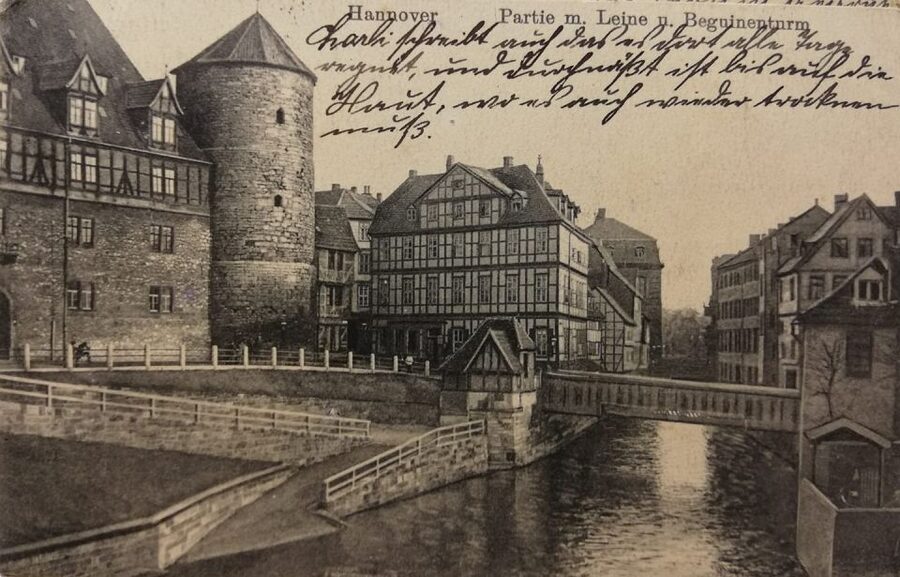
The price is $35 per person and includes the guided tour. You are paying for two hours of live interpretation, route planning, and access to the guide’s explanation of the sites.
That is fair value if you want more than a self-guided walk. You could visit Hannover’s Old Town without paying, but you would not automatically understand how the locations connect to the Haarmann case or why the 1924 investigation carried such political weight. The price makes the most sense for you if historical context and guided storytelling are the main goals.
Drinks are not included. Beer or sparkling wine can be served for an additional €3.50 per person. This option may suit a group that wants a small social element, but it is not central to the tour. The subject is serious, and the value of the experience comes from the walk and explanation rather than the drink.
The provider also offers reserve now and pay later booking, so you can hold a place without paying immediately. You can cancel up to 24 hours before the start for a full refund. Those terms are helpful if your Hannover plans are still changing.
Who should book this Hannover crime walk?
I would recommend it to adults interested in German history, true crime, urban history, and the way criminal cases affect public life. It should also suit people who want a focused Old Town walk with a subject more unusual than standard architecture and city politics.
It is a particularly good choice for German speakers who appreciate detailed explanations. The available feedback repeatedly points to the quality of the background information and the guide’s ability to make the story clear without losing its serious tone.
You should think twice if you are sensitive to murder stories, human remains, or crime scenes. The tour does not soften the central facts, and its most important stops are tied directly to killing and burial.
You should also skip it if you need an English-language tour. No English option is listed. Wheelchair access is provided, but you may want to confirm route details if you need information about paving, seating, or the exact walking conditions.
Final verdict: a serious, place-based history walk
Book Fritz Haarmann, Die Mördertour if you want to understand a disturbing Hannover case through its locations and its historical setting. The former murder house and burial site give the story physical anchors, while the discussion of politics and social conditions keeps the tour from becoming a simple catalogue of horrors.
The best reason to choose it is the guide-led context. The strongest comments point to clear descriptions, useful background, time for questions, and a presentation that holds attention. The main limits are just as clear: German only, disturbing subject matter, and a two-hour format that offers a focused account rather than every detail.
For a visitor who speaks German and wants a serious, unusual way to see Hannover’s Old Town, $35 is a reasonable price. Arrive early at Unterm Schwanz, prepare for difficult material, and expect a thoughtful city walk rather than entertainment.
FAQ
Where does Fritz Haarmann, Die Mördertour begin?
The meeting point is at the Ernst-August statue outside Hannover’s main train station, at the location known as Unterm Schwanz, or under the horse’s tail.
How long does the tour last?
The tour lasts two hours.
What language is the tour in?
The live tour guide speaks German. No other tour language is listed.
What locations are included?
The walk begins at Hannover’s train station and continues to the Old Town. It includes the place where the former murder house stood and the place where the bones of victims were buried.
What does the tour cover?
The tour covers Fritz Haarmann’s life and crimes, the 1924 case, the deaths of at least 24 Hannover citizens, and the social and political conditions connected with the case.
Is the tour wheelchair accessible?
Yes, the activity is listed as wheelchair accessible.
Are drinks included in the price?
No. Beer or sparkling wine can be served for an additional €3.50 per person.
Can I cancel the booking?
Yes. You can cancel up to 24 hours before the tour for a full refund. You can also reserve now and pay later.
Just added around Hanover
- Hanover: Old Town Historical Walking Tour by Geo Epoche★ 4.4 · 11 reviews
- Hanover: Flashlight Guided Walking Tour at Night★ 4.7 · 52 reviews
- Hanover Center: Outdoor Escape Game★ 4.7 · 13 reviews
- Hanover: Crime Tour by Bike★ 4.8 · 25 reviews
- Hanover: Royal Gardens of Herrenhausen Guided Tour★ 4.6 · 78 reviews
- Hanover: Linden-Limmer Krimi-Rätsel-Tour★ 4.5 · 15 reviews
- Hanover: Night tour with night watchman Melchior★ 4.4 · 72 reviews
- Hanover: Guided Walking Tour of the Linden-Limmer District★ 5.0 · 6 reviews
Hanover Tours, compared.



Browse the lists this tour appears in