
Reviewed · CASTLE & PALACE TOURS
Berlin: Classical concerts in Köpenick Palace – Aurora Hall
The appeal here is simple: you hear a focused classical concert inside the Aurora Hall of Köpenick Palace, not in a large modern auditorium. The 2026 program moves from Mozart piano works and romantic duets to Bach, Schubert, opera, and Iberian songs.
I like the $33 price, especially since museum admission is included, and I like the wide choice of dates and styles. The main caution is comfort and reliability: one September attendee found the hall excessively hot without cooling, while another had a paid event canceled without a timely response.
In This Review
- Key points
- A concert inside Köpenick Palace
- Choosing among the 2026 programs
- February 15: Pure Romance
- March 8: Mozart piano works, complete performance 2
- March 22: Mozart songs, arias, and duets
- March 29: The Seven Last Words of the Savior on the Cross
- April 3: The Music Book of Frederick the Great
- April 4: Mozart piano works, complete performance 3
- April 5: Piano magic for four hands
- April 6: Classical violin sonatas
- May 1: Schubert Potpourri
- May 10: Bach violin sonatas 2
- May 17: Piano music to dream to
- May 31: Iberian sounds
- What the $33 ticket really buys you
- Comfort, access, and house rules
- Planning your evening around the 90 minutes
- Who will enjoy this most
- Should you book the Aurora Hall concert?
- FAQ
- Where does the concert take place?
- How long is the concert?
- How much does admission cost?
- Is museum admission included?
- Which Mozart programs are available?
- Are there programs besides Mozart?
- Who performs the concerts?
- Is the activity wheelchair accessible?
- Can I cancel for a refund?
- Can I reserve now and pay later?
- Can I record the concert?
- Are all performances in English?
Key points
- Aurora Hall setting: Hear a 90-minute concert inside historic Köpenick Palace.
- Strong Mozart focus: Choose from complete piano programs, songs, arias, duets, and a program of The Seven Last Words of the Savior on the Cross.
- Broad musical range: The calendar includes Bach, Schubert, romantic duets, violin sonatas, recorder and harpsichord music, and Iberian songs.
- Named performers: Artists include pianist Maria-Magdalena Pitu-Jokisch, violinist Marianne Boettcher, soprano Inês Pinto, and the Mozart Ensemble Berlin.
- Museum entry included: Your concert ticket also covers admission to the museum.
- Flexible booking terms: Cancellation is free up to 24 hours before the event, and reserve now, pay later is available.
A concert inside Köpenick Palace
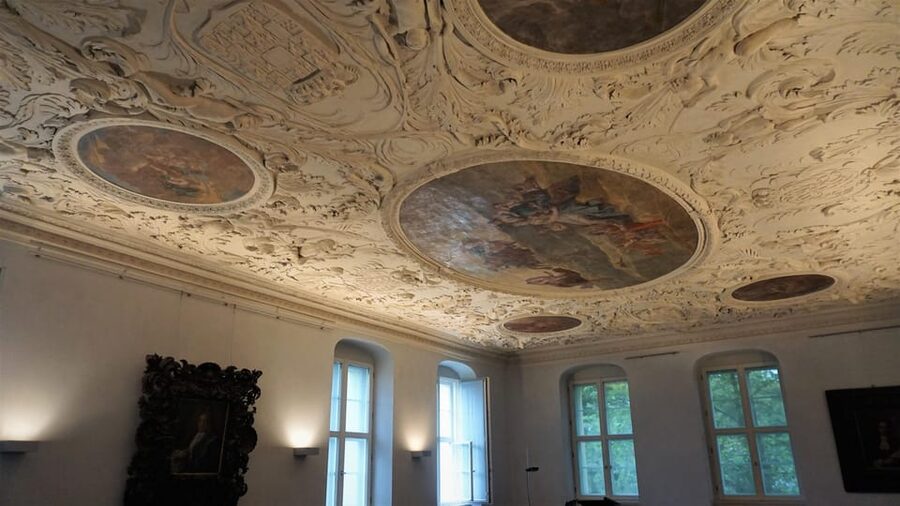
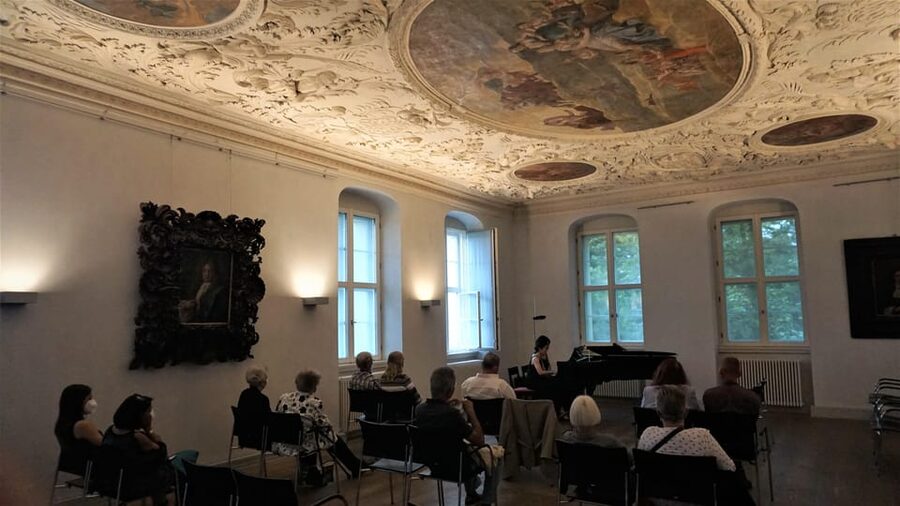
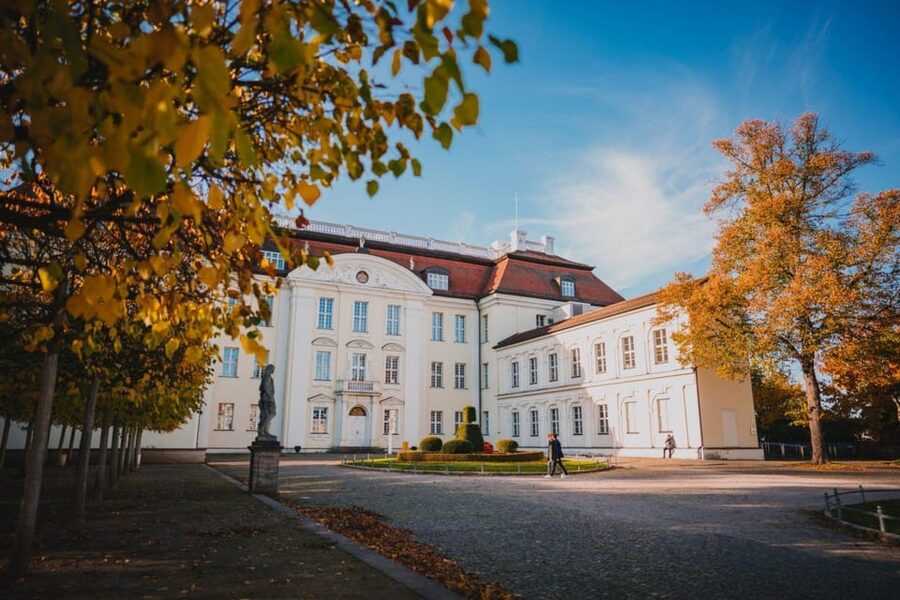
Köpenick Palace gives this outing a clear sense of place. Your meeting point is Aurora Hall, where the concert lasts 90 minutes. That length works well for an evening in Berlin because it gives you a complete musical program without taking over the whole night.
The setting is part of the attraction, but the music remains the main event. You are not booking a palace tour with a short performance added on. You are booking a classical concert in a historic room, with museum admission included as a useful extra.
I would allow time to visit the museum before or after the performance, though the information provided does not specify how long the museum visit takes or exactly when admission can be used. Think of the ticket as a way to pair a cultural visit with a concentrated concert rather than as a full palace tour.
The hall’s atmosphere should suit anyone who likes old buildings and formal music. It may be less comfortable for people who need modern climate control. One verified booking from September 2025 described the music as excellent but found the room excessively hot because it had no cooling. That is a practical concern, especially on a warm day.
More Castle & Palace Tours in Berlin
- Berlin: Charlottenburg Palace Entry Ticket
★ 4.4 · 2,076 reviews - From Berlin: Potsdam and Sanssouci Palace Tour with Entry
★ 4.5 · 1,094 reviews - Potsdam Tour from Berlin With Guided Sanssouci Palace Visit
★ 4.5 · 364 reviews
Choosing among the 2026 programs
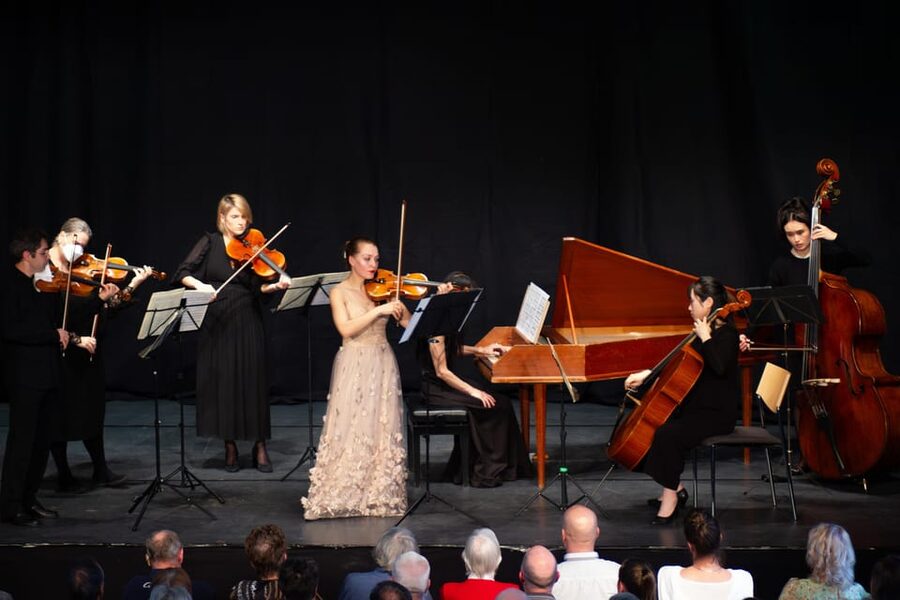
The calendar is not one repeated concert. Each date has its own theme, performers, and musical character. Check the exact date carefully before booking, since the program you choose will shape the entire evening.
Here is how I would sort the options.
February 15: Pure Romance
The season opens with Pure Romance, a program of romantic duets. Soprano Inês Pinto and alto Kristina Naudé perform with pianist Beatrice Wehner-Schaller.
This is the natural choice if you want vocal music with a warm, expressive character. Two singers create more contrast than a solo recital, and the duet format gives the program a conversational quality. Since the exact composers and works are not specified, you should not assume a particular opera or song cycle.
March 8: Mozart piano works, complete performance 2
Maria-Magdalena Pitu-Jokisch performs the second program in a complete presentation of Mozart’s piano works. The word complete signals a planned series, so this date makes most sense if you already enjoy Mozart or want to follow the sequence across multiple concerts.
A solo piano program asks for more attention than a mixed bill of singers and instrumentalists. In return, you get a clear focus on the composer’s keyboard writing. The exact works in this second program are not provided, so confirm the detailed running order if particular sonatas or pieces matter to you.
Same city, a completely different kind of day:
- Berlin: Reichstag, Dome and Government District Guided Tour
★ 4.7 · 18,288 reviews - Berlin: 1-Hour City Tour by Boat with Guaranteed Seating
★ 4.3 · 16,993 reviews - Berlin: Boat Tour Along the River Spree
★ 4.4 · 11,252 reviews - Discover Berlin Half-Day Walking Tour
★ 5.0 · 9,624 reviews
March 22: Mozart songs, arias, and duets
Yuri Mizobuchi, mezzo-soprano, and Stephen Barchi, baritone, perform Mozart songs, arias, and duets with Graham Cox at the piano.
This date offers more variety than a solo piano recital. You hear two lower vocal ranges, different formats, and music that moves between intimate songs, operatic arias, and vocal exchanges. It is probably the strongest pick for someone who wants a taste of Mozart’s vocal writing in one sitting.
March 29: The Seven Last Words of the Savior on the Cross
The Mozart Ensemble Berlin performs The Seven Last Words of the Savior on the Cross. The supplied information does not name the exact composer attached to this performance, so I would check the final program details before purchasing if authorship is important to you.
The title points to a serious, reflective work rather than a light collection of familiar tunes. This should suit you if you prefer a single substantial piece and a solemn concert mood. It may not be the best match for someone hoping for opera excerpts or a varied recital.
April 3: The Music Book of Frederick the Great
Recorder player Susanne Ehrhardt and harpsichordist Yuko Tomeda present The Music Book of Frederick the Great.
This pairing offers a different sound from the piano and voice programs. The recorder has a clear, direct tone, while the harpsichord brings a crisp keyboard sound. The title connects the program to a royal music collection, making this a good choice if you like early music and historical instruments.
April 4: Mozart piano works, complete performance 3
Naoko Fukumoto plays the third program in the complete Mozart piano works series. This is another focused solo recital, but with a different pianist from the March program.
If you want the series experience, compare this date with the March 8 performance rather than treating them as interchangeable. The program numbers suggest different material, though the specific works are not listed.
April 5: Piano magic for four hands
Naoko Fukumoto and Maria-Magdalena Pitu-Jokisch share the piano for a four-hand program.
Four-hand piano music gives you a lively change from a standard solo recital. Two performers work at one keyboard, creating a fuller texture and a more visibly shared performance. The playful title suggests an accessible choice for someone who likes piano but wants more variety than one musician alone.
April 6: Classical violin sonatas
Violinist Annegret Pieske and pianist Victoria Litsoukova perform classical violin sonatas.
This is a traditional chamber music format, with the violin and piano sharing the musical argument. It should suit listeners who prefer instrumental conversation to opera or vocal drama. The program title gives you the style but not the exact composers, so the date is best for open-minded classical listeners rather than anyone seeking a specific sonata.
May 1: Schubert Potpourri
Baritone Stephen Barchi returns, this time with Maria-Magdalena Pitu-Jokisch at the piano, for a Schubert Potpourri.
A potpourri generally signals a selection of pieces rather than one long work, though the precise contents are not provided here. Schubert’s songs can make a baritone and piano pairing especially appealing, but you should confirm the song list if you want a specific piece.
May 10: Bach violin sonatas 2
Marianne Boettcher plays violin with Yuko Tomeda on harpsichord in Bach Violin Sonatas 2.
This is the second program in a Bach violin sonata series. The harpsichord gives the recital a period-flavored sound, while the violin carries the melodic line. Choose this date if you enjoy structured chamber music and want a program centered on two instruments rather than voice.
May 17: Piano music to dream to
Maria-Magdalena Pitu-Jokisch performs Piano Music to Dream To.
The title promises a gentle, atmospheric recital, though no composers or individual works are named. This may appeal to you if you want an easygoing piano evening instead of a vocal program or a demanding single composition. Treat the title as a mood guide, not a detailed description of the repertoire.
May 31: Iberian sounds
Soprano Inês Pinto and guitarist Márcio Silva close the listed calendar with Iberian Sounds.
This combination should provide a marked change from the Mozart and Bach programs. Voice and guitar create a more intimate pairing, and the Iberian theme gives the concert a distinct regional focus. It is a good choice if you want classical music with a lighter, more song-centered format.
What the $33 ticket really buys you
At $33 per person, the price is reasonable for a 90-minute concert in a palace setting, particularly because museum admission is included. The value is strongest when you care about the venue and would visit the museum anyway.
The ticket is less compelling if you are judging it only by concert length. Ninety minutes is a standard compact performance, but the price does not include a meal, transport, or any stated personal introduction to the artists. You are paying for the music, the historic hall, and the museum access.
The performer list also adds value. You can choose a program with artists such as Marianne Boettcher on violin, Yuko Tomeda on harpsichord, or Maria-Magdalena Pitu-Jokisch on piano. Several dates feature internationally renowned artists, although the information does not provide biographies or detailed credentials, so I would not select solely on reputation.
The music itself received the clearest positive response in the available feedback. One attendee described it as excellent, even while criticizing the temperature in the room. That distinction matters: the artistic side appears to be the stronger part of the experience, while comfort deserves more thought.
Comfort, access, and house rules
The activity is listed as wheelchair accessible. That is useful, but the information does not explain the exact route, seating layout, or restroom arrangements. If you use a wheelchair and need particular access details, contact the provider before fixing your plans.
Audio recording is not allowed, and alcohol and drugs are prohibited. These rules are normal for a formal concert, but remember them if you like to capture short clips for personal use. You can listen, but you cannot make an audio recording.
Some content is presented in its original language. That matters most for the vocal programs on February 15 and March 22, the Schubert program on May 1, and the Iberian program on May 31. If you need translations or subtitles, the supplied information does not confirm that they are available.
The lack of cooling is the most specific comfort warning. A September 2025 attendee reported excessive heat in the hall. I would be especially cautious about warm-weather dates and dress for the possibility that the room may feel warmer than expected.
Planning your evening around the 90 minutes
The concert duration is fixed at 90 minutes, but starting times vary by date. Check the availability calendar before booking, then build your evening around the confirmed start time.
Aurora Hall is the stated meeting point. The information does not provide a transport route, parking advice, seating assignment, or arrival recommendation, so do not rely on an assumed schedule. You should also avoid planning a tight connection immediately afterward, since the event details do not state how early doors open or whether there is an interval.
Museum admission is free with the concert ticket. You can use that inclusion to add more value to the outing, but the available details do not say whether the museum is open before every concert or how long you may stay. Confirm the museum hours for your chosen date.
The reserve now and pay later option helps if your Berlin plans are still moving. Free cancellation is available up to 24 hours before the event for a full refund. That is a useful safety net, especially given one report of a paid event not taking place and no prompt follow-up afterward. I would save the booking confirmation and check the event status before setting out.
Who will enjoy this most
I would recommend this concert series to you if you already like classical music, chamber music, opera, or historic venues. The calendar lets you choose the level of variety you want, from a Mozart vocal program to a single serious work or a focused Bach recital.
It also suits a first classical concert in Berlin if you choose a broadly accessible date. Mozart songs, arias, and duets offer variety, while four-hand piano provides a more playful format. The Iberian program may work well if you prefer voice and guitar to a full instrumental ensemble.
The series is less suitable if you need a highly predictable modern venue. The hall’s reported heat problem is not trivial, and details about seating, cooling, program translations, and arrival procedures are limited.
It is also not the right pick if you want a large orchestral concert. The listed performances are mainly solo recitals and small ensembles, including piano, voice, violin, recorder, harpsichord, and guitar. That smaller scale is part of the appeal, but it will not deliver the sound of a symphony orchestra.
Should you book the Aurora Hall concert?
Book it if a historic palace setting, a 90-minute classical program, and museum admission fit your Berlin plans. I would choose the date by repertoire first, then by performer, rather than booking any available evening.
For the broadest introduction, consider Mozart: Songs, Arias, and Duets on March 22. For a more distinctive format, try Piano Magic for Four Hands on April 5 or Iberian Sounds on May 31. If you prefer instrumental music, the Bach violin sonatas, classical violin sonatas, or Frederick the Great program offer clearer choices.
I would hesitate only if heat, accessibility specifics, or event reliability are major concerns. In that case, confirm the date directly, check the hall conditions if possible, and keep the 24-hour cancellation deadline in mind. At $33, this is a fair cultural outing, but its value depends on choosing the right program and accepting that the historic setting may come with old-building compromises.
FAQ
Where does the concert take place?
The concert takes place in Aurora Hall at Köpenick Palace in Berlin.
How long is the concert?
The concert lasts 90 minutes.
How much does admission cost?
The listed price is $33 per person.
Is museum admission included?
Yes. Free museum admission is included with the concert ticket.
Which Mozart programs are available?
The calendar includes Mozart piano works, complete performance 2 on March 8, Mozart songs, arias, and duets on March 22, and Mozart piano works, complete performance 3 on April 4.
Are there programs besides Mozart?
Yes. The calendar includes romantic duets, The Seven Last Words of the Savior on the Cross, music connected with Frederick the Great, four-hand piano, classical violin sonatas, Schubert, Bach violin sonatas, dream-themed piano music, and Iberian songs.
Who performs the concerts?
The listed performers include Inês Pinto, Kristina Naudé, Beatrice Wehner-Schaller, Maria-Magdalena Pitu-Jokisch, Yuri Mizobuchi, Stephen Barchi, Graham Cox, the Mozart Ensemble Berlin, Susanne Ehrhardt, Yuko Tomeda, Naoko Fukumoto, Annegret Pieske, Victoria Litsoukova, Marianne Boettcher, and Márcio Silva.
Is the activity wheelchair accessible?
Yes. The activity is listed as wheelchair accessible.
Can I cancel for a refund?
Yes. You can cancel up to 24 hours in advance for a full refund.
Can I reserve now and pay later?
Yes. Reserve now and pay later is available, so you do not have to pay at the time of booking.
Can I record the concert?
No. Audio recording is not allowed.
Are all performances in English?
Not necessarily. Some content is shown in its original language. The available information does not identify which specific pieces or performances use which language.
More Concerts in Berlin
- Berlin: Classical Concert at Kaiser Wilhelm Memorial Church
★ 4.6 · 387 reviews - Berlin: Classical concerts at the Bode Museum Berlin
★ 4.3 · 26 reviews - Dresden: Gala Concert in the Dresden Zwinger
★ 4.7 · 1,510 reviews - Munich: Classical Concert at the Residenz Palace
★ 4.5 · 148 reviews
Just added around Berlin
- Love and War in Berlin: Self-Guided Story Puzzle Walk★ 5.0 · 7 reviews
- Rickshaw Tours Berlin – Groups of up to 16 people with several rickshaws★ 4.0 · 97 reviews
- Walking on the Wall: 3-Hour Tour in Berlin★ 4.5 · 34 reviews
- eSIM for Germany and 34 European Countries★ 4.5 · 16 reviews
- Warnemuende Shore Excursion: Berlin Private Sightseeing Tour from Rostock★ 5.0 · 4 reviews
- Your ticket to The Wall Museum Berlin★ 3.0 · 60 reviews
- Warnemuende Shore Excursion: Private Berlin Tour★ 4.5 · 27 reviews
- Berlin’s Gay, Lesbian, and Queer Scene Small-Group Walking Tour★ 4.5 · 66 reviews
Castle & Palace Tours, compared.


Neuschwanstein & Linderhof Castle-Fairytale Day Tour from Munich
Read our review →

Premium Neuschwanstein Castle and Linderhof VIP Tour from Munich
Read our review →

Sanssouci Palace and Prussian Palaces Entry Ticket
Read our review →Browse the lists this tour appears in