

Reviewed · STUTTGART TOURS
Stuttgart: Wilhelma Zoological-Botanical Garden Ticket
Wilhelma is one of those rare places where a zoo visit feels like several outings in one. You can look at giraffes and koalas, walk past Moorish-style buildings, then move into greenhouses filled with orchids and palms. The mix of 11,000 animals and botanical displays gives you plenty to see beyond the usual zoo circuit.
I especially like the Terra Australis area, home to koalas and Europe’s only quokkas, and the calm beauty of the Historical Greenhouse Row. The main drawback is simple: Wilhelma is too large for a rushed afternoon. If you arrive late, you may have to choose between the gardens, aquarium areas, and animal exhibits.
In This Review
- Key points to know before you go
- Why Wilhelma feels different from a regular zoo
- Start with the Moorish Garden and historic park
- Terra Australis brings Australia to Stuttgart
- Great Apes and animals from every continent
- The botanical gardens deserve serious time
- Amazonia and Mountain Worlds add variety
- How long should you plan for?
- Is the $26 ticket good value?
- Practical rules and comfort
- Who will enjoy Wilhelma most?
- Should you book Wilhelma?
- FAQ
- What does the Wilhelma ticket include?
- How long is the ticket valid?
- How many animals are at Wilhelma?
- Does Wilhelma have botanical gardens?
- Can I see koalas at Wilhelma?
- Where can I see quokkas in Europe?
- Is Wilhelma wheelchair accessible?
- Are pets allowed?
- Can I cancel the ticket?
Key points to know before you go

- More than a zoo: Your ticket covers animal exhibits and extensive botanical gardens in one historic park.
- Terra Australis: See koalas, nocturnal Australian species, and quokkas, which are kept only at Stuttgart in Europe.
- Moorish architecture: Historic buildings and formal gardens give the visit a setting you will not find at a standard modern zoo.
- Allow most of a day: Three to four hours can work for a focused visit, but a full day lets you take in the plants, animals, and themed worlds.
- Good value at $26: The ticket covers one full day, all animal areas, and the botanical gardens.
- A conservation contribution is included: Most ticket types add a $1 Conservation Euro to wildlife projects worldwide.
Why Wilhelma feels different from a regular zoo
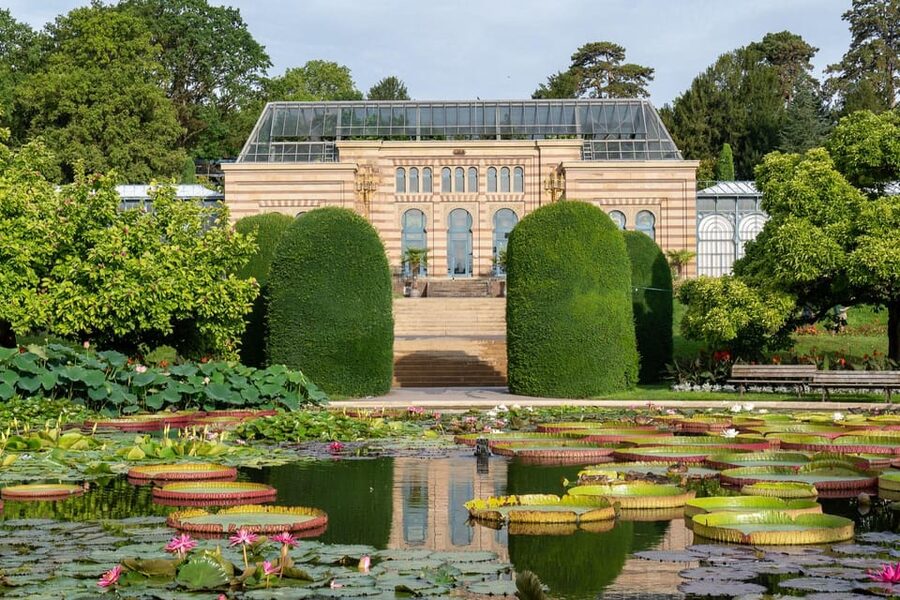
Wilhelma began as a 19th-century park and still carries that older character in its Moorish Garden, historic buildings, terraces, and greenhouse row. At the same time, it functions as a major zoological garden with about 1,200 species. You get two very different moods in one visit: carefully designed architecture and gardens on one hand, naturalistic animal habitats on the other.
That combination matters if you are not the sort of person who wants to spend an entire day looking only at animals. I can easily imagine enjoying Wilhelma with a mixed-age family, since children can focus on the animals while adults take time with the plants, buildings, and displays.
The grounds also give you a reason to slow down. A standard zoo often becomes a march from one enclosure to the next. Here, the gardens provide breathing space between exhibits. You might spend a few minutes studying a primate enclosure, then pause among palms or seasonal flowers before moving on.
There is no personal tour guide included, so you set the pace. That works well for families and independent sightseers, though you will need to pay attention to the map and opening information on the day of your visit.
A few more Stuttgart trips to weigh up
- Stuttgart: Mercedes-Benz Museum Entry Ticket
★ 4.8 · 1,400 reviews - Tickets SWR Fernsehturm Stuttgart
★ 4.5 · 674 reviews - Stuttgart: Museum of Illusions Entry Ticket
★ 4.2 · 507 reviews
Start with the Moorish Garden and historic park
The Moorish Garden is a natural starting point because it introduces Wilhelma’s character before you reach the larger animal areas. Its design reflects the park’s 19th-century origins, with formal planting and Moorish-style architecture creating a setting that feels more like a palace garden than a typical zoo entrance.
Take a little time here rather than treating it as a passageway. The historic details are part of the experience, not just decoration around the exhibits. If you are taking photographs, private photography is allowed, but commercial use requires permission.
From this section, you can begin working through Wilhelma’s themed habitats and botanical areas. A routed map helps you follow the attractions in an orderly way. That is useful because the site contains enough separate areas to make an unplanned walk feel scattered.
If your visit begins in the afternoon, make a quick plan first. One useful approach is to choose the animal areas that matter most to you, then fit the greenhouses and gardens around them. This avoids reaching the end of the day with major sections still unseen.
Terra Australis brings Australia to Stuttgart

Terra Australis is one of Wilhelma’s key draws. The facility focuses on animals from Australia and includes naturalistic enclosures along with nocturnal species. This gives the area a different rhythm from open daytime habitats, and it is a good place to slow down and read the educational information.
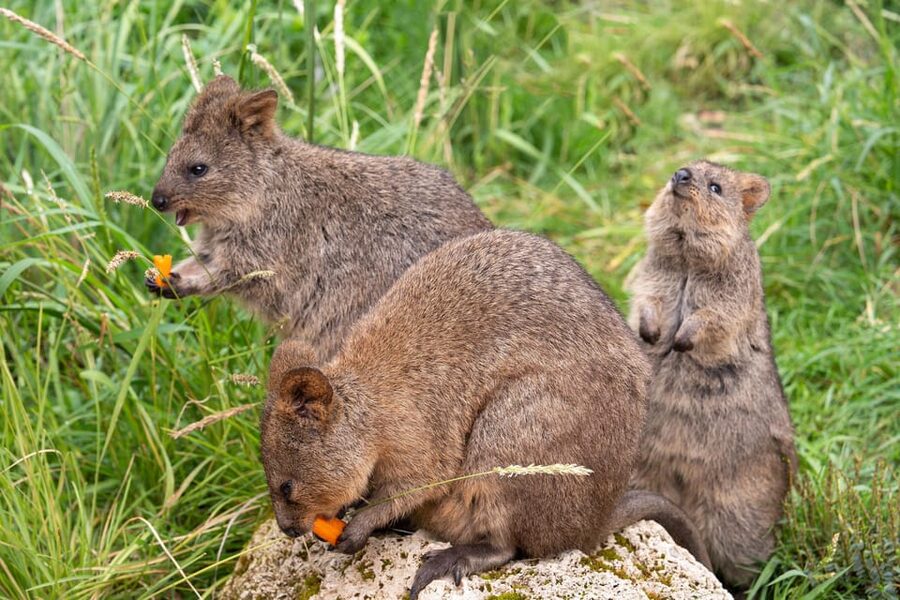
Koalas are kept in only a small number of German zoos, and Wilhelma is one of them. The park also keeps quokkas, which are found at no other European zoo. That makes Terra Australis more than a general regional display. It offers a chance to see species that are not widely available elsewhere in Germany or Europe.
The nocturnal animals may require more patience than the larger, easier-to-spot species. You should expect some exhibits to reward careful looking rather than quick snapshots. That is part of the point of a well-designed habitat, but it can test the attention span of younger children.
For families, this area can be a highlight. For adults interested in conservation, it also puts attention on the need to protect species and habitats far beyond Germany. Wilhelma’s educational work connects the animals in front of you with wider conservation efforts.
Great Apes and animals from every continent
The modern Great Ape enclosure is another major stop. Great apes tend to hold attention because their movements and social behavior can feel familiar, and a contemporary enclosure can give you better views than older zoo layouts. The supplied details do not promise a particular species list or feeding schedule, so check the day’s information rather than planning around a specific presentation.
Across the wider grounds, Wilhelma presents animals from all continents. Australian koalas and African giraffes are specifically highlighted, but the larger value is the range of habitats and regions represented. You can move from one part of the world to another without leaving the park.
The themed areas include Amazonia, Terra Australis, and Mountain Worlds. Each pairs regional plant life with animals associated with that part of the world. This helps children connect an animal to its wider setting instead of seeing each enclosure as an isolated display.
I would not try to cover every animal equally. Choose a few areas that interest you most, then let the rest unfold as you walk. That makes the day feel less like a checklist and leaves room for the architectural and botanical parts that make Wilhelma unusual.
Same city, a completely different kind of day:
- Stuttgart 24-Hour Hop-On Hop-Off Sightseeing Bus Tour
★ 4.4 · 1,647 reviews - Stuttgart: Guided Ghost Walking Tour
★ 4.5 · 662 reviews - Stuttgart: City Highlights – Guided Walking Tour
★ 4.7 · 189 reviews - Stuttgart: “Kehrwoche” Tour in Swabian
★ 4.6 · 183 reviews
The botanical gardens deserve serious time
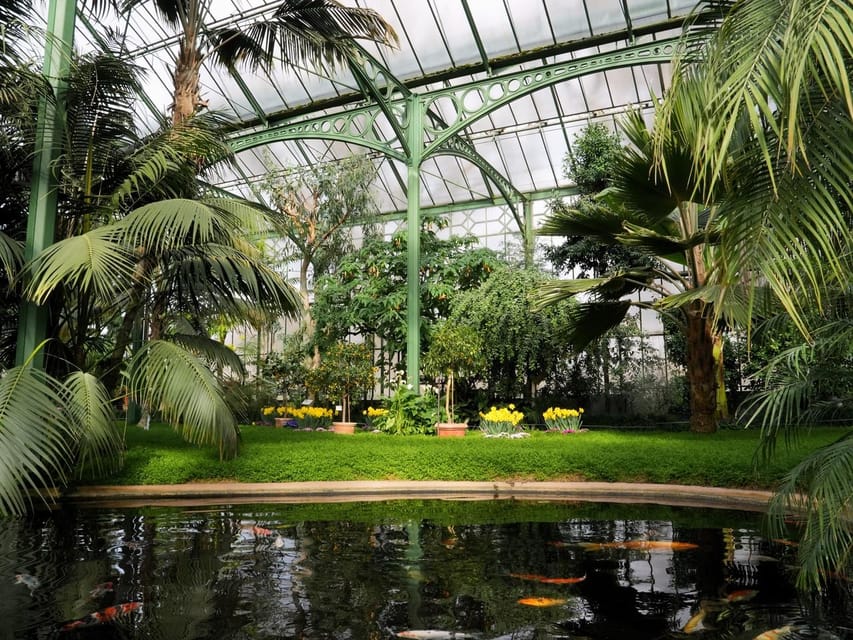
The plant collections are not a side attraction. Wilhelma includes subtropical terraces, seasonal garden displays, and the Historical Greenhouse Row, where you can see orchids, palms, and other plants from warm climates.
The greenhouses are especially useful if the weather is poor, but they are worth visiting in good weather too. Their plant collections provide a change of pace after the animal areas, and the tall palms and orchids create a very different setting from the outdoor habitats.
Spring can be an especially appealing time for the gardens because flowers are in season. The exact display will change through the year, so you should expect the strongest colors and plant interest to vary by season. Even if you come mainly for the zoo, set aside time for the gardens rather than treating them as an optional extra.
The botanical areas also make Wilhelma a better choice for adults who might not normally choose a zoo. You can spend time with plant forms, greenhouse architecture, and garden design without feeling that you are simply waiting for children to finish at the animal exhibits.
Amazonia and Mountain Worlds add variety
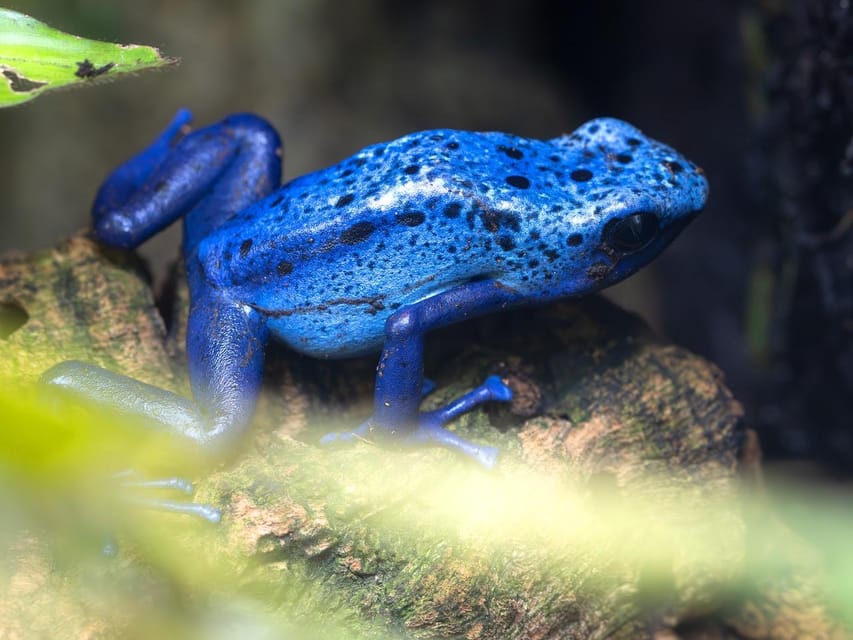
Amazonia and Mountain Worlds continue the regional theme. These sections help break up the visit because they present different combinations of flora and fauna rather than repeating the same basic enclosure format.
Amazonia suggests a warm, plant-filled setting, while Mountain Worlds focuses on species and plant life linked to higher regions. The available details do not specify every animal or display in these areas, so I would treat them as broad themed zones rather than promise a particular sighting.
That said, the regional approach gives your visit a clear shape. You are not just moving through a collection of unrelated animals. You are seeing how Wilhelma groups plants, habitats, and educational information around parts of the world.
The same approach works well for children. It creates simple questions to discuss as you walk: How do animals live in hot forests? What changes in mountain habitats? Why do certain plants need greenhouse conditions? Wilhelma’s interactive exhibits and conservation programs add useful context to those questions.
How long should you plan for?
A focused visit can take about three to four hours. That is enough to see a selection of animal exhibits and some of the gardens, especially if you follow the routed map and avoid long pauses.
I would plan a full day if Wilhelma is a main reason for visiting Stuttgart. One afternoon visitor found there was not enough time to see the botanical garden and aquarium area as well as the animals. That is the clearest practical warning here: arriving late forces choices.
A full day does not mean you need to walk quickly from opening until closing. The park’s mix of gardens and animal areas makes it possible to vary the pace. You can spend an active hour visiting habitats, then take a slower garden walk before returning to another indoor exhibit.
If you are visiting with children, a shorter plan may be sensible. Pick Terra Australis, the Great Ape enclosure, one or two regional worlds, and a botanical section. Older children and adults with a strong interest in plants or animals can comfortably use the full day.
Is the $26 ticket good value?

At $26 per person, the ticket is reasonable if you use most of the day. You are not paying for one short exhibit or a guided walk. Admission includes the animal exhibits and botanical gardens, with access to the full Wilhelma experience for one day.
The value is strongest for families and anyone who likes both gardens and wildlife. A person who visits only a few animal areas and leaves after an hour or two may not get the same return. The park is built for a longer visit, so the price makes more sense when you allow time for the greenhouse row, Moorish Garden, themed worlds, and animal habitats.
Most ticket types include a $1 Conservation Euro. This directly supports wildlife conservation projects and endangered species habitats around the world. Kids and youth tickets are excluded from this contribution. Visitors with disabilities receive free admission with valid identification.
The ticket also lets you skip the ticket line, which can help you begin sooner. You still need to organize your own day, since a personal guide is not included. Meals, drinks, and souvenirs are extra, so budget separately if you plan to stay for several hours.
Practical rules and comfort
Wilhelma is wheelchair accessible, which makes the combination of animal and garden areas available to more visitors. The information provided does not give details about every path or facility, so anyone needing specific access arrangements should confirm them before visiting.
Pets are not allowed, although assistance dogs are permitted. Bicycles, skateboards, and similar vehicles should stay at home. These rules matter in a large public garden where narrow routes and animal areas need to remain clear.
Do not touch or feed the animals. You are also expected to protect the plants, buildings, and facilities. Private photography is welcome, but commercial photography requires permission.
The reserve now and pay later option can help if your Stuttgart schedule is still changing. You can cancel up to 24 hours in advance for a full refund. The ticket is valid for one day, with starting times shown when you check availability.
Who will enjoy Wilhelma most?
I would recommend Wilhelma to families who want a full-day outing with plenty of variety. Children have animals and interactive exhibits, while adults get historic architecture, greenhouses, and formal gardens.
It also suits couples and solo visitors who like to combine a zoo with plant collections. The Moorish Garden and greenhouse row give the visit more visual interest than a standard animal park, and you can move at your own pace without joining a fixed tour.
Animal lovers should make Terra Australis a priority, especially for the koalas and quokkas. Plant lovers may want to reverse the usual zoo strategy and begin with the Historical Greenhouse Row and seasonal gardens before spending time with the animals.
I would hesitate to recommend it for a very tight Stuttgart itinerary. Three or four hours can work, but an afternoon arrival may leave the botanical areas or aquarium section for another time. If you have only a short window, choose your must-see areas before entering.
Should you book Wilhelma?
Book it if you can give it at least three or four hours, and ideally most of a day. The strongest reasons are the unusual zoo-and-garden combination, the Moorish architecture, the serious botanical collections, and the rare Australian species in Terra Australis.
Skip it if you want a brief, highly structured attraction or if you care only about one animal exhibit. Wilhelma rewards patience and variety. At $26, it is a solid value when you make time for both sides of the experience, animals and plants, rather than treating the garden as decoration around the zoo.
FAQ
What does the Wilhelma ticket include?
The ticket includes entry to Wilhelma Zoological-Botanical Garden, access to all animal exhibits, and access to the botanical gardens.
How long is the ticket valid?
The ticket is valid for one day. Starting times depend on availability when you book.
How many animals are at Wilhelma?
Wilhelma is home to more than 11,000 animals across about 1,200 species.
Does Wilhelma have botanical gardens?
Yes. The site includes themed gardens, subtropical terraces, the Historical Greenhouse Row, orchids, palms, and seasonal botanical displays.
Can I see koalas at Wilhelma?
Yes. Koalas are kept at Wilhelma in the Terra Australis area.
Where can I see quokkas in Europe?
According to the supplied information, quokkas are kept only at Stuttgart’s Wilhelma in Europe.
Is Wilhelma wheelchair accessible?
Yes, Wilhelma is wheelchair accessible.
Are pets allowed?
No. Pets are not allowed, but assistance dogs are permitted.
Can I cancel the ticket?
Yes. You can cancel up to 24 hours in advance for a full refund.
Just added around Stuttgart
- Stuttgart: Exklusive Floßboote Finne & Fischle★ 4.5 · 23 reviews
- Stuttgart: Landesmuseum Württemberg Old Castle Entry Ticket★ 4.5 · 15 reviews
- SUP Yoga with Guide★ 4.1 · 4 reviews
- Stuttgart: Wine Tour with wines of the best winemakers★ 4.0 · 7 reviews
- Stuttgart: Stand Up Paddling Rental★ 4.6 · 55 reviews
- Stuttgart: Walking Custom Tour with a Local Guide★ 3.8 · 4 reviews
- Stuttgart: Stuttgart Wine Museum Wine Tasting★ 4.7 · 55 reviews
- Stuttgart: Swabian Cuisine Guided Walking Tour with Tastings★ 4.0 · 7 reviews
Stuttgart Tours, compared.

Stuttgart 24-Hour Hop-On Hop-Off Sightseeing Bus Tour
Read our review →




Browse the lists this tour appears in