
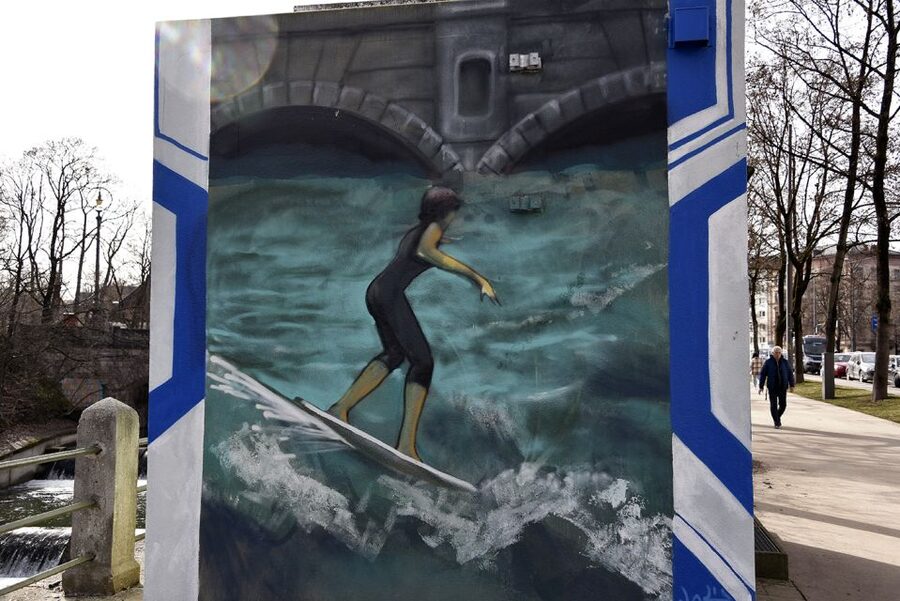
Reviewed · STREET ART & ALTERNATIVE TOURS
Munich: Street Art Bike Tour
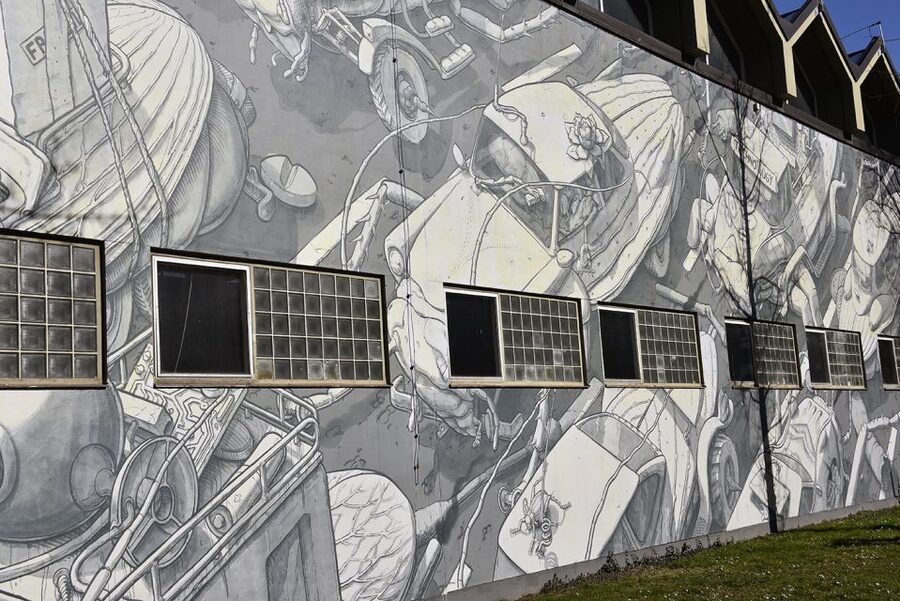
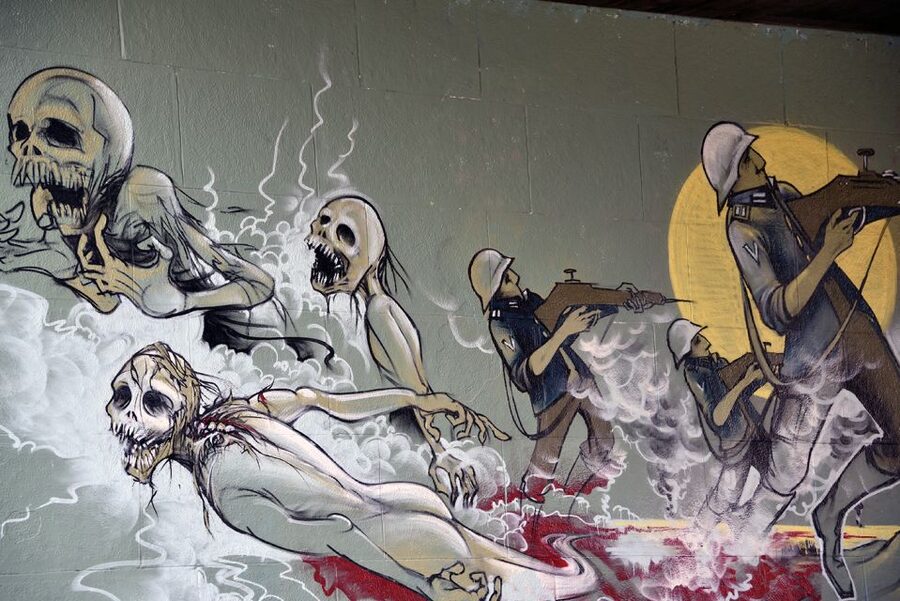
Munich helped launch Germany’s graffiti movement in the 1980s, a surprising fact in a city better known for tidy squares, grand palaces, and polished beer halls. This 210-minute bike tour shows you the city’s rougher, more creative side, with works by early graffiti artists and newer names.
I like the route for two reasons: you ride beside the Isar, where artists have claimed public walls and bridges, and you reach Giesing and the slaughterhouse district, areas most sightseeing routes skip. The bikes also let you cover far more ground than a walking tour.
The main drawback is the format. The tour is offered in German, lasts three and a half hours, and includes a fair amount of cycling. Children under 10 and wheelchair users cannot join, and even a 12-year-old may find the length demanding.
In This Review
- Key points at a glance
- Why Munich is an unexpected graffiti city
- Starting at Marienplatz
- Following the Isar to Munich’s painted walls
- Giesing, a former working-class neighborhood
- The slaughterhouse district and a break by the railway bridge
- Meeting guides such as Ulrike
- How much cycling should you expect?
- Is $40 a fair price?
- Tips for getting the most from the ride
- Who should book the Munich Street Art Bike Tour?
- FAQ
- Where does the Munich Street Art Bike Tour meet?
- How long does the tour last?
- How much does the tour cost?
- Is a bike included?
- What language is the tour offered in?
- Can I book a private group?
- Which parts of Munich does the tour visit?
- Is the tour suitable for children?
- Is the tour wheelchair accessible?
Key points at a glance
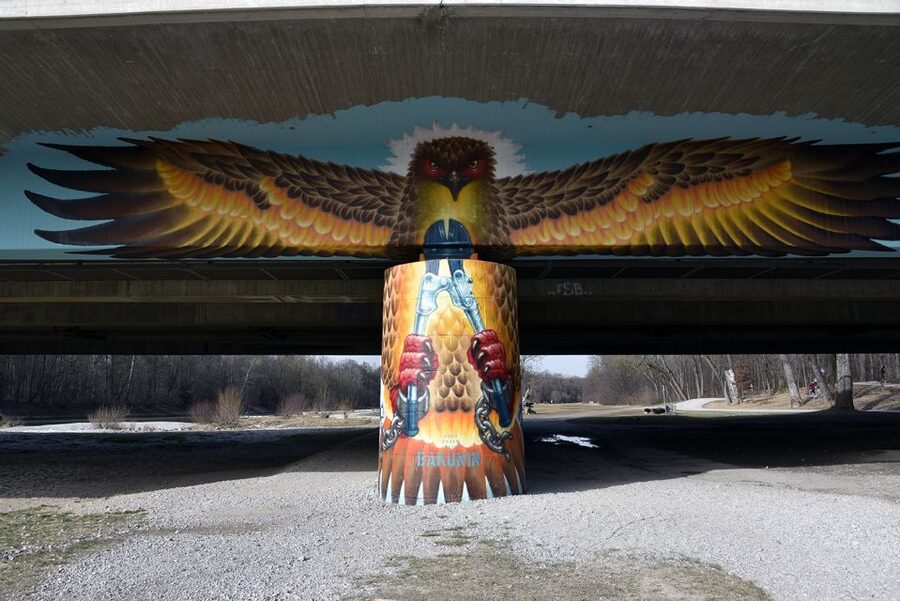
- Graffiti began early in Munich: Learn how the city became a German center for graffiti in the 1980s, alongside New York.
- The Isar adds a natural setting: Ride along the river to see art placed near bridges and public spaces.
- Giesing takes you off the usual route: Visit a former working-class district with a very different feel from central Munich.
- The route reaches the slaughterhouse district: This gives you another look at the city’s working side and its newer creative activity.
- Ulrike is a possible guide: She has led tours in German and made a strong effort to explain the scene to English-speaking families.
- A private group is available: That may suit you if you want a more personal pace or have a small group of friends.
Why Munich is an unexpected graffiti city
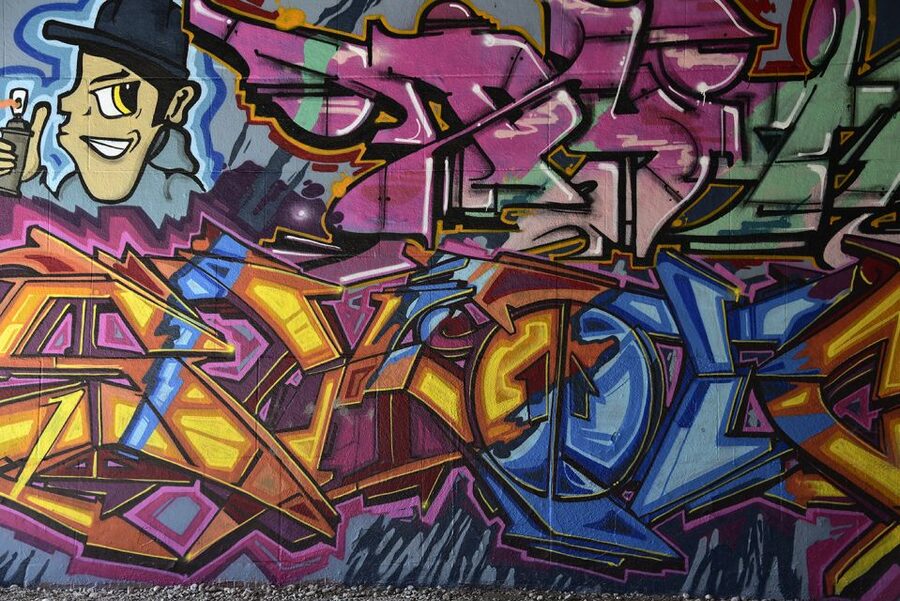
At first glance, Munich seems an unlikely place for a street art tour. The center is orderly, elegant, and carefully maintained. Yet the city played an important part in the early German graffiti movement during the 1980s, when spray-painted lettering and large wall pieces were spreading beyond New York.
That contrast gives the tour its basic appeal. You are not simply looking at colorful walls. You are learning how an art form that was once treated as vandalism became part of Munich’s cultural identity.
The guide explains the development of graffiti and points out the work of older artists who shaped the local scene. You also see pieces by newer artists, so the tour connects the city’s early period with its current street art. The result is more useful than a simple list of murals. You get a sense of how styles, locations, and attitudes have changed.
I would not book this tour expecting a museum-like presentation. Street art changes. Paint fades, buildings are altered, and some works may no longer look exactly as they did when the route was planned. The value comes from the guide’s commentary and from seeing art in the places where it was made, rather than from a fixed exhibition.
More Bike Tours in Munich
- Munich 3-Hour Guided Bike Tour
★ 4.5 · 1,731 reviews - Classic Mike’s Bike Tour daily @ 11.30 incl Beer Garden & Surfers
★ 5.0 · 1,246 reviews - Munich Small-Group Bike Tour
★ 4.5 · 510 reviews
Starting at Marienplatz
The meeting point is in front of the Tourist Information Office at Marienplatz. Look for the guide holding a yellow street art tour sign with red letters. This is a sensible central starting point, especially if you are already visiting the old town.
Marienplatz is also a useful place to arrive early. You can find the meeting point without hunting through a side street, then begin the ride from one of Munich’s best-known public squares. After that, the tour moves away from the postcard center.
Your rental bike is included, as is the guide. That keeps the booking simple. You do not need to arrange a separate bike hire before arriving, and you avoid spending the first part of the tour working out a route through unfamiliar neighborhoods.
The bikes matter because the art is spread across the city. A walking tour would need to stay close to the center or spend much of its time getting from one area to another. On a bike, the route can connect the river, Giesing, and the slaughterhouse district in one outing.
Following the Isar to Munich’s painted walls
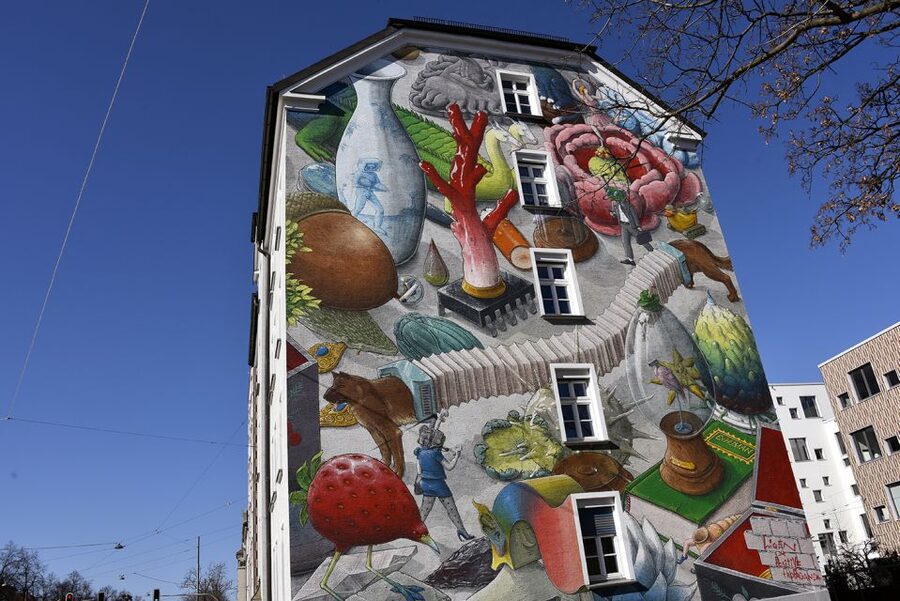
One of the most appealing parts of the route is the ride along the Isar. The river offers a change from busy city streets and creates a natural line through the tour. Along the way, you see places where artists have left their mark near bridges and other public structures.
The river setting also helps you look at graffiti in a different way. A large piece beside water, rail infrastructure, or a bridge does not feel like the same thing as a small work on a central commercial street. The surroundings become part of how you read the art.
Your guide points out significant works and explains who made them and why they matter to Munich’s scene. Since the tour includes both older artists and newer names, you should expect some variety in scale and style. The route is not built around one famous mural alone.
I like this part for its balance. You get art, a bike ride, and a side of Munich that is less formal than the old town. If you want nonstop stops every few minutes, the cycling between works may feel slow. If you enjoy connecting sights across a city, the movement is part of the experience.
Giesing, a former working-class neighborhood
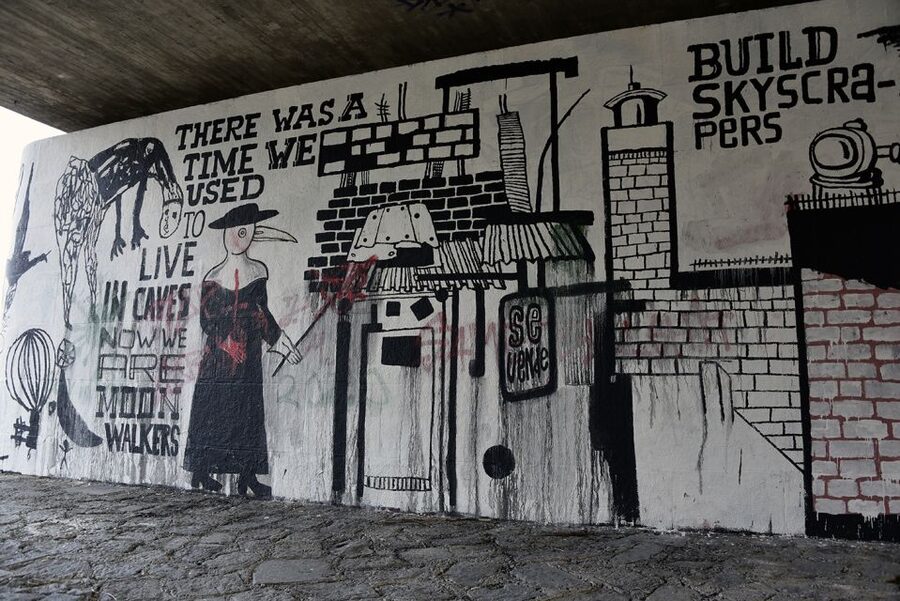
The ride continues to Giesing, a former working-class neighborhood south of the center. This is one of the tour’s strongest features because it shifts your attention away from Munich’s grand central image.
Giesing gives the tour a local feel. Instead of moving from one major attraction to another, you see an area shaped by everyday urban life and public art. The guide’s explanations help you understand why particular walls and streets matter to artists.
You should expect the tour to spend time looking closely at works rather than simply passing them. That means listening, asking questions, and taking in details that may be easy to miss from a taxi or tram. The bike lets you reach the district, but the real point is the interpretation once you arrive.
This section may be especially useful if you have already seen Munich’s central sights. It adds a different layer to a short city visit without requiring a separate day trip. You are still close enough to the center for the route to fit into a normal sightseeing schedule, yet the setting feels removed from the main tourist circuit.
More street art & alternative tours in Munich:
- Berlin: City Street Art Guided Walking Tour
★ 4.8 · 886 reviews - Berlin: 3-Hour Street Art Tour
★ 4.7 · 778 reviews - Berlin Street Art Walking Tour – Off The Grid
★ 5.0 · 270 reviews - Dresden: Neustadt District Street Art Guided Walking Tour
★ 4.4 · 267 reviews
The slaughterhouse district and a break by the railway bridge
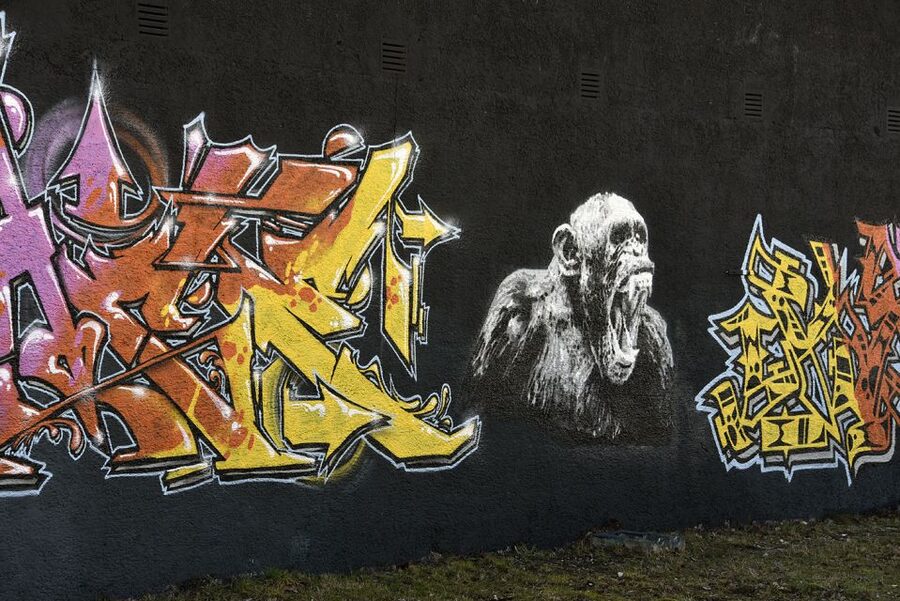
From Giesing, the route heads toward the slaughterhouse district. This continues the tour’s focus on Munich’s working and industrial side. It is a good counterpoint to the historic buildings around Marienplatz and helps explain why street art often appears in places connected with transport, commerce, and older infrastructure.
At the district, the tour includes a break on a boat near a railway bridge. That is an unusual pause, and it gives you time to rest after the cycling while taking in another setting for the art. The combination of boat, bridge, rail line, and painted walls should appeal to anyone who likes the rough edges of a city.
The break also matters practically. Three and a half hours on a bike is a substantial outing, especially if you are not used to cycling during sightseeing. A pause gives you a chance to catch your breath and pay attention to the guide without feeling as if you must keep moving.
The exact pace can vary with the group, the weather, and the guide. One rainy outing became a private tour for the people booked that day, which shows how conditions can affect the group arrangement. Do not count on that result, but do remember that weather can change the feel of an outdoor art tour.
Meeting guides such as Ulrike
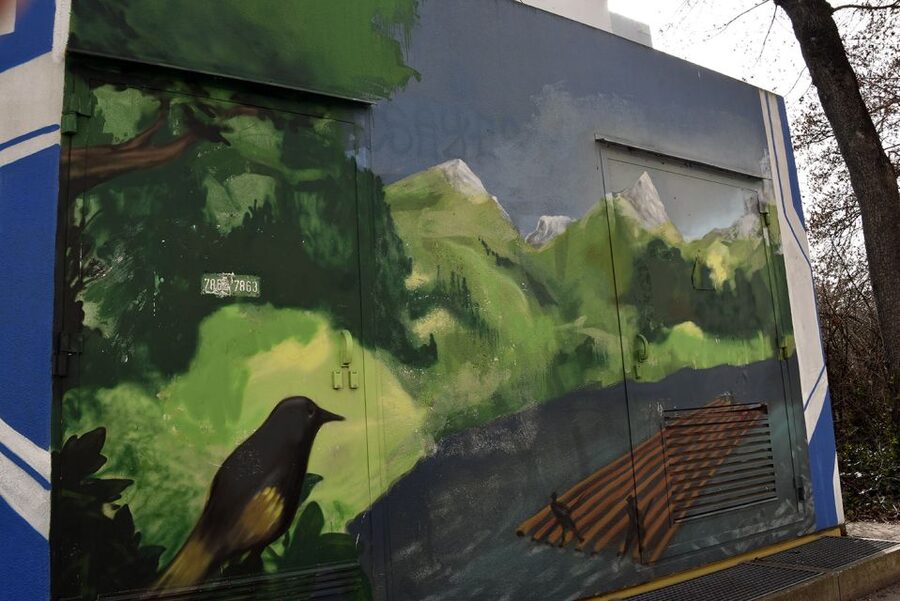
The tour is conducted in German. That is important to know before booking, since the guide’s explanations are a major part of the experience.
Ulrike has led this route and made a strong effort to explain the material to English-speaking participants. She was described as friendly, patient, and willing to spend time helping a family follow the tour despite the language difference. If Ulrike is assigned to your date, English speakers may be able to follow more than the official language information suggests, but you should not assume the tour will be bilingual.
The guide’s role is especially important here because street art does not always explain itself. A large image may catch your eye, but the date, artist, local context, and connection to Munich’s graffiti movement give it more meaning. A good guide turns a ride past painted walls into a story about the city.
The German-only format will suit you best if you understand German comfortably. If you do not, you can still enjoy the sights, but you may miss much of the background that makes the tour worthwhile. English-speaking groups should ask about language availability before booking rather than rely on one guide’s extra effort.
A private group is available. That can be useful if you are traveling with friends or family and want a more direct exchange with the guide. It may also make it easier to set a comfortable pace, although the supplied information does not promise a customized route or a different language.
How much cycling should you expect?
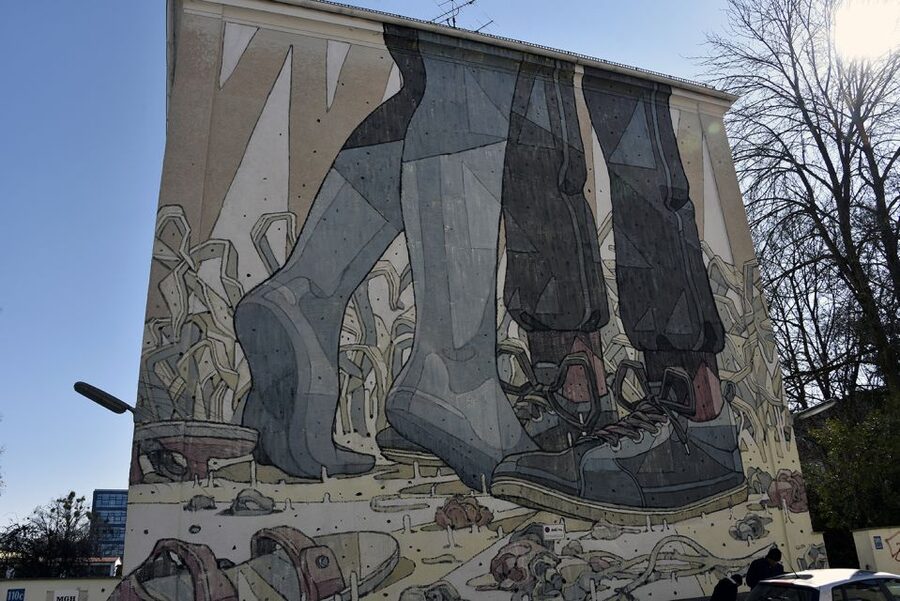
The stated duration is 210 minutes, or three and a half hours. This is long enough to feel like a proper city outing, not a quick introduction. You have time to reach several districts, stop at numerous works, hear about the graffiti movement, and take a break by the railway bridge.
The cycling itself is part of the sightseeing, but it is also the main physical consideration. The tour is not suitable for children under 10, and a 12-year-old may find the length tiring. One family with boys aged 10 and 12 enjoyed the activity, while the older child in another group found it too long. That tells you the experience depends on fitness, interest, and patience.
I would choose this tour for older children who already enjoy cycling and art. For younger children, the combination of city riding, listening, and repeated stops may be too much. Adults who want a relaxed, short ride should also look carefully at the three-and-a-half-hour commitment.
The supplied bikes make the logistics easier, but the information does not specify bike styles, sizes, helmets, or electric-bike availability. If those details matter to you, ask before booking. Wheelchair users cannot join because the tour depends on cycling.
Is $40 a fair price?
At $40 per person, the tour sits in a reasonable range for a guided activity lasting 210 minutes. The price includes both the guide and the rental bike, so you are paying for transportation between districts as well as interpretation.
The value is strongest if you want to see parts of Munich that you would not reach on your own. Hiring a bike separately would give you mobility, but not the route planning or the explanation of why certain pieces matter. A normal city sightseeing tour may show you famous buildings, but it is unlikely to include Giesing, the Isar art sites, and the slaughterhouse district in this way.
The price is less appealing if you mainly want to take photographs of a few murals or if you already know Munich’s graffiti scene. In that case, you may prefer to rent a bike and explore at your own pace, though you would give up the guide’s local context.
The 4.6 rating from 66 reviews supports the idea that the tour usually delivers a good experience. The most consistent strengths are the range of stops, the friendly guiding, the comfortable rental bikes, and the chance to see parts of Munich outside the center. Those qualities explain the price better than the length alone.
Tips for getting the most from the ride
Arrive at Marienplatz with enough time to find the Tourist Information Office and the yellow sign with red lettering. The meeting point is central, but Marienplatz can be busy, so last-minute searching is not ideal.
Think of the tour as an active cultural outing, not just a photo stop. Listen for the story of Munich’s 1980s graffiti movement, compare the work of early artists with newer creators, and notice how the Isar, railway bridge, and working districts affect the art around them.
If German is not your first language, ask about the guide before you commit. Ulrike’s patience helped English-speaking families, but the official tour language remains German.
Give yourself enough time for the full route. The ride to Giesing, the slaughterhouse district, and the river stops are what make the tour distinctive. Leaving early would mean missing the very parts that separate it from a central walking tour.
Finally, keep the weather in mind. This is an outdoor experience with cycling and riverside stops. Rain may alter the group size or atmosphere, even if the tour still operates.
Who should book the Munich Street Art Bike Tour?
Book this if you want a less polished, more local view of Munich, enjoy cycling, and like hearing the background behind public art. It suits adults, older children, and anyone who has already seen the main old-town sights and wants to explore farther out.
It is also a good choice for people who prefer a guide to a self-guided art hunt. The route covers several districts, and the historical explanation gives the ride a clear purpose.
Think twice if you need an English-language tour, use a wheelchair, have children under 10, or dislike long outdoor activities. For everyone else, $40 buys a well-rounded half-day experience: a rental bike, a German-speaking guide, Munich’s graffiti story, the Isar, Giesing, and a stop near the railway bridge. That is a fair deal for an unusual look at the city.
FAQ
Where does the Munich Street Art Bike Tour meet?
Meet in front of the Tourist Information Office at Marienplatz. The guide holds a yellow street art tour sign with red letters.
How long does the tour last?
The tour lasts 210 minutes, or three and a half hours.
How much does the tour cost?
The listed price is $40 per person.
Is a bike included?
Yes. Rental bikes are included in the activity price.
What language is the tour offered in?
The live tour guide language is German. Guide Ulrike has made an effort to explain the tour to English-speaking participants, but English is not listed as the standard tour language.
Can I book a private group?
Yes. A private group option is available.
Which parts of Munich does the tour visit?
The route includes the Isar river, Giesing, and the slaughterhouse district. It also includes a break on a boat near a railway bridge.
Is the tour suitable for children?
Children under 10 cannot join. The length may also be demanding for some older children, including 12-year-olds.
Is the tour wheelchair accessible?
No. The activity is not suitable for wheelchair users because it is a bike tour.
More Street Art in Munich
- Cologne: Ehrenfeld District Street Art Walking Tour
★ 4.9 · 202 reviews - East Meets West: Berlin Food Culture & Street Art
★ 5.0 · 157 reviews - Berlin Street Art & Graffiti Walking Tour
★ 5.0 · 109 reviews - Cologne: Ehrenfeld Street Art Bike Tour
★ 4.9 · 105 reviews
More Cycling Tours in Munich
- Neuschwanstein Castle by Bus Incl. Bike Ride or Hohenschwangau
★ 5.0 · 607 reviews - Munich: Classic Guided City Tour by Bike (English Tour Only)
★ 4.7 · 534 reviews - Munich: Bike Tour with Beer Garden Break
★ 4.9 · 391 reviews - Munich: Neuschwanstein Castle by Bus with Alpine Bike Ride
★ 4.9 · 217 reviews
Just added around Munich
- Pub crawl incl. Oktoberfest museum guided tour with beer tasting (private)★ 5.0 · 5 reviews
- South Tyrolean specialties and wine tasting★ 5.0 · 5 reviews
- Size Matters Beer Tour Munich★ 4.6 · 105 reviews
- Short & sweet: Tasting the Viktualienmarkt★ 4.8 · 37 reviews
- Secret Food Tours Munich★ 4.8 · 5 reviews
- Munich: Romantic Wine Experience for Two at Viktualienmarkt★ 4.2 · 14 reviews
- Munich: Resistance against Hitler – Historical Walking Tour★ 5.0 · 5 reviews
- Residence of Munich private tour with skip the line ticket★ 5.0 · 4 reviews
Street Art & Alternative Tours, compared.

Neustadt District Street Art Guided Walking Tour
Read our review →

East Meets West: Berlin Food Culture & Street Art
Read our review →
Browse the lists this tour appears in