
Reviewed · FOOD TOURS
Culinary-historical walk through Bamberg
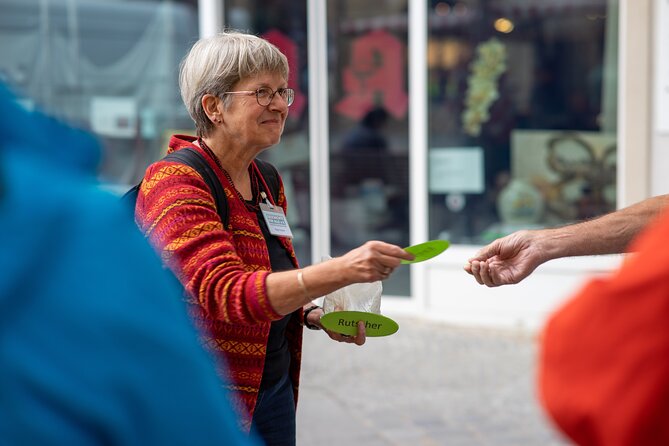
Bamberg’s food story is really a beer story. This two-hour walk links medieval eating habits, market life, fishermen’s homes, wine, and the city’s famous smoked beer, with small tastes along the way. The final stop lets you choose a beer at Eckerts Wirtshaus, giving the afternoon a proper local finish.
I like the clear historical thread and the fact that the tour moves through real Bamberg streets rather than keeping you in a classroom. I also like the mix of food samples, guessing games, scent samples, and views of the Regnitz. The main drawback is simple: this is a German-speaking tour, and a group of up to 30 can make the short stops feel less personal.
In This Review
- Key points at a glance
- Why Bamberg’s Food Story Starts With Beer
- Starting at Am Kranen With Medieval Eating Habits
- Gruner Markt Turns Market History Into a Game
- Wine, Michelsberg, and Bamberg’s Earlier Drinking Culture
- Untere Brucke and Bamberg’s Little Venice View
- Schlenkerla and the Story of Rauchbier
- Pfahlplätzchen and the Meaning of Going to the Cellar
- Finishing at Eckerts Wirtshaus With Your Choice of Beer
- How the Two-Hour Format Affects the Experience
- Language, Price, and Practical Fit
- Who Will Get the Most From This Bamberg Walk
- Should You Book the Culinary-Historical Walk?
- FAQ
- Where does the tour start?
- Where does the tour end?
- What time does the tour begin?
- How long does the experience last?
- Is the tour offered in English?
- What food and drink are included?
- How large can the group be?
- Can I cancel for a full refund?
Key points at a glance
- Bamberg’s brewing past: Learn why beer became such a major part of the city’s identity, including the story of Rauchbier.
- Seven compact stops: The route runs from Am Kranen through the old town to Eckerts Wirtshaus.
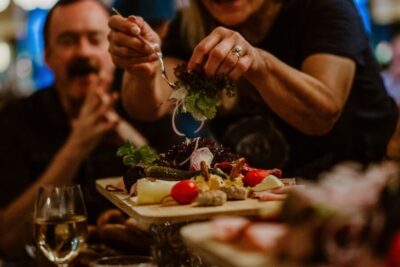
- Food built into the walk: Taste two kinds of Hörnla, plus other small samples tied to local food customs.
- History you can test: Guessing games, scent samples, and tastings keep the tour from becoming a string of lectures.
- German-language format: You need enough German to follow the guide and enjoy the wordplay.
- A beer at the finish: Your included drink at Eckerts Wirtshaus gives the tour a relaxed final stop.
Why Bamberg’s Food Story Starts With Beer
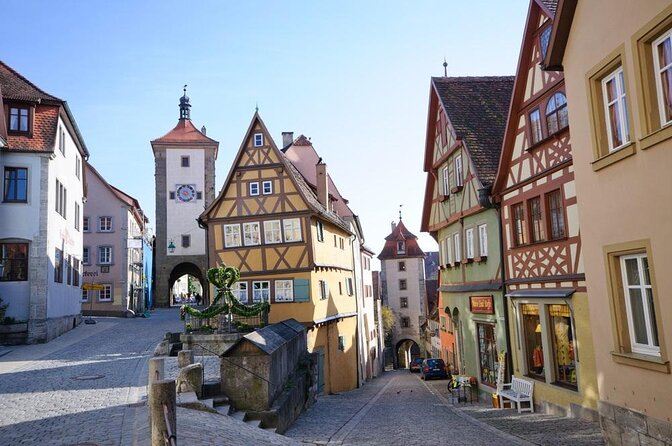
Bamberg is often described through its hills, churches, river channels, and old houses. Yet the city’s culinary identity is just as useful for understanding it. Brewing here reaches back almost 1,000 years, and beer remains tied to daily life, local work, and the city’s inns.
The opening idea is wonderfully direct: Bamberg has two branches of the Regnitz, but beer is the third stream. That line sets the tone for the walk. You are not simply looking at old buildings. You are asking what people ate, drank, bought, and produced in those buildings.
The route also corrects an easy assumption. Bamberg is famous for beer now, but during the Middle Ages it was a wine town. A stop near Igor Mitoraj’s Centurione I gives you a view toward the monastery on Michelsberg while the guide explains that earlier drinking culture.
That change from wine town to beer town gives the experience more shape than a basic brewery visit. You get a sense of how local habits can change over centuries, even when the streets and river remain.
More food tours in Bamberg:
- Bamberg: Guided Historical Culinary Tour
★ 4.6 · 461 reviews - Hamburg: Schanzenviertel Culinary Tour
★ 4.6 · 2,051 reviews - Hamburg: Elbphilharmonie Plaza and HafenCity Food Tour
★ 4.7 · 1,711 reviews
Starting at Am Kranen With Medieval Eating Habits
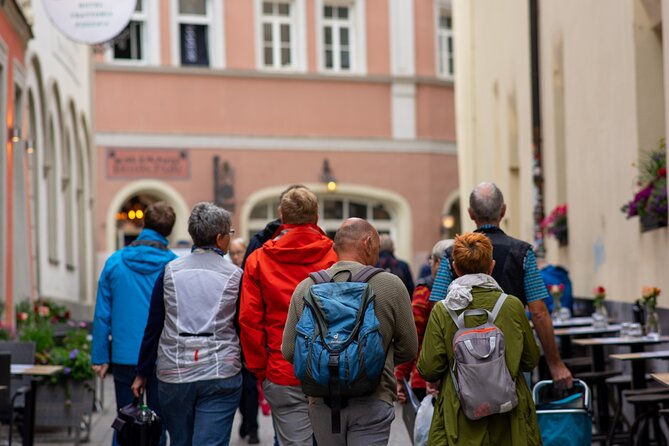
The meeting point is Alter Schlachthof at Am Kranen 1. The walk begins at 4 pm, a useful time for anyone who has spent the day visiting Bamberg’s sights and wants to shift into an evening food experience.
Here, the guide introduces eating habits in the Middle Ages. The first taste focuses on meat, reminding you that food customs were shaped by more than flavor. Meat consumption had a major place in the period, and the tasting gives the history a physical connection.
This is one of the better ways to begin a food tour. You are not asked to remember a list of dates before tasting anything. You receive a sample, hear the background, and connect the two.
The stop lasts about 10 minutes. That keeps the pace moving, but it also means the guide cannot offer a long lecture. If you enjoy short explanations with food attached, the format should work well. If you want detailed medieval cooking instructions or a full meal, this is not that kind of tour.
Gruner Markt Turns Market History Into a Game
At Gruner Markt, the focus shifts from the dinner table to the market. Bamberg’s weekly market has a long history and remains one of the city’s key food settings.
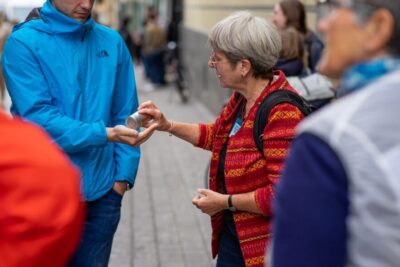
The guide uses guessing games and scent samples here. These small tasks matter because they make you pay attention to food in a different way. Instead of hearing only what people bought, you get a chance to identify or compare something through smell and deduction.
You should expect this to be a short, lively pause rather than a market shopping session. The tour does not promise time to browse stalls or buy ingredients. Its purpose is to show how a market shaped city life and to give you a sensory way into that story.
I like this stop for families and for anyone who gets restless during long historical talks. The game format also gives the German-language guide a practical advantage. Even if you miss a word, the objects, smells, and group activity can help you follow the point.
Wine, Michelsberg, and Bamberg’s Earlier Drinking Culture
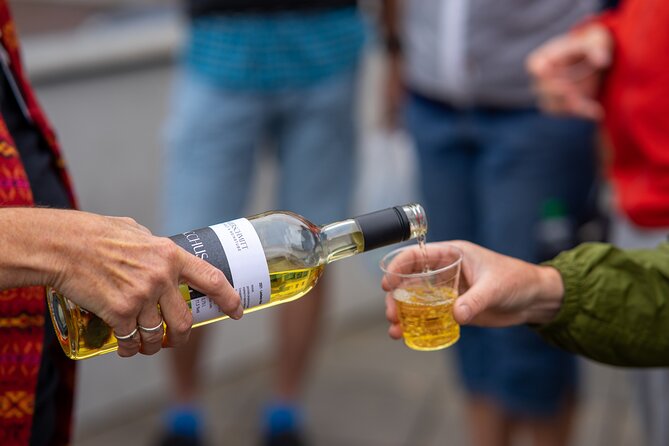
Near the statue Centurione I by Igor Mitoraj, you look toward the monastery on Michelsberg. This is where the tour tackles one of Bamberg’s most interesting food reversals: the city was once known as a wine town, not only a beer town.
The stop is described as something you can test yourself, using the view toward the monastery as part of the explanation. The important point is not simply that wine existed here. It is that Bamberg’s present-day beer image is the result of a longer story.
Because the stop lasts around 10 minutes, you will get a concise explanation rather than a full account of medieval vineyards, trade, or production. Still, this brief pause adds balance. Without it, the tour could turn into a single-minded celebration of beer. With it, you see that local taste and local industry changed over time.
The statue and the view also give the walk a visual pause. You are not tasting at every stop. Some sections use architecture, art, and city views to explain food culture.
A few more Bamberg trips to weigh up
- Bamberg: Guided Beer History Tour with Optional Tasting
★ 4.6 · 772 reviews - Leipzig: City History Canal Sightseeing Tour on a Motorboat
★ 4.7 · 6,232 reviews - Berlin: Natural History Museum Entrance Ticket
★ 4.6 · 3,382 reviews - Leipzig: 1.5-Hour Historical Walking Tour in German
★ 4.7 · 2,217 reviews
Untere Brucke and Bamberg’s Little Venice View
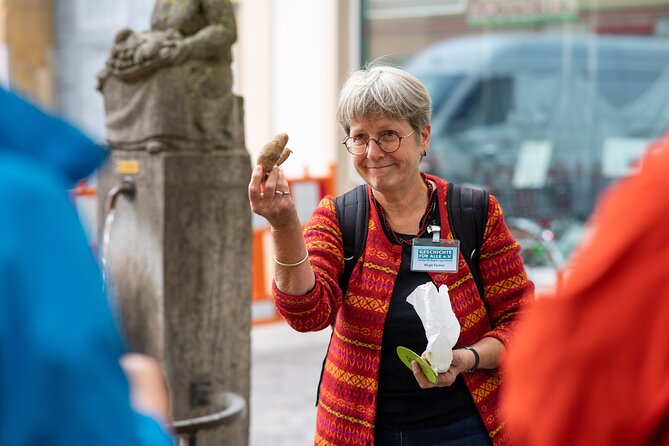
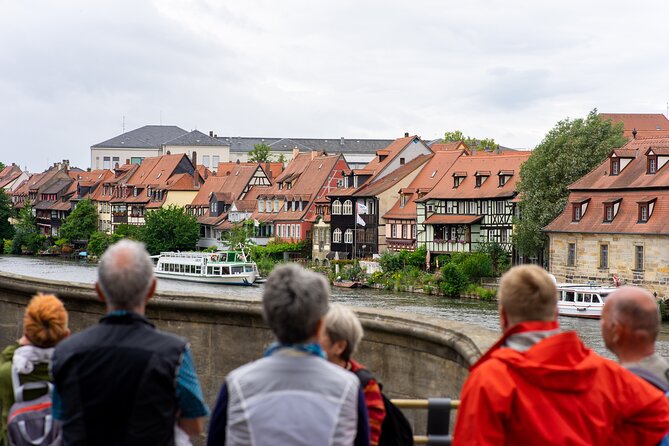
At Untere Brucke, the tour turns toward the Regnitz and the old fishermen’s houses. This is the place to understand why Bamberg is sometimes called Little Venice.
The 17th-century fishermen’s homes frame stories about the river as a lifeline. That word is important. The Regnitz was not just scenery. It connected work, transport, fishing, and the practical life of the city.
This stop gives the walk a welcome change of pace. After medieval food and market customs, you get a water-level view of the city’s working past. The houses make the story easier to picture, especially if you take a moment to look beyond the bridge and notice how closely the old buildings relate to the river.
The tour does not promise a boat ride or a long riverside break. You are seeing the river as part of the walking route. That keeps the experience focused, but you may want to return later if you want photographs or a slower look at the fishermen’s quarter.
Schlenkerla and the Story of Rauchbier
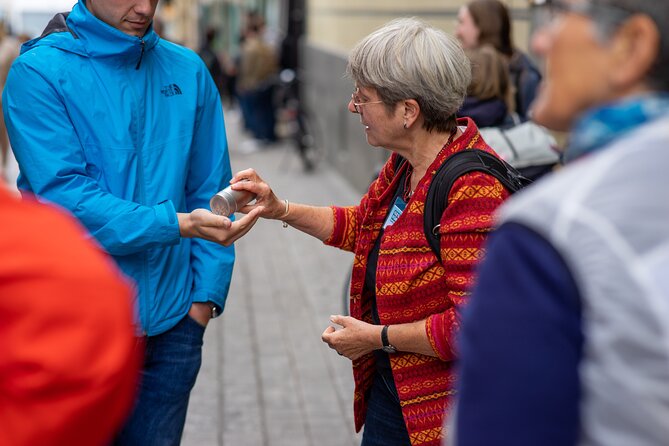
The stop outside Schlenkerla, the historic Rauchbier brewery, is likely to be the main attraction for beer fans. Bamberg’s brewing tradition is presented here through the history of smoked beer, a style closely linked with the city.
The guide explains how Bamberg developed its brewing art and why Schlenkerla matters within that story. The brewery itself provides a strong visual anchor. You are looking at a real historic brewing address, not a generic restaurant chosen only for convenience.
The stop is still about 10 minutes, so keep your expectations in check. You are not promised a brewery tour, a production-room visit, or a full tasting flight at Schlenkerla. The emphasis is on the history and the setting.
If you already know Rauchbier, this section should add local context. If the style is new to you, it prepares you for the beer culture that comes at the end. Smoked beer can be a sharp first taste, so learning why it developed gives your final drink more meaning.
Pfahlplätzchen and the Meaning of Going to the Cellar
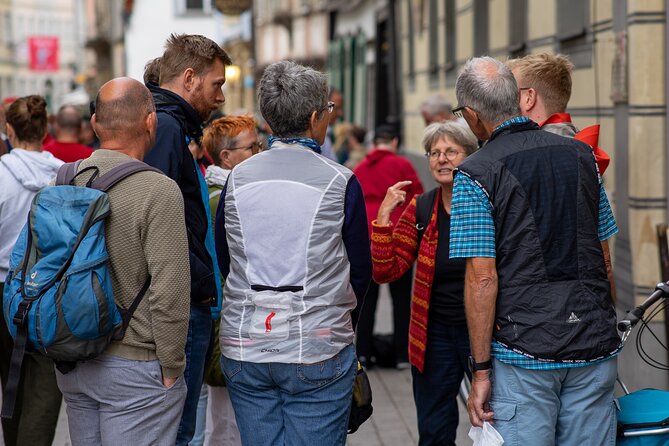
At Pfahlplätzchen, another delicious taste strengthens the group before the final stretch. The guide connects it with the saying go to the cellar, a phrase that points toward Bamberg’s old beer-cellar culture.
The exact sample is not specified, so you should treat this as a small local taste rather than a promised dish. The phrase itself is the useful part. Beer was stored and served in cellars, and the language of going downstairs became part of the city’s drinking life.
This stop also shows why the experience works better as a walk than as a single seated tasting. You are moving through places where food and drink belonged: the market, the river, the brewery, the square, and finally the inn.
The short timing keeps the afternoon from becoming heavy. You will receive several tastes, but this is not designed as a replacement for dinner. Plan to eat later or use the final inn stop as part of your evening meal if you want something more substantial.
Finishing at Eckerts Wirtshaus With Your Choice of Beer
The last stop is Eckerts Wirtshaus at Obere Mühlbrücke 9. Here, the group reaches a classic Bamberg inn, and each person can choose a beer.
This included beer is the clearest value point in the booking. At a price of $28.92 per person, you are paying for a two-hour guided walk, the food tastes, the historical interpretation, and a drink at a traditional local venue. A single beer does not make the price cheap on its own, but the combination is fair for an experience that also gives you orientation around Bamberg.
The ending is especially useful because you can compare what you have heard with what is in your glass. The guide has explained the city’s brewing culture, introduced Rauchbier, and described the move from wine to beer. Now you make your own choice and taste Bamberg’s beer culture directly.
One previous participant described the young male guide as presenting plenty of useful and tasty information, then praised the final venue. That matches the design of the walk: the closing inn is not an afterthought. It is where the history becomes a relaxed social moment.
Do not expect a private table or a large meal to be included. The supplied details promise a beer of your choice, not a full dinner. If you are hungry, use the location as a starting point for an evening meal, but confirm any additional food costs yourself.
How the Two-Hour Format Affects the Experience
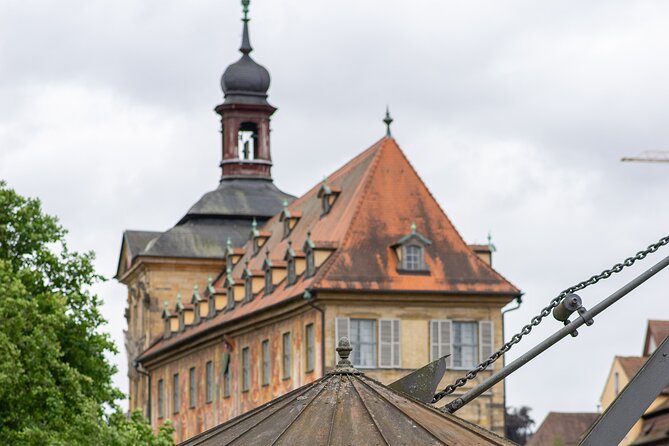
Seven stops are listed, each with about 10 minutes of attention. The route also includes the time needed to walk between them, which brings the total to roughly two hours.
That pacing is a strength if you want a compact introduction. You will cover several parts of Bamberg without giving up an entire evening. The 4 pm start also lets you continue naturally into dinner or more beer afterward.
The tradeoff is depth. Ten minutes at each stop leaves room for a sharp story, a taste, or a view, but not all three in great detail. I would choose this walk for a first look at Bamberg’s culinary past, not as a specialist brewing seminar.
The maximum group size is 30. That is manageable for a walking route, though it is not an intimate private tour. You may need to stay close to the guide, especially at the bridge, market, and brewery stops.
Language, Price, and Practical Fit
This is a German-speaking tour. That fact should guide your decision more than the low price. If you understand conversational German, you can enjoy the explanations, games, and local wordplay. If you do not, the route and tastings may still be pleasant, but much of the experience will be harder to follow.
The mobile ticket makes entry simple, and confirmation arrives when you book. The meeting and ending points are both in central Bamberg locations, and the experience is near public transportation. The supplied information says most people can participate, and service animals are allowed.
Free cancellation is available if you cancel at least 24 hours before the 4 pm start time. Changes or cancellations made inside that window are not accepted for a refund.
The tour is booked, on average, 32 days ahead. That does not mean every date sells out, but it is a useful warning if your Bamberg visit has fixed dates. A group limit of 30 and a set German-language departure can make last-minute planning less flexible.
Who Will Get the Most From This Bamberg Walk
I would recommend it to you if you want history tied to food, especially if beer is part of your reason for visiting Bamberg. It also suits anyone who prefers a moving tour with several short stops instead of a long museum explanation.
You will get the most from it if you:
- Understand German well enough to follow a guided talk.
- Like tasting small portions rather than sitting down for a full meal.
- Want an introduction to Bamberg’s beer culture before choosing where to drink later.
- Enjoy local stories about markets, rivers, old houses, and changing food habits.
- Have about two hours free from 4 pm onward.
I would be more cautious if you want a brewery production tour, a full dinner, a private guide, or detailed English-language interpretation. The experience offers tastings and brewery history, but it does not promise access to brewing rooms or a meal.
Should You Book the Culinary-Historical Walk?
Book it if you want an affordable, focused introduction to Bamberg through beer and food. The best parts are the unusual range of subjects, from medieval meat customs to the city’s former wine identity, and the final beer at Eckerts Wirtshaus.
Skip it if the German-language format will block the stories, or if you mainly want a long tasting session. For the right audience, $28.92 is a sensible price for two hours of guided history, several small tastes, and a drink in a classic inn. The 4.1 rating from seven posted scores suggests a generally positive but not flawless record, so choose it for its strong concept and practical value, not because it promises a perfect experience for everyone.
FAQ
Where does the tour start?
It starts at Alter Schlachthof, Am Kranen 1, 96047 Bamberg, Germany.
Where does the tour end?
It ends at Eckerts Wirtshaus, Obere Mühlbrücke 9, 96049 Bamberg, Germany.
What time does the tour begin?
The tour starts at 4 pm.
How long does the experience last?
It lasts approximately two hours.
Is the tour offered in English?
No. This is a German-speaking tour.
What food and drink are included?
The walk includes several tastes, including two types of Hörnla, and ends with a beer of your choice at Eckerts Wirtshaus.
How large can the group be?
The maximum group size is 30 people.
Can I cancel for a full refund?
Yes, if you cancel at least 24 hours before the experience start time. Cancellations or changes made less than 24 hours before the start are not refunded.
More Walking Tours in Bamberg
- Bamberg: Guided Walking Tour
★ 4.6 · 3,202 reviews - Bamberg: City Highlights Walking Tour
★ 4.6 · 679 reviews - Bamberg: Private Guided Walking Tour
★ 4.8 · 90 reviews - Bamberg Free Walking Tour
★ 4.7 · 84 reviews
Just added around Bamberg
- Bayreuth Scavenger Hunt and Sights Self-Guided Tour★ 5.0 · 7 reviews
- Private Guided Walking Tour of Bayreuth With A Professional Guide★ 5.0 · 3 reviews
- Bamberg Private Walking Tour With A Professional Guide★ 4.5 · 27 reviews
- Bamberg Countryside Breweries Beer Hike Food Experience★ 5.0 · 27 reviews
- Outdoor Escape Game with puzzle backpack Bamberg: The Secret of the Horseman★ 4.7 · 39 reviews
- Witch Trials in Bamberg★ 4.4 · 187 reviews
- Bamberg: Immersive Medieval Tour★ 4.7 · 232 reviews
- Bamberg: Private Guided Walking Tour★ 4.8 · 90 reviews
Food Tours, compared.

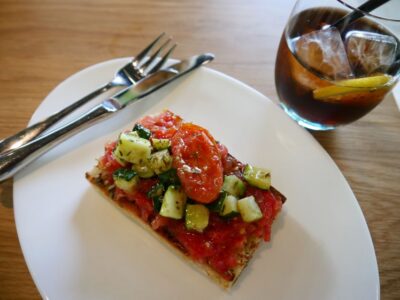
Elbphilharmonie Plaza and HafenCity Food Tour
Read our review →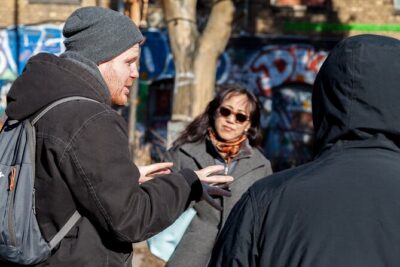
Berlin Center Food Tour with 8+ Authentic Local Tastings
Read our review →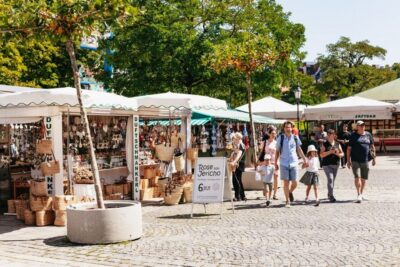
Beer and Food Tour with Dinner & Oktoberfest Museum
Read our review →

Browse the lists this tour appears in