
Reviewed · BAMBERG TOURS
Witch Trials in Bamberg
Bamberg’s witch hunts were not a story about a few isolated women accused in secret. Men and women from every social class, even Bamberg mayors, could be pulled into the persecution. This 1.5-hour walk brings that grim chapter into the old town, using streets, courtyards, palaces, and prison sites to show how fear became a system.
I like two things here. First, the tour connects the witch trials with Bamberg’s wider civic history instead of treating them as a spooky side story. Second, the medieval Lochgefängnisse and the former Trudenhaus give the subject a clear physical setting. The main consideration is language: the live tour is in German, so you will need enough German to follow a detailed historical talk.
In This Review
- Key points to know before you book
- Why Bamberg’s witch hunts make a powerful walking tour
- Starting on Domplatz beside the Alte Hofhaltung
- From the Old Court into Bamberg’s old alleys
- Geyerswörth Palace and the civic side of the story
- The Trudenhaus and the meaning of the witch prison
- The Lochgefängnisse and the physical reality of confinement
- Ending at the Malefiz-Haus site
- What the $15 price gives you
- Timing, walking, and the feel of the experience
- Who should book this Bamberg history walk
- Booking details that matter
- Should you book Witch Trials in Bamberg?
- FAQ
- Where does the Witch Trials in Bamberg tour begin?
- How long does the tour last?
- What language is the tour in?
- How much does the tour cost?
- Is the tour wheelchair accessible?
- Can I cancel the booking?
Key points to know before you book
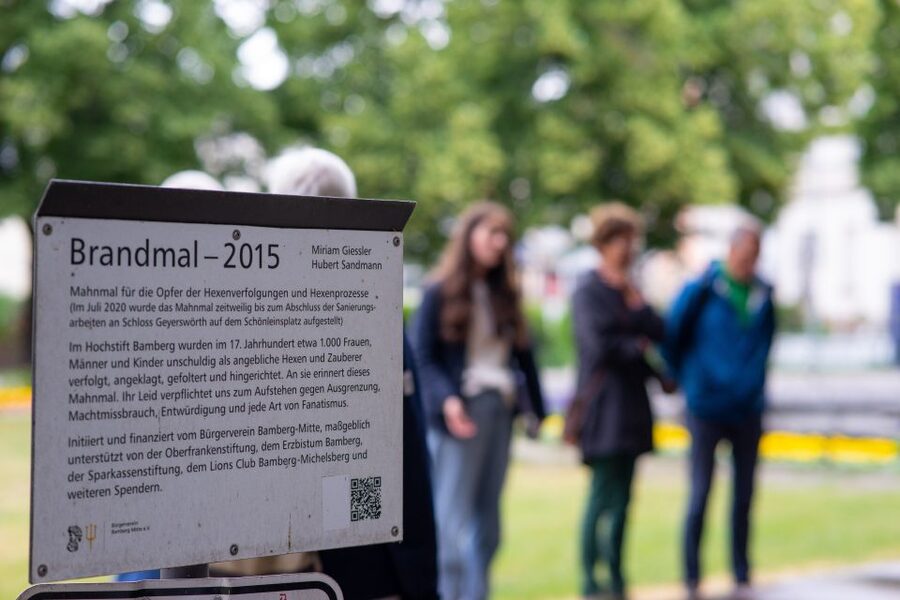
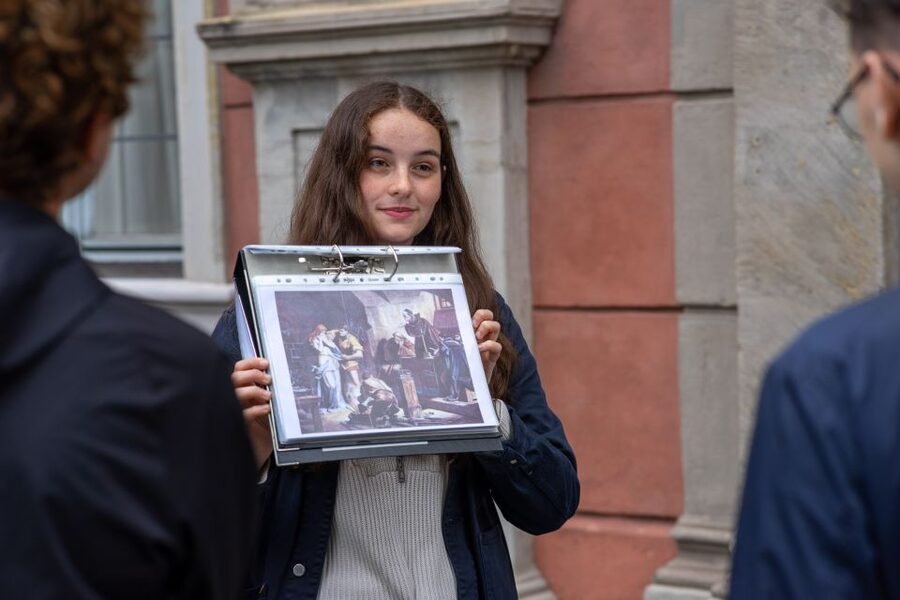
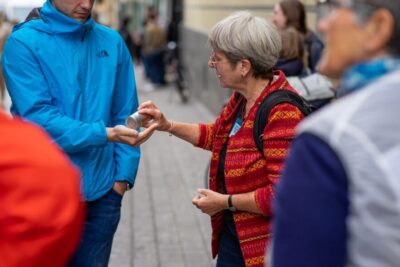
- The meeting point is easy to identify: Look for the guide with a picture folder and a name tag marked Geschichte Für Alle e.V. on Domplatz, in front of the Alte Hofhaltung.
- The tour moves through central Bamberg: You walk between the Old Court, Geyerswörth Palace, old alleys, and sites linked to the witch trials.
- The focus goes beyond folklore: You learn how accusations affected ordinary people, public officials, men, and women.
- The Trudenhaus gives the story a grim center: Anyone sent to Bamberg’s witch prison faced a frightening ordeal, and the tour explains why.
- The price is modest: At $15 per person, the walk offers a focused way to understand a difficult part of Bamberg’s past.
- German is the only listed tour language: The tour is wheelchair accessible, but the historic route may still call for attention to the walking pace and surfaces.
Why Bamberg’s witch hunts make a powerful walking tour
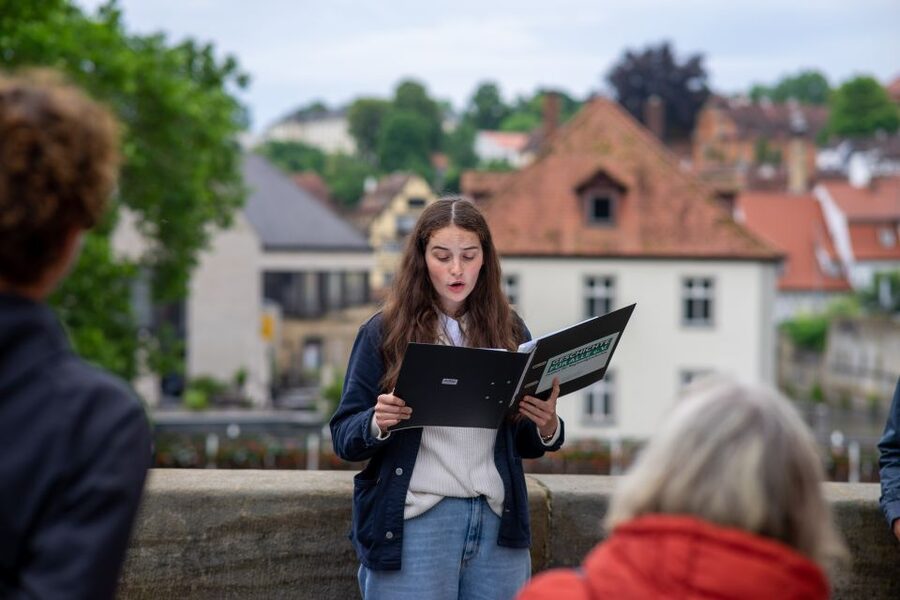
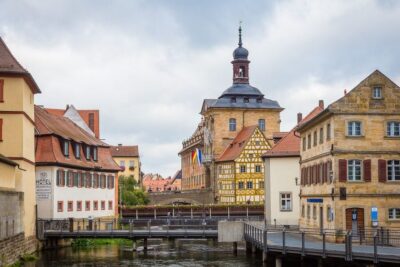
Bamberg is often introduced through its cathedral, handsome old buildings, and pleasant lanes. This walk asks you to see those same streets differently. Behind the grand civic setting is a period when accusations of witchcraft could destroy a person’s life.
The tour places the persecution in the 17th century, when hundreds of Bamberg citizens became victims. That number matters because it shifts the subject away from the familiar story of a few elderly women with supposed magical powers. The accusations reached different social classes and both genders, and public office offered no sure protection.
You also learn about the ideas and fears that shaped daily life at the time. One of the strongest aspects of the experience is its attention to how people then understood the world. A clear explanation of those beliefs helps you understand the period without excusing the cruelty carried out in its name.
The walk also deals with how Bamberg has handled this past in later years. That makes the experience more than a sequence of grim facts. You are asked to consider how a city remembers injustice, how places acquire meaning, and why historical interpretation matters in a modern town.
Other Bamberg days worth putting on the list:
- Bamberg: Guided Walking Tour
★ 4.6 · 3,202 reviews - Bamberg: Guided Beer History Tour with Optional Tasting
★ 4.6 · 772 reviews - Bamberg: City Highlights Walking Tour
★ 4.6 · 679 reviews
Starting on Domplatz beside the Alte Hofhaltung
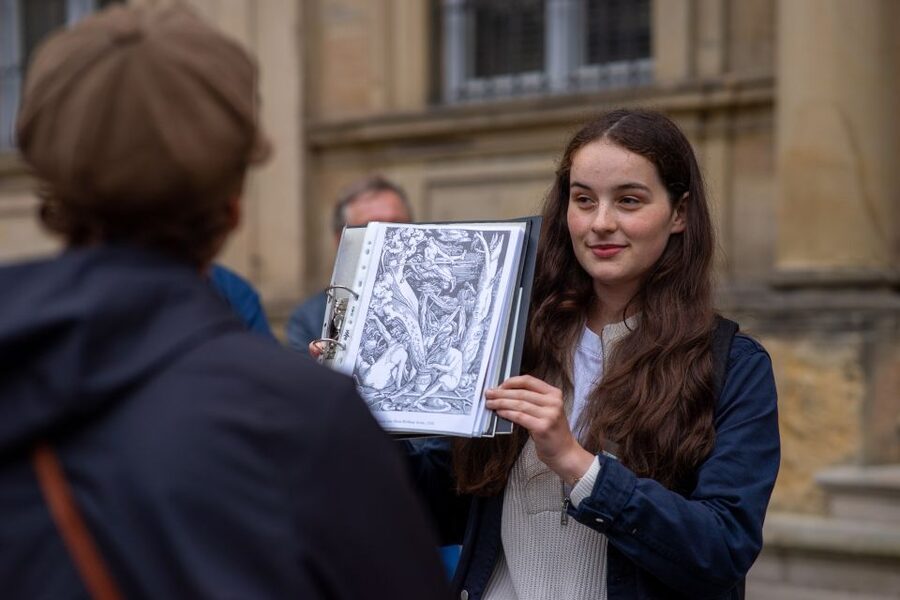
Meet your guide on Bamberg’s cathedral square, or Domplatz, in front of the entrance to the Alte Hofhaltung. This is called the Schöne Pforte in the tour route. The guide will hold a picture folder and wear a name tag identifying Geschichte Für Alle e.V., so finding the right person should be straightforward.
The location is useful for another reason. You begin among some of Bamberg’s most important historic buildings, not at a remote meeting point. If you arrive early, you are already in the old town and can take in the setting before the darker subject begins.
The opening stop is the Old Court Bamberg, or Alte Hofhaltung. Here the guide starts connecting the physical city with its political and social past. The court setting helps explain that the witch hunts were not just village superstition. They were tied to authority, institutions, accusations, and official decisions.
Do not expect a theatrical ghost walk. The appeal is the historical frame. You are there to understand how Bamberg worked and how its systems could turn suspicion into prosecution.
From the Old Court into Bamberg’s old alleys
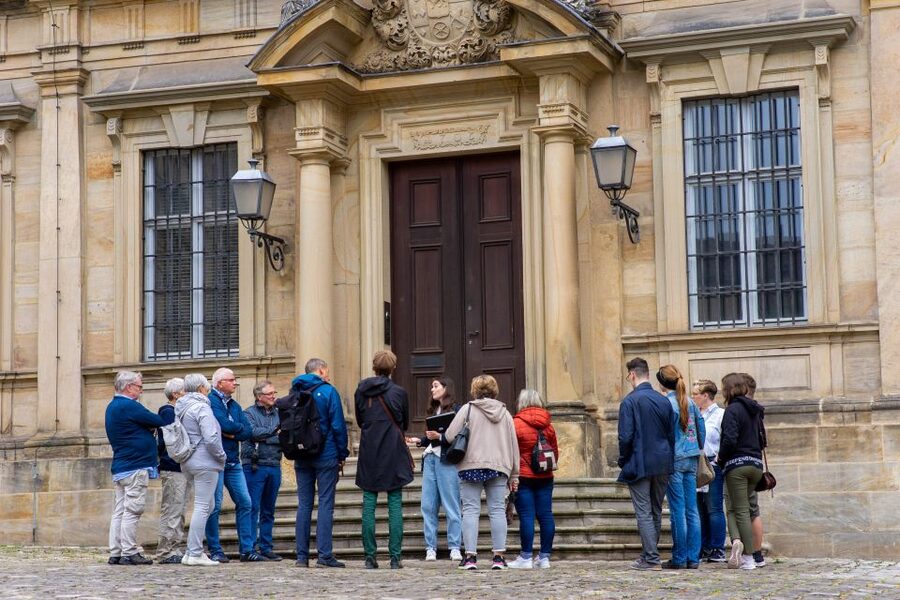
After the first guided section, the group continues on foot for about five minutes. The route then pauses at another site for more explanation, followed by a four-minute walk to Geyerswörth Palace.
These short walks are part of the experience’s value. You do not spend the entire 90 minutes in one room listening to a lecture. Instead, you move through the old town and see how the city’s spaces connect. The subject gains force when the guide can point to a place and explain its role in the story.
At the same time, the route requires attention. This is a walking tour through an old European center, not a seated museum visit. The provided details confirm wheelchair accessibility, but the route includes several walking sections, including stretches of two, four, five, and six minutes. If you use a wheelchair, contact the provider ahead of time if you need specific information about surfaces or access at each stop.
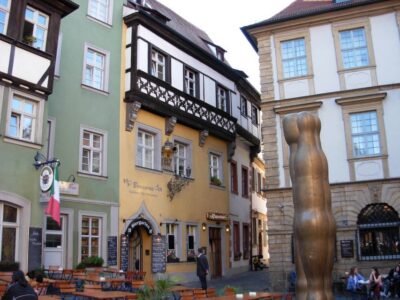
The old alleys also help you notice the city beyond its postcard views. You are not simply moving from one major monument to the next. The tour uses the spaces between them to create a sense of how accusations, arrests, and public fear could unfold within a settled urban community.
Geyerswörth Palace and the civic side of the story
Geyerswörth Palace is one of the named stops, and the guide leads a dedicated section there. Its inclusion gives the walk a change of scale. You move from the Old Court into another important civic setting, which supports the tour’s larger point: Bamberg’s witch hunt was connected with power and public life.
The experience is especially useful if you want more than a list of dates. The guide explains the city’s history alongside the persecution, allowing you to place the accusations within Bamberg’s wider development. That context can help you understand why the subject involved officials and citizens across social levels.
The tour also includes the history of witch hunts in Nuremberg. The supplied information does not give a separate Nuremberg stop, so you should treat this as part of the historical discussion rather than expect a trip outside Bamberg. It adds a broader regional angle while keeping the walk centered on Bamberg.
After Geyerswörth Palace, the route continues through more short walking sections and guided stops. The exact names of every intermediate point are not specified, so you should not expect a printed monument-by-monument checklist. The guide’s explanation is the main event.
Same city, a completely different kind of day:
- Bamberg: Guided Historical Culinary Tour
★ 4.6 · 461 reviews - Bamberg: Immersive Medieval Tour
★ 4.7 · 232 reviews - Bamberg: Private Guided Walking Tour
★ 4.8 · 90 reviews - Bamberg: Beer & Brewery Tour – 2 Hour – English & German
★ 5.0 · 87 reviews
The Trudenhaus and the meaning of the witch prison
The Trudenhaus, described as Bamberg’s witch prison, is central to the tour’s emotional weight. The key lesson is stark: anyone who ended up there was effectively lost. That detail makes the legal process feel less abstract. An accusation was not merely an unpleasant rumor. It could lead to imprisonment, interrogation, and a final outcome that offered little hope.
The tour presents the Trudenhaus as part of the long history of witch hunts in Bamberg. That wording matters. The guide is not simply pointing to an old building and attaching a frightening label. You learn how the prison fits into the city’s pattern of persecution and how people from different backgrounds could become targets.
This is also where the experience corrects popular clichés. The victims were not limited to red-haired women or elderly mothers. Men were accused, and people with public standing could be caught up in the process. If you have only encountered witch trials through films or folklore, this part of the walk offers a needed correction.
The subject is dark, and the tour does not appear designed to soften it. Still, a historical guide can make difficult material easier to understand by explaining the thinking of the time. The useful question is not simply who was accused, but how a community could accept such accusations and how institutions gave them force.
The Lochgefängnisse and the physical reality of confinement
The medieval prison called the Lochgefängnisse is another major highlight. The name itself points to a place of confinement, and the stop gives you a more direct sense of how imprisonment was used in the period.
A visit or explanation connected with a prison site changes the rhythm of the walk. You have been hearing about accusations and civic authority. Now the subject turns to the physical conditions faced by those caught in the system. Even without a long interior visit, the prison setting helps turn legal history into something you can picture.
The route’s short distances make it possible to keep this material focused. You walk for a few minutes, stop for a guided explanation, then continue. That pattern suits a subject that could become heavy if presented as one long lecture.
You should also keep your expectations realistic. The information confirms guided explanations at the named stops, but it does not promise entry to every building or a lengthy exploration inside the prison. The value lies in the guide’s interpretation of the places and their role in Bamberg’s past.
Ending at the Malefiz-Haus site
The tour finishes at the location of the Malefiz-Haus from 1627 to about 1650. This final point gives the walk a clear ending and brings together the themes introduced at the Old Court, Geyerswörth Palace, the prison sites, and the old lanes.
The name and dates provide a precise historical anchor. You finish not with a vague tale about medieval superstition, but at a marked place tied to a specific period in Bamberg’s persecution. That helps you retain the story after the tour ends.
The ending also leaves you in Bamberg’s old town, rather than returning you to a separate transport point. You can continue exploring on foot afterward, though no further route or activity is included in the tour itself.
What the $15 price gives you
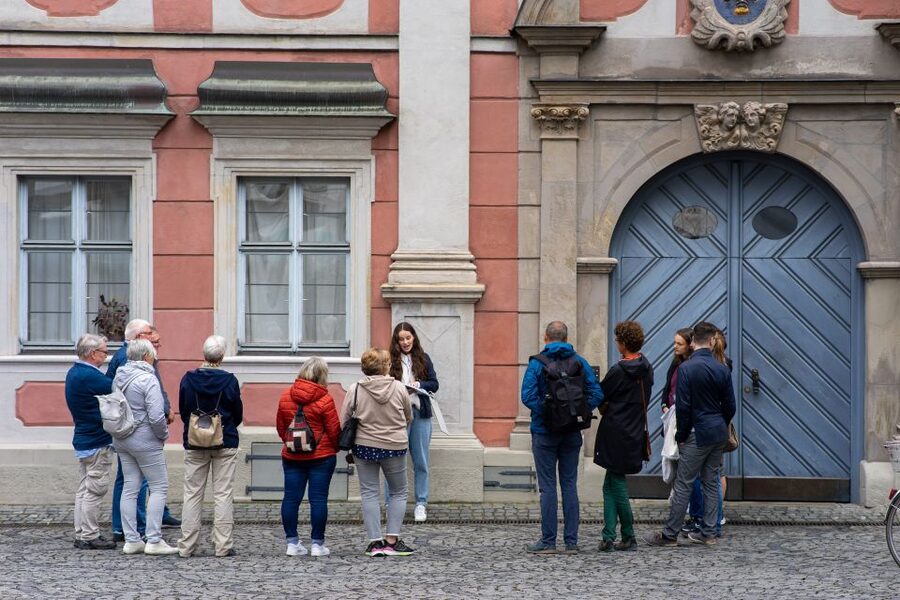
At $15 per person, this is a low-cost way to add depth to a visit to Bamberg. The fee covers a trained guide leading you through the city’s history for 1.5 hours. If you tried to piece together the same story from scattered signs and general sightseeing, you might see the buildings but miss the links between them.
The value is strongest for visitors who want a focused subject. You are not paying for a large attraction ticket, a meal, or transport. You are paying for interpretation, route planning, and access to a historical narrative that ties several central places together.
The modest price also makes the tour easy to pair with other Bamberg activities. It can work as a short historical addition to a day of sightseeing, especially if you already plan to visit the cathedral square and the old town.
The tradeoff is that the experience depends heavily on the guide and the language. The provider is Geschichte Für Alle e.V., and the guide is trained for this historical walking tour, but no individual guide names are supplied. German is the listed language, so you should book only if you can follow a German-speaking presentation comfortably.
Timing, walking, and the feel of the experience
The stated duration is 1.5 hours. That is long enough to build a coherent story, but short enough to fit into a busy day in Bamberg. The route includes several walks of two to six minutes, so you are regularly changing location rather than covering a large distance at once.
Cold weather may affect your comfort. A February tour was described as informative and engaging despite the cold, with particular value placed on the explanations of daily life and the thinking of the period. That is useful practical advice: dress for standing outdoors, since the tour takes place across the old town rather than inside one heated venue.
The tone is likely serious but not dull. Feedback describes the experience as informative, well explained, and exciting in the sense of holding attention. One person specifically noted that the guide answered questions in detail. You should feel free to ask questions if your German allows, since the guide’s ability to explain the subject is one of the tour’s main strengths.
The overall score is 4.4 from 187 ratings, which suggests broad satisfaction while leaving room for individual differences. The strongest pattern is clear: people value the information, the storytelling, and the explanation of how people in that period thought.
Who should book this Bamberg history walk
I would choose this tour if you enjoy difficult history presented in the places where it happened. It suits visitors who want to understand Bamberg beyond attractive buildings and standard sightseeing routes.
It is a good match for:
- Adults and older children who can handle a serious subject
- People interested in legal, social, and religious history
- Visitors who speak German and want a guided historical walk
- Anyone curious about how witch hunts affected more than one type of person
- Visitors who prefer a short, affordable walking experience
- People who want context for Bamberg and the wider regional history, including Nuremberg
I would think twice if you want a light, comic, or theatrical ghost tour. The supplied details point to a historical treatment of persecution, prisons, civic power, and memory. That subject may feel too grim if you are looking for cheerful sightseeing.
I would also consider the language carefully. Since German is the only listed language, the tour will be far less useful if you cannot follow spoken German. Wheelchair accessibility is listed, but you should still ask the provider about the exact route if mobility needs are important to your planning.
Booking details that matter
You can cancel up to 24 hours before the start for a full refund. The reserve-now, pay-later option lets you hold a place without paying immediately, which is useful when your Bamberg plans may shift.
For groups of 10 or more, contact Geschichte Für Alle e.V. by email at [email protected]. Bookings made through GetYourGuide do not receive invoices, and the booking confirmation serves as proof of payment.
The meeting point is Domplatz, in front of the Alte Hofhaltung. Look for the picture folder and the Geschichte Für Alle e.V. name tag. That small detail should save time in a busy square.
Should you book Witch Trials in Bamberg?
Book it if you want a serious, place-based look at one of Bamberg’s darkest periods and can follow German. For $15, the tour gives you a clear route, a trained guide, and a useful connection between the Old Court, Geyerswörth Palace, prison sites, the Trudenhaus, and the Malefiz-Haus location.
The strongest reason to go is the way the tour corrects the usual witch hunt myths. You learn that accusations reached men, women, officials, and people from different social levels. The main reason to skip it is not quality or price, but language and subject matter. If both suit you, this is a worthwhile 90-minute addition to your time in Bamberg.
FAQ
Where does the Witch Trials in Bamberg tour begin?
The meeting point is on Bamberg’s cathedral square, Domplatz, in front of the entrance to the Alte Hofhaltung. The guide holds a picture folder and wears a name tag that says Geschichte Für Alle e.V.
How long does the tour last?
The walking tour lasts 1.5 hours.
What language is the tour in?
The live guided tour is in German. German is the only language listed for the experience.
How much does the tour cost?
The price is $15 per person.
Is the tour wheelchair accessible?
Yes, the activity is listed as wheelchair accessible.
Can I cancel the booking?
Yes. You can cancel up to 24 hours in advance for a full refund. The reserve-now, pay-later option also lets you book without paying immediately.
Just added around Bamberg
- Bayreuth Scavenger Hunt and Sights Self-Guided Tour★ 5.0 · 7 reviews
- Private Guided Walking Tour of Bayreuth With A Professional Guide★ 5.0 · 3 reviews
- Bamberg Private Walking Tour With A Professional Guide★ 4.5 · 27 reviews
- Bamberg Countryside Breweries Beer Hike Food Experience★ 5.0 · 27 reviews
- Culinary-historical walk through Bamberg★ 4.0 · 7 reviews
- Outdoor Escape Game with puzzle backpack Bamberg: The Secret of the Horseman★ 4.7 · 39 reviews
- Bamberg: Immersive Medieval Tour★ 4.7 · 232 reviews
- Bamberg: Private Guided Walking Tour★ 4.8 · 90 reviews
Bamberg Tours, compared.

Browse the lists this tour appears in