
Reviewed · COLOGNE TOURS
Cologne: Southside Severinsquarter Guided Tour in German
Cologne’s Severinsquarter gives you a different city from the postcard view of the cathedral. This private walk connects Hohe Straße, Cologne’s oldest street, with medieval fortifications, old churches, breweries, pubs, and the carnival traditions that still shape local life. I like the way the route ties ordinary streets to events from 2,000 years of Cologne’s past.
I especially like two things here: the small group size, which lets you ask questions, and the local angle supplied by guide Manfred Speier, a Cologne native praised for his detailed explanations. The main drawback is simple: the tour is only in German, so you need enough German to follow a spoken history walk.
In This Review
- Key points to know before you book
- Why Severinsquarter is worth two hours
- Meeting at St. Severin Basilica
- Hohe Straße, Cologne’s oldest street
- Breweries, pubs, churches, and monasteries
- Reading Cologne’s medieval city wall
- Carnival clubs and fountains along the route
- Ending at Severinstorburg
- What the $94 private-group price really buys
- Who will enjoy this Cologne walk
- Practical details for a smoother outing
- Should you book the Severinsquarter tour?
- FAQ
- Where does the tour meet?
- How long does the tour last?
- What language is the tour offered in?
- Is this a private tour?
- How much does the tour cost?
- Is food or drink included?
- Is the tour wheelchair accessible?
- What should I wear?
- Can I cancel for a refund?
- Can I reserve the tour and pay later?
Key points to know before you book
- Hohe Straße connects the present city with ancient Cologne, giving the walk a strong sense of place from the start.
- The Basilica of St. Severin provides one of the tour’s most important church stops and a look at Cologne’s early Christian past.
- The medieval city wall and Severinstorburg show how the city was protected and how kings and nobles once entered.
- Carnival clubs and fountains add a distinctly Cologne flavor beyond standard medieval sights.
- A private group of up to five people makes the $94 group price more attractive for families or friends traveling together.
- Manfred Speier’s local background can add the kind of neighborhood detail a general city tour may skip.
Why Severinsquarter is worth two hours
Cologne is often treated as a cathedral city with a river attached. That misses a great deal. Severinsquarter, also called the southern part of Cologne’s old city, lets you see how several layers of the city sit together: ancient streets, Romanesque churches, medieval defenses, local drinking culture, and carnival life.
I like this kind of walk because it does not ask you to spend two hours staring at one grand monument. Instead, the guide helps you read the streets. A brewery can point toward Cologne’s social traditions. A fountain can connect to civic life. A surviving gate can show the scale of the old city better than a paragraph in a guidebook.
The tour lasts two hours, a useful length for a first look at the quarter. You get enough time for context without committing half a day to a single neighborhood. Since the tour is private, you can focus your questions on architecture, church history, medieval Cologne, or carnival, depending on what interests you most.
A few more Cologne trips to weigh up
- Cologne: Guided Highlights Tour with a Local
★ 4.5 · 975 reviews - Cologne: 3-Hour Guided Bike Tour
★ 4.8 · 878 reviews - Melaten Friedhof: Guided tour with all senses
★ 4.8 · 709 reviews
Meeting at St. Severin Basilica
The walk begins in the square in front of the Basilica of St. Severin on Severinstraße, opposite house number 35. This is a practical meeting point because the basilica gives you an immediate landmark. You are not trying to find a guide beside an anonymous shop entrance or a busy transit platform.
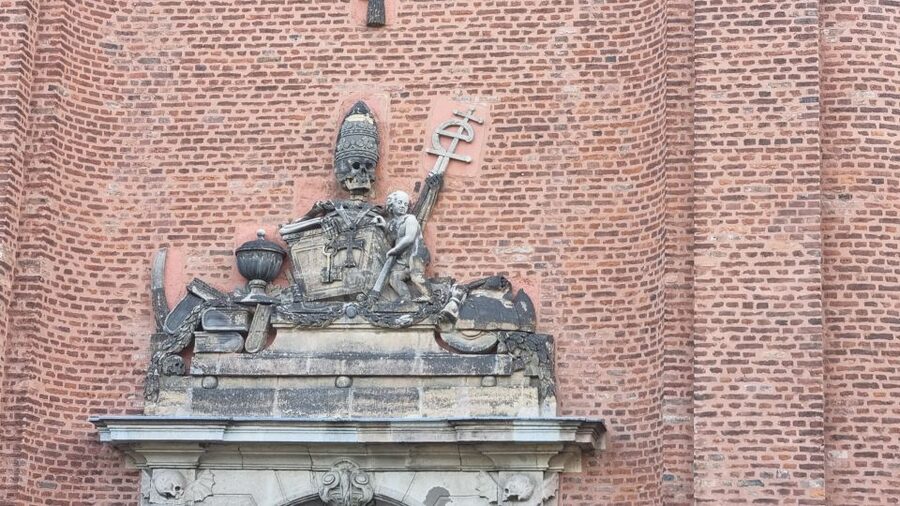
St. Severin is one of the key sights on the route. The church is described as an early Romanesque basilica, with origins connected to Cologne’s long Christian past and an establishment date in the late 14th century. The dates and architectural layers are part of what makes old European churches interesting: a building can carry several periods at once.
I would allow a little extra time before the start to locate the square and get comfortable in your walking shoes. The tour is wheelchair accessible, but it is still a walking experience through an older city quarter. Comfortable footwear is specifically advised, and that is good advice for anyone, even if you normally manage city walks without trouble.
The basilica also gives the guide a natural way to explain why this neighborhood matters. You begin with a major religious landmark, then move outward into streets where daily life, trade, defense, and celebration shaped the quarter.
Hohe Straße, Cologne’s oldest street
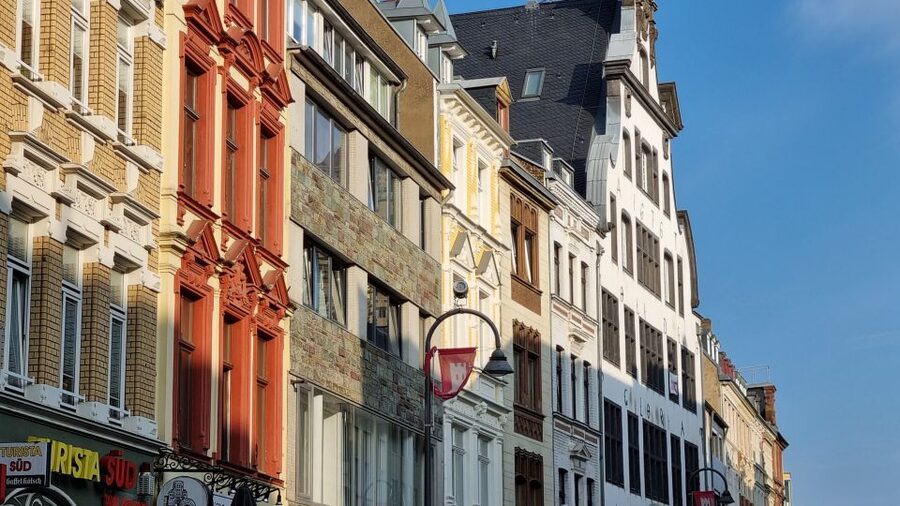
Hohe Straße is one of the tour’s most compelling stops because it gives the neighborhood a direct link to the distant past. It is identified as Cologne’s oldest street, so the value is not only in what you see today. The point is understanding how a route can survive as a line through changing centuries.
A guide can help you notice the difference between an old street’s modern appearance and its older purpose. Shops and ordinary city movement may surround you now, but the route has a much longer story. This is where a local guide can make a real difference, especially if you want more than a list of dates.
Do not expect Hohe Straße to feel like a preserved medieval lane from end to end. The attraction is the continuity of the route, not a perfect historic setting. That distinction matters. You are seeing a living Cologne street with an old foundation, not walking into a museum display.
I like this stop for the way it sets up the rest of the tour. Once you understand that Cologne’s streets can preserve traces of a much older city, the wall, churches, pubs, and gates become parts of one connected story.
Breweries, pubs, churches, and monasteries
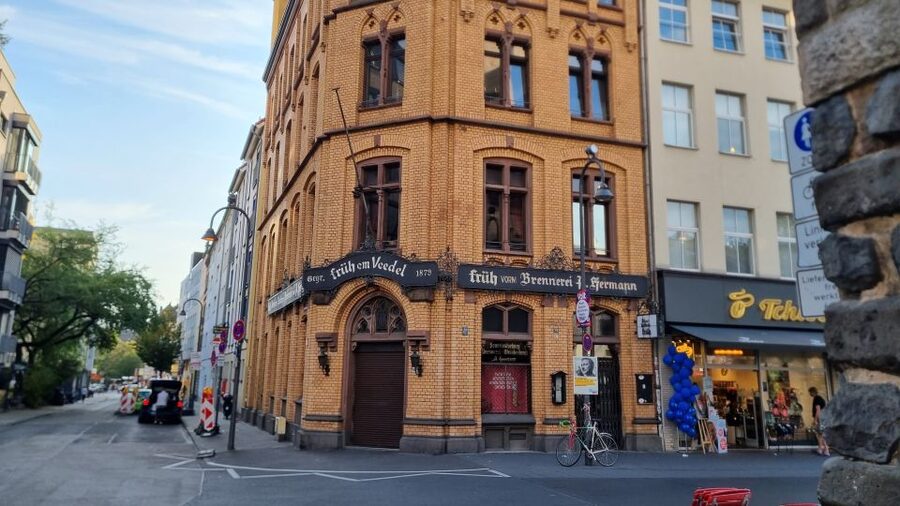
The walk also passes breweries, traditional pubs, monasteries, and churches. These stops broaden the experience beyond formal monuments. You get a picture of the quarter as a place where people worked, worshipped, drank, gathered, and celebrated.
The breweries and pubs matter because Cologne’s local identity is not confined to its museums. They point to the city’s social habits and its long pub culture. You will not receive food or drinks as part of the tour, so think of these places as sights and cultural context rather than included tasting stops.
That exclusion is worth noting when you compare the price with a food tour. The $94 covers the private guide, not a meal, beer, or snack. If you want refreshments, budget for them separately and do not assume the walking tour includes a stop with a purchase.
The churches and monasteries add another layer. St. Severin is the main basilica stop, but the route also gives you a chance to see religious buildings in relation to the surrounding streets. I find that useful because churches make more sense when you see the quarter that supported them, rather than viewing them as isolated monuments.
Same city, a completely different kind of day:
- Cologne: Panoramic City Cruise
★ 4.3 · 5,698 reviews - Cologne: Brewery Tour with 3 Kölsch Beer Tastings
★ 4.7 · 3,108 reviews - Cologne: Top Sights Rhine River Cruise – Skyline Tour
★ 4.4 · 3,030 reviews - Cologne: Chocolate Museum Entrance Ticket
★ 4.4 · 2,790 reviews
Reading Cologne’s medieval city wall
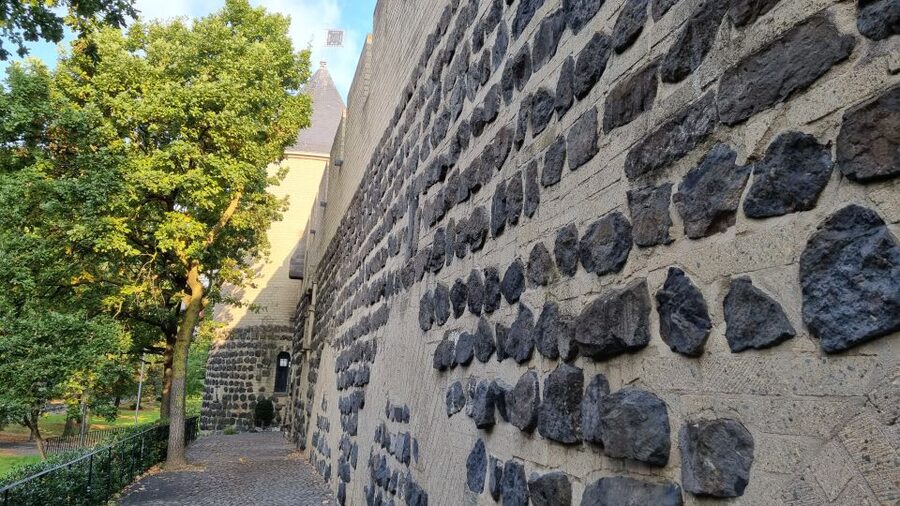
The medieval city wall is one of the strongest historical moments on the route. The tour helps you picture what Cologne looked like around 1180, when the city’s defenses marked its size and importance.
A surviving section of wall can be easy to overlook if you pass it without context. The guide’s job here is to explain what the stone meant: where the city ended, how access was controlled, and how the fortified city differed from the modern streets around it.
The wall also gives you a useful scale for Cologne’s growth. Modern Cologne is much larger, but the medieval defenses show the compact city that once concentrated homes, churches, trade, and political power behind protective barriers.
I would not book this tour expecting a long walk along a complete fortification. The information provided points to admiring the medieval wall and understanding the city’s appearance in 1180, not to a specialized military architecture tour. For most people, that is a strength: the wall is one chapter in a broader neighborhood walk, not the entire subject.
Carnival clubs and fountains along the route
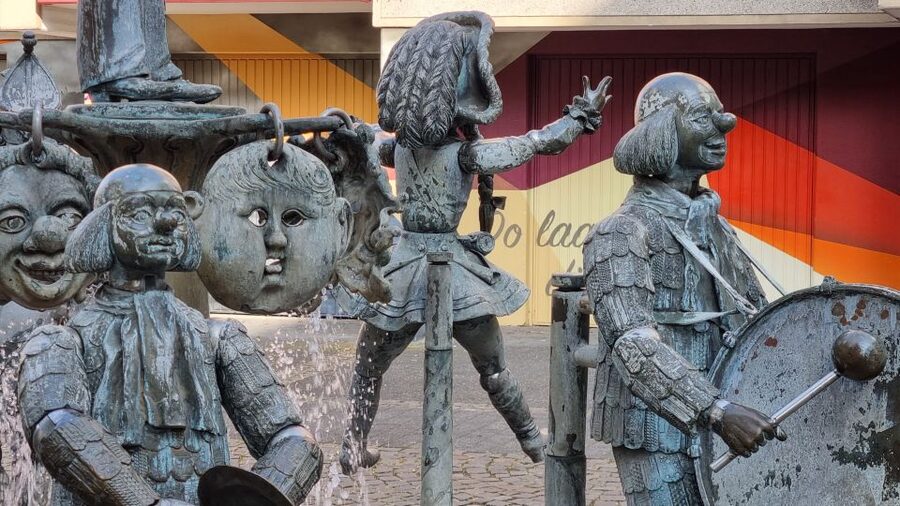
Cologne carnival is not a minor side note, and this tour gives it a place beside the older stones. You see large traditional carnival clubs and fountains along the way, which helps explain how the quarter’s identity remains active rather than purely historical.
This is one of the more distinctive features of the walk. Many city tours focus on rulers, churches, and battles. Here, carnival clubs show how local traditions organize community life and public celebration. The fountains add another layer of civic decoration and local memory.
The experience may be especially useful if you are visiting Cologne outside carnival season. You can still learn about the institutions and symbols that shape the city without needing to attend a parade. The tour does not promise a carnival event, so you should think of this as cultural background and sightseeing, not a festival activity.
I also like the contrast. The same walk can move from a medieval wall to a carnival club, then from a church to a traditional pub. That mixture feels more like a real neighborhood than a carefully separated museum district.
Ending at Severinstorburg
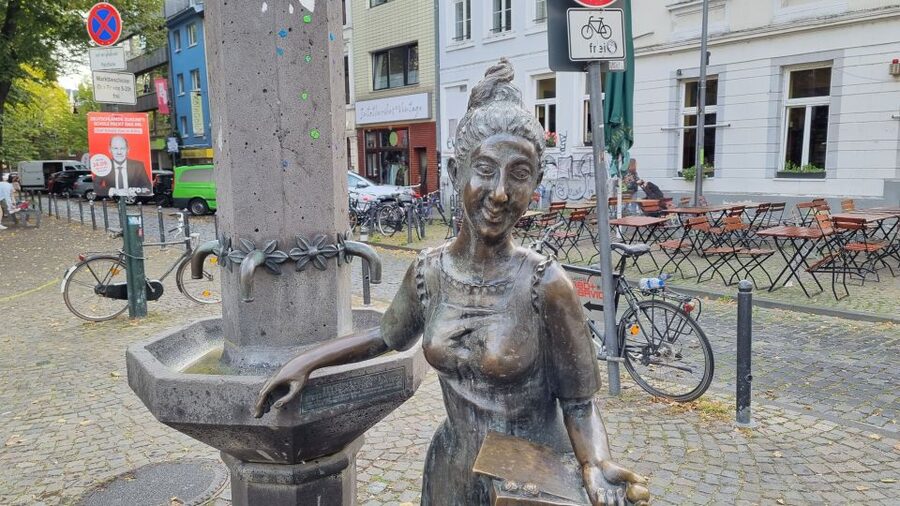
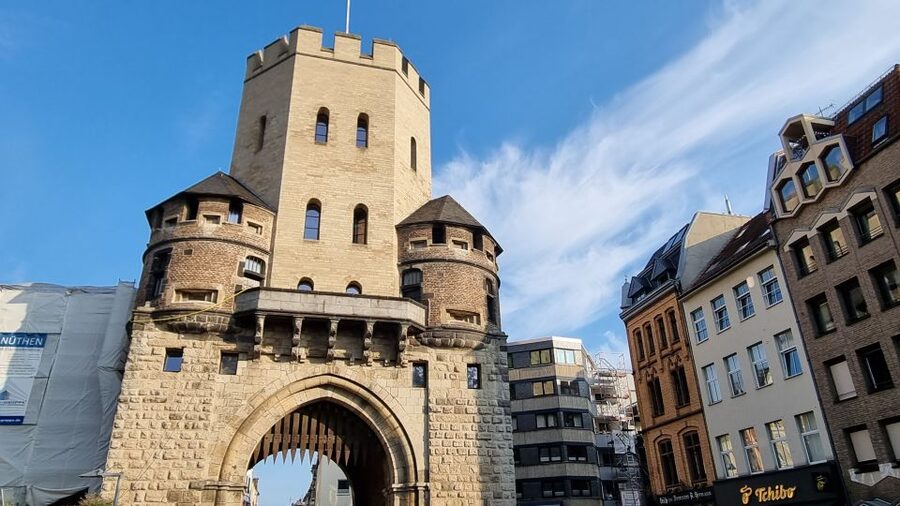
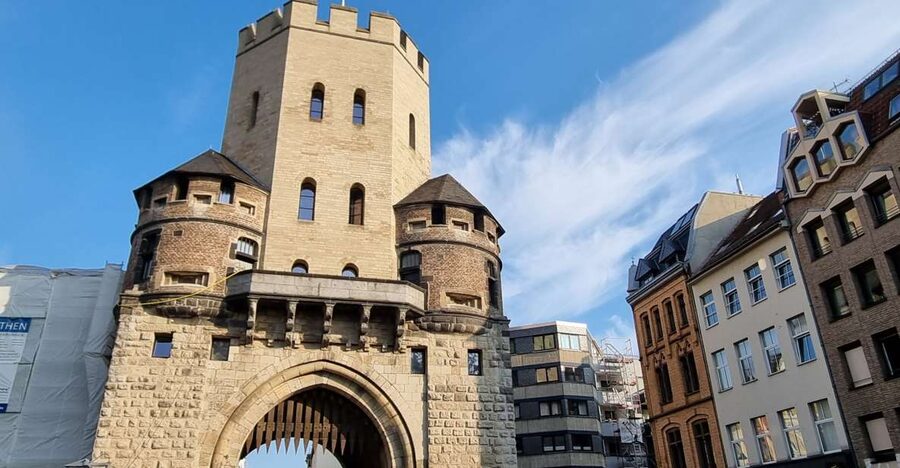
The tour ends at Severinstorburg, one of the four surviving city gates from the Middle Ages. It is a strong finish because the gate brings together the tour’s main themes: defense, ceremony, political power, and modern Cologne carnival.
In the medieval period, the gate was an entrance for kings and nobles arriving in Cologne. Today, it marks the beginning of the major carnival parade. That change in use is the kind of detail that makes a building memorable. The stones have remained, but the public meaning has shifted.
I prefer tours that end with a clear landmark, and Severinstorburg provides one. You finish with an image of the old city that is easy to remember and easy to explain to someone else. It also gives the walk a natural endpoint rather than simply stopping on a random street.
The gate is not just an architectural photo stop. Its former role helps you understand how visitors entered Cologne, while its carnival role shows how the same place remains tied to public celebration. That old and new connection is one of the tour’s best ideas.
What the $94 private-group price really buys
The listed price is $94 for a group of up to five people. That is a group rate, not a per-person charge, so the value improves quickly if you are traveling with several companions. Five people would pay less than $19 each before any separate expenses for drinks or food.
For one or two people, the price is harder to justify if your only goal is to see the main sights from the outside. You could walk through parts of the quarter independently. The reason to book is the interpretation: someone connects Hohe Straße, St. Severin, the wall, carnival clubs, and Severinstorburg into one story.
A private group also changes the feel of the outing. You are not sharing the guide with a large crowd, and you can ask questions without waiting for a long line of people to move along. That is useful for families, friends, or anyone who prefers a quieter pace.
The value depends heavily on your German. If you speak German comfortably, the private format and local guide can make this a good use of two hours. If you do not understand German, the language restriction is a serious barrier, not a small inconvenience.
Who will enjoy this Cologne walk
I would recommend this tour to you if you want a neighborhood view of Cologne rather than a greatest-hits route focused only on the cathedral. It suits people who enjoy connecting architecture with local customs and who like hearing why an ordinary street matters.
It is also a good fit for:
- Families or small groups who can split the group price
- German-speaking visitors who want a local perspective
- Repeat visitors looking beyond Cologne’s best-known sights
- Carnival fans interested in traditional clubs and parade connections
- History fans who want medieval defenses included in a wider city walk
- Visitors who prefer a two-hour activity instead of a full-day commitment
I would hesitate if you want the tour in English, expect food and beer to be included, or prefer a specialist tour devoted only to Roman remains or medieval architecture. The route covers several subjects, so its strength is range rather than narrow technical detail.
Practical details for a smoother outing
The tour is offered as a private group and has a live German-speaking guide. It is wheelchair accessible, though you should still plan for a walking route through an older urban quarter and wear comfortable shoes.
The meeting point is the square in front of St. Severin Basilica on Severinstraße, opposite house number 35. Food and drinks are not included. The duration is two hours, and starting times depend on availability.
You can cancel up to 24 hours before the tour for a full refund. A reserve-now-and-pay-later option is also available, which helps if your Cologne schedule is still changing.
The most useful guide detail is the name Manfred Speier. He is a Cologne native and has been specifically praised for his local expertise and clear explanations. If you book, it is worth asking about his availability when arranging the tour, though a particular guide should not be assumed unless confirmed.
Should you book the Severinsquarter tour?
Book it if you can follow German and want Cologne explained through its streets, not just its headline monuments. The combination of Hohe Straße, St. Severin, the medieval wall, carnival clubs, traditional pubs, and Severinstorburg gives you a well-rounded look at one of the city’s older quarters.
The strongest reason to choose it is the private format at a reasonable group price. Five people sharing $94 get good value, especially with a Cologne native such as Manfred Speier leading the walk. Solo visitors and couples should compare the cost with a larger group tour, but the personal attention may still be worth it.
Skip it if you need English, want included tastings, or are looking for a full archaeological tour. For German-speaking visitors who enjoy local stories and a compact two-hour route, this is a practical way to see Cologne beyond the cathedral.
FAQ
Where does the tour meet?
The meeting point is the square in front of the Basilica of St. Severin on Severinstraße, opposite house number 35.
How long does the tour last?
The guided walking tour lasts two hours.
What language is the tour offered in?
The live tour guide speaks German, and the tour is only available in German.
Is this a private tour?
Yes. It is offered as a private group experience for up to five people.
How much does the tour cost?
The price is $94 per group of up to five people.
Is food or drink included?
No. Food and drinks are not included in the tour price.
Is the tour wheelchair accessible?
Yes, the activity is listed as wheelchair accessible.
What should I wear?
Wear comfortable walking shoes, as the experience is a two-hour walking tour.
Can I cancel for a refund?
Yes. You can cancel up to 24 hours in advance for a full refund.
Can I reserve the tour and pay later?
Yes. A reserve-now-and-pay-later option is available, so you do not need to pay at the time of booking.
Just added around Cologne
- Aachen old town tour – GERMAN (public)★ 5.0 · 24 reviews
- Aachen Private Walking Tour With A Professional Guide★ 5.0 · 11 reviews
- Cologne Highlights: Exclusive Private Tour★ 5.0 · 5 reviews
- Explore Cologne’s best Street Art Quarter★ 4.5 · 4 reviews
- Aachen – Old town Guided tour★ 3.5 · 4 reviews
- The rather unknown Melaten★ 4.9 · 26 reviews
- Rickshaw Glühwein Ride★ 4.6 · 24 reviews
- Public brewhouse tour Cologne in English★ 4.9 · 154 reviews
Cologne Tours, compared.




The Night Watchman Old Town Walking Tour in German
Read our review →
Browse the lists this tour appears in