
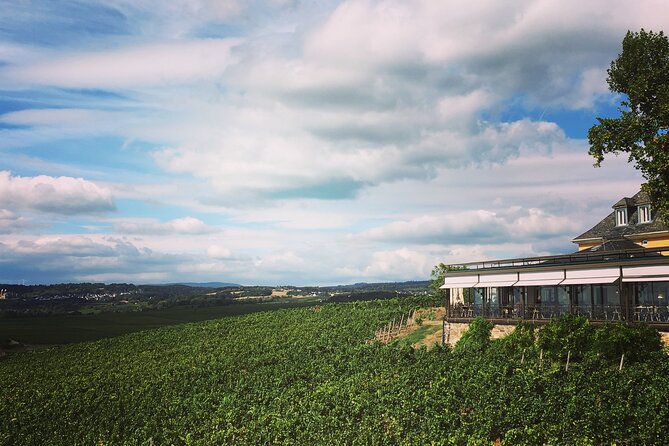
Reviewed · MAINZ TOURS
Small Group Rheingau Vineyards Tour with Castles and Abbeys
The best part of this Rheingau tour is the way wine and place stay connected. You begin at Kloster Eberbach, a thousand-year-old monastery known as the cradle of Riesling, then move through Rüdesheim and on to a family-run winery. The bottles make more sense when you see the old cellars, river towns, and estates that shaped them.
I like the small group limit of seven, which gives Jérôme room to adjust the tasting to your preferences. I also like the mix of stops: the solemn monastery, the modern RheinWeinWelt tasting room, and a working estate. The main drawback is that lunch costs extra, and the tour includes stairs, uneven ground, and steep paths.
In This Review
- Key points to know before booking
- Why the Rheingau makes a fine wine day from Mainz
- Kloster Eberbach, where monastery life shaped the wine
- A glimpse of Johannisberg Palace
- RheinWeinWelt in Rüdesheim, a wine library with lunch
- The final family estate and six-wine flight
- Jérôme’s guiding style is part of the value
- What the $199.55 price really covers
- Who should book, and who should think twice
- Booking details that affect your day
- Should you book the Rheingau vineyards tour?
- FAQ
- Where does the Rheingau wine tour begin?
- Where does the tour end?
- How long does the tour last?
- Is lunch included in the price?
- How many wines will I taste?
- Is transportation included?
- Is the tour suitable for people with restricted mobility?
- Can I cancel for a full refund?
Key points to know before booking
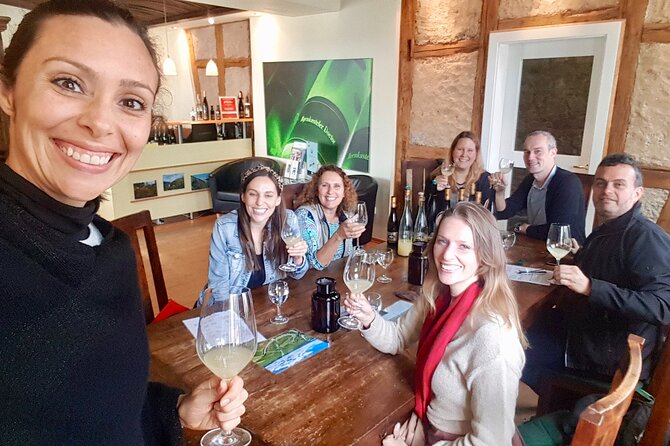
- Sixteen or more wines may be poured: Expect 4 to 6 wines at Kloster Eberbach, 5 at RheinWeinWelt, and 6 at the final estate.
- Jérôme leads the experience: His role combines wine instruction, regional history, transport, and practical help with choosing bottles.
- Kloster Eberbach is more than a tasting stop: The monastery gives you the story of how monks helped shape Rheingau winemaking.
- Lunch is flexible but not included: Order a cooked meal from a local menu, or choose a cheese and charcuterie board.
- The group stays very small: The maximum is seven people, a useful size for conversation and personal wine guidance.
- Wear sensible shoes: You will walk on uneven surfaces and climb stairs, with some steep sections.
Why the Rheingau makes a fine wine day from Mainz
Mainz is a useful starting point for exploring the Rheingau. The tour takes you out of the city and into the Rhine wine country without asking you to rent a car, plan several winery appointments, or worry about who is driving after the tasting.
The Rheingau is especially associated with Riesling, but the day is not limited to one grape. The final tasting includes Riesling and Pinots, and the larger regional selection at RheinWeinWelt lets you compare wines from many producers along the Rhine.
I find that this matters for beginners and experienced wine drinkers alike. If you are new to German wine, you get a clear introduction to the region. If you already know Riesling, you can use the tastings to compare styles and producers rather than sampling the same sort of bottle all day.
The tour lasts about five to six hours. That is long enough for three substantial stops, but short enough to fit into a Mainz visit without taking up your entire day. You return to the starting point at BottleStops, at Binger Schlag in Mainz.
Other Germany days worth putting on the list:
- Berlin: Reichstag, Dome and Government District Guided Tour
★ 4.7 · 18,288 reviews - Berlin: 1-Hour City Tour by Boat with Guaranteed Seating
★ 4.3 · 16,993 reviews - Hamburg: Sex and Crime in St. Pauli Tour for Ages 18+
★ 4.7 · 15,447 reviews
Kloster Eberbach, where monastery life shaped the wine
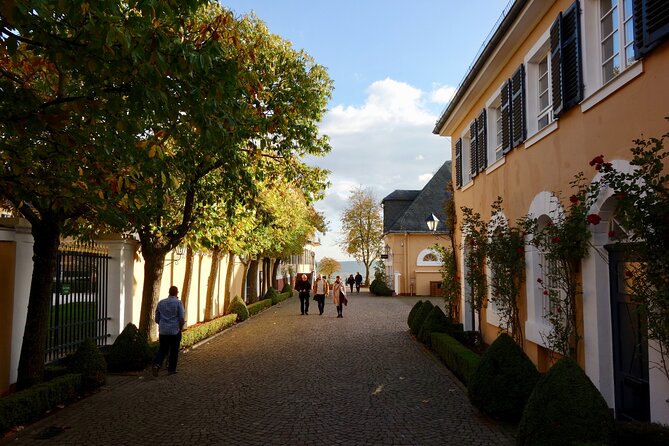
The day opens at Kloster Eberbach, and this is the stop that gives the tour its strongest sense of place. The monastery is about a thousand years old, and the visit focuses on the monks’ role in developing winemaking in the area.
That context is useful. Instead of hearing a string of grape names and tasting notes, you learn why the Rheingau became important and how wine production was tied to the religious communities that once controlled so much land and labor.
The setting also changes the mood of the tasting. You are not simply sitting in a generic shop. You sample four to six wines in the monastery tasting room, surrounded by historic buildings. The wines become part of a larger story about land, work, faith, and trade.
The tasting itself is likely to be a strong introduction to German wine. Jérôme can explain what you are drinking and help connect the wine to the region’s traditions. His approach, based on the tour format, is not to force one set tasting order on everyone. Your preferences can guide the choices.
Allow the full three hours listed for this stop. That time includes the monastery visit and wine tasting, so it is not a quick photo stop followed by a rushed pour. You will need to walk over older surfaces and manage stairs. Comfortable shoes are more important here than fashionable ones.
A glimpse of Johannisberg Palace
The route passes the impressive setting of Johannisberg Palace, with a brief stop possible if time allows. This is a smaller part of the day, but it adds another layer to the Rheingau story.
The wording matters: a stop is not guaranteed in the same way as the main visits. Treat the palace as a bonus view along the route, not the central reason to book. The schedule has to balance driving, tastings, lunch, and the final winery.
The palace also helps you understand that the region’s wine story is tied to grand estates and historic power, not just small vineyards. Even a short look from the vehicle can break up the tasting schedule and give you another memorable landmark.
RheinWeinWelt in Rüdesheim, a wine library with lunch
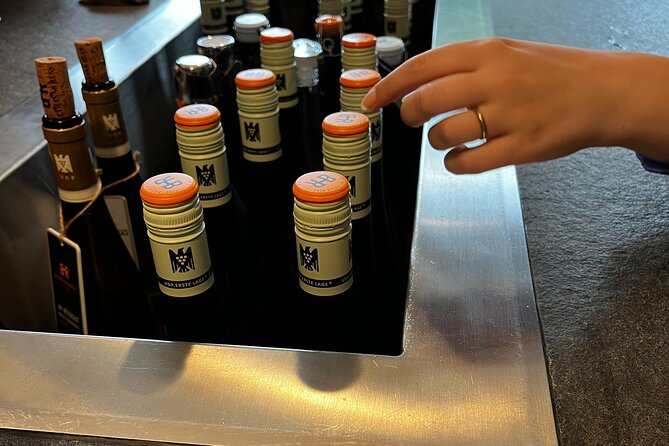
The second major stop is Vinothek Rheinweinwelt in Rüdesheim. This is a different experience from Kloster Eberbach. Instead of one historic estate, you get a broad view of the Rhine wine scene, with bottles from a selection of about 80 winemakers.
You will taste five wines while lunch is prepared. Tell Jérôme what you like, and he can direct you toward suitable bottles from the selection. This is one of the most useful parts of the tour for anyone who wants to understand personal taste rather than memorize wine labels.
Lunch is your own expense, so budget for it in addition to the tour price. You can choose from a menu using local produce and freshly prepared dishes, or order a cheese or charcuterie board. The flexibility is welcome, especially for a group with different appetites.
The scheduled visit lasts about an hour and a half. That gives you time to taste, eat, and look around without turning lunch into a long restaurant session. It is also a good point in the day to slow down and compare impressions from the monastery with what you are now tasting.
One practical note: wine tasting can make lunch feel more substantial than expected, but you should still plan to eat. The food is not included, and the tour is long enough that you will appreciate having a proper meal rather than relying only on samples.
Same city, a completely different kind of day:
- Hamburg: 1.5-Hour Harbor and Speicherstadt Day Cruise
★ 4.6 · 14,200 reviews - From Munich: Neuschwanstein & Linderhof Castle Full-Day Trip
★ 4.5 · 12,494 reviews - Dresden: Semperoper Tickets and Guided Tour
★ 4.7 · 12,102 reviews - Berlin: Boat Tour Along the River Spree
★ 4.4 · 11,252 reviews
The final family estate and six-wine flight
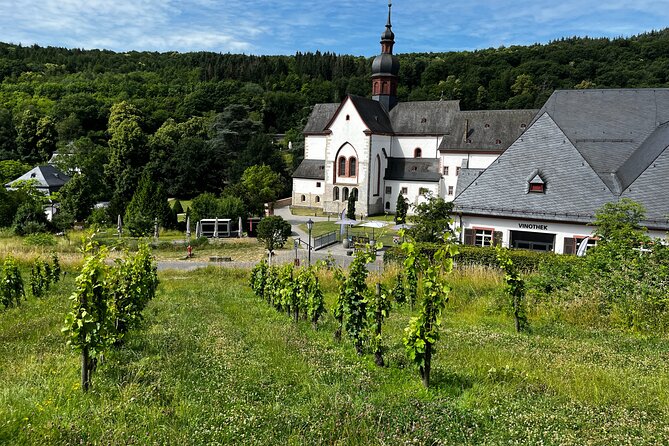
The last stop is a family-run estate, listed as Weingut Kaufmann, Ress, or a similarly highly rated estate depending on the day’s arrangements. This is a useful contrast to the monastery and the large regional tasting room.
Here, the six-wine flight takes you through the estate’s representative bottles, from Riesling to Pinot varieties. The point is not simply to add six more glasses. You get a closer look at how one estate expresses several grapes and styles.
That variety makes this stop especially helpful if your tastes are still developing. You can compare aromatic white wines with fuller or darker Pinot examples, then decide what you would actually want to order again at home.
Because the estate is family-run, the atmosphere may feel more personal than the earlier stops. The exact winery can vary, so you should not book this expecting one guaranteed producer or one fixed set of bottles. The benefit is a broader regional experience rather than a single-brand visit.
The final tasting lasts about an hour and a half. By this stage, you will have sampled a substantial number of wines, so pace yourself and use the breaks between stops. You do not need to finish every pour to get value from the tasting.
Jérôme’s guiding style is part of the value
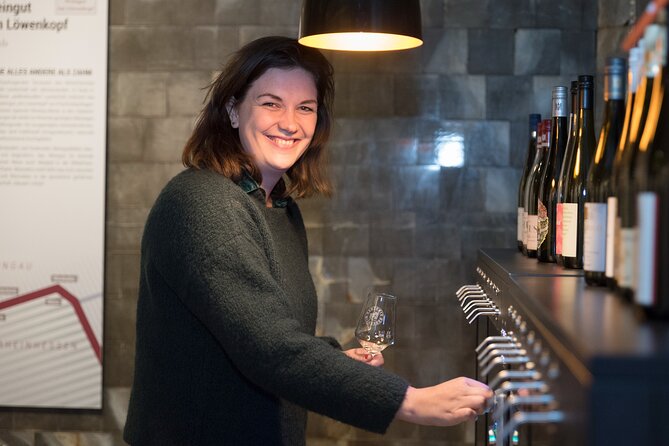
The guide matters on a wine tour, and Jérôme receives especially strong praise for combining regional facts with an easy, personal manner. He also contacts you before the tour with meeting instructions, which is useful if you are arriving in Mainz by train or are unfamiliar with the departure point.
His job is more than pouring wine. He explains German wine, adds background about the monastery and Rheingau, answers questions, and pays attention to what you like in the glass. That last point is important. A fixed tasting can leave you with a pile of samples but little sense of what to seek out later. Personal guidance makes the information more practical.
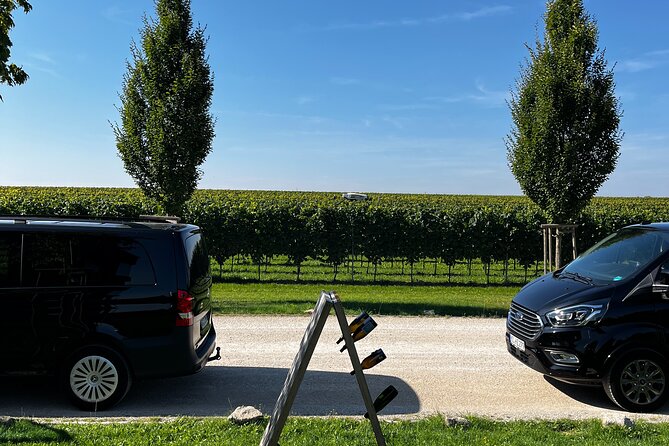
The small vehicle also helps. Private, air-conditioned transport keeps the day comfortable and removes the need to navigate between scattered wineries. One account describes the vehicle as immaculate and comfortable, which fits the tour’s focus on a smooth half-day outing.
The tour is offered in English. Since the group is capped at seven, you should have a reasonable chance to ask questions and hear the explanations without the noise and delays common on large coach excursions.
What the $199.55 price really covers
At $199.55 per person, this is not a cheap tasting afternoon. It is also not just a taxi ride to three wineries. The price includes air-conditioned private transport, all listed admission fees, the monastery tasting, the final estate tasting, and Jérôme’s guiding throughout the day.
You also get a planned route through several parts of the Rheingau. Arranging the same day yourself would mean finding transportation, securing winery appointments, allowing for travel time, and making sure someone can drive. The tour’s price pays for that structure and for access to a guide who can shape the tastings around you.
Lunch is the notable extra. Add the cost of your meal or board when comparing this tour with other day trips. Wine purchases are also not listed as included, so plan to pay separately for any bottles you take home.
For me, the value is strongest if you want interpretation and variety. If you only want one short tasting and a scenic drive, the price may feel high. If you want the monastery, several wine styles, regional context, and transport from Mainz in one compact day, the cost is easier to justify.
Who should book, and who should think twice
I would recommend this experience to adults who have a real interest in wine, even if they are not experts. Beginners get a structured introduction, while wine fans can compare many producers and ask detailed questions.
It also suits visitors staying in Mainz, and it can work for people based in Frankfurt who are comfortable taking the train to Mainz for the start. The tour returns to its Mainz meeting point, so you should allow for your onward travel after the activity ends.
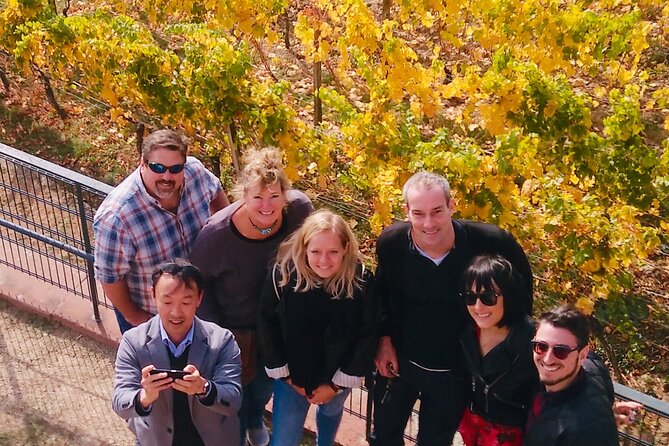
Couples, friends, and small family groups will likely appreciate the personal scale. The group size also makes it easier to chat with other people who are interested in wine without losing half the day to introductions.
This is not a good pick if you have restricted mobility. The day includes uneven pavements, stairs, and steep sections. It is also limited to people aged 18 and over.
The volume of wine may be a consideration. With up to six wines at the monastery, five at RheinWeinWelt, and six at the final estate, you could encounter 15 to 17 samples, depending on the final pours. Taste thoughtfully, eat lunch, and do not feel obliged to finish every glass.
Booking details that affect your day
You receive confirmation at booking, and the departure point is BottleStops at Binger Schlag, 55122 Mainz. The activity ends at that same meeting point.
The tour requires a minimum number of participants. If that minimum is not met and the operator cancels, you will be offered another date or experience, or receive a full refund.
You can cancel for a full refund up to 24 hours before the local start time. Changes or cancellations inside that 24-hour window are not accepted for a refund.
Public transportation is nearby, and the tour is open to most people who can manage the walking. Since the route includes old buildings and uneven ground, wear shoes with solid support and avoid bringing luggage that is awkward to carry.
Should you book the Rheingau vineyards tour?
Book it if you want a well-organized introduction to German wine with real places attached to the story. The monastery, Rüdesheim tasting room, and family estate give you three different ways to understand the Rheingau. Jérôme’s personal guidance and the seven-person limit are the strongest reasons to choose this tour over a large group outing.
Think twice if you want a low-cost excursion, a guaranteed visit to Johannisberg Palace, or a day with little walking. Also remember that lunch is extra.
For an English-speaking wine fan staying in Mainz, this is a strong use of five to six hours. You get history, scenery, food, transport, and a serious number of tastings without having to plan the route yourself.
FAQ
Where does the Rheingau wine tour begin?
The tour begins at BottleStops, Binger Schlag, 55122 Mainz, Germany.
Where does the tour end?
The activity ends back at the Mainz meeting point.
How long does the tour last?
The tour lasts approximately five to six hours.
Is lunch included in the price?
No. Lunch is an additional expense. You can choose from a freshly prepared menu or order a cheese or charcuterie board at RheinWeinWelt.
How many wines will I taste?
The planned tastings include four to six wines at Kloster Eberbach, five wines at RheinWeinWelt, and six wines at the final family-run estate.
Is transportation included?
Yes. The tour includes private transport in an air-conditioned vehicle.
Is the tour suitable for people with restricted mobility?
No. The tour includes walking over uneven surfaces, steep stairs, and uneven pavements, so it is not recommended for people with restricted mobility.
Can I cancel for a full refund?
Yes. You can cancel at least 24 hours before the experience start time for a full refund. Cancellations or changes made less than 24 hours before the start time are not accepted for a refund.
Just added around Germany
- Aachen old town tour – GERMAN (public)★ 5.0 · 24 reviews
- Aachen Private Walking Tour With A Professional Guide★ 5.0 · 11 reviews
- Cologne Highlights: Exclusive Private Tour★ 5.0 · 5 reviews
- Bremen Private Walking Tour With A Professional Guide★ 5.0 · 7 reviews
- Private Walking Tour through the Fascinating Bremen’s City Center★ 5.0 · 5 reviews
- Explore Cologne’s best Street Art Quarter★ 4.5 · 4 reviews
- Bremen Exploration Private Game and City Tour on your Phone★ 4.5 · 7 reviews
- e-Scavenger hunt Bremen: Explore the city at your own pace★ 4.0 · 24 reviews
Mainz Tours, compared.
Guided tour in Mainz on the Rhine in german and english
Read our review →
Exclusive Wine & Food Tasting in Historic Cellar | Mainz Old Town
Read our review →
guided evening tour of the Rhine embankment/old town in German and English
Read our review →
Browse the lists this tour appears in