
Reviewed · HAMBURG TOURS
Hamburg: Speicherstadt and HafenCity Tour
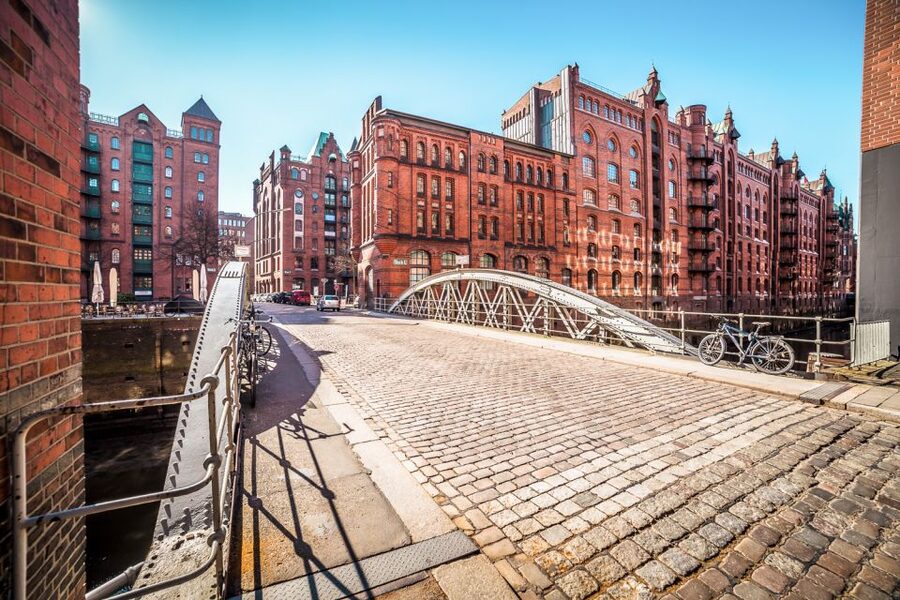
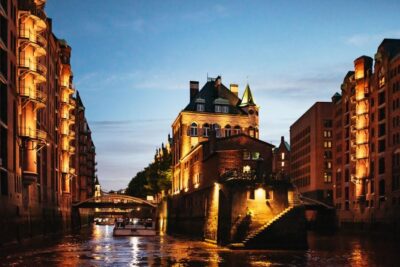
Hamburg’s best architectural contrast fits into one compact walk: the brick warehouses of Speicherstadt on one side, and the sharp modern buildings of HafenCity on the other. The tour shows how a working port district changed from storage and trade to culture, offices, and city living, ending near the striking Elbe Philharmonic Hall.
I like the clear two-hour format and the chance to see two very different sides of Hamburg without spending a full day on your feet. I also like the human touch: guides such as Hannes and Christian bring plenty of local detail, and one guide used an iPad with old and current photographs to make the story easier to follow. The main limitation is that the tour is in German only, and food, drinks, and any separate museum visit are not included.
In This Review
- Key points to know before you book
- Starting at Sandtorkai 74
- Seeing Speicherstadt as a working district
- The Kesselhaus and the details between the buildings
- Choosing coffee or spices
- Crossing into HafenCity
- Ending near the Elbphilharmonie
- What the guide adds to the walk
- Is $18 a fair price?
- Who will enjoy this Hamburg walk?
- Practical details that shape the experience
- Should you book it?
- FAQ
- Where does the tour meet?
- How long does the tour last?
- What language is the tour in?
- Is the tour wheelchair accessible?
- Is the Kesselhaus visit included?
- Are food and drinks included?
- Can I visit a coffee roaster or the Spice Museum?
- Can I cancel the booking?
Key points to know before you book
- Speicherstadt’s red-brick warehouses reveal how Hamburg stored coffee, spices, and other goods during its port era.
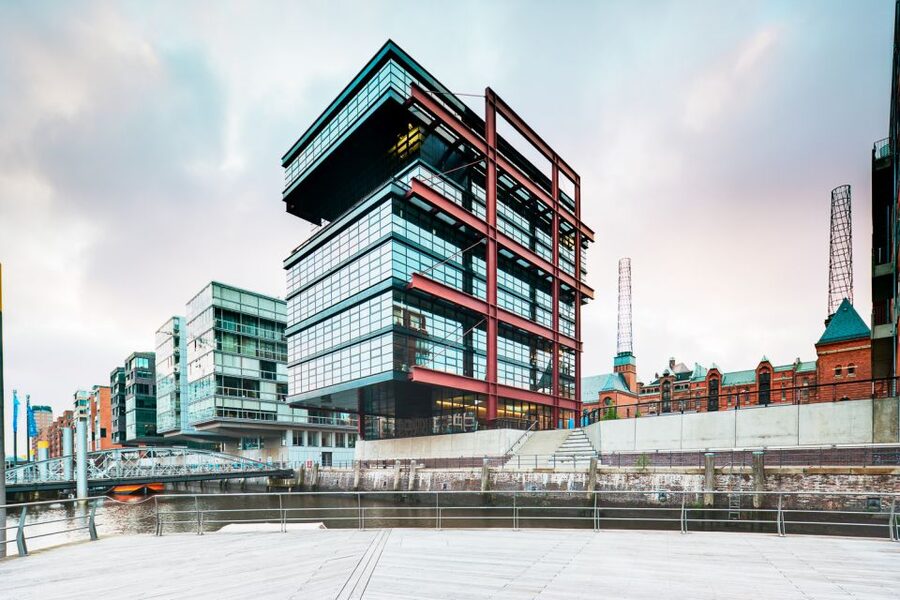
- HafenCity changes the mood with polished modern architecture and open views toward the Elbe.
- The Kesselhaus visit is included, except on Mondays.
- The Elbphilharmonie appears at the meeting point of old and new Hamburg, though this is an exterior-focused walking tour based on the details provided.
- You can follow your nose toward a coffee roaster or consider the Spice Museum, but food, drinks, and admission costs are not included.
- The $18 price is reasonable for a guided two-hour city walk, especially if you want context rather than only photographs.
Starting at Sandtorkai 74
The meeting point is directly at Sandtorkai 74, at the corner of Sandtorkai and Kaiserkai. Look for the square in front of the stairs and the white wall with a hole in the middle. That unusual landmark matters because HafenCity contains many large buildings and open spaces, where a vague meeting instruction could leave you wandering.
Arrive with enough time to find the exact wall. The tour is a walking experience, so wear shoes that feel good on paved streets and make sure you can hear the guide clearly. The route lasts two hours, which gives you enough time for explanation and photographs without turning the outing into an all-day commitment.
The tour is wheelchair accessible. Starting times vary, so you need to check the schedule for the day you want. The activity is guided in German, with no other language listed, so I would book it only if you can follow spoken German comfortably.
Other Hamburg days worth putting on the list:
- Hamburg: Sex and Crime in St. Pauli Tour for Ages 18+
★ 4.7 · 15,447 reviews - Hamburg: 1.5-Hour Harbor and Speicherstadt Day Cruise
★ 4.6 · 14,200 reviews - Hamburg: 90-Minute Evening Lights Harbor Cruise
★ 4.5 · 7,728 reviews
Seeing Speicherstadt as a working district
Speicherstadt is not simply a pretty collection of old brick buildings. Its warehouses were built for practical use, and that is one of the most useful ideas to keep in mind as you walk. The architecture was not planned first as decoration. It was shaped by storage, trade, access, and the needs of a major port.
The buildings were designed by different architects, yet they form a fairly unified picture. That consistency comes from the shared materials and scale, while individual structures add small changes and exposed details. Your guide can help you notice the difference between the overall order of the district and the marks of separate designers.
This is where the tour earns its price. Without explanation, you may see handsome brick walls, narrow waterways, and rows of tall windows. With context, you begin to read the district as a record of Hamburg’s commercial life. The warehouses once handled valuable goods, and the tour connects that past to the district you see today.
The Hanseatic League is part of this story. You will hear about Hamburg’s place in the old northern European trading network and how commerce shaped the city. The point is not to turn the walk into a long classroom lecture. It is to show why this particular part of Hamburg mattered and why the warehouses took the form they did.
The strongest guides appear to make this information easy to picture. One recent guide used an iPad filled with photographs to support the explanation, showing how places and buildings looked at different points in time. That kind of visual aid is especially useful in Speicherstadt, where a modern street view can hide the older purpose of a building.
The Kesselhaus and the details between the buildings
The Kesselhaus is included in the tour except on Mondays. It adds an indoor stop to a walk that otherwise centers on streets, buildings, and the waterfront. Since the information provided does not describe the exact exhibits or length of the visit, think of it as a useful part of the route rather than a separate museum program.
Pay attention to the transitions between buildings. Speicherstadt works because its individual structures share a common visual language, but the exposed features keep it from feeling like one repeated block. Your guide’s job is to point out what you might otherwise pass without a second look.
The experience is strongest for people who enjoy understanding how a place functions. If you want only a quick photo stop, two hours may feel long. If you like hearing why a district was built the way it was, the pace gives the warehouses room to make sense.
Choosing coffee or spices
At some point, the walk invites you to follow your nose. You can decide if you would like to visit a coffee roaster or the Spice Museum. This is a nice bit of freedom because it connects the old storage district with the goods that made Hamburg’s trading life tangible.
Do not read this as a guaranteed tasting or a complete museum visit included in the $18. Food and drinks are not included, and the provided details do not promise admission to either option. The value here is the chance to orient yourself toward an interest: coffee for one kind of port story, spices for another.
I like this choice because it keeps the tour from feeling too rigid. You are not simply marched from one marked stop to the next. At the same time, you should ask the guide on the day what is possible and what costs extra, since the activity details do not spell out the arrangement.
Same city, a completely different kind of day:
- Hamburg: 2-Hour XXL Port of Hamburg Cruise Tour
★ 4.7 · 6,979 reviews - Hamburg: Line A Sightseeing Hop-On Hop-Off Bus Tour
★ 4.6 · 6,958 reviews - Hamburg: Elbphilharmonie Plaza Guided Tour
★ 4.7 · 5,882 reviews - Hamburg: Hamburg Dungeon Admission Ticket
★ 4.7 · 5,745 reviews
Crossing into HafenCity
HafenCity changes the visual language almost at once. The old warehouses give way to modern buildings with clean lines and more recent ideas about waterfront development. The tour uses this contrast to show Hamburg as a city that keeps changing rather than a place frozen in its past.
The modern architecture is not presented as a replacement for Speicherstadt. Instead, the two districts sit beside each other and make one another easier to understand. The old warehouses show Hamburg’s trading strength; HafenCity shows how the city is using its waterfront in a new age.
You will walk among buildings that have a more polished, contemporary feel, with the Elbe adding maritime atmosphere. The route is not only about architecture. It also gives you a practical way to understand the city’s waterfront, moving from storage and goods toward public buildings, culture, and newer urban uses.
The chief drawback is that modern architecture can be more subjective than historic brickwork. Some people find HafenCity exciting, while others may prefer the warmth and age of Speicherstadt. I would book this tour if you want both viewpoints rather than a walk devoted only to old Hamburg.
Ending near the Elbphilharmonie
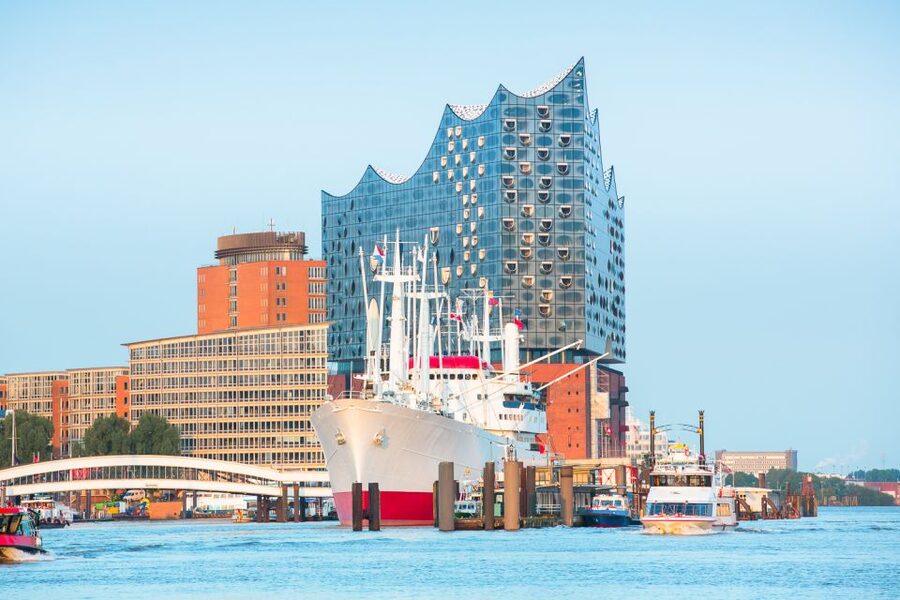
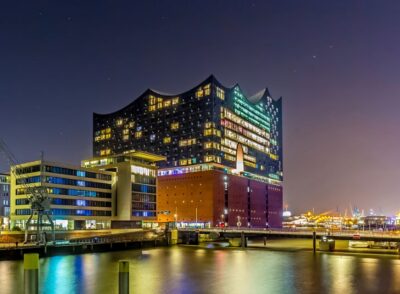
The Elbe Philharmonic Hall sits at the end of HafenCity and Speicherstadt. It is one of Hamburg’s most talked-about modern buildings, and the tour places it in the larger story of the waterfront rather than treating it as an isolated attraction.
Construction began in 2007, and the project became both exciting and controversial. That tension makes the building a useful final subject. You can consider not only its bold form but also the ambition, cost, and debate tied to a major city project. The supplied activity details do not promise a concert, interior tour, or reserved access, so you should expect to see and discuss the building as part of the walk.
This ending works well because the building gathers the tour’s main ideas in one place. Speicherstadt represents Hamburg’s working past, HafenCity represents a newer urban direction, and the Elbphilharmonie gives the modern district a memorable focal point.
What the guide adds to the walk
The guide may be the biggest factor in how much you get from this experience. The strongest feedback centers on preparation, clear information, friendliness, and entertaining delivery. Hannes is singled out for his impressive command of the subject, while Christian is praised for making the history and present-day city engaging.
Those names do not mean you can request a particular guide or that either person will lead your departure. Staff assignments can change. Still, the comments point to the kind of guiding you should expect: facts backed by visual material, stories about both the past and present, and a friendly approach to questions.
A good guide matters here because the tour covers a large idea in a short time. Speicherstadt and HafenCity are easy to photograph but harder to interpret. The guide links the buildings, trade, urban planning, and waterfront setting into one understandable route.
The experience is not designed as a quiet self-guided stroll. You will get the most from it by staying close enough to hear, asking questions when appropriate, and allowing the guide to point out details that are not obvious from street level.
Is $18 a fair price?
At $18 per person, this is a modestly priced introduction to two of Hamburg’s most important waterfront districts. You receive a two-hour guided walk and a visit to the Kesselhaus on days other than Monday. For a first look at the area, that is good value.
The price is less attractive if you expect refreshments, museum admission, a long interior program, or a special visit inside the Elbphilharmonie. None of those are included in the stated package. Food and drinks are extra, and the coffee roaster or Spice Museum choice should be treated as an optional direction, not a bundled benefit.
I would compare this cost with what you want from your first hours in Hamburg. If you already know the districts well and mainly want free time for photographs, you may prefer to walk alone. If you want the Hanseatic background, warehouse purpose, modern development, and building details explained in German, the fee is sensible.
The reserve-now-and-pay-later option also helps if your schedule is still moving. You can hold a place without paying immediately, and cancellation is free up to 24 hours in advance. Those terms are useful for a short city break, when weather and other bookings can shift your plans.
Who will enjoy this Hamburg walk?
I would recommend the tour to you if you want a focused introduction to Hamburg’s waterfront and can follow German comfortably. It suits first-time visitors, architecture fans, people curious about port history, and anyone who wants a short activity between larger plans.
It also works well for people who prefer a guide with visual support. The use of an iPad with photographs can make the explanation more concrete, especially when the current streets look very different from their earlier role.
Families and older visitors may appreciate the two-hour length and wheelchair accessibility. Still, you should consider the walking format and check the exact route against your own mobility needs, since no further route details are provided.
I would hesitate to recommend it if you need English, want a food-focused outing, or hope to enter the Elbphilharmonie. The tour gives you urban context and local explanation, not a concert ticket or a full specialty-food experience.
Practical details that shape the experience
The tour is available in German only. That is the most important booking point, and it should come before price or timing. Check the starting time for your chosen date, then plan to reach Sandtorkai 74, specifically the square by the stairs and the white wall with the hole in the middle.
The activity lasts two hours. Food and drinks are not included, so plan separately if you want coffee, a snack, or time at the Spice Museum. The exact details of those optional stops are not specified, so ask the guide what is open and what requires an additional payment.
The Kesselhaus visit does not take place on Mondays. If that stop matters to you, choose another day. The walk remains focused on Speicherstadt, HafenCity, and the waterfront architecture, but the included indoor element is the part most clearly affected by the weekday.
You can cancel up to 24 hours in advance for a full refund. You can also reserve now and pay later, which gives you a little breathing room when planning a Hamburg stay.
Should you book it?
Book this tour if you want Hamburg explained rather than simply photographed. For $18, you get a compact route through Speicherstadt and HafenCity, a guide-led look at Hanseatic trade and modern development, and the chance to connect coffee, spices, warehouses, and the Elbphilharmonie.
Skip it if you need an English tour, a food tasting, or guaranteed access inside the Elbphilharmonie. For everyone else, especially on a first visit, the two-hour format offers a useful balance: enough history to give the brick buildings meaning, enough modern architecture to show where Hamburg is headed, and no full day committed to one neighborhood.
FAQ
Where does the tour meet?
The meeting point is at Sandtorkai 74, on the corner of Sandtorkai and Kaiserkai. Look for the square in front of the stairs and the white wall with the hole in the middle.
How long does the tour last?
The tour lasts two hours. Starting times vary, so check availability for your preferred date.
What language is the tour in?
The tour is conducted in German. No other tour language is listed.
Is the tour wheelchair accessible?
Yes, the activity is listed as wheelchair accessible.
Is the Kesselhaus visit included?
Yes, a visit to the Kesselhaus is included, except on Mondays.
Are food and drinks included?
No. Food and drinks are not included in the tour price.
Can I visit a coffee roaster or the Spice Museum?
The tour lets you decide if you would like to visit a coffee roaster or the Spice Museum. The provided details do not state that admission, food, or drinks are included.
Can I cancel the booking?
Yes. You can cancel up to 24 hours in advance for a full refund. You can also reserve now and pay later.
Just added around Hamburg
- Hamburg: Historical Tour of the St. Pauli Sex Work District★ 4.4 · 215 reviews
- Hamburg: St. Pauli Food and Bier Tour★ 4.7 · 5 reviews
- Hamburg: Private Tour Red Light District Walking Tour★ 4.7 · 227 reviews
- St. Pauli Tour: Drag-Attack with Barbie Stupid & Lee Jackson★ 4.8 · 280 reviews
- St. Michael’s, Elbe Tunnel & Harbor 2-Hour Hamburg Tour★ 4.9 · 21 reviews
- Satt Pauli – der kulinarische Rundgang durch St. Pauli★ 4.8 · 12 reviews
- Hamburg: Safari tour in St. Pauli★ 4.9 · 11 reviews
- Hamburg: Reeperbahn Comedy Club★ 4.3 · 53 reviews
Hamburg Tours, compared.

1.5-Hour Harbor and Speicherstadt Day Cruise
Read our review →

Browse the lists this tour appears in