
Reviewed · HAMBURG TOURS
Hamburg: Private Tour – Schanzenviertel & Karolinenviertel
Hamburg’s Schanzenviertel and Karolinenviertel show you a side of the city that the grand boulevards miss. This is a walk through former working-class districts, old industrial sites, independent shops, political history, and back courtyards, with the famous Rote Flora and Feldstrasse bunker along the way. I like the route for two clear reasons: it gives you local context rather than just postcard views, and the private format lets your group focus on the questions that interest you. The main drawback is the short two-hour schedule, which leaves little time to linger.
I also like that the route connects the two neighborhoods through places with very different stories, from a former cattle abattoir to Tim Mälzer’s Bullerei restaurant. The tour is conducted in German, so you should be comfortable following a German-speaking guide. One past guide, Basti, was a committed resident of the Schanzenviertel, while Frau Evers was praised for clear explanations and a friendly style.
In This Review
- Key points at a glance
- Why these two Hamburg neighborhoods are worth your time
- Starting at Sternschanze and finding the old Schanze
- Karolinenviertel and the former cattle abattoir
- Rote Flora and the politics of public space
- Bullerei and the neighborhood’s new dining scene
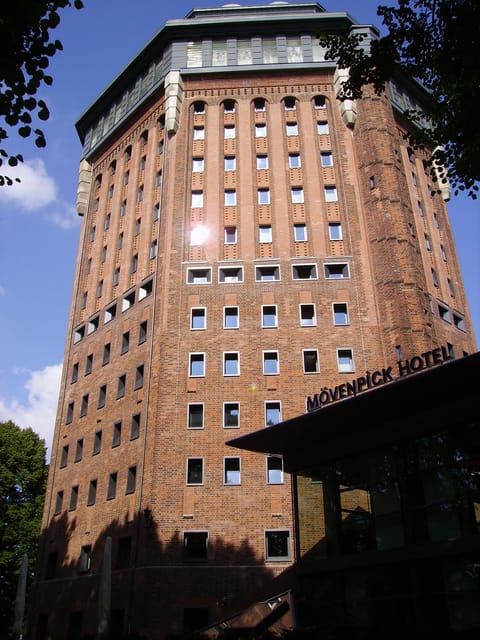
- The Feldstrasse bunker at Heiligengeistfeld
- What the two-hour timing really means
- The value of a private group at $294
- Language, guide style, and who will enjoy it
- Practical planning before you go
- Should you book this Hamburg neighborhood walk?
- FAQ
- Where does the tour begin?
- Where does the tour finish?
- How long does the tour last?
- What language is the tour conducted in?
- What is included in the price?
- How many people can join the private group?
Key points at a glance
- Sternschanze starting point: Meet at the Sternschanze U-Bahn station, by the Sternschanzenpark exit.
- Two districts in one walk: See how Schanzenviertel and Karolinenviertel changed from working-class areas into popular neighborhoods.
- Rote Flora and local politics: Learn why the former theater is tied to demonstrations and wider debates about the district.
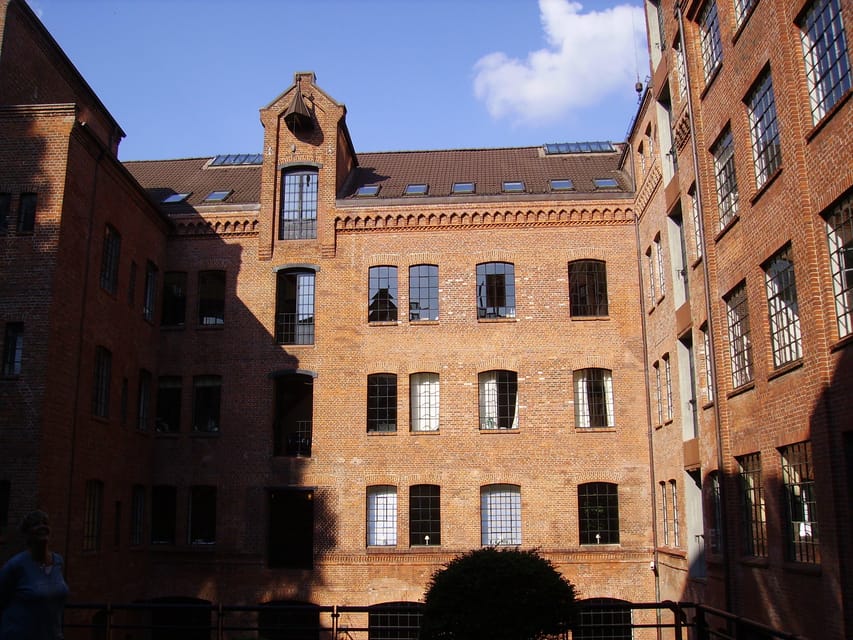
- Old industrial Hamburg: Visit the former cattle abattoir and older factory sites that connect the two neighborhoods.
- Feldstrasse bunker: See the large bunker at Heiligengeistfeld as part of the district’s changing urban story.
- Private value: The $294 rate covers a group of up to 15, making the cost more reasonable when shared by a larger party.
Why these two Hamburg neighborhoods are worth your time
Many first-time visitors know Hamburg through the harbor, Speicherstadt, city hall, and the Reeperbahn. Those places matter, but Schanzenviertel and Karolinenviertel help explain how the city works at street level.
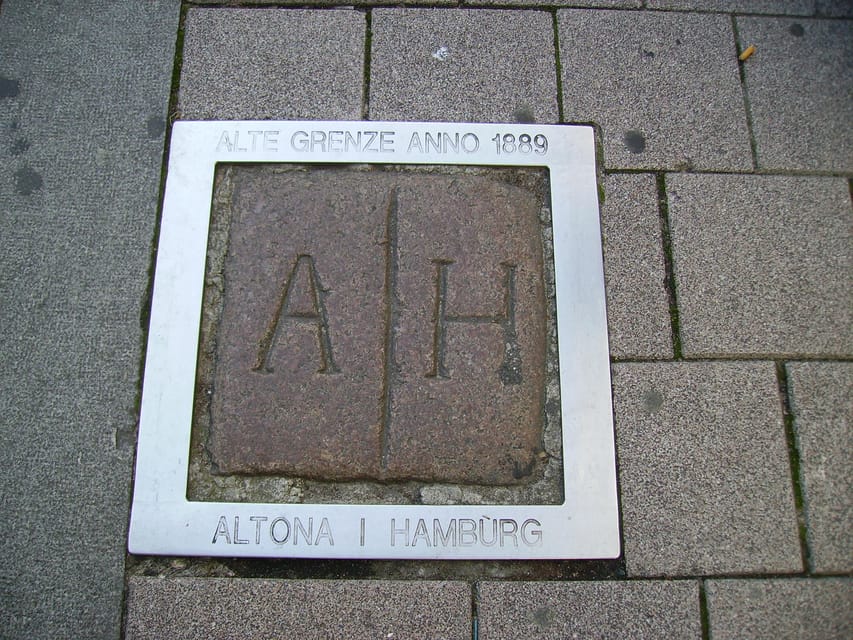
The Schanzenviertel began as an early defense post for Hamburg. Its name comes from the former fortification, or Schanze. Today, the area is known as a popular residential quarter with restaurants, bars, clubs, and small independent businesses.
Karolinenviertel adds another layer. Together, the two areas were once working-class districts on the former forelands in front of Hamburg’s embankments. Their change into fashionable neighborhoods has brought new shops and dining spots, but also questions about development, local identity, and who gets to remain in a changing district.
That mix gives the walk its purpose. You are not simply checking off pretty streets. You are looking at how old work areas become sought-after places to live, eat, and go out. The guide also addresses problems and changes in the neighborhoods, rather than presenting them as carefree entertainment zones.
A few more Hamburg trips to weigh up
- Your private 3-hour Hamburg driving tour with a former policeman
★ 5.0 · 304 reviews - Hamburg: Private Tour Red Light District Walking Tour
★ 4.7 · 227 reviews - Hamburg: Private Couples’ Photoshoot and Walking Tour
★ 4.9 · 212 reviews
Starting at Sternschanze and finding the old Schanze
The meeting point is at Sternschanze U-Bahn station, using the Sternschanze exit by Sternschanzenpark. This is a practical start because you can reach it by public transport and begin close to the neighborhood itself, not at a distant city-center landmark.
The first part of the walk lasts about 30 minutes in Schanzenviertel. Here, the guide introduces the area’s early defensive role and explains how the former fortifications relate to the name Schanze. That background helps you read the streets with more purpose. The restaurants, nightlife, and shops are not the whole story. They sit on top of an older district shaped by work, defense, and the edge of the city.
I like this opening because it gives you a frame for everything that follows. Without it, the neighborhood could seem like a collection of trendy storefronts. With it, you begin to notice the tension between old buildings, new businesses, residents, and public life.
The route leaves the main streets at points to show old factory sites and back courtyards. These details are a good reason to choose a guided walk instead of simply wandering with a map. A map can get you to a café, but it will not necessarily explain why an unassuming building matters or how a side street fits into the district’s past.
Karolinenviertel and the former cattle abattoir
The Karolinenviertel section takes about 20 minutes. It is a shorter portion of the walk, but it helps connect the social and industrial story of the two neighborhoods.
One important stop is the former cattle abattoir, which links Karolinenviertel and Schanzenviertel. Its presence points to a time when this part of Hamburg was closely tied to practical city work rather than weekend dining and nightlife.
The abattoir is also useful as a bridge between the districts. Instead of treating Schanzenviertel and Karolinenviertel as separate fashionable addresses, the walk shows how their functions and histories overlap. You get a better sense of why the neighborhoods developed together and why old industrial sites still matter to their identity.
The route also passes local independent shops. These businesses give the streets much of their character, and they make the walk feel connected to daily life rather than built only for sightseeing. You may want to allow extra time after the tour to return to a shop, restaurant, or café that catches your eye, since the two-hour schedule is designed for walking and explanation rather than shopping.
Rote Flora and the politics of public space
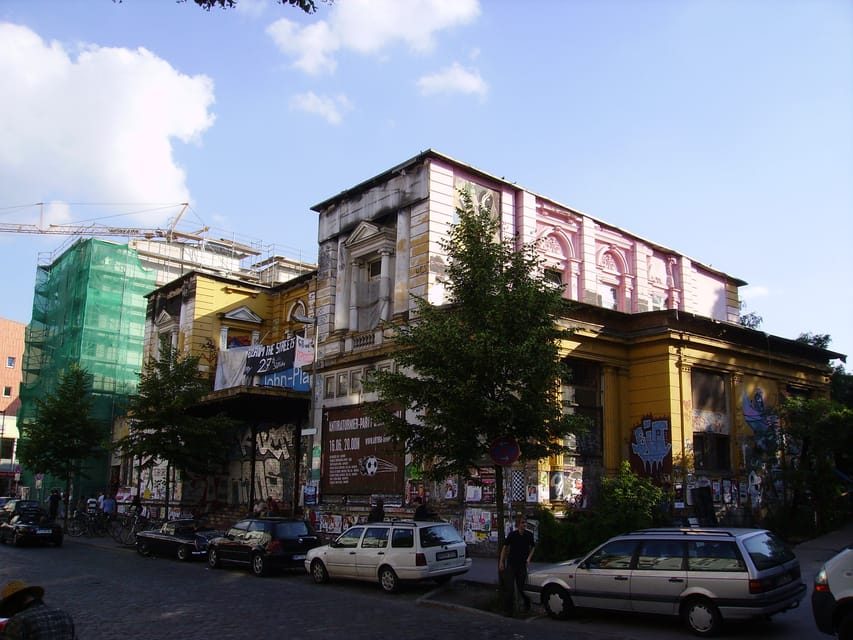
The Rote Flora receives about 10 minutes of guided attention. The former theater is one of the best-known places in Schanzenviertel and is closely associated with demonstrations and political conflict.
The useful part of the stop is the chance to move past a simple label. It is easy to reduce the neighborhood to images of protests, but that tells you only one piece of the story. The guide places the Rote Flora within the wider development of the district and discusses the problems and changes that have shaped local life.
A past guide named Basti was described as a committed Schanzenviertel resident who offered views that are often missing from media coverage. That detail suggests the sort of perspective this tour aims for: direct, personal, and sometimes emotional, rather than a polished civic speech. Another guide, Frau Evers, was praised for clear explanations, background information, humor, and an engaging presentation.
Because the tour is private, this stop could work well for a group that wants to ask about Hamburg’s housing debates, demonstrations, or neighborhood change. The supplied information does not promise a particular political viewpoint, so you should expect interpretation and discussion rather than a single official answer.
Same city, a completely different kind of day:
- Hamburg: Sex and Crime in St. Pauli Tour for Ages 18+
★ 4.7 · 15,447 reviews - Hamburg: 1.5-Hour Harbor and Speicherstadt Day Cruise
★ 4.6 · 14,200 reviews - Hamburg: 90-Minute Evening Lights Harbor Cruise
★ 4.5 · 7,728 reviews - Hamburg: 2-Hour XXL Port of Hamburg Cruise Tour
★ 4.7 · 6,979 reviews
Bullerei and the neighborhood’s new dining scene
The route makes a detour to Bullerei, Tim Mälzer’s restaurant in Hamburg. This is a small but telling stop. It shows the newer commercial face of the district and the way well-known food businesses have become part of Schanzenviertel’s identity.
Bullerei is not presented as a meal included with the tour. Think of it as a landmark and a useful example of the neighborhood’s shift toward popular restaurants and nightlife. If you plan to eat there, treat that as a separate plan and do not assume that a table will be available after the walk.
I like this stop because it keeps the tour from looking backward all the time. The former abattoir and factory sites explain the working district, while Bullerei helps you see what the area has become. Put together, those stops show both the old economy and the newer appeal that has changed the streets.
The same change brings a fair question: does a district remain local when its independent businesses and old buildings attract more visitors and investment? The tour does not ignore such issues. That balance is more useful than treating trendy restaurants as proof that everything has improved.
The Feldstrasse bunker at Heiligengeistfeld
The Feldstrasse bunker is another 10-minute stop. Located at Heiligengeistfeld, the bunker is a large and unmistakable part of the area’s built environment.
The value here comes from seeing the structure in relation to the surrounding neighborhoods. It is not an isolated monument on a sightseeing circuit. It sits within the everyday route between Schanzenviertel, Karolinenviertel, and Messehallen, giving the walk another reminder that Hamburg’s urban fabric includes defense, industry, commerce, and housing side by side.
The provided details do not specify an interior visit, so you should expect to see and discuss the bunker from the route rather than assume entry. That distinction matters if you are hoping for an indoor museum visit. The stop is brief, but the structure gives you a strong visual reference and a chance to ask the guide about the area’s past.
The route then finishes at Messehallen. One past booking had a different expected ending and required the group to hurry to a restaurant, so I would leave a little time between the tour and any fixed dinner reservation. The stated finish is Messehallen, but your guide or provider can confirm the exact endpoint for your date.
What the two-hour timing really means
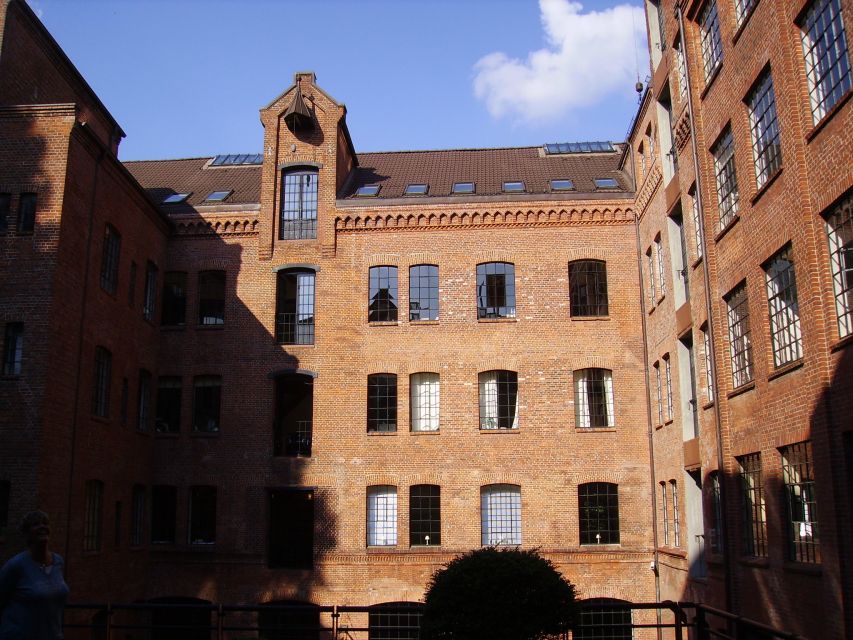
Two hours is enough to get a clear introduction to both districts, but it is not enough for a leisurely neighborhood day. The listed sections add up to about 80 minutes of guided stops, with the remaining time used for walking, transitions, and additional explanation.
That pace should suit you if you want a focused orientation before exploring on your own. It works especially well on a first day in Hamburg, when you want to understand where to return for food, drinks, shops, or a second look at the streets.
The timing may feel tight if you prefer long photo stops or want to enter several businesses. The route offers many photo opportunities, but you should not expect a long break at each one. Wear comfortable shoes and keep your schedule afterward flexible.
A past tour lasted almost three hours and was described as entertaining and full of interesting information. That suggests timing can vary in practice, especially with a private group and an engaged guide. Still, book around the advertised two-hour duration rather than counting on extra time.
The value of a private group at $294
The price is $294 per group of up to 15 people. At the maximum group size, that works out to about $19.60 per person. For a full group, that is a reasonable way to get a private introduction to two central Hamburg neighborhoods.
For only two people, the same price is much harder to justify. You are paying for the private guide and the flexibility of having the tour to yourselves, not for entry tickets, food, or a long half-day program. A small group should compare the cost with a shared walking tour or consider booking this only if the private format matters.
The private setup is most useful when your group has a particular interest in urban change, local politics, architecture, food culture, or Hamburg’s working-class past. You can ask questions without waiting for a large group to move on. The guide can also adjust the discussion, within the fixed time, to what you care about most.
There are no attractions or meals listed as included. The package covers a professional city guide and the walking tour itself. That keeps the price easy to understand, but you should budget separately for anything you buy along the way.
Language, guide style, and who will enjoy it
The live tour guide speaks German. This is the most important practical point before booking. If you need an English-language tour, this particular experience is not presented as an English option.
The guide style appears to be one of the tour’s strongest features. Frau Evers was noted for explaining places and buildings clearly, while Basti brought the perspective of someone who lived in the Schanzenviertel. The descriptions also point to humor, commitment, background detail, and a willingness to discuss difficult subjects honestly.
You will get the most from the walk if you enjoy context rather than a quick list of landmarks. It suits adults, families with older children, history-minded visitors, architecture fans, and anyone who wants to see Hamburg beyond its major sights.
It may be less suitable if you want a purely scenic walk, a food tasting, a museum visit, or a tour in English. The districts are interesting partly because they raise questions about change and conflict. That makes the experience more thoughtful than a simple photo stroll.
Practical planning before you go
You meet at Sternschanze U-Bahn station, at the Sternschanze exit by Sternschanzenpark. Arrive with enough time to identify the correct exit, since large stations can have several ways out.
The walk ends at Messehallen. Plan your onward route from there, and avoid booking a restaurant immediately afterward unless you leave a cushion. A prior tour did not end at the expected place, which caused a rushed connection to dinner, so confirming the endpoint is sensible.
Alternative tour times can be requested through GetYourGuide. The tour offers free cancellation up to 24 hours before the start for a full refund, and you can reserve now and pay later. Those policies are useful if your Hamburg plans are still shifting, but they do not change the German-only language limitation.
The overall rating is 4.8 from 15 reviews, and the strongest praise centers on the guides’ explanations, humor, background information, and personal connection to the district. I would treat that as a sign that guide quality matters greatly here. The neighborhoods provide the setting, but the guide’s ability to explain their changes will shape the experience.
Should you book this Hamburg neighborhood walk?
Book it if you want a private, German-language look at Hamburg’s Schanzenviertel and Karolinenviertel that goes beyond restaurants and nightlife. The route links the Rote Flora, Bullerei, former cattle abattoir, old factory sites, independent shops, and Feldstrasse bunker into one clear story about a city district changing over time.
The best value comes with a larger group of up to 15, where the $294 fee is shared. If you are traveling as a couple, the private price is a bigger commitment, so book only if local context and personal discussion matter more to you than keeping costs low.
I would also choose this walk early in a Hamburg stay. It can help you understand the neighborhoods before returning on your own for food, drinks, shopping, or photographs. Skip it if you need English, want a relaxed food tour, or prefer major monuments to local urban stories.
FAQ
Where does the tour begin?
The meeting point is Sternschanze U-Bahn station, at the Sternschanze exit by Sternschanzenpark.
Where does the tour finish?
The stated finishing point is Messehallen.
How long does the tour last?
The advertised duration is two hours. One earlier tour lasted almost three hours, so leaving some flexibility afterward is wise.
What language is the tour conducted in?
The live guide speaks German. Alternative tour times can be requested, but no other tour language is specified.
What is included in the price?
The price includes a professional tour guide and the city walking tour. Food, drinks, and attraction entry are not listed as included.
How many people can join the private group?
The private booking covers up to 15 people. The total price is $294 per group.
Just added around Hamburg
- Hamburg: Historical Tour of the St. Pauli Sex Work District★ 4.4 · 215 reviews
- Hamburg: St. Pauli Food and Bier Tour★ 4.7 · 5 reviews
- Hamburg: Private Tour Red Light District Walking Tour★ 4.7 · 227 reviews
- St. Pauli Tour: Drag-Attack with Barbie Stupid & Lee Jackson★ 4.8 · 280 reviews
- St. Michael’s, Elbe Tunnel & Harbor 2-Hour Hamburg Tour★ 4.9 · 21 reviews
- Satt Pauli – der kulinarische Rundgang durch St. Pauli★ 4.8 · 12 reviews
- Hamburg: Safari tour in St. Pauli★ 4.9 · 11 reviews
- Hamburg: Reeperbahn Comedy Club★ 4.3 · 53 reviews
Hamburg Tours, compared.

1.5-Hour Harbor and Speicherstadt Day Cruise
Read our review →

Browse the lists this tour appears in