
Reviewed · HAMBURG TOURS
Hamburg: Grand Harbor Tour by Traditional Barge
Hamburg’s harbor is a working port, not a polished museum piece. On this one-hour barge cruise, you get close to container terminals, giant cruise ships, the Old Elbe Tunnel, and the striking Elbphilharmonie while the captain explains how tides shape the city’s trade. I like the broad mix of old and new, and I like that the route packs a lot into a short ride. The main drawback is timing: on a sunny weekend, boarding and departure can run late.
I also like the traditional Prüsse boat and the live German commentary, which gives the trip a local voice rather than a recorded script. You should know, though, that this is primarily a harbor tour, not a Speicherstadt tour. If your main goal is canals, warehouses, and drinks on board, this may not be your best match.
In This Review
- Key things to know before boarding
- Why Hamburg Harbor is worth seeing from the water
- Boarding at Pier 3 with Kapitän Prüsse
- Cruise ships first: Hamburg’s international front door
- Container terminals and the force of the tide
- The Old Elbe Tunnel, a 1911 engineering feat
- Harbor City and the Elbphilharmonie
- Elbe beach, the fish market, and a softer side of the port
- What the one-hour length really means
- Is $28 a fair price for this Hamburg cruise?
- Who will enjoy this traditional barge ride?
- Practical advice for getting the most from the ride
- Should you book the Hamburg harbor tour?
- FAQ
- Where does the Hamburg harbor cruise begin?
- Where does the cruise end?
- How long does the harbor tour last?
- How often do the boats depart?
- What language is the live commentary in?
- What sights can I see during the cruise?
- What should I bring?
- Can I cancel the booking?
Key things to know before boarding
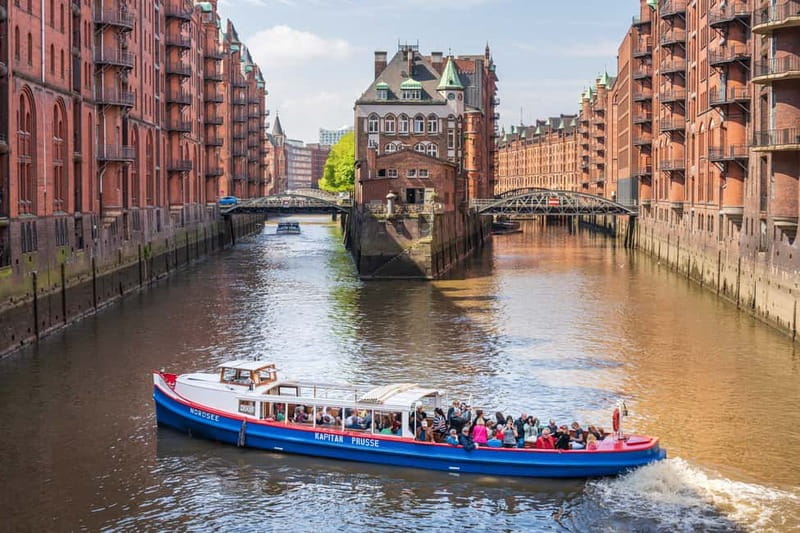
- The route covers working Hamburg Harbor: Expect container docks, cruise ships, Harbor City, the Elbphilharmonie, the Old Elbe Tunnel, Elbe beach, and the fish market.
- The commentary is live and in German: The captain adds witty remarks and explains the port’s past, present-day shipping, and the effects of the tide.
- The boat is a traditional barge: You board at Pier 3, beside the company Prüsse, then return to the same point.
- The ride lasts one hour: Daily departures are scheduled about every 60 minutes, making this easy to fit into a busy Hamburg day.
- Expect a working-port view, not a Speicherstadt route: Large ships and terminals take priority, and the historic warehouse district is not shown.
- Weather matters: Bring suitable clothing, since some seating can be cold and the experience takes place on the water.
Why Hamburg Harbor is worth seeing from the water
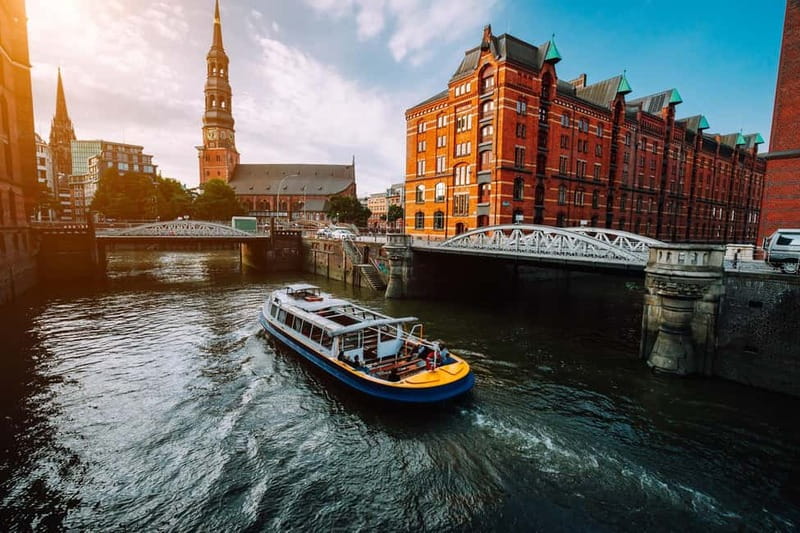
Hamburg makes more sense when you see it from the Elbe. The city’s port is tied to its identity, its wealth, and its daily routine. From a street, you may notice cranes or ships in the distance. From the water, you see how the pieces fit together.
This cruise gives you a compact look at that system. You move past loading docks, passenger ships, old infrastructure, beaches, and modern architecture in a single hour. It is not a quiet sightseeing ride through a picturesque canal district. It is a look at a port that still works for a living.
That distinction matters when you choose a harbor tour. If you want pretty facades and narrow waterways, you may be disappointed. If you want to understand Hamburg as a major shipping city, this route gives you the right setting.
The captain’s live commentary adds context as you go. The subject is not only what you are seeing, but why it matters. You hear about the harbor’s history and the effect of changing tides on shipping and related industries. Since the commentary is in German, you will get the most from it if you understand German. Even without following every word, the sights themselves are easy to recognize.
Other Hamburg days worth putting on the list:
- Hamburg: Sex and Crime in St. Pauli Tour for Ages 18+
★ 4.7 · 15,447 reviews - Hamburg: 1.5-Hour Harbor and Speicherstadt Day Cruise
★ 4.6 · 14,200 reviews - Hamburg: 90-Minute Evening Lights Harbor Cruise
★ 4.5 · 7,728 reviews
Boarding at Pier 3 with Kapitän Prüsse
The meeting point is Pier 3, where you should look for the company Prüsse and proceed directly to the correct boat. This detail is worth taking seriously. A harbor can feel confusing when several boats and operators are nearby, so do not simply board the first vessel you see.
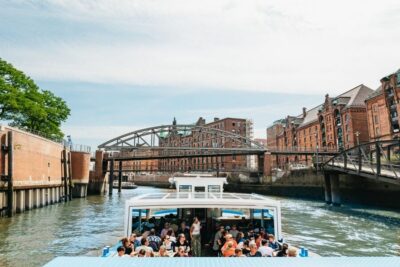
The boat is described as a traditional barge, which fits the working character of the trip. You are not being placed in a sleek sightseeing capsule designed to hide the port. The boat puts you in the harbor environment, with the chance to watch commercial traffic and waterfront structures pass at close range.
The schedule is convenient. Cruises depart daily at roughly 60-minute intervals, so you have some flexibility if you are building the ride around a visit to the fish market, a walk along the river, or time in Harbor City. Still, leave room around the scheduled departure. One sunny weekend departure involved about 15 minutes of waiting before boarding and another 10 minutes before the boat moved.
I would not plan a tight connection immediately after the cruise. Give yourself at least an hour of spare time if you have a timed museum entry, restaurant reservation, or train to catch. The ride itself lasts one hour, but the complete outing can take longer.
Cruise ships first: Hamburg’s international front door
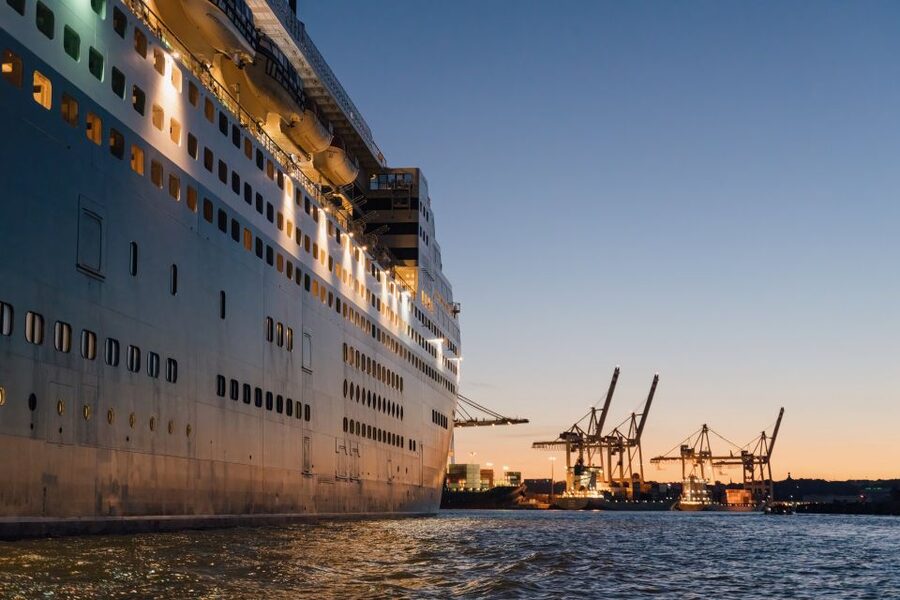
One of the first major sights is the line of large cruise ships in the harbor. These vessels are easy to appreciate from the water because you can see their size without buildings blocking the view. They are a reminder that Hamburg is not only a cargo port. It is also a departure point for voyages to other countries.
The cruise ships give the opening part of the trip a sense of scale. A traditional barge passing near a huge modern liner creates a useful contrast between old harbor transport and today’s passenger industry. You can look up at the decks, watch the harbor activity around the vessels, and get a feel for the amount of equipment needed to move thousands of passengers.
This section will appeal to anyone interested in ships, ports, and engineering. If you are not interested in large vessels, it may feel repetitive. One critical assessment of the ride found that the focus on big ships took up too much of the hour, so keep your expectations clear. The tour does not promise a gentle architectural cruise. It puts the harbor’s working traffic front and center.
Container terminals and the force of the tide
The container terminals are another major part of the route. Here, the scenery is industrial rather than decorative: cranes, loading areas, stacked containers, and ships built for cargo. That may sound plain on paper, but it gives you a better sense of Hamburg’s economic engine than a quick waterfront stroll can provide.
The captain explains how the tide affects the shipping industry. That is one of the more useful parts of the commentary because it connects the water beneath you to the decisions made by ships, terminals, and port businesses. A harbor is not a fixed basin. Water levels change, and those changes affect when and how vessels can operate.
You will not be touring the inside of a terminal, so the value comes from seeing the scale of the facilities from the river and hearing the explanation as the structures pass. I like this kind of sightseeing because it gives ordinary infrastructure a story. A crane is no longer just a crane when you understand the work it performs and the conditions it must handle.
This is also where the trip may divide opinions. People who enjoy ships and city infrastructure will likely find the terminals fascinating. People looking for historic streets, intimate neighborhoods, or picturesque views may find the industrial stretches less appealing.
Same city, a completely different kind of day:
- Hamburg: 2-Hour XXL Port of Hamburg Cruise Tour
★ 4.7 · 6,979 reviews - Hamburg: Line A Sightseeing Hop-On Hop-Off Bus Tour
★ 4.6 · 6,958 reviews - Hamburg: Elbphilharmonie Plaza Guided Tour
★ 4.7 · 5,882 reviews - Hamburg: Hamburg Dungeon Admission Ticket
★ 4.7 · 5,745 reviews
The Old Elbe Tunnel, a 1911 engineering feat
The cruise continues past the Old Elbe Tunnel, a landmark that links Hamburg’s riverfront with the southern side of the Elbe. The tunnel opened in 1911, when building beneath a major river was a serious technical challenge.
From the boat, you learn about the tunnel’s groundbreaking technology and its role in connecting the city. The view is not the same as walking through its tiled passageways, but seeing the structure from the river gives you the proper context. The tunnel is part of a larger story about how Hamburg adapted to its harbor instead of simply turning its back on the water.
This stop also helps break up the modern port scenery. After cranes and container ships, the tunnel brings your attention to older urban engineering. It shows that Hamburg’s waterfront has always depended on practical solutions, not just grand buildings.
If you have already visited the Old Elbe Tunnel on foot, the boat gives you another angle rather than a full repeat. If you have not visited it, treat this as an introduction, not a substitute for exploring it from inside.
Harbor City and the Elbphilharmonie
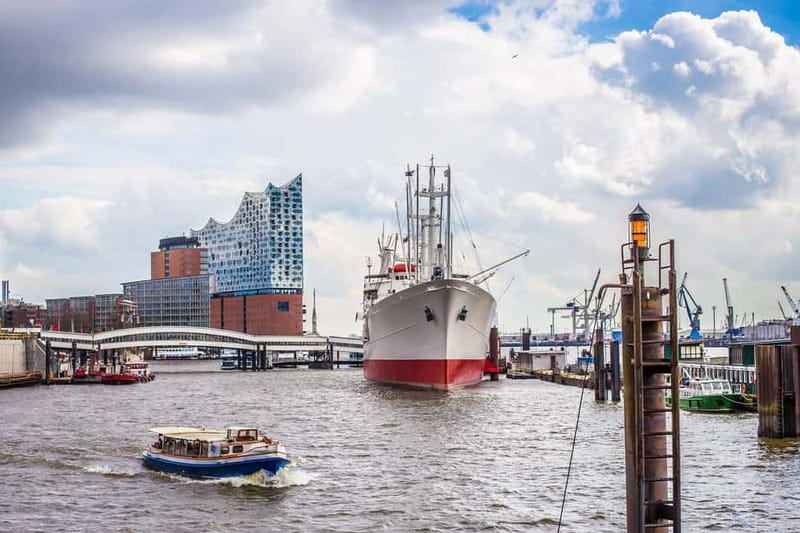
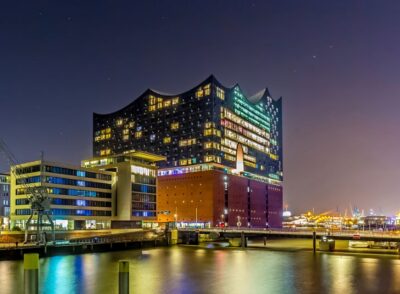
The route then reaches Harbor City, Hamburg’s major waterfront redevelopment area, and the Elbphilharmonie. The concert hall is one of the city’s most recognizable modern buildings, with a glass upper section shaped like waves above an older brick warehouse base.
From the river, the building’s design makes particular sense. Its height, curved roofline, and glass facade are meant to be seen from several directions, and the water gives you a clean viewing angle. The captain explains the design as you pass, so the building becomes more than a striking silhouette.
I especially like this part of the ride because it places Hamburg’s old port and new city beside each other. The Elbphilharmonie is not an isolated monument. It rises from a waterfront shaped by trade, storage, shipping, and redevelopment. Seeing it in that setting helps you understand why it has become such a strong symbol of the city.
The approach to Harbor City also offers a change in mood. The terminals are about cargo and logistics. The Elbphilharmonie is about music, public culture, and architecture. In one short trip, you see the different ways Hamburg uses its riverfront.
Elbe beach, the fish market, and a softer side of the port
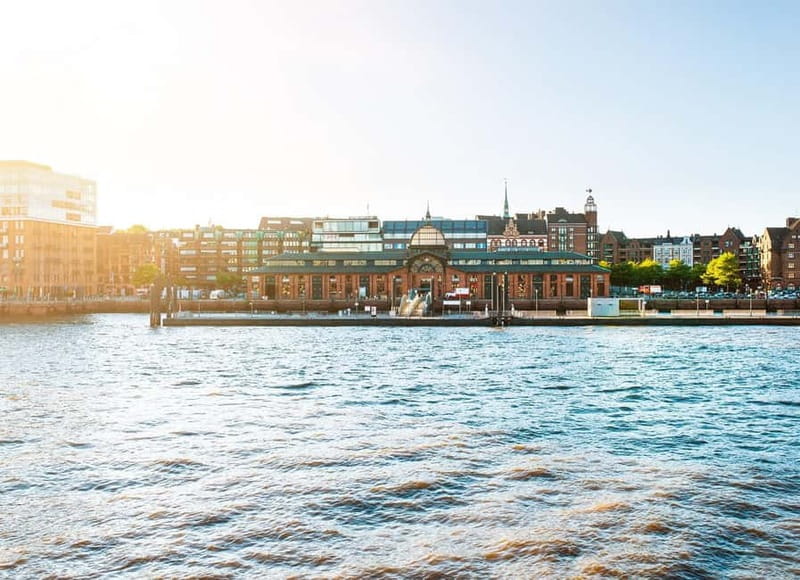
After the larger harbor facilities and the concert hall, the boat passes Elbe beach and the busy fish market. These sights show a more social side of the waterfront.
Elbe beach is a useful reminder that the river is not only a transport corridor. It is also a place where people go to sit, walk, and enjoy open views. From the boat, you can see the contrast between recreational shoreline and the commercial port nearby.
The fish market connects the river to Hamburg’s food and trading traditions. The cruise does not turn into a market visit, and you do not get a long stop there. Still, passing it from the water helps place the market within the city’s waterfront life.
This final stretch gives the itinerary variety. You have seen enormous ships and industrial equipment, then modern architecture, older engineering, a beach, and a market. For a one-hour tour, that is a strong range of sights.
What the one-hour length really means
The short duration is one of the tour’s greatest strengths. You can fit it into a morning or afternoon without giving up half a day. It works well as an introduction on your first day in Hamburg, especially if you want a quick sense of the city before choosing which waterfront sites deserve more time.
The tradeoff is pace. You are moving constantly, and the captain cannot spend long at each sight. You may get a good look at the Elbphilharmonie, but not an extended architectural talk. You may pass the Old Elbe Tunnel, but not explore its interior. You will see the fish market, but you will not have time to combine the ride with a full market visit.
The boat also may feel crowded. One poor experience reported a full boat, with some people sitting in the cold, along with a broken toilet and no drinks available on board. These details may not affect every departure, but they are useful warnings. Do not count on onboard refreshments, and dress for changing conditions.
Bring weather-appropriate clothing even if the day begins warm. The water can feel cooler, and seating conditions may vary. A jacket is the sensible choice.
Is $28 a fair price for this Hamburg cruise?
At $28 per person, the tour is reasonably priced if you want a short harbor overview with live commentary. You are paying for access to a water-level view of Hamburg’s working port, not for a meal, a long excursion, or a full city tour.
The value is strongest when you care about the route. The cruise ships, container terminals, Old Elbe Tunnel, Elbphilharmonie, Elbe beach, and fish market give you a varied hour. The commentary about tides adds something that a self-guided walk cannot easily provide.
The value is weaker if your ideal boat ride includes drinks, a guaranteed quiet seat, a polished onboard service, or a route through Speicherstadt. One critical assessment put the cost at €50 for an hour and found that too high for a trip focused mainly on ships. Prices can vary by booking conditions, but the underlying point is fair: you should decide if the harbor itself interests you before paying.
I would compare the price with your plans. For a first look at Hamburg and a quick break from walking, $28 can make sense. For a dedicated ship enthusiast, it may be an easy choice. For a visitor seeking the city’s most romantic or historic views, another boat route may offer better value.
Who will enjoy this traditional barge ride?
I would recommend this cruise to you if you like:
- Working ports, container ships, and harbor engineering
- A short activity that covers many sights
- Live commentary rather than a silent ride
- Modern architecture, especially the Elbphilharmonie
- Seeing how tides affect city life and shipping
- A flexible schedule with daily departures
I would think twice if you want a calm, scenic route through Speicherstadt or expect a full service boat with refreshments. The trip is also less suitable if you do not understand German and want detailed narration, since the live tour language is German.
Families with an interest in ships may find the large vessels and cranes memorable. Architecture fans will appreciate the Elbphilharmonie and the contrast with the Old Elbe Tunnel. Visitors with only one day in Hamburg can use the ride to decide which parts of the waterfront to revisit on foot.
Practical advice for getting the most from the ride
Arrive at Pier 3 with enough time to identify the Prüsse boat, but do not schedule something immediately afterward. Daily departures are frequent, yet boarding may take longer on a busy sunny weekend.
Dress for the water, not only for the weather at your hotel. Bring a jacket or another warm layer, and do not assume the boat will provide drinks. If you want refreshments, handle that before boarding unless the operator gives you different instructions.
Since the tour is in German, consider looking up the main sights before you go if you do not speak the language. Knowing the basics of the Old Elbe Tunnel, Harbor City, and the Elbphilharmonie will help you connect the commentary to what you see.
Keep your camera ready for the transition between scenes. The best part of the route is its variety: a cruise ship can give way to a container terminal, then to a historic tunnel, a glass concert hall, a beach, and a market area. The ride rewards attention more than a fixed expectation of postcard views.
Free cancellation is available up to 24 hours before departure, and you can reserve now while paying later. Those terms help if the weather looks uncertain, though the final decision should still account for your schedule and interest in the port.
Should you book the Hamburg harbor tour?
Book it if you want a compact, port-focused look at Hamburg and you enjoy ships, engineering, and waterfront architecture. The route covers a lot in one hour, and the captain’s live German commentary adds useful detail about tides, harbor history, and the buildings along the Elbe.
Skip it if you mainly want Speicherstadt, onboard drinks, or a quiet sightseeing ride with guaranteed comfort. The boat can be crowded, the toilet may not always be usable, and departure times can slip when demand is high.
For most first-time visitors who want to understand why Hamburg grew around the river, this is a worthwhile one-hour addition. Just arrive with flexible timing, wear a warm layer, and choose it for the working harbor, not for a storybook canal cruise.
FAQ
Where does the Hamburg harbor cruise begin?
Proceed directly to Pier 3 and look for the company Prüsse to reach the correct boat.
Where does the cruise end?
The activity ends back at the meeting point.
How long does the harbor tour last?
The cruise lasts one hour.
How often do the boats depart?
Cruises depart daily every 60 minutes.
What language is the live commentary in?
The live tour guide and commentary are in German.
What sights can I see during the cruise?
The route includes cruise ships, container loading docks, Harbor City, the Elbphilharmonie concert hall, the Old Elbe Tunnel, Elbe beach, and the fish market.
What should I bring?
Bring weather-appropriate clothing. Some seating may feel cold, so a warm layer is sensible.
Can I cancel the booking?
You can cancel up to 24 hours in advance for a full refund. You can also reserve now and pay later.
Just added around Hamburg
- Hamburg: Historical Tour of the St. Pauli Sex Work District★ 4.4 · 215 reviews
- Hamburg: St. Pauli Food and Bier Tour★ 4.7 · 5 reviews
- Hamburg: Private Tour Red Light District Walking Tour★ 4.7 · 227 reviews
- St. Pauli Tour: Drag-Attack with Barbie Stupid & Lee Jackson★ 4.8 · 280 reviews
- St. Michael’s, Elbe Tunnel & Harbor 2-Hour Hamburg Tour★ 4.9 · 21 reviews
- Satt Pauli – der kulinarische Rundgang durch St. Pauli★ 4.8 · 12 reviews
- Hamburg: Safari tour in St. Pauli★ 4.9 · 11 reviews
- Hamburg: Reeperbahn Comedy Club★ 4.3 · 53 reviews
Hamburg Tours, compared.
1.5-Hour Harbor and Speicherstadt Day Cruise
Read our review →
Browse the lists this tour appears in