
Reviewed · CRUISES & BOAT TOURS
Hamburg: 2-Hour Harbor Cruise
Hamburg’s harbor is far larger and more industrial than it first appears from the city center. This 2-hour Elbe cruise gives you the useful big picture, from the brick warehouses of Speicherstadt to container ships, shipyards, bridges, and new port districts.
I like the mix of old and new, and I like that the commentary explains how Hamburg earns its place as a major trading port. The main drawback is that the live tour is in German, while English speakers must use the audioguide app. The boat is also not wheelchair accessible.
In This Review
- Key points
- Hamburg’s harbor is the real attraction
- Starting at Landungsbrücken, Bridge 2
- Speicherstadt shows Hamburg’s trading past
- HafenCity and the Elbphilharmonie
- Container ships reveal the port’s scale
- Köhlbrand Bridge and the industrial waterfront
- Commentary, language, and what you learn onboard
- Is two hours the right length?
- Who should book this harbor cruise?
- Final call: a strong choice for understanding Hamburg
- FAQ
- How long is the Hamburg harbor cruise?
- Where do I check in?
- What language is the tour in?
- What sights can I expect to see?
- Are drinks included?
- Is the boat wheelchair accessible?
Key points
- A full 2-hour look at Hamburg’s working harbor, not just a short city-center boat ride.
- Speicherstadt and HafenCity appear side by side, showing Hamburg’s shift from warehouse port to modern waterfront district.
- The Köhlbrand Bridge and industrial docks give you a better sense of the port’s enormous scale.
- German live commentary and an English audioguide app make the tour useful for different language groups.
- Guide Joel has a strong reputation for humor and port facts, according to one especially detailed booking comment.
- Check in at Barkassen-Meyer at Landungsbrücken, Bridge 2, and plan around the boat’s lack of wheelchair access.
Hamburg’s harbor is the real attraction
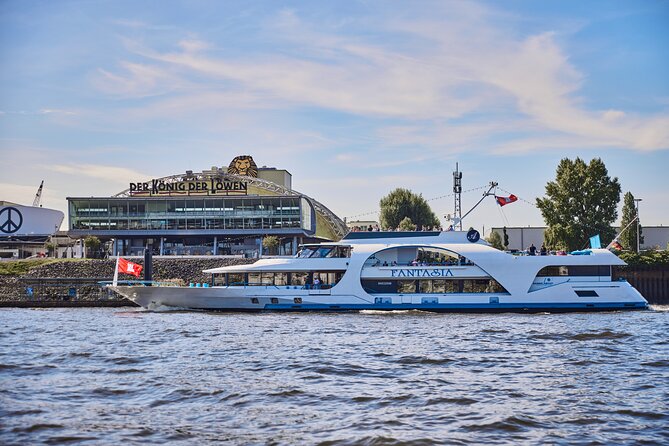
Hamburg is often introduced through its grand Rathaus, shopping streets, and elegant Alster lakes. But the River Elbe explains why this city grew so powerful. The port links Germany with trade routes around the world, and this cruise lets you see the machinery behind that role.
I like this trip because it does not treat the harbor as a decorative backdrop. You are there to see a working commercial port, with changing ship types, container traffic, docks, wharves, bridges, and expansion zones. The scenery is not all polished waterfront. That is the point.
The cruise also gives you a quick lesson in Hamburg’s changing identity. Historic warehouses made room for new offices, apartments, cultural buildings, and transport projects, while the industrial port continues farther along the Elbe. In two hours, you get both sides of the city.
At $40 per person, this is not the cheapest way to spend an hour on the water. It is a fair price if you want a substantial harbor orientation with commentary, rather than a brief sightseeing loop. You are paying for time, scale, and explanation. If you only want a pretty view of the Elbphilharmonie, a shorter boat ride may be enough.
A few more Hamburg trips to weigh up
- Hamburg: 2-Hour XXL Port of Hamburg Cruise Tour
★ 4.7 · 6,979 reviews - Hamburg: Speicherstadt and HafenCity 2-Hour Tour
★ 4.8 · 1,063 reviews - Hamburg: 2-Hour Sightseeing Cruise to Blankenese
★ 4.6 · 279 reviews
Starting at Landungsbrücken, Bridge 2
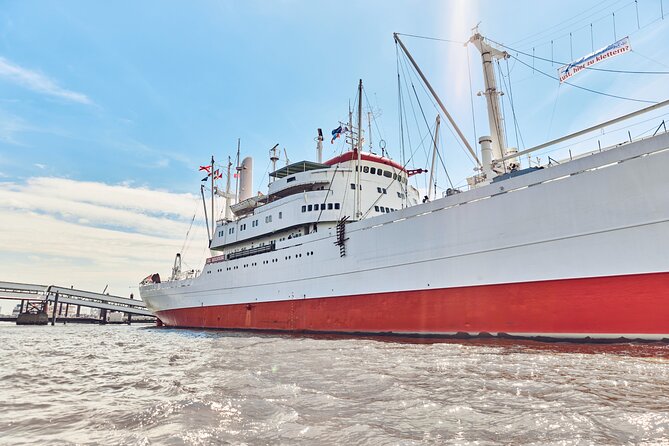
Your starting point is the Landungsbrücken waterfront, one of Hamburg’s easiest places to reach and a natural launch point for harbor trips. Check in at the Barkassen-Meyer ticket counter at Bridge 2 before boarding.
This location is useful because it puts you right beside the Elbe and close to the city’s harbor activity. It is also a good place to get oriented before the boat leaves. Look out toward the water and you will quickly understand that Hamburg’s waterfront is not one single attraction. It is a long system of terminals, channels, warehouses, bridges, and industrial spaces.
The exact route can vary with harbor conditions and ship traffic. That is normal for a working port. The boat is not moving through a fixed museum display, and the view can change as new ships arrive or port areas are modified.
Plan to arrive with enough time to find the counter and board without a rush. Drinks are not included, but you can buy them onboard. Since the ride lasts two hours, that small option may be useful, especially if you are joining at a busy point in your day.
Speicherstadt shows Hamburg’s trading past
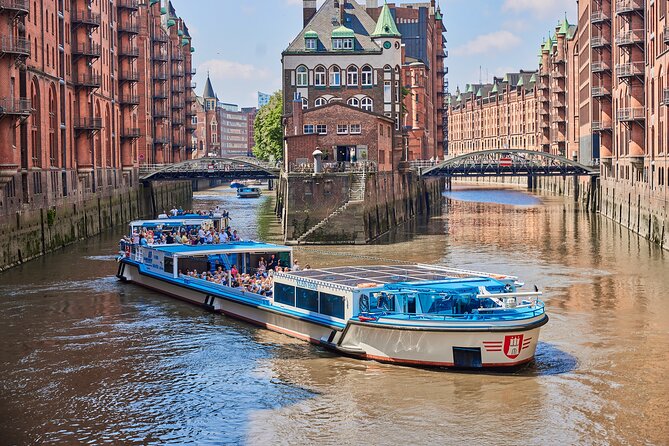
One of the most memorable parts of the ride is the view toward Speicherstadt, Hamburg’s historic warehouse district. Its brick buildings and canals provide a sharp contrast with the broad river and heavy port equipment farther along the route.
Speicherstadt was built for storage and trade, so it helps explain how goods once moved through Hamburg before the age of today’s giant container terminals. From the water, you can see why the canals mattered. This was a district designed around loading, storing, and shifting merchandise.
The view is particularly useful for first-time visitors because it connects Hamburg’s historic center with its commercial story. Instead of seeing the warehouse district as a collection of handsome brick facades, you begin to understand its practical purpose.
Do not expect the cruise to stop for a long walking visit in Speicherstadt. You are seeing the district from the boat, often alongside other harbor scenes. If you want interior museums, detailed architecture, or time on the canals, you will need a separate visit on foot.
Still, the water view adds something. Speicherstadt looks different from a street or bridge, and the contrast between narrow canals and the open Elbe helps you read the structure of old Hamburg.
HafenCity and the Elbphilharmonie
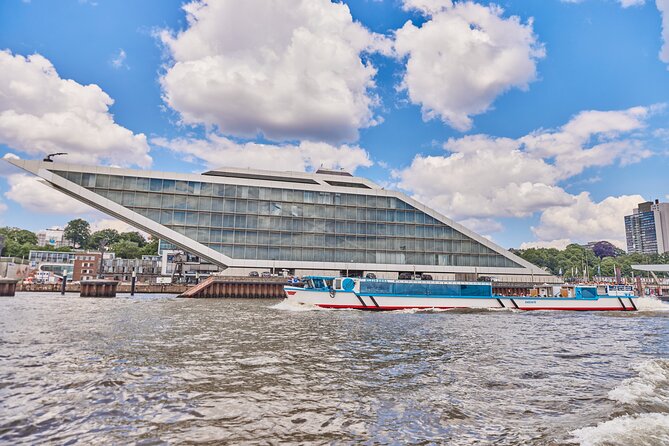
The cruise also passes HafenCity, the large waterfront redevelopment area that has changed Hamburg’s relationship with the river. Here, old port land has been transformed into a modern district with new buildings, public spaces, and cultural projects.
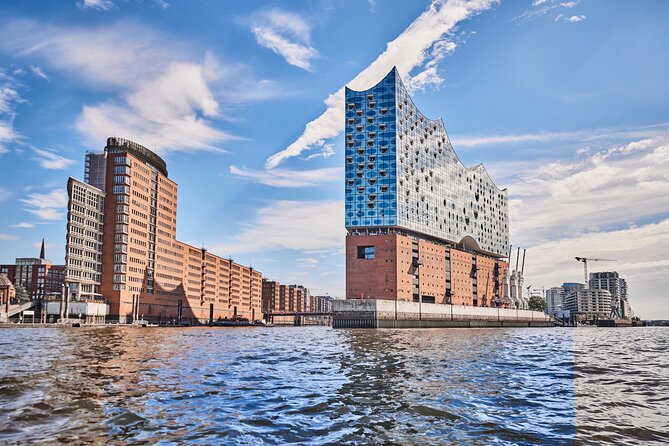
The Elbphilharmonie is the visual centerpiece. Its glass upper section rises above the old brick warehouse base, making it easy to pick out from the water. The building represents the modern face of Hamburg, but its base keeps a physical link to the old warehouse port.
I like seeing the Elbphilharmonie from the river because the view puts the building in context. From land, you mostly notice its unusual roof and glass facade. From the boat, you can see how it sits beside the old port, the canals, and the wide Elbe.
The HafenCity section is also a reminder that Hamburg’s waterfront is still being reshaped. Port land is valuable, and the city must balance housing, offices, culture, transport, historic buildings, and industrial work. The guide’s discussion of building projects and port modernization helps turn that visual change into a clear story.
The drawback is that this is a moving view. You will not have unlimited time to study each building, and a crowded boat or poor weather could make photography harder. Keep your camera ready, but pay attention to the larger layout rather than trying to record every facade.
Same city, a completely different kind of day:
- Hamburg: Sex and Crime in St. Pauli Tour for Ages 18+
★ 4.7 · 15,447 reviews - Hamburg: 1.5-Hour Harbor and Speicherstadt Day Cruise
★ 4.6 · 14,200 reviews - Hamburg: 90-Minute Evening Lights Harbor Cruise
★ 4.5 · 7,728 reviews - Hamburg: Line A Sightseeing Hop-On Hop-Off Bus Tour
★ 4.6 · 6,958 reviews
Container ships reveal the port’s scale
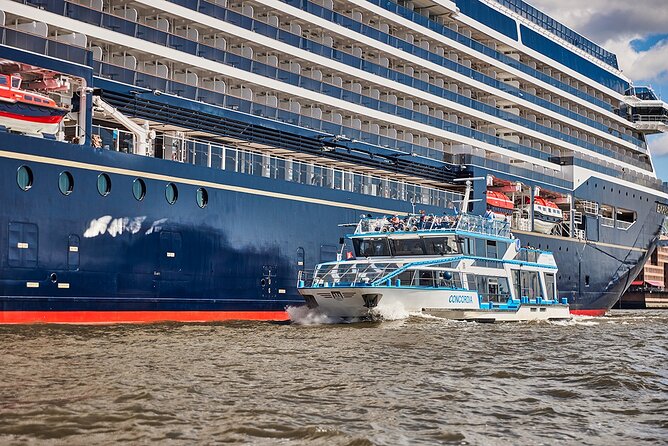
The cruise becomes more impressive when it reaches the working parts of the harbor. Hamburg’s port is not simply a row of boats near downtown. It is a large commercial system built to handle international trade, shipping, storage, and transfers between vessels and land transport.
You may see container ships, port machinery, docks, and industrial areas. The exact mix depends on current harbor activity, but the essential lesson remains the same: Hamburg’s economic life is tied to the movement of goods.
This is where the guide’s commentary matters most. The tour covers transshipment figures, trade links with other countries, port expansion, and changes in ship design. Those details give meaning to what might otherwise look like a series of cranes and warehouses.
For me, that is the strongest reason to choose the longer cruise. You are not just looking at ships. You are learning why they are there, what the port handles, and how the harbor has adapted to new demands.
One booking comment singled out the guide Joel, who was praised for combining humor with detailed facts throughout the trip. Joel may not be the guide on every departure, but that description gives you a useful sense of the best version of the experience: practical port information delivered in a lively way rather than as a dry lecture.
Köhlbrand Bridge and the industrial waterfront
The Köhlbrand Bridge is another major sight on the route. Its long span and industrial setting make it one of the clearest markers of Hamburg’s port infrastructure.
The bridge is more than a photo stop. It helps you judge distance and scale. From the water, you see how roads, bridges, terminals, and shipping channels must work together. A city port of this size depends on constant links between the river, the docks, warehouses, and inland transport.
The industrial waterfront may appeal most to people who prefer working places over postcard views. You will see the less polished side of Hamburg, including port expansion areas, shipyards, wharves, and facilities tied to modern shipping.
That part can feel less scenic than Speicherstadt or HafenCity. I would not book this cruise expecting two hours of charming canals and historic buildings. The tour is strongest when you are curious about infrastructure, trade, and the scale of a modern port.
At the same time, the industrial views make the cruise more honest. Hamburg is not only a beautiful northern city. It is also a place where cargo is loaded, ships are repaired, and large construction projects continue to reshape the waterfront.
Commentary, language, and what you learn onboard
The live commentary is in German. An English audioguide app is included, so English speakers can still follow the main points, but the experience may feel different from having a live guide speak directly in your language.
If you understand German, the live presentation is likely to be the most engaging option, especially when the guide adds humor or responds to what is happening around the boat. The detailed praise for Joel suggests that a strong guide can make the port facts easier to remember.
If you use the English app, bring a charged phone and make sure you are comfortable using an app while watching the scenery. The supplied information does not specify how the app works, so you should not assume every detail will be delivered in exactly the same way as the German commentary.
The subject matter is unusually practical. You can expect discussion of trade relations, transshipment, shipyards, new building projects, port expansion, and the modernization of ships. This is a good fit if you like to understand how a city functions, not just collect landmarks.
Is two hours the right length?
Two hours is long enough to move beyond the immediate waterfront and see more of the port’s structure. A shorter ride might show you Landungsbrücken, the Elbphilharmonie, and nearby water views, but it would give less time for the industrial sections and the explanation of Hamburg’s trade network.
The length does require some patience. Harbor scenery can be repetitive, especially when the boat is passing docks or storage areas. The reward comes from watching the setting change gradually, from historic warehouses to modern waterfront construction and heavy port operations.
I would choose this cruise early in a Hamburg visit. It gives you a useful map in your head before you explore Speicherstadt, HafenCity, or the Elbe waterfront on foot. You may recognize the bridges and port zones later, which makes the city easier to understand.
It also works well on a day when you want a break from walking. You can sit on the water, listen to the commentary, and take in a large part of the city without crossing streets or changing trains.
Who should book this harbor cruise?
I would recommend it to first-time visitors who want a broad introduction to Hamburg, especially if the city’s shipping role interests you. It suits people who enjoy engineering, urban change, bridges, international trade, and working waterfronts.
Families may appreciate the changing scenery and large ships, though the value depends on how much children enjoy commentary about port operations. The two-hour length is substantial, so very young children may find parts of the ride slow.
Architecture fans will get good views of the Elbphilharmonie and Speicherstadt, but this is not an architecture tour. The main subject is the port, with buildings serving as part of a larger story.
English speakers can book it, but you should be comfortable using the audioguide app. German speakers may get more from the live presentation. Wheelchair users should choose another activity because the boat is not wheelchair accessible.
The free cancellation policy allows cancellation up to 24 hours before departure for a full refund. You can also reserve now and pay later, which helps if your Hamburg schedule is still changing. Check the available departure times before booking, since the exact schedule is not fixed in the information provided.
Final call: a strong choice for understanding Hamburg
Book this cruise if you want to see the city’s commercial heart and understand how the old warehouse port connects with today’s container trade. The standout features are the two-hour duration, the mix of Speicherstadt, HafenCity, and industrial docks, and commentary that covers real port business rather than only famous buildings.
Skip it if you want a short, purely scenic boat trip, or if you need wheelchair access. English speakers should also weigh the audioguide format before booking.
At $40, I see it as a worthwhile orientation to Hamburg, particularly early in your stay. It gives you the city from a working angle, with enough time to show why the Elbe is not just a river beside Hamburg, but the reason the city became what it is.
FAQ
How long is the Hamburg harbor cruise?
The cruise lasts two hours.
Where do I check in?
Check in at the Barkassen-Meyer ticket counter at Landungsbrücken, Bridge 2.
What language is the tour in?
The live commentary is in German. An English audioguide app is included.
What sights can I expect to see?
The route includes HafenCity, the Elbphilharmonie, Speicherstadt, the Köhlbrand Bridge, container ships, docks, wharves, and industrial port areas.
Are drinks included?
No. Drinks are not included, but they can be purchased onboard.
Is the boat wheelchair accessible?
No. The boat is not wheelchair accessible, and the activity is not suitable for wheelchair users.
Just added around Hamburg
- Hamburg: Historical Tour of the St. Pauli Sex Work District★ 4.4 · 215 reviews
- Hamburg: St. Pauli Food and Bier Tour★ 4.7 · 5 reviews
- Hamburg: Private Tour Red Light District Walking Tour★ 4.7 · 227 reviews
- St. Pauli Tour: Drag-Attack with Barbie Stupid & Lee Jackson★ 4.8 · 280 reviews
- St. Michael’s, Elbe Tunnel & Harbor 2-Hour Hamburg Tour★ 4.9 · 21 reviews
- Satt Pauli – der kulinarische Rundgang durch St. Pauli★ 4.8 · 12 reviews
- Hamburg: Safari tour in St. Pauli★ 4.9 · 11 reviews
- Hamburg: Reeperbahn Comedy Club★ 4.3 · 53 reviews
Cruises & Boat Tours, compared.
1-Hour City Tour by Boat with Guaranteed Seating
Read our review →
1.5-Hour Harbor and Speicherstadt Day Cruise
Read our review →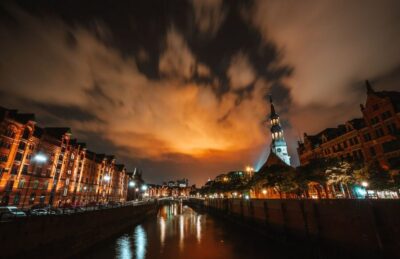
River Main Sightseeing Cruise with Commentary
Read our review →
Browse the lists this tour appears in