
Reviewed · GERMANY
EUMETSAT – weather data for the world “made in Darmstadt”
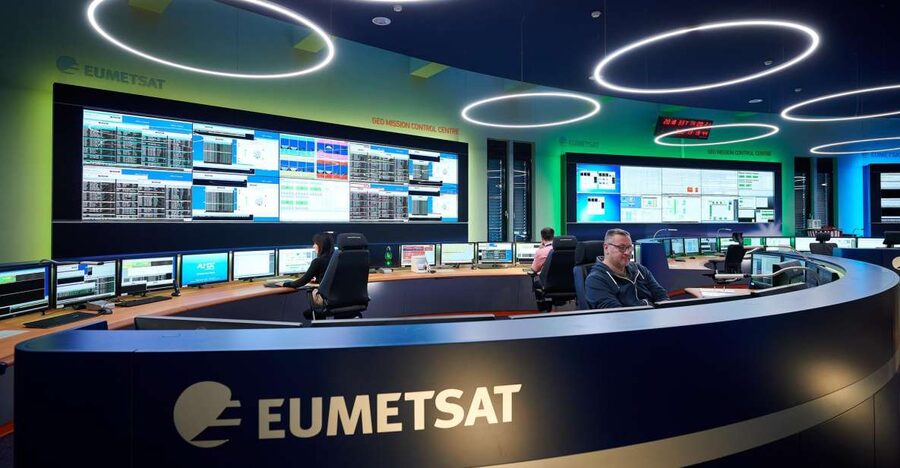
The most surprising part of this Darmstadt tour is its scale. EUMETSAT helps operate Europe’s meteorological satellite system around the clock, and the visit brings that work down to earth with full-size satellite models. You get a clear look at the hardware behind the weather map on your phone, not just a general talk about space.
I like two things here: the tour connects everyday forecasts with climate monitoring, and the satellite models make an abstract subject easy to grasp. The main point to consider is that the tour is conducted in German, and strict security rules mean you must bring an accepted passport or identity card.
In This Review
- Key points at a glance
- Why EUMETSAT matters in Darmstadt
- What the 90-minute tour covers
- The satellite models are the star attraction
- From tomorrow’s forecast to climate records
- German language and the guide’s role
- Security rules you need to take seriously
- Outdoor portions and what to wear
- Is $17 a fair price?
- Who should book this Darmstadt visit?
- Practical planning for the visit
- Should you book EUMETSAT?
- FAQ
- Where is the EUMETSAT tour held?
- How long does the tour last?
- What language is the tour in?
- How much does the tour cost?
- What is the minimum age?
- What identification do I need?
- Are large bags allowed?
- Is the tour wheelchair accessible?
- Can I cancel the booking?
Key points at a glance
- Full-size satellite models: See satellite hardware at a scale that makes the technology easier to understand.
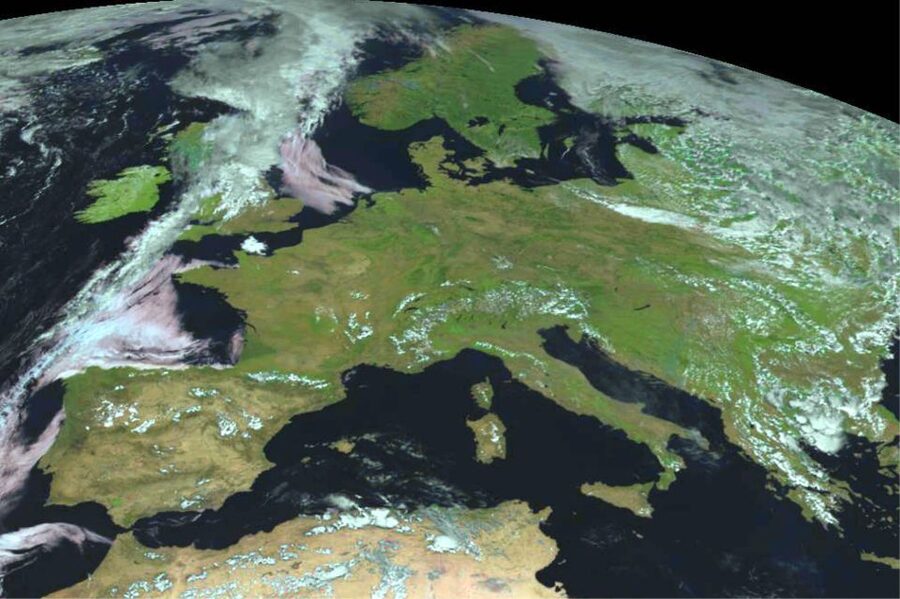
- Weather data in action: Learn how EUMETSAT supports daily forecasts from its Darmstadt headquarters.
- Climate science included: The tour explains how satellite information helps measure climate change and global warming.
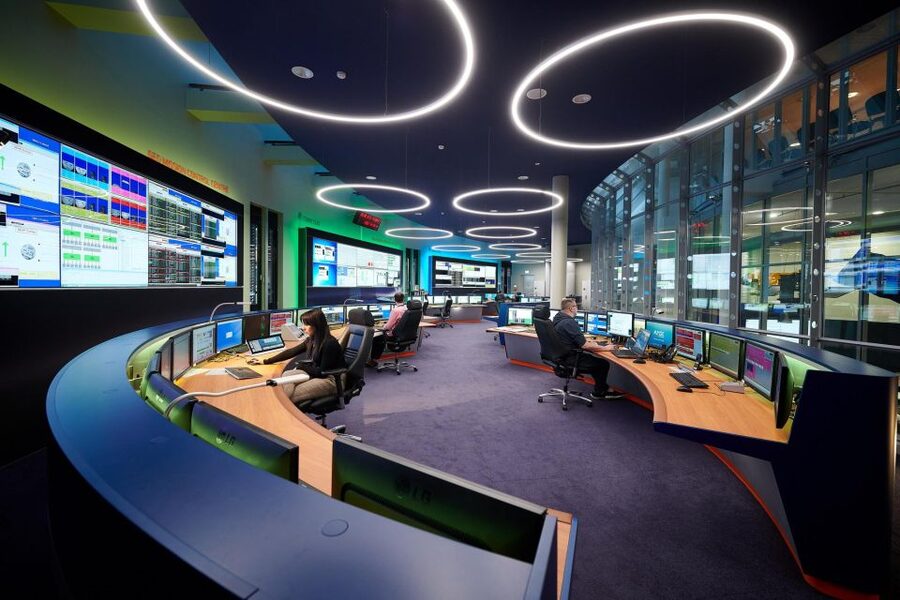
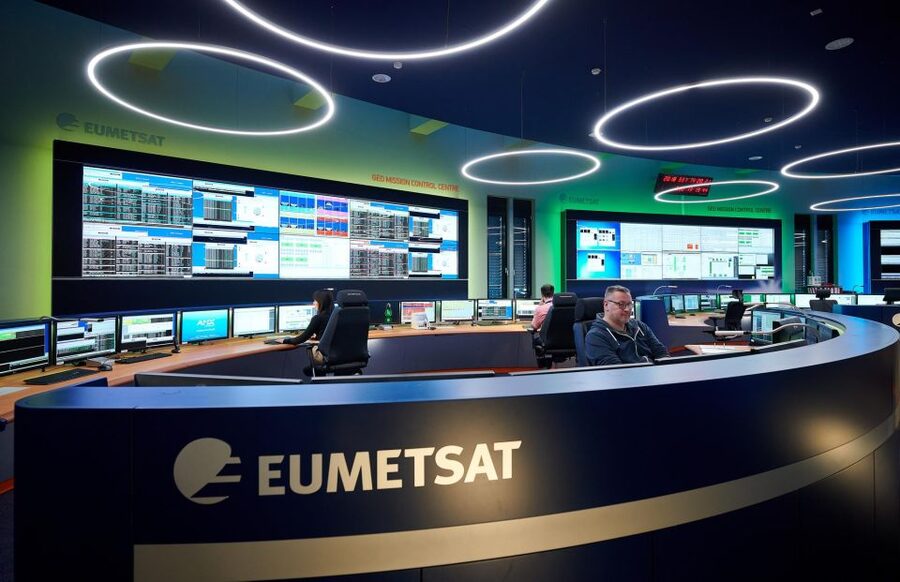
- A working European facility: EUMETSAT operates its satellite system 24 hours a day, 365 days a year.
- Security is part of the visit: You need pre-registration, an accepted identity document, and no large bags.
- Best for curious visitors aged 12 and up: The German-language format suits older children, science fans, and adults.
Why EUMETSAT matters in Darmstadt
Darmstadt is known in part for science and technology, so EUMETSAT fits the city well. Since 1986, the European Organisation for the Exploitation of Meteorological Satellites has had its headquarters here. From this site, a satellite system supplies information used far beyond Germany.
You probably meet EUMETSAT every day without noticing it. Weather forecasts depend on data gathered from above the Earth, and that information helps meteorologists understand changing conditions. EUMETSAT also supplies data used to study climate change and global warming.
That connection gives this tour more weight than a simple look at space equipment. You are not only seeing machines built for orbit. You are learning how those machines support decisions about weather and the planet’s long-term health.
I find that useful because satellites can seem remote and technical. A forecast on a screen is familiar, while the path from satellite to forecast is not. The tour helps bridge that gap in a compact 90-minute visit.
Other Germany days worth putting on the list:
- Berlin: Reichstag, Dome and Government District Guided Tour
★ 4.7 · 18,288 reviews - Berlin: 1-Hour City Tour by Boat with Guaranteed Seating
★ 4.3 · 16,993 reviews - Hamburg: Sex and Crime in St. Pauli Tour for Ages 18+
★ 4.7 · 15,447 reviews
What the 90-minute tour covers
The exact stop-by-stop script can vary with the guide and site conditions, but you can expect a guided visit lasting about one and a half hours. The central theme is EUMETSAT’s work and the satellite system operated from Darmstadt.
The tour includes access to full-size satellite models, some of which can be seen at one-to-one scale. That is the detail I would value most. A model the size of the real object gives you a better sense of how much equipment is needed to collect weather information from space.
The size also adds a welcome human touch to the science. Diagrams and screens can explain a satellite’s purpose, but a life-sized model helps you understand its physical form. You can see the structure as an object rather than treating it as a distant dot in orbit.
Your German-speaking guide leads the explanation and answers questions. One especially strong feature of the visit is the chance to ask about the satellites directly. The available feedback describes the guide as highly engaged and able to answer questions, which matters on a technical tour where a fixed speech can quickly lose people.
I would arrive ready to ask simple questions. You might want to know how weather information becomes a forecast, why several satellites are needed, or how the same data can help scientists measure long-term change. The supplied details do not promise a particular control-room demonstration or a chance to operate equipment, so book this for explanation and access to the models rather than a hands-on simulation.
The satellite models are the star attraction
The most memorable part of the visit is likely to be the satellite display. Some models are presented at real scale, allowing you to compare the equipment with your own height and surroundings.
That makes the tour especially useful for anyone who has seen satellite images but has never thought about the machines producing them. The models give you a sense of the engineering involved without requiring an advanced science background.
I also like that the display supports different kinds of curiosity. Children aged 12 and older can focus on the size and design, while adults may pay closer attention to the role of satellite data in forecasting and climate records. The minimum age keeps the visit aimed at an audience able to follow a technical explanation.
The tour is not designed for young children. Anyone under 12 is excluded, and baby carriages are not allowed. That is worth checking before you book if you are arranging an outing for a mixed-age family.
From tomorrow’s forecast to climate records
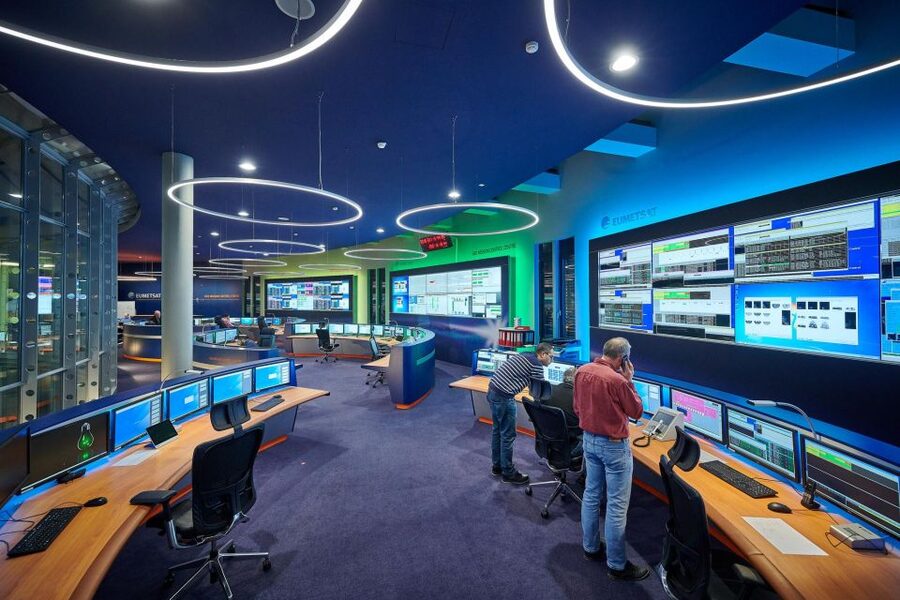
EUMETSAT’s work has two time scales. One is immediate: weather data helps produce the forecasts you use for the next day or week. The other is long-term: repeated observations help scientists examine climate change and global warming.
That pairing gives the visit a useful structure. You begin with a service that affects ordinary life, then see how the same broad system contributes to scientific study over many years. The tour can help you understand why reliable observations from space matter even when you are not watching a weather report.
I would pay attention to this part if you want more than a space-themed attraction. The tour links astronomy, engineering, meteorology, and climate science in one place. It does not present satellites as flashy gadgets. It shows them as working tools with a practical purpose.
The information provided does not specify the names of individual satellites or promise a particular lesson about one model. You should expect a general guided introduction to EUMETSAT and its satellite work, with the models supplying the strongest visual element.
Same city, a completely different kind of day:
- Hamburg: 1.5-Hour Harbor and Speicherstadt Day Cruise
★ 4.6 · 14,200 reviews - From Munich: Neuschwanstein & Linderhof Castle Full-Day Trip
★ 4.5 · 12,494 reviews - Dresden: Semperoper Tickets and Guided Tour
★ 4.7 · 12,102 reviews - Berlin: Boat Tour Along the River Spree
★ 4.4 · 11,252 reviews
German language and the guide’s role
The official tour language is German. That is the most important booking consideration for international visitors. If you do not understand German, the visual models may still be interesting, but you should not count on an English explanation or translation.
A good guide can make a technical visit much easier to follow, and the tour places real emphasis on questions. The guide is described as engaged and able to answer questions, so a German-speaking visitor who enjoys discussion should get more from the 90 minutes than someone who simply follows along quietly.
If you are visiting with a German-speaking friend, this could be a good shared outing. If no one in your group understands German, I would choose it only if the satellite models themselves are enough to justify the visit.
There are no named guides listed for this activity. That means you should not book expecting a particular person or a guaranteed specialist by name. The quality of the explanation may depend on the guide assigned that day.
Security rules you need to take seriously
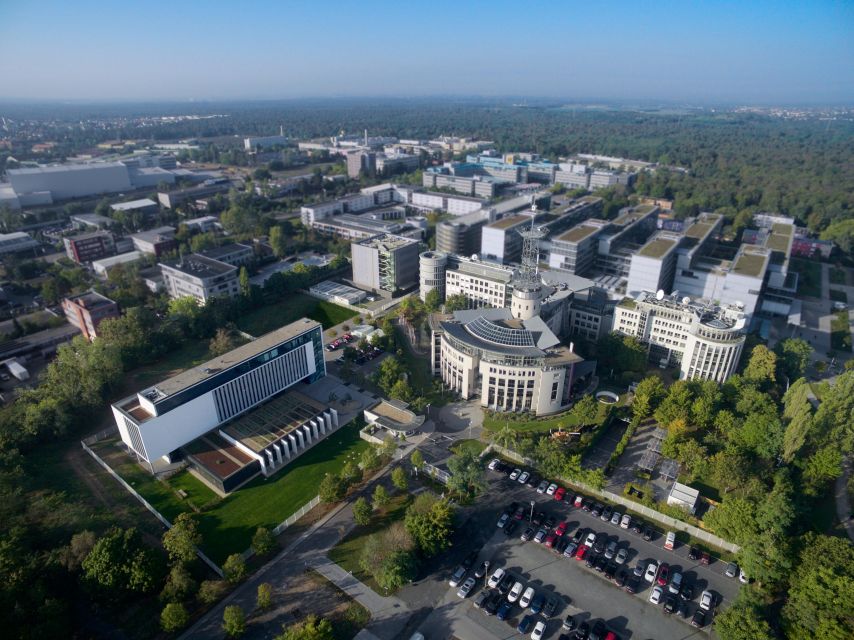
This is a working international organization, not a casual museum with an open-door entrance. You must be pre-registered with Darmstadt Marketing, and the organizers require the full name and nationality of every participant.
Bring a valid passport or identity card. For people aged 16 and over, an accepted identity document is required, and the document is checked for authenticity and held for the duration of the visit. A driving licence, residence permit, health insurance card, or similar item is not accepted as proof of identity.
That rule can feel more formal than you expect from a sightseeing activity, but it is simple to manage if you prepare. Do not arrive with only a driving licence and assume it will be enough.
Visitor identification must remain visible during the tour. You must stay with the group, follow the security staff’s instructions, and may not leave the group on your own. Uncooperative behavior can result in refused entry or removal from the site.
Large bags, backpacks, and luggage are not allowed. Baby carriages are also prohibited. I would keep your belongings light and plan around this before setting out for the meeting point at the visitors’ gate, EUMETSAT-Allee 1.
Outdoor portions and what to wear
Part of the guided tour takes place outdoors. That detail matters more than it might at first appear, since your comfort will depend on the weather on the day of your visit.
Wear suitable clothing and shoes for changing conditions. You do not need special equipment, but you should be ready to spend some time outside rather than treating this as a fully indoor exhibition.
The outdoor element may also be part of what makes the satellite models easier to appreciate. Seeing large models in an open setting gives you room to understand their scale. The tradeoff is that rain, cold, heat, or wind could affect your comfort.
The site is wheelchair accessible, which makes this a more practical choice for many visitors with mobility needs. Since part of the tour is outdoors, I would still confirm any personal access needs when booking if you require a particular arrangement.
Is $17 a fair price?
At $17 per person, the tour offers a focused 90-minute look at a specialized European organization. I consider that reasonable if you value science, weather systems, or space technology, especially because the visit includes a guided tour and access to full-size models.
The value comes from access to a place most people only encounter indirectly. You are not simply paying to look at a standard museum display. You are visiting the headquarters of an organization that operates meteorological satellites throughout the year.
It is less compelling if you want a broad space museum, English-language interpretation, or a large collection of interactive exhibits. The information provided promises a guided tour, not a full day of activities. Plan on a concentrated introduction rather than a sprawling attraction.
The option to reserve now and pay later helps if your timetable is still shifting. Free cancellation is available up to 24 hours in advance for a full refund, so you have some protection if your plans change. Still, the pre-registration and identity requirements mean this is not the kind of visit you should arrange at the last minute without checking your documents.
Who should book this Darmstadt visit?
I would recommend EUMETSAT to adults and families with children aged 12 or older who enjoy science with a practical purpose. It is also a strong choice for anyone interested in weather forecasting, satellites, European institutions, or climate measurement.
The tour suits you particularly well if you like asking questions. The guide-led format gives you a chance to move beyond a display label and clarify how the organization’s work connects with daily forecasts.
I would be more cautious if you need English, dislike formal security checks, or are traveling with large luggage. The German-only format and strict entry rules are not minor details. They shape the whole visit.
This is also not the right pick for a very young family. Children under 12 cannot join, and baby carriages are not permitted. Older children with a genuine interest in space should find the scale of the models more rewarding than a standard children’s attraction.
Practical planning for the visit
Set aside 90 minutes, then allow extra time to reach the visitors’ gate and complete security procedures. The meeting point is EUMETSAT’s visitors’ gate at EUMETSAT-Allee 1.
Have every participant’s full name and nationality ready for pre-registration. Anyone aged 16 or older should carry a valid passport or identity card, and all participants should bring an accepted identity document because access depends on it.
Leave luggage and large bags behind. Since visitor IDs must be worn visibly and the group cannot be left during the tour, this is a structured visit from entrance to exit.
Check the available starting times before booking. The tour operates with a live German-speaking guide, and availability can vary by date.
Should you book EUMETSAT?
Book this tour if you want a compact, serious look at the machines and systems behind weather forecasting. The life-size satellite models, direct questions with a guide, and link between daily weather and climate science give the visit real substance for $17.
Skip it if you need English, want hands-on exhibits, or prefer a relaxed attraction with no identity checks. For the right audience, EUMETSAT offers something unusual in Darmstadt: a chance to see how space-based data becomes useful information for life on Earth.
FAQ
Where is the EUMETSAT tour held?
The meeting point is the visitors’ gate at EUMETSAT-Allee 1 in Darmstadt, Hessen, Germany.
How long does the tour last?
The guided tour lasts approximately one and a half hours.
What language is the tour in?
The live tour guide speaks German. No other tour language is specified.
How much does the tour cost?
The listed price is $17 per person.
What is the minimum age?
The minimum age for the guided tour is 12. Children under 12 cannot take part.
What identification do I need?
You must bring a valid passport or identity card. Driving licences, residence permits, health insurance cards, and similar documents are not accepted as proof of identity.
Are large bags allowed?
No. Luggage, large bags, and large backpacks are not allowed.
Is the tour wheelchair accessible?
Yes, the activity is listed as wheelchair accessible.
Can I cancel the booking?
You can cancel up to 24 hours in advance for a full refund. You can also reserve now and pay later.
Just added around Germany
- e-Scavenger hunt Aachen: Explore the city at your own pace★ 4.0 · 13 reviews
- Private photo tour in Cologne★ 5.0 · 9 reviews
- Private walking tour of Cologne’s old town★ 5.0 · 28 reviews
- Roman Cologne: A Self-Guided Audio Tour★ 4.0 · 15 reviews
- Public brewhouse tour in English★ 5.0 · 94 reviews
- Kölsch and Brewhouse Tour (18 and up)★ 5.0 · 5 reviews
- Private-Group Bike Tour of Cologne with Guide★ 5.0 · 20 reviews
- Köln Night PubCrawl: 4 Venues, Welcome Shots + Club Entry★ 3.5 · 4 reviews