

Reviewed · SCAVENGER HUNTS & ESCAPE GAMES
Duisburg Landscape Park GPS treasure hunt in old ironworks
Where iron once poured through Duisburg’s old casting halls, you now search for coordinates, solve clues, and follow a treasure route through the former works. This two-hour GPS hunt turns an industrial site into a large outdoor puzzle for families, friends, and small groups.
I like the choice of three difficulty levels, which lets a family with younger children pick a gentler route while experienced puzzle fans take on more demanding tasks. I also like the flexible equipment: bring your own GPS unit or smartphone, or choose rental equipment when booking.
The main caution is practical rather than glamorous. Parts of the route can occasionally be closed, and one puzzle may be hard to solve if the instructions or site conditions are unclear. Check with the friendly visitor-center staff before setting out.
In This Review
- Key points at a glance
- From ironworks to outdoor puzzle course
- Choosing the right road book
- Picking up the clues at the visitor center
- How the two-hour hunt works
- Exploring the old casting halls without a standard tour
- Competition for up to six teams
- Weather, footwear, and the best time to go
- Who will enjoy this most?
- How to make the outing run better
- Should you book the Duisburg GPS treasure hunt?
- FAQ
- How long does the Duisburg GPS treasure hunt take?
- How much does the activity cost?
- What is included in the price?
- Can I use my own smartphone or GPS device?
- Is the treasure hunt available in English?
- Is the activity suitable for children?
Key points at a glance
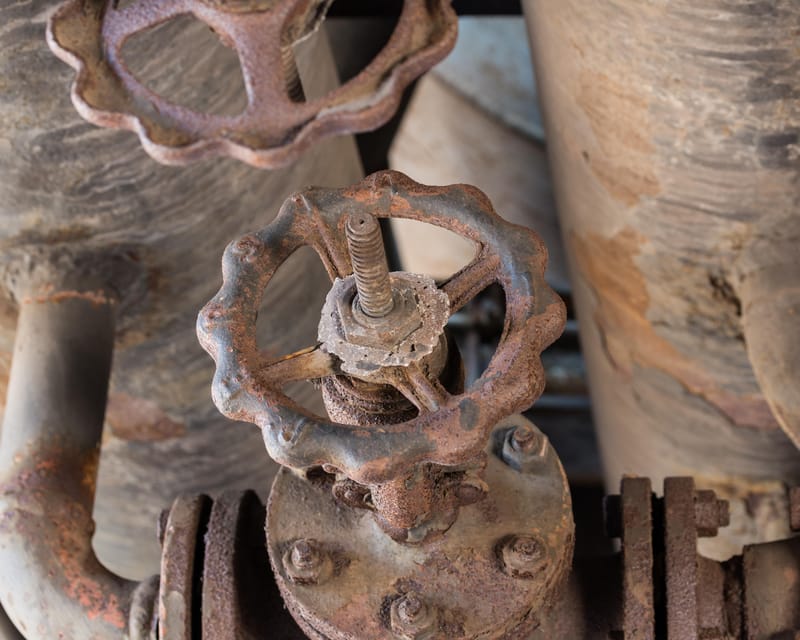
- Three road books for different ages and skills: Choose an easier, moderate, or more demanding hunt.
- A real industrial setting: Search around Duisburg’s former ironworks instead of following a standard sightseeing route.
- Two hours outdoors: Wear comfortable shoes and expect to walk between puzzle stations.
- Your choice of GPS equipment: Use your own smartphone, your own GPS device, or rental equipment.
- A prize for every participant: Each person receives a treasure linked to the park and ironworks.
- A team challenge for up to six groups: Compete with friends or family groups on the same outing.
From ironworks to outdoor puzzle course

Duisburg Landscape Park is built around a former industrial complex, so this is not a treasure hunt in a generic city square. Your route takes place in an old ironworks where massive industrial structures provide the setting for GPS searches and clue solving.
That setting gives the activity its best feature: you are learning the shape and character of the site while trying to find your next point. Instead of simply reading about industrial Duisburg, you move through it with a task in hand. The reward is tied to the park and its ironworks, which makes the finish feel connected to the place rather than like a random souvenir.
I would not book this expecting a guided history walk with a steady stream of commentary. The instructor language is German, and the main experience is self-guided. You receive a road book, follow directions, and work out the answers with your team.
That format is useful if you enjoy having room to set your own pace. It is less useful if you want every industrial feature explained by a guide as you go.
More scavenger hunts & escape games in Germany:
- Hamburg: Treasure Hunt Game through HafenCity
★ 4.7 · 364 reviews - Hamburg: Scavenger Hunt Self-Guided Tour for Children
★ 4.5 · 319 reviews - Treasure Hunt through Hamburg’s Hafencity
★ 5.0 · 234 reviews
Choosing the right road book
The road book is the heart of the activity. You can choose from three levels of difficulty, so the best option depends on the youngest person in your group and on how much head-scratching you want.
For children around the minimum age of seven, the easiest route is the sensible starting point. Younger puzzle solvers may enjoy finding coordinates and spotting locations, but difficult calculations or wordplay can quickly turn a family outing into an adult rescue mission.
The harder versions should suit older children, teenagers, and adults who enjoy solving problems without immediate help. If your group includes mixed ages, choose a level that keeps the youngest child involved. A route that is too hard can leave children watching while adults do all the work.
You receive one road book per group, not one per person. That is enough for a shared team activity, but you should decide in advance who will carry it and who will handle the GPS device. Giving children real jobs, such as checking coordinates or reading the next clue, helps keep the hunt active for everyone.
Picking up the clues at the visitor center
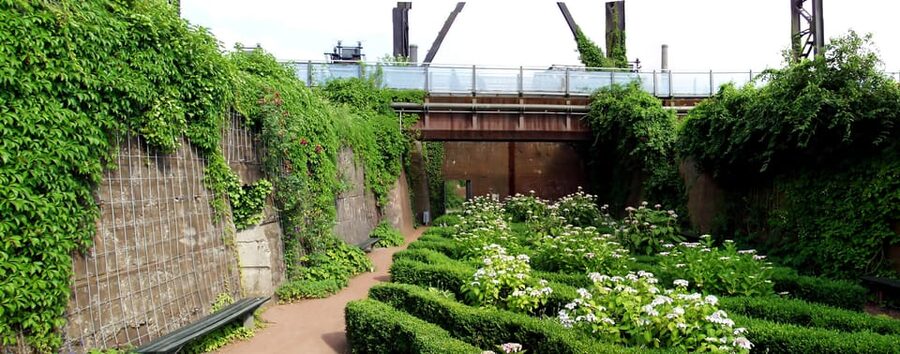
Your starting point is the visitor center. You can begin when you choose, as long as you collect the road book during the center’s opening hours. This gives you more freedom than a tour with a fixed departure time, but it also means you need to plan around the center’s hours.
At pickup, confirm three things before walking away:
- Which difficulty level you have selected
- How the GPS or smartphone instructions work
- Whether any section of the route is currently closed
That last question matters. A route change can make a station impossible to reach, and a closed section can spoil the logic of a clue. Staff at the center can help you adjust your plan. A friendly staff member has also been noted for taking time to discuss the route and explain what could be improved, so do not hesitate to ask for help if a station makes no sense.
You should also make sure your phone is ready if you plan to use it. The information confirms that smartphones are suitable, but it does not specify battery provision or mobile coverage. Bring a charged device and treat the road book as your backup reference.
How the two-hour hunt works
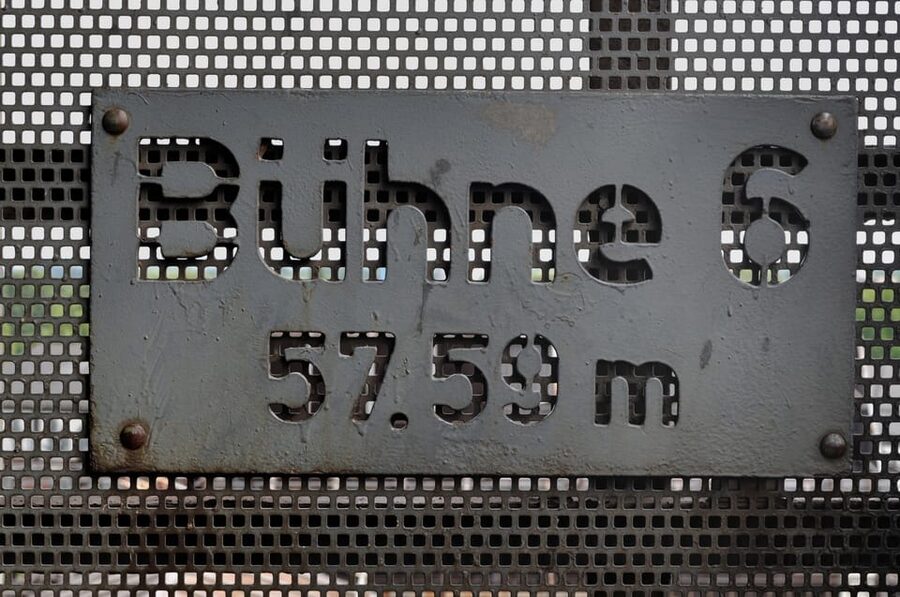
The basic rhythm is simple: find a location using GPS coordinates, inspect the area, solve a task, and use the result to continue. The route mixes navigation with problem solving, so you are not merely walking from point to point.
At the first station, your team will likely spend time getting used to the system. GPS searches are not always instant, and the right answer may depend on spotting a feature or interpreting the road book correctly. Give children a chance to search before adults step in.
As you move farther through the old works, the industrial surroundings become part of the puzzle experience. The exact stations and answers are not provided, and that is the point. You are meant to look carefully and connect the written task with the place in front of you.
Some tasks are described as tricky. That can be fun when your group enjoys debate and trial and error. It can be frustrating when a question allows several possible answers or when a station is difficult to access. If you get stuck, review the wording slowly and check that you are at the correct coordinates before guessing.
One known problem involved a station where repeated attempts did not produce a clear result, leaving the group to estimate the answer. This is a good reason to avoid rushing. Keep track of your work, and ask at the visitor center afterward if a puzzle seems faulty rather than assuming your team simply missed something.
Same city, a completely different kind of day:
- Berlin: Reichstag, Dome and Government District Guided Tour
★ 4.7 · 18,288 reviews - Berlin: 1-Hour City Tour by Boat with Guaranteed Seating
★ 4.3 · 16,993 reviews - Hamburg: Sex and Crime in St. Pauli Tour for Ages 18+
★ 4.7 · 15,447 reviews - Hamburg: 1.5-Hour Harbor and Speicherstadt Day Cruise
★ 4.6 · 14,200 reviews
Exploring the old casting halls without a standard tour
The industrial setting changes how you experience the park. You are not moving through a polished museum with objects arranged behind glass. You are using an active site as your playing field, with the former ironworks providing the visual clues and atmosphere.
That makes the outing especially useful for families who want sightseeing without asking children to stand quietly while an adult talks. The hunt gives you a reason to keep moving, and the route can add context about the park as you go.
One of the clearest benefits is that the activity helps you notice the site. A normal walk might take you past structures without much thought. A GPS task encourages you to look for specific details and understand how separate parts of the works fit into the route.
Still, you should keep your expectations in check. The activity does not promise a full explanation of the ironworks, and the German-only instructions may limit the experience for anyone who cannot read German. If learning industrial history is your top goal, pair this with another visit to the park rather than relying on the treasure hunt alone.
Competition for up to six teams
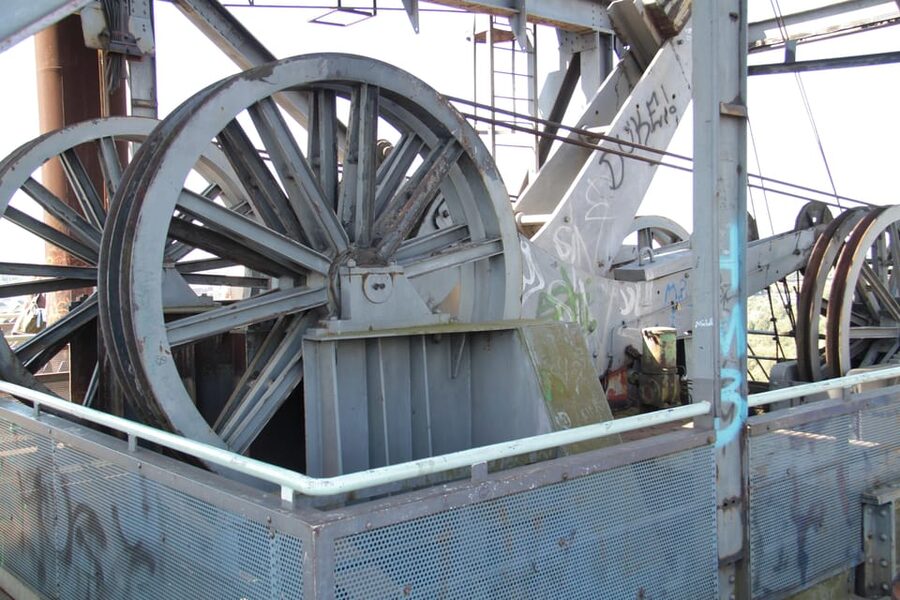
The hunt can be run as a contest with up to six teams. That setup works well for a birthday group, a school outing, a family gathering, or several groups of friends.
Competition changes the mood. A casual puzzle walk becomes a race to solve clues and reach the treasure first. Some groups will love comparing progress, while others will prefer to ignore the clock and enjoy the setting.
If you are competing, divide into balanced teams. A group with all the strongest German readers or all the adults may finish quickly, while a team of younger children may need more time. The three road-book levels can help, but they do not remove the need for sensible team choices.
The experience is sold at $15 per person. That is a fair price when each participant receives a treasure and your group values a structured two-hour activity in a distinctive setting. The road book is shared by the group, so the price works best when several people participate together rather than when one person completes it alone.
The value is less clear if you are paying mainly for a guided explanation, a large number of personal materials, or a polished attraction with every route detail guaranteed. This is a self-guided puzzle outing, and its quality depends partly on the route being open and the clues working as intended.
Weather, footwear, and the best time to go
The activity runs all year, which is a useful advantage in northern Germany. You are not limited to a short summer season, and you can fit the hunt into a wider visit to Duisburg.
Because it is outdoors, dress for the actual weather rather than for the industrial setting alone. Comfortable shoes are specifically advised. You should expect walking between stations and may need to stand while reading clues or checking coordinates.
A dry day will make the route easier and more pleasant, especially for younger children. Rain does not automatically rule it out, but wet conditions can make an outdoor puzzle slower and less comfortable. Leave enough time around the two-hour estimate if your group includes children, if you expect difficult clues, or if you plan to pause and look at the site.
The flexible start time can help. You can choose a point in the day when your group has the most energy, but remember that road-book pickup is tied to visitor-center opening hours.
Who will enjoy this most?

I would recommend the hunt to families with children aged seven and older who enjoy games, outdoor activities, and small challenges. It is also a good fit for adults who want to explore the ironworks in an active way rather than follow a formal tour.
It suits you particularly well if:
- You like solving clues as a team
- You want a reason to explore the park on foot
- Your group includes children who need an activity to hold their attention
- You enjoy choosing your own pace
- You can follow German instructions
- You are comfortable using a smartphone or GPS device
It is a weaker match for wheelchair users and visually impaired people, as the activity is not considered suitable for either. Children under seven should not take part.
You may also want to choose another activity if your group dislikes uncertainty. A treasure hunt can include dead ends, disputed answers, and pauses while everyone argues over the next move. That is part of the fun for some groups, but not for everyone.
How to make the outing run better
Start by selecting the road-book level honestly. The hardest route is not automatically the best one. A successful family hunt is one where children can solve at least some clues themselves.
Bring comfortable shoes, a charged smartphone if you are using one, and clothing suited to an outdoor activity. Since the experience is available in German only, make sure someone in the group can read the road book well enough to explain each task.
At the visitor center, ask about closures before you begin. A route station that cannot be reached can break the sequence and leave you guessing. If a clue seems impossible after several careful attempts, note the problem and ask staff for help instead of allowing one station to consume the whole two hours.
If you are visiting with several groups, agree on whether this is a serious contest or a shared outing before starting. The activity supports up to six competing teams, but a relaxed approach may work better for families with children of different ages.
Should you book the Duisburg GPS treasure hunt?
Book it if you want a reasonably priced, self-guided way to explore an old ironworks while keeping children and adults busy. The three difficulty levels, year-round schedule, team format, and personal treasure make it more flexible than a standard walk.
I would be more cautious if your group needs guaranteed access to every station, detailed English explanations, or wheelchair-friendly routes. The route can be affected by closures, and at least one puzzle may require patience or help from the visitor center.
For families and friends who like GPS games, the $15 price offers solid value, especially when several people share the road book and each receives a place-related prize. Go with comfortable shoes, a charged phone, and a willingness to treat the clues as part of the adventure rather than a perfectly polished exam.
FAQ
How long does the Duisburg GPS treasure hunt take?
The activity lasts about two hours. You can check available starting times when booking, and the road book can be collected during visitor-center opening hours.
How much does the activity cost?
The price is $15 per person.
What is included in the price?
You receive one road book per group, with a choice of three difficulty levels. Each person also receives one treasure connected with Duisburg Landscape Park and the ironworks.
Can I use my own smartphone or GPS device?
Yes. You may use your own GPS device or smartphone, or choose rental equipment.
Is the treasure hunt available in English?
No. The activity language is German, including the instructor support and road-book material.
Is the activity suitable for children?
It is suitable for children aged seven and older. Children under seven should not take part. The activity is also not suitable for wheelchair users or visually impaired people.
Just added around Germany
- Aachen old town tour – GERMAN (public)★ 5.0 · 24 reviews
- Aachen Private Walking Tour With A Professional Guide★ 5.0 · 11 reviews
- Cologne Highlights: Exclusive Private Tour★ 5.0 · 5 reviews
- Bremen Private Walking Tour With A Professional Guide★ 5.0 · 7 reviews
- Private Walking Tour through the Fascinating Bremen’s City Center★ 5.0 · 5 reviews
- Explore Cologne’s best Street Art Quarter★ 4.5 · 4 reviews
- Bremen Exploration Private Game and City Tour on your Phone★ 4.5 · 7 reviews
- e-Scavenger hunt Bremen: Explore the city at your own pace★ 4.0 · 24 reviews
Scavenger Hunts & Escape Games, compared.


Escaping and spying on the Berlin Wall Scavenger hunt
Read our review →
Browse the lists this tour appears in